

NewSalads
Israeli Salad with Za'atar
The definitive Israeli chopped salad of finely diced cucumber, tomato and onion dressed with lemon juice, olive oil and a generous hand of za'atar — fresh, crisp and indispensable.
15 min120 kcalEasy
★4.7(1,890)
Shakshuka, falafel, hummus and the vibrant flavours of Israeli cuisine.
More recipes built around the same core ingredients.
Track what you eat
Snap your meal to log calories and macros, run fasting timers and track water in the free SnapCal app.
Plan your meals, track fasting and build your grocery list — free
MyCookingCalendar's dashboard runs right in your browser, no download needed.
The definitive Israeli chopped salad of finely diced cucumber, tomato and onion dressed with lemon juice, olive oil and a generous hand of za'atar — fresh, crisp and indispensable.

Warm, silky hummus topped with whole chickpeas, paprika, cumin and olive oil — the Israeli way, served with fresh bread for an iconic breakfast.

An Iraqi-Jewish pita stuffed with fried aubergine, hard-boiled egg, hummus, tahini, amba and Israeli salad — Tel Aviv's greatest street food sandwich.

Crispy, herb-green deep-fried chickpea balls with cumin, coriander and parsley — served in pita with tahini and salad, the most iconic Israeli street food.

Deeply spiced chicken marinated in Middle Eastern spices, roasted until caramelised and served in pita with tahini, pickles and salad — the king of Israeli street food.

Vibrant shakshuka made with spinach, zucchini, and herbs instead of tomatoes — lighter, fresher, and equally delicious.

Creamy labneh and egg shakshuka without tomatoes — elegant, rich, and deeply flavorful with garlic and za'atar.

Silky, lemon-bright tahini sauce — the essential Israeli condiment poured over everything from falafel to roasted vegetables.
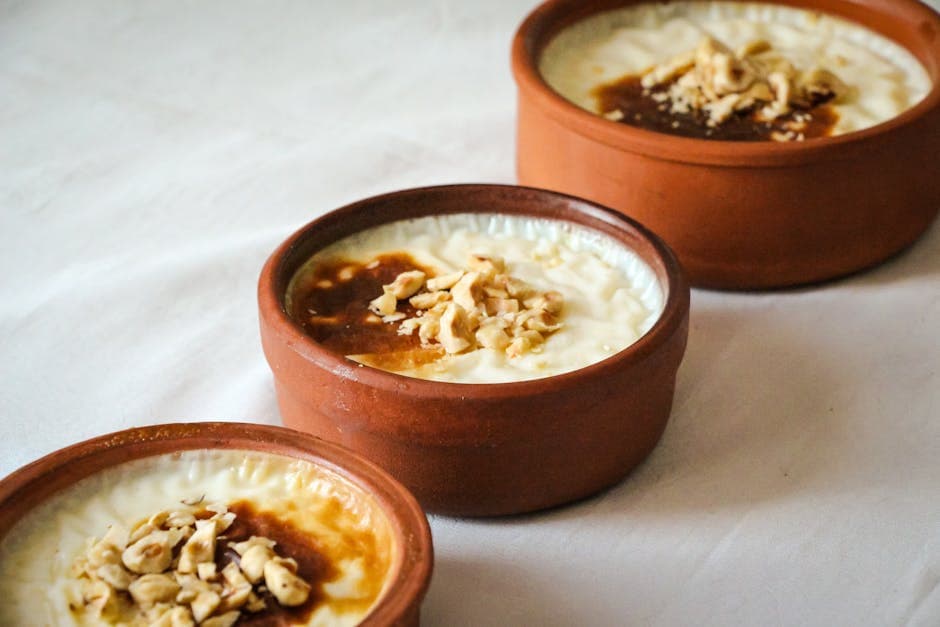
Silky chilled milk pudding perfumed with rose water, topped with pomegranate syrup and crushed pistachios.
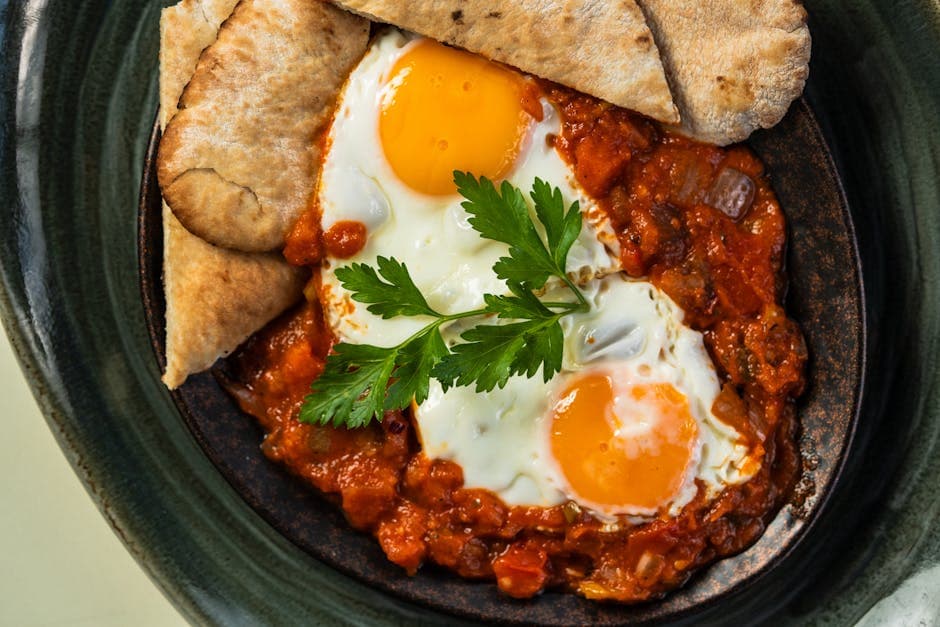
The vibrant, herb-forward cousin of the classic — eggs poached in a sauce of spinach, Swiss chard, green peppers, jalapeño and a generous handful of cilantro and parsley. A modern Tel Aviv brunch staple.
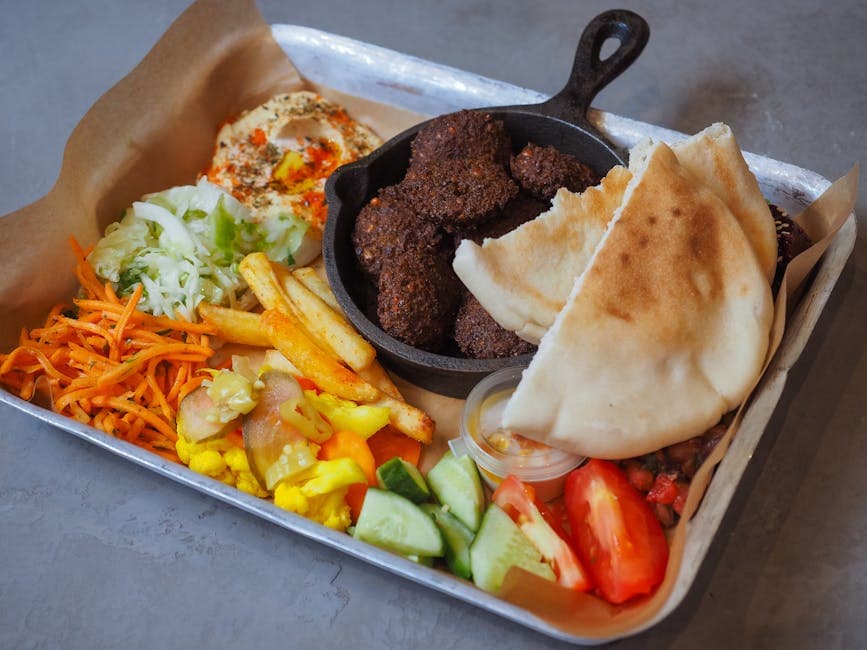
Tel Aviv's greatest street food — warm pita stuffed with fried aubergine slices, hard-boiled egg, Israeli salad, tahini, amba mango sauce and zhug. An Iraqi-Jewish breakfast eaten all day.
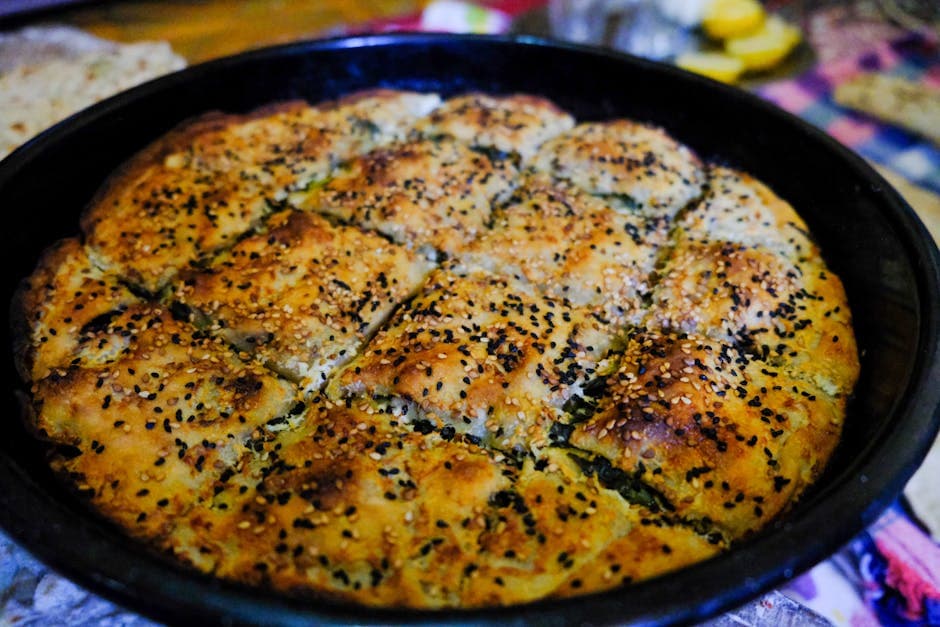
Yemen's extraordinary flaky layered bread — laminated with clarified butter and pan-fried until the layers separate into a crispy, honeycomb-like structure. Served with grated tomato, zhug and honey.

Yemenite Jewish slow-rolled dough pastry baked overnight until caramelised and tender — Israel's legendary Saturday morning breakfast.
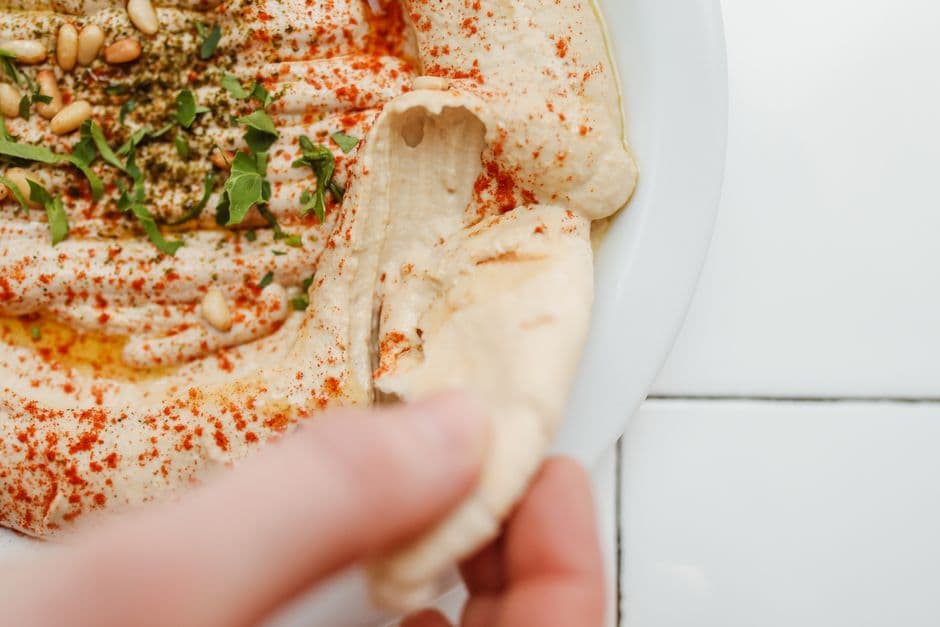
Warm whole chickpeas in tahini sauce with cumin, olive oil and lemon — hummus's soulful, rustic cousin.

Eggs poached in a spicy North African harissa tomato sauce — Israel's beloved breakfast and brunch icon.

Israeli fried aubergine and hard-boiled egg pita sandwich with hummus, amba and salad — a Tel Aviv street food treasure.
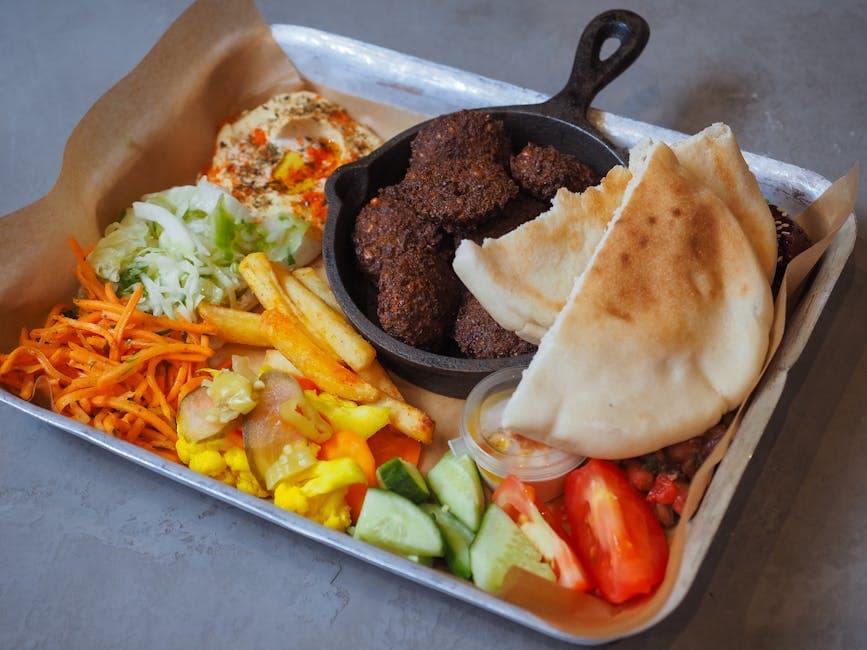
Iraqi-Israeli pita stuffed with fried eggplant, boiled egg, hummus, salads, amba, and zhug — Tel Aviv breakfast icon.
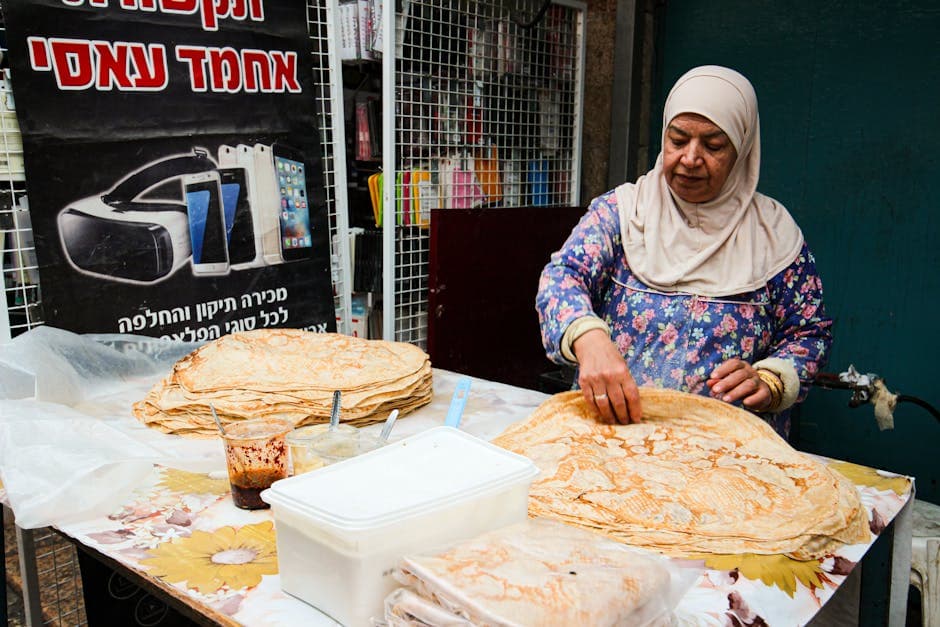
Israeli flaky savory pastries — buttery puff or filo dough wrapped around feta, ricotta, and herbs, baked to gold.
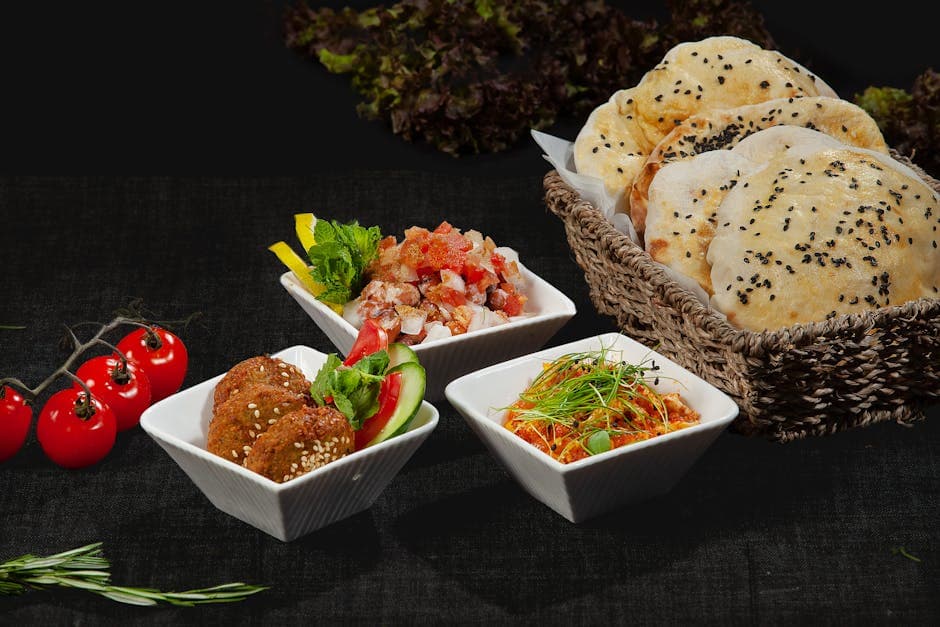
Tel Aviv street food classic: pita stuffed with fried eggplant, soft-boiled egg, hummus, salad, tahini, amba, and crisp pickles.
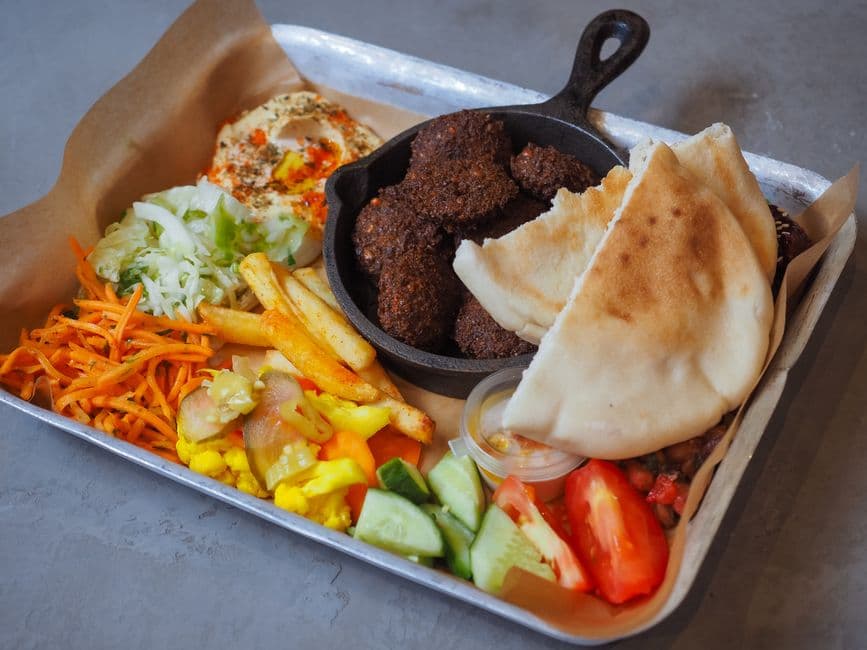
Tel Aviv's other great pita sandwich — pillowy bread stuffed with golden fried eggplant, a soft-boiled egg, hummus, Israeli salad and a generous drizzle of tangy mango amba.

Israeli hummus topped with spiced ground beef and pine nuts — a hearty Levantine combination beloved in Tel Aviv's legendary hummusiot.

The iconic Israeli breakfast and mezze salad — very finely diced cucumber, tomato, and herbs dressed simply with lemon and olive oil.

Israel's most popular weeknight dinner — thin pounded chicken breast in crunchy breadcrumbs, fried golden and served with hummus, salad, and chips.

Juicy Israeli-style grilled kebabs — seasoned ground beef and lamb on skewers, served with pita, tahini, and grilled vegetables.

Beloved Israeli street pastries — flaky puff or phyllo dough stuffed with salty cheese, spinach, or potato filling and topped with sesame seeds.

The Israeli variation of baba ganoush — fire-charred eggplant with tahini, lemon, garlic, and hard-boiled egg, served at Shabbat breakfast tables.

The iconic Israeli confection — dense, crumbly tahini halva with a sandy melt-in-the-mouth texture, made with sesame paste and sugar syrup.

Israel's iconic Hanukkah doughnuts — light, pillowy yeast-raised doughnuts deep-fried in oil and filled with strawberry jam or pastry cream.

Eggs poached in a spiced tomato-pepper sauce with herbs and warm bread.
Israeli Market Lemon Herb Rice Bowl brings israeli flavor to a practical rice bowl built with chicken thighs, tahini, lemon, zaatar and tomatoes, and a fresh parsley finish.
Israeli Village Smoky Tomato Soup brings israeli flavor to a practical soup built with mushrooms, tahini, lemon, zaatar and tomatoes, and a fresh parsley finish.
Israeli Garden Sesame Lime Skillet brings israeli flavor to a practical skillet dinner built with cauliflower, tahini, lemon, zaatar and tomatoes, and a fresh parsley finish.
Israeli Harbor Charred Pepper Noodles brings israeli flavor to a practical noodle dish built with rice noodles, tahini, lemon, zaatar and tomatoes, and a fresh parsley finish.
Israeli Mountain Green Herb Salad brings israeli flavor to a practical salad built with grilled chicken, tahini, lemon, zaatar and tomatoes, and a fresh parsley finish.
Israeli Festival Lemon Herb Flatbread brings israeli flavor to a practical flatbread built with flatbread dough, tahini, lemon, zaatar and tomatoes, and a fresh parsley finish.
Israeli Homestyle Smoky Tomato Traybake brings israeli flavor to a practical traybake built with sweet potatoes, tahini, lemon, zaatar and tomatoes, and a fresh parsley finish.
Israeli Street Sesame Lime Fritters brings israeli flavor to a practical fritters built with salted fish, tahini, lemon, zaatar and tomatoes, and a fresh parsley finish.
Israeli Golden Charred Pepper Breakfast Plate brings israeli flavor to a practical breakfast plate built with beans, tahini, lemon, zaatar and tomatoes, and a fresh parsley finish.
Israeli Weeknight Green Herb Dessert brings israeli flavor to a practical dessert built with coconut, tahini, lemon, zaatar and tomatoes, and a fresh parsley finish.
Eggs gently poached in a bubbling, cumin-spiced tomato and bell pepper sauce, served straight from the skillet with warm bread.
Pita stuffed with fried eggplant, hard-boiled egg, hummus, Israeli salad and amba mango sauce, an Iraqi-Jewish specialty.
A silky, chilled milk pudding delicately perfumed with rosewater, topped with a bright red berry syrup and chopped pistachios.
A sizzling skillet mix of chicken hearts, livers and marinated chicken thigh pieces, heavily spiced and stuffed into pita.
A crisp, chewy flatbread topped with a garlicky chile-spiked tomato spread and a soft poached egg, an Israeli café brunch favorite.
A warm, rustic bowl of tahini-dressed chickpeas left partially whole, drizzled with olive oil, paprika and lemon.
A hearty overnight-simmered stew of beef, barley, beans and potatoes, traditionally started before Shabbat and kept warm until the next day.
A dome of airy vanilla or mocha marshmallow cream set on a small biscuit base and coated entirely in a thin chocolate shell.
Semolina dumplings filled with spiced ground meat, simmered in a deep red beet and tomato broth, a beloved Kurdish-Israeli specialty.
Firm white fish fillets gently simmered in a fiery, garlicky tomato and paprika sauce, a North African-Jewish specialty popular for Sabbath meals.
Finely diced cucumber and tomato tossed with olive oil, lemon and fresh herbs, a bright, essential side at nearly every Israeli meal.
Soft, chewy flatbread brushed generously with olive oil and the tangy, herbaceous za'atar spice blend before baking.
Thick potato slices hollowed and stuffed with spiced ground beef, fried, then simmered in a light tomato sauce, a Libyan-Jewish specialty.
Flaky, golden puff pastry triangles filled with a salty feta and potato mixture, topped with sesame seeds, a beloved Israeli café snack.
Soft, deep-fried yeasted doughnuts filled with strawberry jelly and dusted with powdered sugar, a beloved Hanukkah treat.
Bone-in chicken pieces braised in the same bold cumin-and-paprika tomato sauce used for classic shakshuka, hearty enough for dinner.
A slowly cooked, chunky relish of tomatoes, roasted peppers and garlic, served cold or at room temperature as a spread or dip.
Pita stuffed with fried eggplant, hard-boiled egg, hummus and amba — Israel's beloved Iraqi-Jewish sabich sandwich.
Spiced meatballs simmered in a bubbling tomato and basil sauce with baked eggs — a heartier, protein-packed twist on classic shakshuka.
White beans simmered with garlic, tomato and lime in a rich, savory stew — an Israeli home-style bean pot with Middle Eastern roots.
A soft folded omelette filled with fresh herbs and finished with a squeeze of charred lemon — a light, bright Israeli breakfast egg dish.
Cracked bulgur wheat simmered with tomato and a touch of tamarind for tang — a hearty, savory Israeli grain porridge.
Whole sea bream baked with chili, garlic and fresh herbs — a coastal Israeli fish dish with Mediterranean and North African influences.
Spiced ground lamb kebabs grilled until charred, served with tahini sauce and a sprinkle of sumac — a classic Israeli grilled meat platter.
Flaky, pan-fried Yemenite malawach bread filled with a sweet coconut-ginger paste — a modern twist on a traditional Yemenite Jewish flatbread.
Smoky roasted eggplant mashed with tahini, lemon and garlic — a beloved Israeli eggplant salad, salat chatzilim.
A whole chicken rubbed with za'atar and roasted over blistering cherry tomatoes — a fragrant, herbaceous Israeli Sunday roast.
Roasted seasonal vegetables tossed with garlic and lime, finished with a tahini drizzle — a hearty Israeli vegetable side dish.
No-bake truffles made from crumbled halva and tahini, finished with a hint of charred lemon zest — a modern Israeli sweet bite.
Savory Israeli-style pancakes folded with charred bell pepper and za'atar, served with yogurt and a fried egg.
A smoky Israeli freekeh grain bowl with roasted vegetables, tahini and a warm cumin-coriander spice blend.
Smoky chile-spiced shrimp simmered over turmeric rice, finished with fresh herbs and a squeeze of lemon.
A smoky Israeli red lentil bowl with charred bell pepper, cumin and a bright herb-tahini drizzle.
Bell peppers stuffed with cumin-spiced rice, pine nuts and herbs, simmered gently in a light tomato sauce.
A smoky baked casserole of roasted eggplant, tomatoes and chile, topped with baked eggs and fresh herbs.
A juicy beef burger topped with charred bell pepper, harissa mayo and pickled cucumber, Israeli street-food style.
A rich Israeli-style chocolate pudding swirled with halva and a whisper of chile for warmth, no added cream needed.
A festive Israeli holiday plate of slow-braised brisket in sour cherry sauce, served with honeyed carrots and rice.
Israeli cuisine is barely 75 years old as a national category, built from the foodways of Jewish immigrants from Morocco, Yemen, Iraq, Poland, and beyond, layered over Palestinian and Levantine cooking traditions. Hummus, falafel, and pita anchor the street-food repertoire, while dishes like Yemenite jachnun, Iraqi sabich, and Ashkenazi chicken soup sit side by side on home tables. The result is a cuisine defined by collision: harissa next to schmaltz, za'atar next to dill.
Geography drives the pantry. Israel's Mediterranean climate supplies year-round tomatoes, cucumbers, eggplant, citrus, and herbs, which is why the chopped salad (salat katzutz) appears at breakfast, lunch, and dinner. Tahini is used the way other cuisines use butter or cream — whisked into sauces, drizzled over roasted vegetables, folded into desserts. Kosher dietary law shapes structure too, keeping meat and dairy meals separate and pushing cooks toward vegetable-forward menus.
Home cooks approach the cuisine casually and abundantly: a Friday night dinner might involve slow-cooked meat like Moroccan-style chicken with olives, while weekday cooking leans on shakshuka, stuffed vegetables, and grain salads with bulgur or freekeh. Charring eggplant directly over a flame for baba ghanoush or sabich filling is a near-universal home technique, as is keeping good tahini and pickles always on hand.
Tahini
Sesame paste whisked with lemon and garlic into a sauce that dresses everything from falafel to roasted cauliflower to halva-style desserts.
Shakshuka
Eggs poached in spiced tomato and pepper sauce, a North African import that became Israel's default brunch and weeknight dinner.
Chopped salad
Finely diced tomato and cucumber with lemon and olive oil, served at virtually every meal including breakfast.
Flame-charred eggplant
Eggplant burned whole over open flame for smoky baba ghanoush, sabich, and the whipped salad known as salat chatzilim.
Mezze culture
Meals open with many small plates — hummus, labneh, pickles, matbucha — shared from the center of the table.
Diaspora stews
Slow Sabbath dishes like cholent and hamin, plus Yemenite soup and Moroccan tagine-style chicken, reflect immigrant home cooking.
Israeli cuisine is known for vegetable-forward, mezze-style eating: hummus, falafel, shakshuka, chopped salads, and tahini-based sauces. It blends Levantine and Palestinian foundations with dishes brought by Jewish immigrants from Morocco, Yemen, Iraq, and Eastern Europe, so a single meal can include harissa, za'atar, pickled vegetables, and slow-cooked Sabbath stews.
Israeli food is one branch of Middle Eastern cooking rather than a separate tradition. It shares hummus, falafel, and tabbouleh with Lebanese and Palestinian cuisine but adds diaspora layers — Yemenite jachnun, Iraqi sabich, Ashkenazi brisket — and is shaped by kosher rules that separate meat and dairy. The boundaries are debated, since many signature dishes are Levantine in origin.
Mostly no. The base flavors are lemon, garlic, tahini, cumin, and fresh herbs rather than chili heat. Heat appears as a condiment you add yourself: Yemenite zhug (a hot green chili-cilantro paste), North African harissa, and pickled chilies served alongside hummus and falafel. Dishes like shakshuka can be made mild or fiery depending on the cook.
Shakshuka is the ideal starting point: one pan, pantry ingredients (canned tomatoes, onion, peppers, cumin, paprika, eggs), and it is forgiving on timing. Follow it with a proper chopped salad and homemade tahini sauce — just tahini paste, lemon juice, garlic, and ice water. Those three recipes cover the core techniques and flavors of the cuisine.
Start with good-quality tahini paste, olive oil, lemons, garlic, cumin, sweet and hot paprika, and za'atar. Add canned chickpeas for hummus, sumac for salads, and harissa or zhug for heat. Bulgur, freekeh, and couscous cover the grain dishes, and labneh or thick yogurt handles the dairy side of the table.
Calculators and converters that pair with this page — no signup needed.