
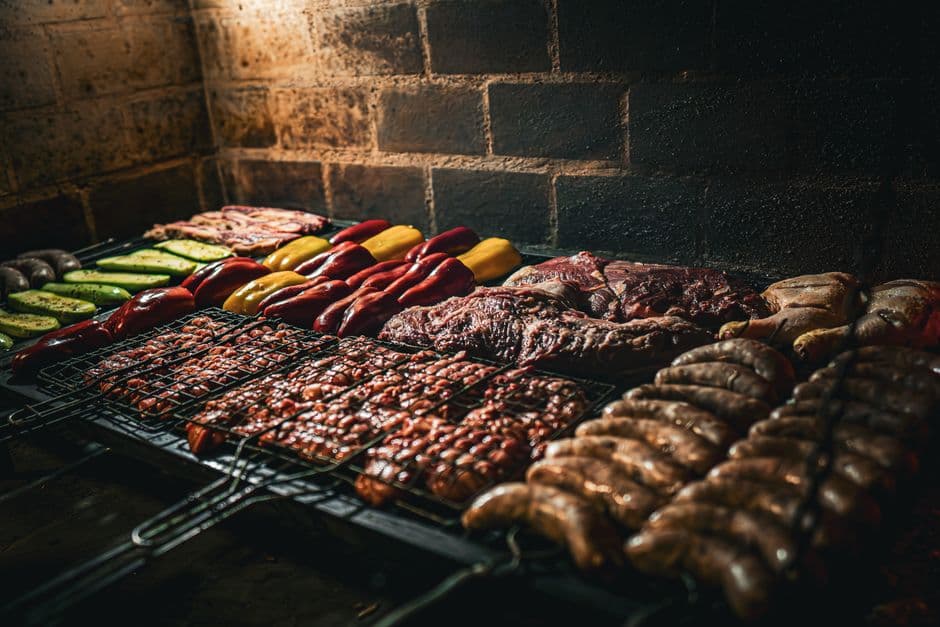
Dinner
Bandeja Paisa
Colombia's most legendary meal — a monumental platter from the Antioquia region featuring red beans, chicharrón, minced beef, chorizo, fried egg, sweet plantain, avocado, hogao sauce and rice.
130 min1240 kcalHard
★4.9(1,102)
Ajiaco, bandeja paisa, arepas — hearty and vibrant Andean cooking.
More recipes built around the same core ingredients.
Track what you eat
Snap your meal to log calories and macros, run fasting timers and track water in the free SnapCal app.
Plan your meals, track fasting and build your grocery list — free
MyCookingCalendar's dashboard runs right in your browser, no download needed.
Latin American Cuisine: Recipes from Mexico to Argentina
Explore the diverse flavors of Latin America with 40+ authentic recipes from Mexico, Peru, Brazil, and beyond.
14 High-Protein Recipes With the Numbers to Prove It
14 real recipes from our database with genuinely high protein per serving — verified against actual nutrition data, spanning chicken, beef, lamb, pork, fish, and plant-based sources.
Colombia's most legendary meal — a monumental platter from the Antioquia region featuring red beans, chicharrón, minced beef, chorizo, fried egg, sweet plantain, avocado, hogao sauce and rice.
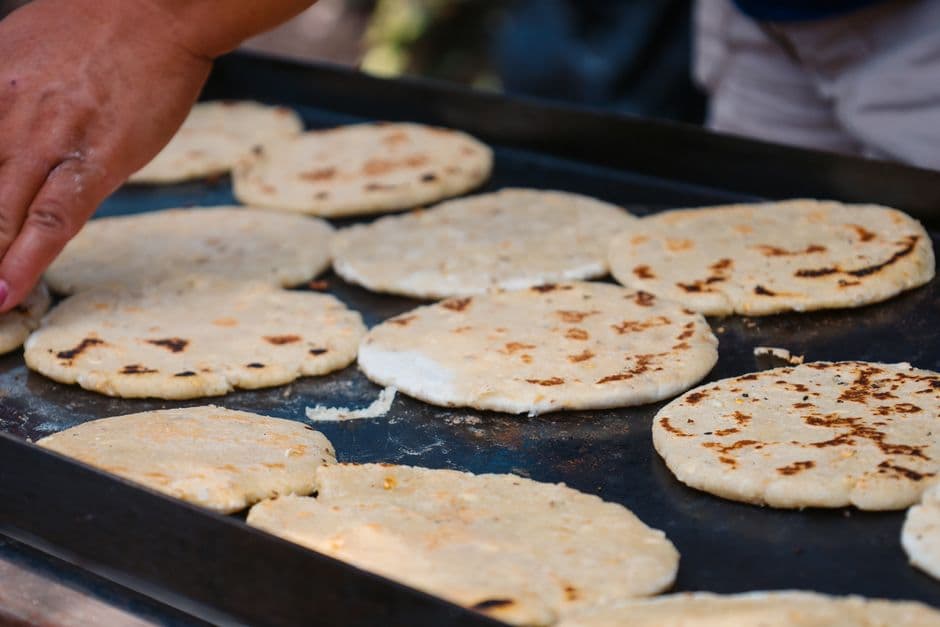
Thick, sweet griddled fresh corn cakes with a chewy, slightly sweet interior and crispy edge — Colombia's beloved street snack, often split and filled with fresh cheese.
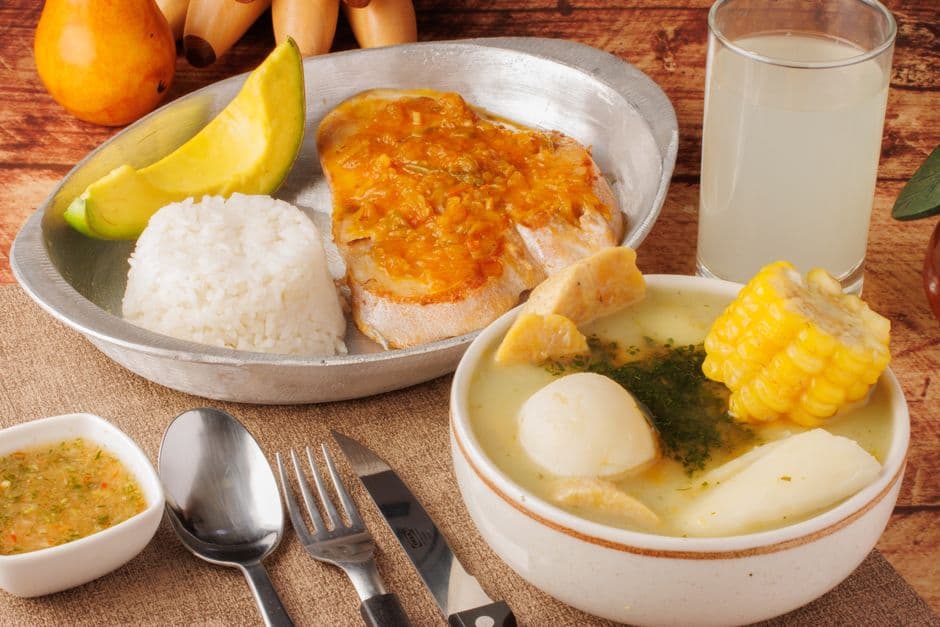
A gentle, warming Bogotá breakfast soup of hot milk, poached eggs, spring onion and fresh herbs — simple, nourishing and uniquely Colombian.
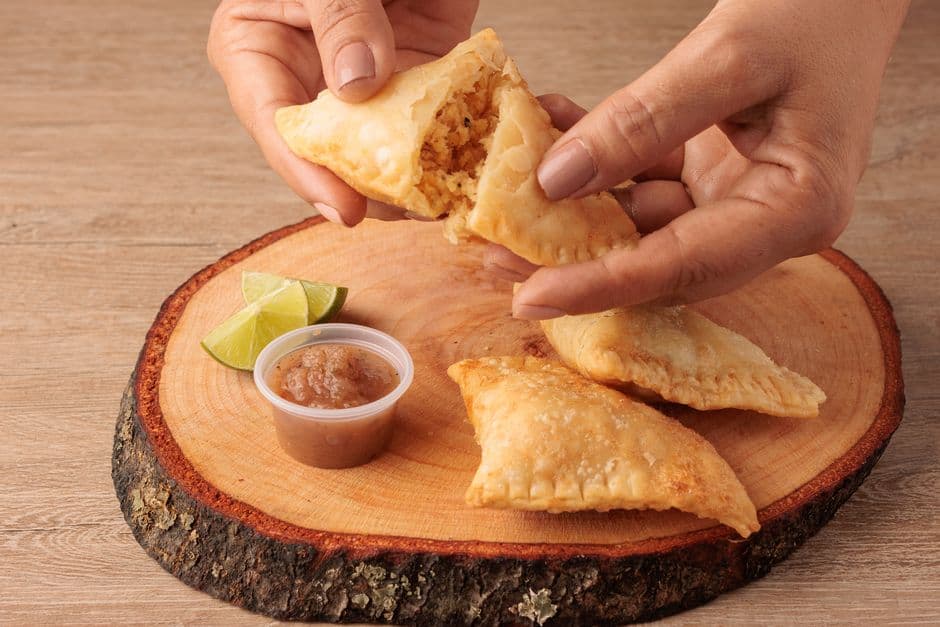
Crispy corn dough empanadas filled with seasoned beef, potato and egg — Colombia's most popular street food, fried golden and served with ají sauce.
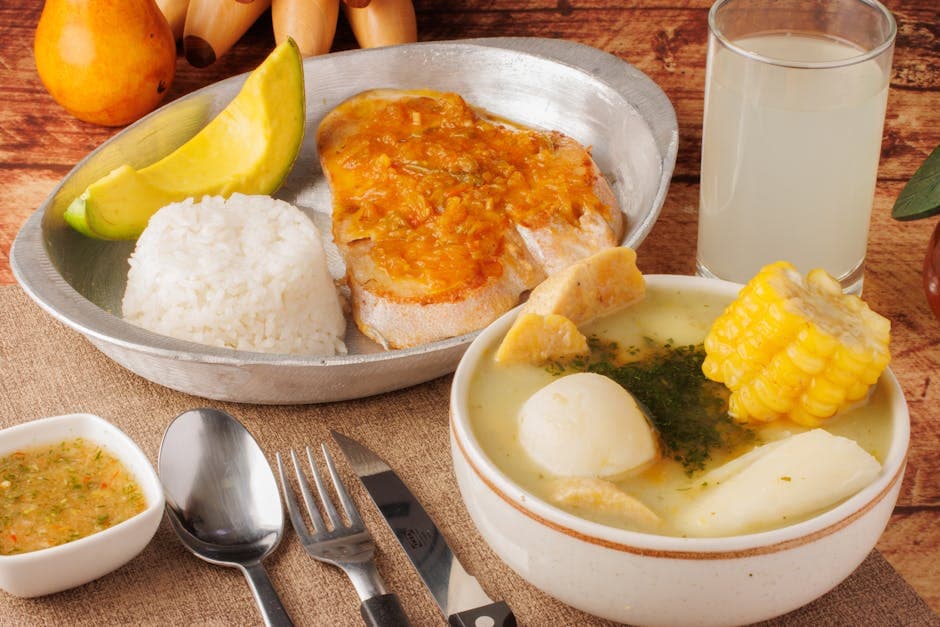
Colombia's ancient corn porridge — white hominy corn simmered until tender and served with milk and raw cane sugar panela, a beloved Paisa breakfast and evening drink.
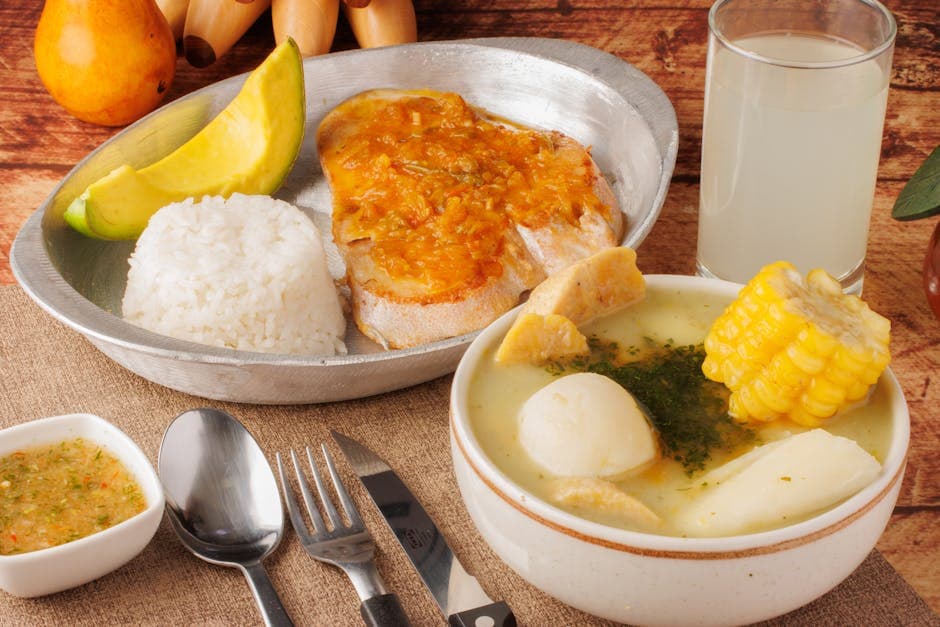
A warm, comforting Bogotá breakfast soup of milk, poached eggs, and scallions — simple and deeply satisfying.
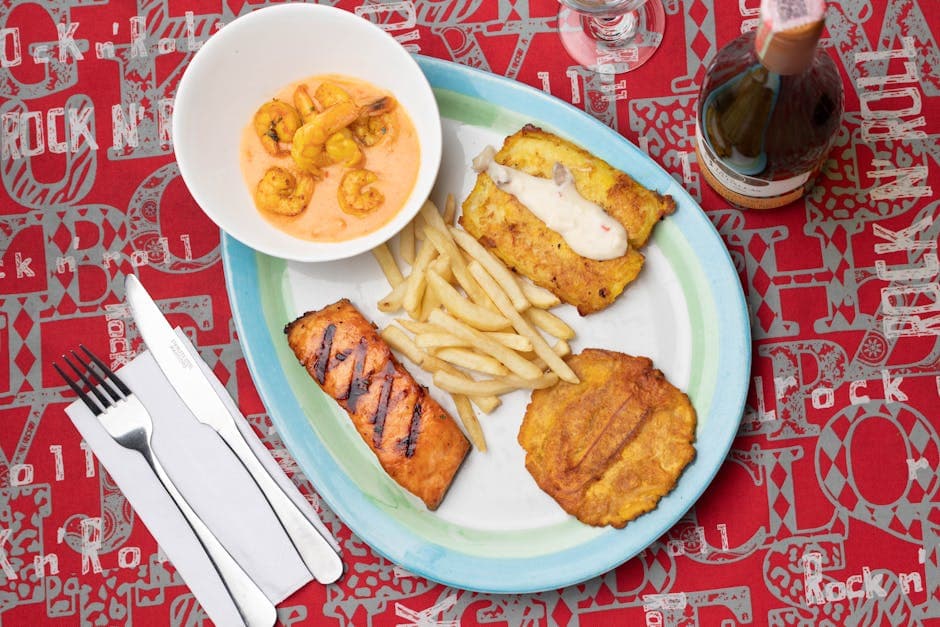
Crispy, smashed green plantain rounds — the versatile Colombian staple eaten as a side, snack, or base for toppings.

Sweet, fragrant coconut rice from Colombia's Caribbean coast — caramelized coconut milk gives it a unique golden color.

Fluffy, cheesy cassava and cornmeal rolls — Colombia's beloved baked snack with a uniquely chewy, airy texture.
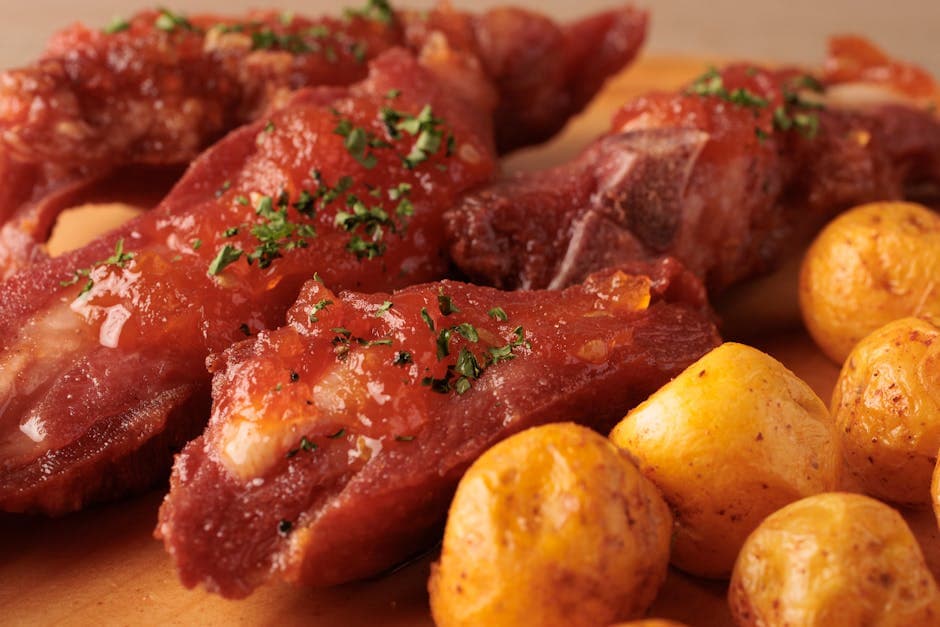
Colombia's iconic slow-roasted stuffed whole pig, packed with rice, peas, and spices — the king of festive cooking.

Bogotá's iconic thick chicken soup made with three types of potato and guascas herb — hearty, unique and deeply comforting.
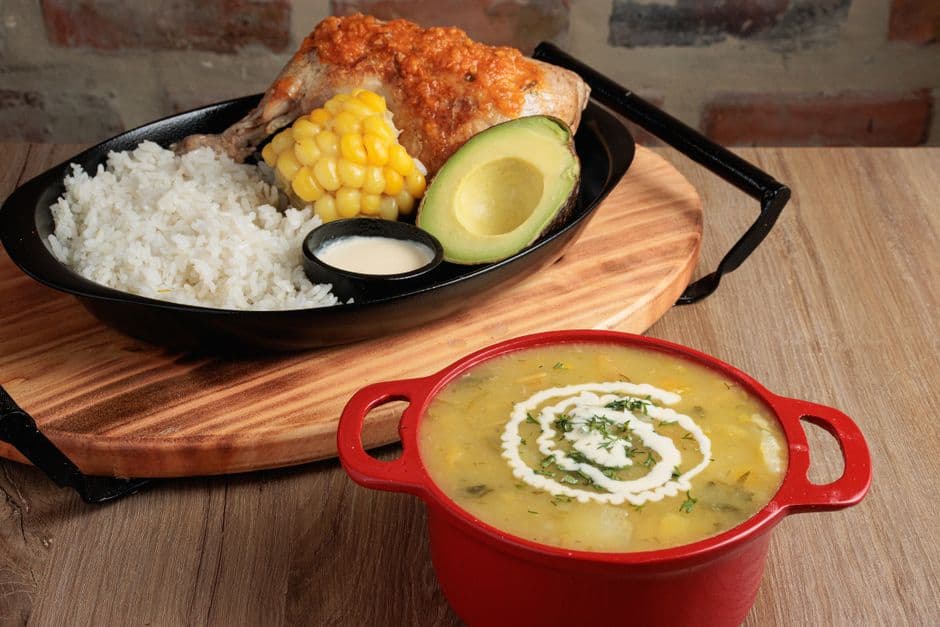
Colombia's great hearty stew — chicken, yuca, plantain, corn and potato simmered in a golden, herb-scented broth. Sunday lunch across the nation.
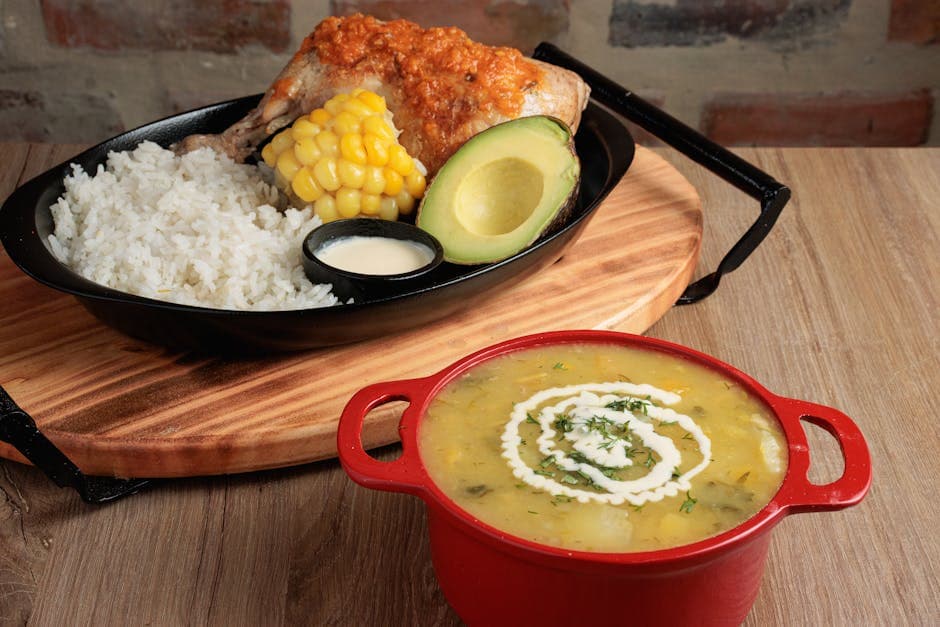
Bogotá's legendary creamy chicken and potato soup with guascas herb — Colombia's most celebrated comfort food.
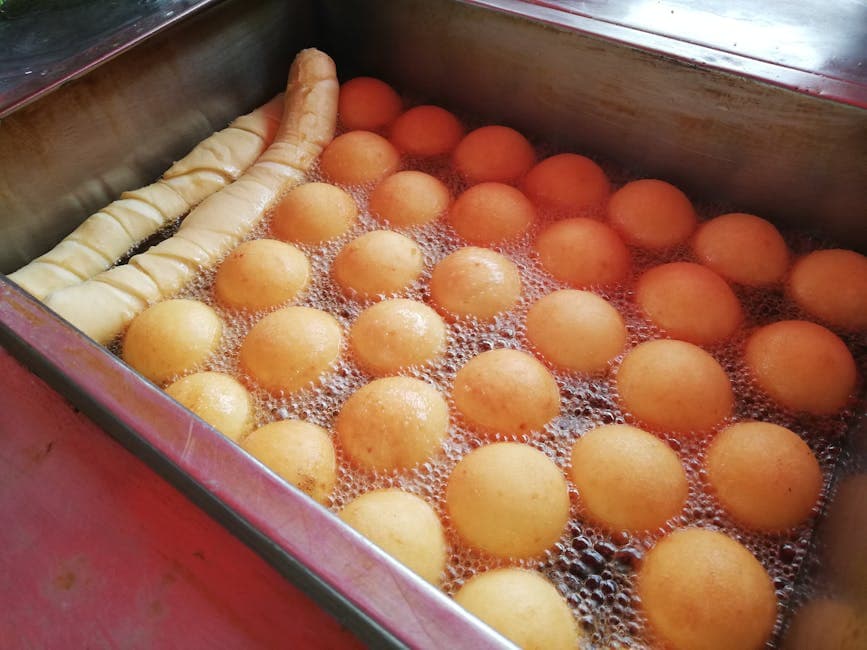
Light, crispy Colombian cheese fritters — the essential Christmas snack eaten with natilla all over Colombia.
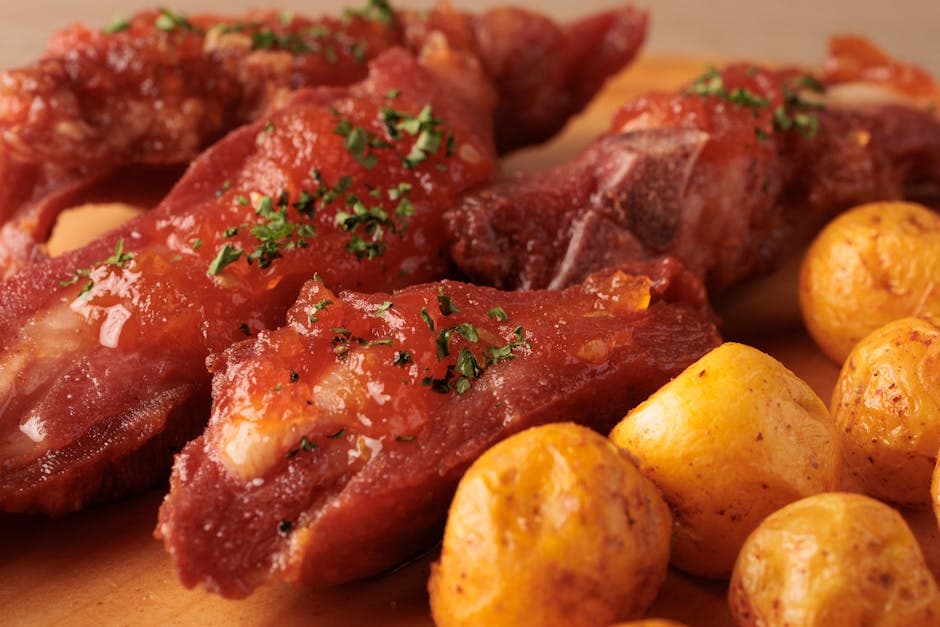
Colombian whole roasted pig stuffed with rice, peas and spiced pork — the ultimate celebration centrepiece from Tolima.
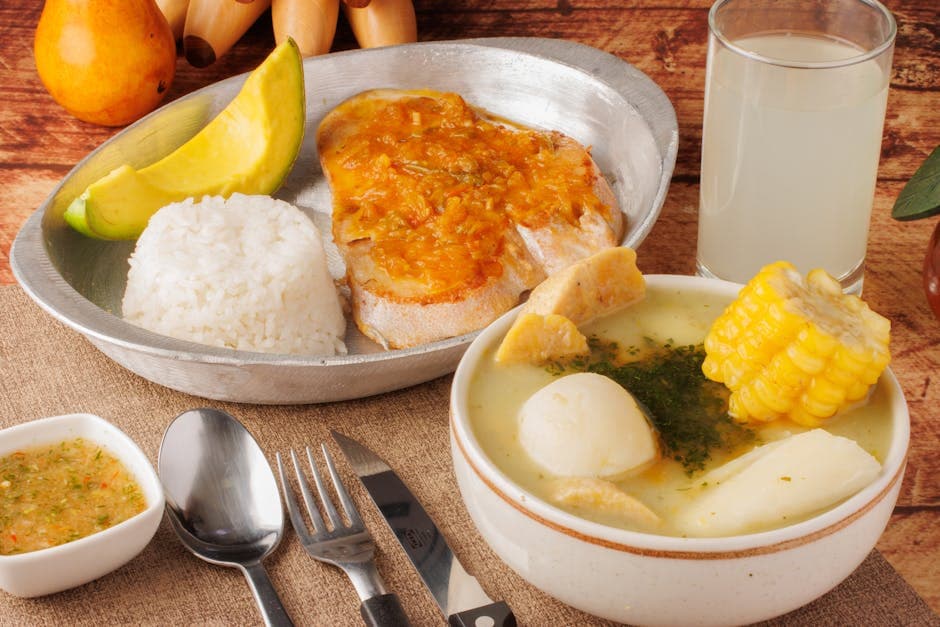
Bogotá's three-potato chicken soup with corn, capers, cream, and guascas — Colombia's most comforting bowl.
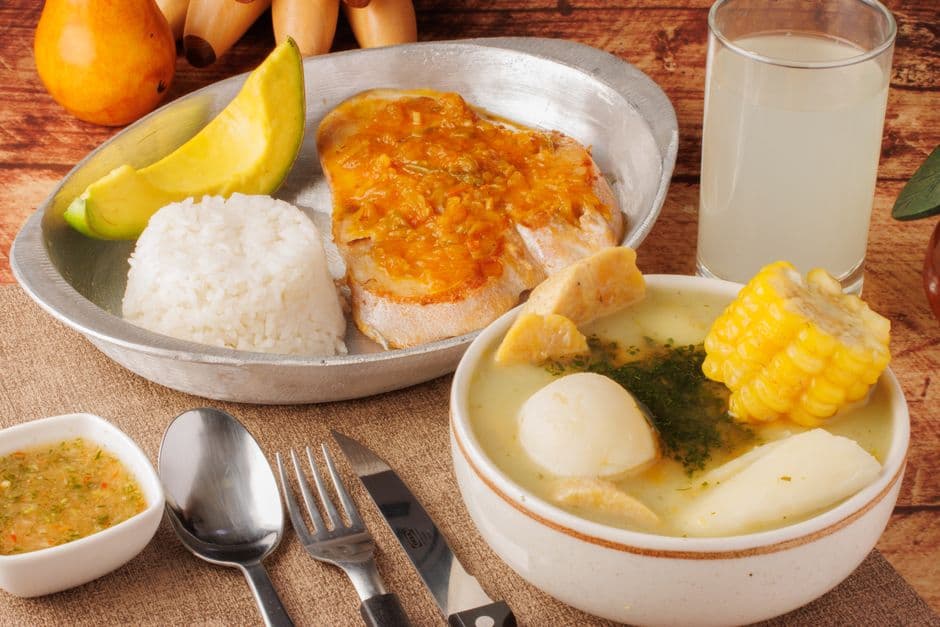
A creamy, herb-perfumed Andean soup of chicken, three varieties of potato, sweet corn and the indispensable native herb guascas, finished with capers, cream and avocado — the soul of Bogotá.
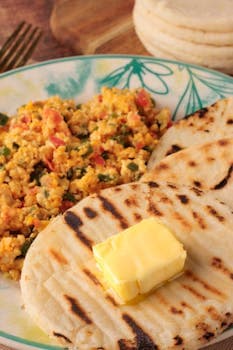
Colombian fried corn cakes stuffed with a whole egg — a Cartagena beach-stall classic with a crisp masarepa shell and a runny, savory center.

Colombia's beloved griddled corn cake with melted cheese — crispy outside, chewy within. Eaten from breakfast to late-night snack, every day, everywhere.

Twice-fried, smashed green plantain rounds — golden and crispy, the indispensable Colombian side dish eaten with hogao, guacamole, or black beans.

Colombia's iconic weekend stew: whole chicken, yuca, plantain, corn, potatoes, and cilantro in a golden, herb-fragrant broth — the dish that brings families together.

Versatile Colombian spiced beef mince with tomatoes, onions, and herbs — the workhorse filling for arepas, pasteles, empanadas, and rice bowls.

Colombia's hearty breakfast tostada: thick-cut bread fried golden in butter, topped with hogao (tomato-onion sauce) and a fried egg. Simple, satisfying, regional.

Crispy golden fried empanadas with a corn-dough shell and spiced beef and potato filling — the definitive Colombian street snack eaten with ají verde.

Light, airy deep-fried cheese fritters — Colombia's essential Christmas sweet, served with natilla and hot chocolate for the most festive combination in the country.

Silky Colombian-style condensed milk caramel custard — richer and more trembling than classic flan, unmoulded to reveal a glossy caramel sauce.

Bogotá's signature highland soup: three varieties of potato, chicken, corn on the cob, and guasca herb simmered into a thick, earthy, deeply comforting stew.

Bogota Lemon Herb Grain Bowl turns colombian pantry flavors into a complete grain bowl with salmon, achiote, corn, potatoes and cilantro, and a fresh cilantro finish.

Cartagena Smoky Tomato Soup turns colombian pantry flavors into a complete soup with white fish, achiote, corn, potatoes and cilantro, and a fresh cilantro finish.

Medellin Sesame Lime Stew turns colombian pantry flavors into a complete stew with chicken legs, achiote, corn, potatoes and cilantro, and a fresh cilantro finish.

Cali Charred Pepper Noodles turns colombian pantry flavors into a complete noodle dish with wheat noodles, achiote, corn, potatoes and cilantro, and a fresh cilantro finish.

Santander Green Herb Salad turns colombian pantry flavors into a complete salad with grilled chicken, achiote, corn, potatoes and cilantro, and a fresh cilantro finish.

Boyaca Lemon Herb Flatbread turns colombian pantry flavors into a complete flatbread with flatbread dough, achiote, corn, potatoes and cilantro, and a fresh cilantro finish.

Barranquilla Smoky Tomato Traybake turns colombian pantry flavors into a complete traybake with sweet potatoes, achiote, corn, potatoes and cilantro, and a fresh cilantro finish.

Pasto Sesame Lime Fritters turns colombian pantry flavors into a complete fritters with salted fish, achiote, corn, potatoes and cilantro, and a fresh cilantro finish.

Amazonas Charred Pepper Breakfast Plate turns colombian pantry flavors into a complete breakfast plate with yogurt, achiote, corn, potatoes and cilantro, and a fresh cilantro finish.

Santa Marta Green Herb Dessert turns colombian pantry flavors into a complete dessert with coconut, achiote, corn, potatoes and cilantro, and a fresh cilantro finish.
Colombian Market Lemon Herb Rice Bowl brings colombian flavor to a practical rice bowl built with chicken thighs, achiote, corn, potatoes and cilantro, and a fresh cilantro finish.
Colombian Village Smoky Tomato Soup brings colombian flavor to a practical soup built with mushrooms, achiote, corn, potatoes and cilantro, and a fresh cilantro finish.
Colombian Garden Sesame Lime Skillet brings colombian flavor to a practical skillet dinner built with cauliflower, achiote, corn, potatoes and cilantro, and a fresh cilantro finish.
Colombian Harbor Charred Pepper Noodles brings colombian flavor to a practical noodle dish built with rice noodles, achiote, corn, potatoes and cilantro, and a fresh cilantro finish.
Colombian Mountain Green Herb Salad brings colombian flavor to a practical salad built with grilled chicken, achiote, corn, potatoes and cilantro, and a fresh cilantro finish.
Colombian Festival Lemon Herb Flatbread brings colombian flavor to a practical flatbread built with flatbread dough, achiote, corn, potatoes and cilantro, and a fresh cilantro finish.
Colombian Homestyle Smoky Tomato Traybake brings colombian flavor to a practical traybake built with sweet potatoes, achiote, corn, potatoes and cilantro, and a fresh cilantro finish.
Colombian Street Sesame Lime Fritters brings colombian flavor to a practical fritters built with salted fish, achiote, corn, potatoes and cilantro, and a fresh cilantro finish.
Colombian Golden Charred Pepper Breakfast Plate brings colombian flavor to a practical breakfast plate built with beans, achiote, corn, potatoes and cilantro, and a fresh cilantro finish.
Colombian Weeknight Green Herb Dessert brings colombian flavor to a practical dessert built with coconut, achiote, corn, potatoes and cilantro, and a fresh cilantro finish.
Pan-seared white fish over coconut-garlic rice with a fresh chile-tomato salsa, inspired by Colombia's Pacific and Caribbean coastal cooking.
A hearty Colombian lentil soup with potato, carrot and a garlicky herb finish, based on sopa de lentejas, everyday harbor-town comfort food.
Soft scrambled eggs with tomato and scallion, based on huevos pericos, a beloved Colombian breakfast-for-dinner classic.
A quick grilled steak salad with avocado, tomato and fresh mint, built the way Colombian home cooks turn leftover grilled meat into a bright weeknight plate.
A one-pan Colombian chicken and potato bake built on the same cumin, achiote and tomato base as classic pollo sudado.
Sweet corn and cheese fritters pan-fried until golden, the same snack Colombian street vendors have sold for generations.
A classic Colombian breakfast built from reheated rice and beans, topped with a fried egg — the ultimate use for last night's leftovers.
A creamy coconut rice pudding sweetened with panela and studded with raisins, the way it's served along Colombia's Caribbean coast.
A hearty Colombian one-pot stew of beef, yuca, plantain and corn, simmered low and slow the way it's made for family gatherings.
Crisp, corn-dough empanadas stuffed with seasoned ground beef and potato, fried the way street vendors sell them across Colombia.
Simple lime and garlic marinated grilled chicken served with rice and avocado, the everyday Colombian weeknight dinner.
Bell peppers stuffed with seasoned rice and ground beef, baked until tender and topped with melted cheese.
A bright quinoa salad with lime, cilantro and fresh vegetables, a modern lighter take on the grain salads common in Colombian kitchens.
Slow-braised pork shoulder seasoned with garlic, cumin and oregano until it falls apart, inspired by the bold flavors of Colombian lechona.
Creamy coconut rice paired with charred roasted vegetables, echoing the coastal Colombian habit of building meals around rice.
Twice-fried smashed green plantains, crisp on the outside and tender within, the classic Colombian coastal street snack.
Creamy coconut rice studded with lime-seasoned shrimp, a quick one-pot dinner inspired by Colombia's coastal cooking.
Grilled Colombian chorizo piled onto crusty bread with grilled pineapple and a spicy ají sauce for real sweet-heat balance.
Beef and pork meatballs simmered in an achiote-colored herb sauce, Colombia's real answer to saffron-tinted dishes.
Red beans slow-simmered with pork, browned garlic and plantain until thick enough to serve over rice, Medellín-style.
Colombia's classic tomato-scallion scrambled eggs, brightened with a handful of fresh mint alongside the usual cilantro.
Colombia's creamy corn mazamorra given a savory twist with lemon zest and cracked black pepper instead of the usual sweet panela finish.
A baked take on Colombia's coastal pescado sudado, whole fish braised in a herby tomato-onion sauce until falling-apart tender.
A homestyle Colombian chicken and vegetable pie baked in a dish with a toasted-cumin crust, built for feeding a crowd.
A crisp Colombian-style chopped salad of tomato, avocado and hearts of palm dressed simply with lime and cracked black pepper.
Whole roast chicken rubbed with achiote, garlic and fresh herbs for Colombia's real, everyday answer to a saffron-colored bird.
A slow-braised pot of potatoes, plantain, squash and corn in a browned-garlic tomato sofrito, the vegetarian cousin of Colombia's classic sudado stews.
Chewy, caramelized coconut candy from Colombia's Caribbean coast, cooked down with panela and finished with a touch of fresh citrus.
Griddled sweet corn cakes made from fresh or frozen corn kernels, crisp outside and tender within.
A grain bowl inspired by bandeja paisa, with rice, beans, charred peppers and sweet fried plantain.
Caribbean-coast Colombian rice cooked in toasted coconut milk, studded with garlicky shrimp.
Colombian-style stewed lentils simmered with sofrito and cumin, served over rice with avocado.
Charred bell peppers stuffed with seasoned ground beef, rice and a spoonful of tomato-onion hogao.
Shredded chicken and rice baked together in a sofrito-and-herb sauce until golden and bubbling.
A juicy beef and chorizo patty topped with hogao and avocado, Colombian street-food style.
A silky, cinnamon-spiced cornstarch pudding, a Colombian holiday classic set in a dish and sliced.
Corn masa tamales filled with seasoned pork and rice, steamed in banana leaves for a festive Colombian plate.
Colombian cuisine maps onto the country's wildly varied geography: Andean highlands, two coastlines, vast plains (Llanos), and Amazon rainforest each cook differently. The Andes around Bogotá produce ajiaco — a chicken soup of three potato varieties thickened with the herb guascas, finished with capers and cream. Antioquia built the bandeja paisa, a platter of beans, rice, chicharrón, ground beef, chorizo, fried egg, plantain, avocado, and arepa. The Caribbean coast cooks with coconut: arroz con coco, fried fish, and African-influenced stews around Cartagena.
Corn is the historical backbone. Arepas — griddled corn cakes — vary by region from the thin, blistered arepa paisa to the cheese-stuffed arepa de choclo and the egg-filled, deep-fried arepa de huevo of the coast. Tamales wrapped in banana leaves differ province to province; mazamorra and chicha extend corn into drinks. Soups carry deep cultural weight: sancocho, a hen, beef, or fish stew with yuca, plantain, and corn on the cob, is the dish of family Sundays and riverside gatherings nationwide.
Unlike Mexican or Peruvian cooking, Colombian food keeps chili on the side — ají, a fresh salsa of cilantro, scallion, tomato, and a little chili, is the table condiment that lets each eater set their own heat. Home cooking is generous and starch-forward: rice and beans daily in the interior, fried plantain everywhere, hot chocolate served with cheese dropped into the cup in Bogotá, and fresh fruit juices — lulo, guanábana, maracuyá — at nearly every meal.
Arepas
Griddled corn cakes eaten daily across the country, from plain paisa versions to coastal arepas de huevo fried with an egg inside.
Sancocho
A hearty stew of chicken, beef, or fish with yuca, green plantain, potato, and corn — the universal dish of Colombian family gatherings.
Bandeja Paisa
Antioquia's mountain platter: red beans, rice, chicharrón, carne molida, chorizo, fried egg, sweet plantain, avocado, and arepa.
Ajiaco Santafereño
Bogotá's signature chicken and three-potato soup, flavored with guascas herb and served with capers, cream, and avocado.
Ají on the Side
A fresh cilantro-scallion-chili salsa served as a condiment, reflecting Colombia's preference for optional rather than built-in heat.
Coastal Coconut Cooking
Caribbean Colombia simmers rice in caramelized coconut milk (arroz con coco) and pairs it with whole fried fish and patacones.
Arepas, bandeja paisa, ajiaco, sancocho, empanadas, lechona (whole roast pig stuffed with rice and peas), and coastal dishes like arroz con coco with fried fish. Colombia is also known for tropical fruit juices — lulo, guanábana, maracuyá — and exceptional coffee. The cooking is hearty, corn- and starch-centered, and built on regional identity more than a single national style.
No — Colombian food is among the mildest in Latin America. Dishes are seasoned with cumin, scallion, garlic, cilantro, and achiote rather than chilies. Heat arrives only through ají, a fresh table salsa each diner adds to taste. Travelers expecting Mexican-level spice are often surprised; the cuisine prioritizes comfort and abundance over heat.
Colombian arepas are usually thinner, often eaten plain or with butter and cheese as a side or breakfast base, with toppings placed on top. Venezuelan arepas are thicker and split open like a pocket, stuffed generously with fillings such as reina pepiada (chicken-avocado salad) or carne mechada. Both use precooked corn meal (masarepa); the difference is form and role in the meal.
Arepas: mix masarepa (precooked corn meal, e.g. P.A.N. or Areparina) with warm water and salt, shape discs, and griddle until spotted. Top with butter and cheese or serve beside scrambled eggs with tomato and scallion (huevos pericos). Next, try a simple chicken sancocho — it's forgiving, one pot, and tastes like Colombia.
Bandeja paisa is the signature platter of Antioquia and the Paisa region: red beans cooked with pork, white rice, ground or shredded beef, chicharrón (crispy pork belly), chorizo, a fried egg, sweet fried plantain, avocado, and an arepa, sometimes with morcilla and hogao sauce. It originated as fuel for farm laborers and is now a one-dish national icon eaten at lunch.
Calculators and converters that pair with this page — no signup needed.