NewDinner
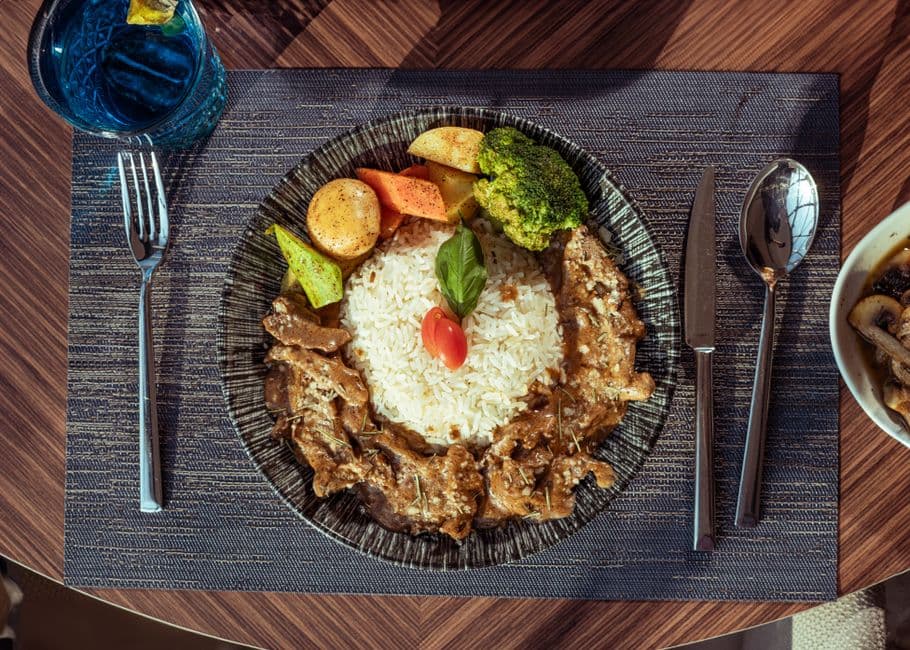
Classic Beef Stroganoff
Russia's most famous export — tender strips of beef sautéed with mushrooms and onions in a silky sour cream sauce, served over egg noodles or rice.
35 min490 kcalEasy
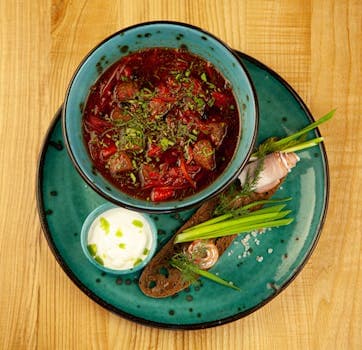
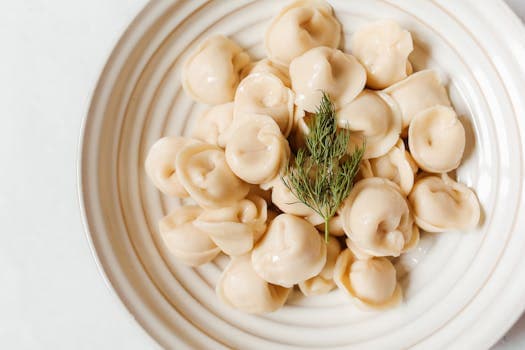
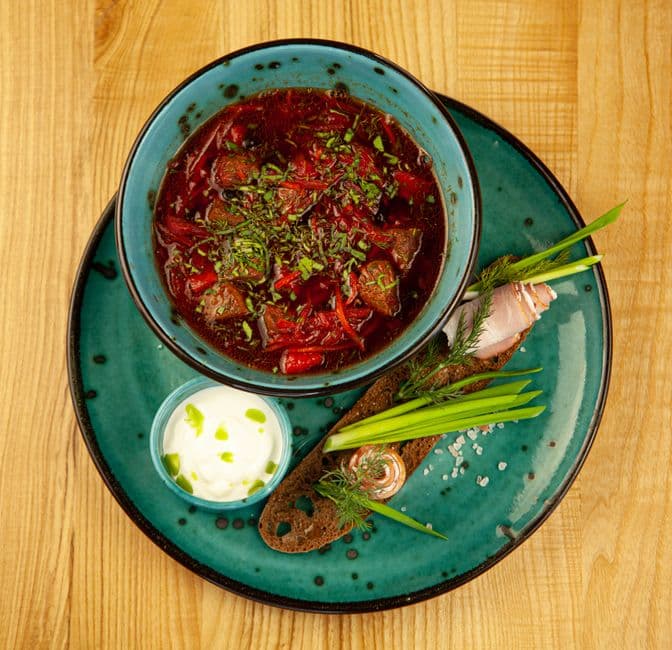
Beef stroganoff, borscht, pelmeni — rich and warming Eastern European cuisine.
More recipes built around the same core ingredients.
Track what you eat
Snap your meal to log calories and macros, run fasting timers and track water in the free SnapCal app.
Plan your meals, track fasting and build your grocery list — free
MyCookingCalendar's dashboard runs right in your browser, no download needed.
Russian cuisine was engineered by climate: a short growing season and long winters built a kitchen around rye bread, preserved vegetables, kasha (buckwheat porridge), and the masonry stove — the pech — whose slow, falling heat shaped a national preference for braises, baked porridges, and soups over frying. Lacto-fermentation is everywhere: sauerkraut, brined (not vinegared) pickles, and kvass, the fermented rye-bread drink that doubles as the base for cold okroshka soup in summer.
The repertoire splits between peasant and aristocratic lines. The peasant canon gives shchi (cabbage soup), borscht (shared with Ukraine, where it originated), pelmeni dumplings from the Urals, and bliny served with smetana. The 19th-century aristocracy, employing French chefs, produced beef Stroganoff, sharlotka, and the layered salads — Olivier salad above all — that still dominate the New Year's Eve table, the most important food holiday of the Russian year.
Home cooking remains soup-forward — a proper midday meal starts with a hot soup nearly year-round — and dill-saturated, with smetana (sour cream) spooned into everything from borscht to pelmeni. The zakuski tradition of cold appetizers (pickles, cured fish, salads) accompanying vodka structures festive meals, and tea from the samovar with varenye (fruit preserves) closes them, a ritual dating to the 17th-century arrival of tea via trade with China.
Soups
Borscht, shchi, solyanka, and ukha anchor the daily meal; a hot soup course at lunch remains standard in Russian households year-round.
Fermentation and pickling
Brine-fermented cucumbers, sauerkraut, and kvass reflect a preservation tradition that supplies acidity and vitamins through winter.
Pelmeni and filled doughs
Siberian meat dumplings, vareniki, and pirozhki — baked or fried stuffed buns — form a vast filled-dough family across the former empire.
Kasha and rye
Buckwheat kasha and dense rye sourdough bread are the historic carbohydrate backbone, baked in the slow heat of the traditional pech stove.
Smetana and dairy
Sour cream finishes soups, dresses dumplings, and enriches baking; tvorog (farmer cheese) fills syrniki pancakes and vatrushka buns.
Zakuski table
The spread of cold appetizers — pickles, herring, Olivier salad, cured fish — opens festive meals and traditionally accompanies vodka.
Russian cuisine is known for hearty soups like borscht and shchi, pelmeni dumplings, beef Stroganoff, bliny with sour cream or caviar, and a strong tradition of pickling and fermentation. It is cold-climate comfort food built on rye bread, buckwheat, potatoes, dill, and smetana, with festive rituals like the zakuski appetizer table and the New Year's Olivier salad.
Borscht is the beet-based soup, originally Ukrainian, typically including cabbage, potatoes, and often beef, served with smetana and dill. Shchi is Russia's older native cabbage soup, made from fresh cabbage in summer or sauerkraut (then called sour shchi) in winter, with no beets. Both are everyday soups, but shchi predates borscht in Russian kitchens by centuries.
Common breakfasts are kasha — buckwheat, oat, or semolina porridge with butter — syrniki (fried farmer-cheese pancakes with smetana or jam), bliny, or simply bread with butter, cheese, and kolbasa. Tea, not coffee, is the traditional morning drink. Eggs appear as omelets or soft-boiled. Breakfast tends to be substantial, reflecting the pattern of a large midday meal.
Olivier salad is assembly, not cooking: boiled potatoes, carrots, eggs, pickles, peas, and mayonnaise. Syrniki need just farmer cheese, egg, flour, and a pan. Beef Stroganoff is a 30-minute sauté with sour cream sauce. A pot of borscht teaches the layered soup method and improves overnight. Pelmeni from scratch is a worthwhile weekend project, traditionally made in big batches and frozen.
No. Traditional Russian cooking avoids chili heat almost entirely; flavor comes from dill, garlic, black pepper, bay leaf, horseradish, and mustard — the latter two providing pungency rather than capsaicin heat. Sourness from fermented pickles, sauerkraut, and smetana is the dominant accent. Spicier dishes found in Russia, like Georgian kharcho or Central Asian plov seasonings, are borrowed from neighboring cuisines.
Calculators and converters that pair with this page — no signup needed.