TrendingNewSoup
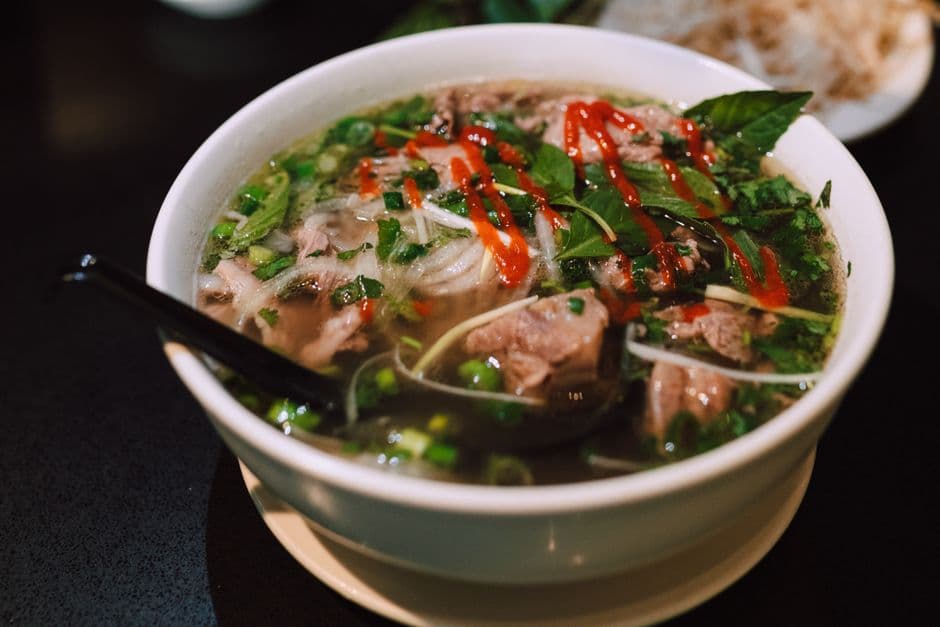
Authentic Vietnamese Pho Bo
Vietnam's legendary beef noodle soup — a deeply aromatic broth of charred ginger, star anise and cinnamon, with silky rice noodles and rare sliced beef.
240 min420 kcalHard
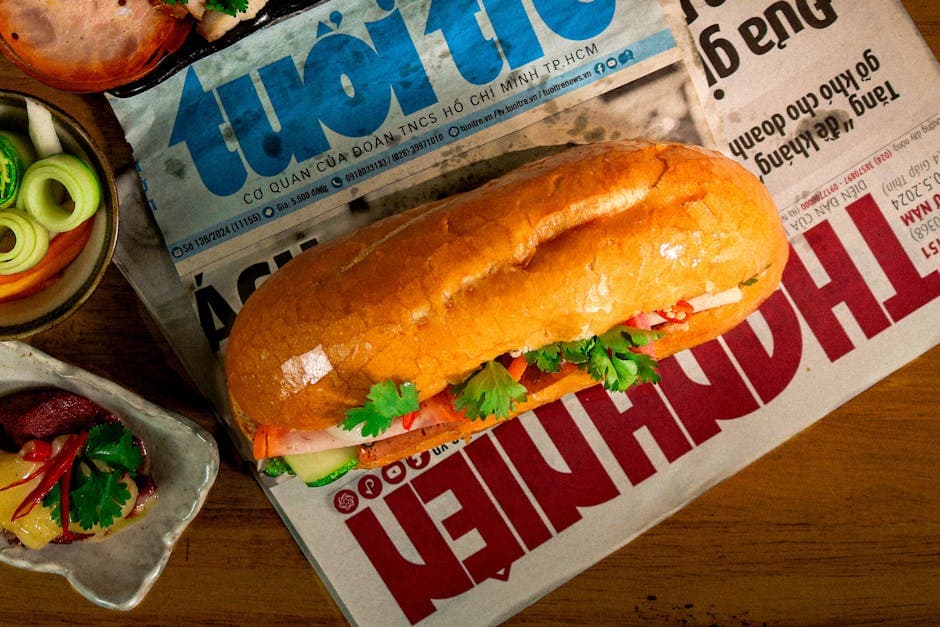
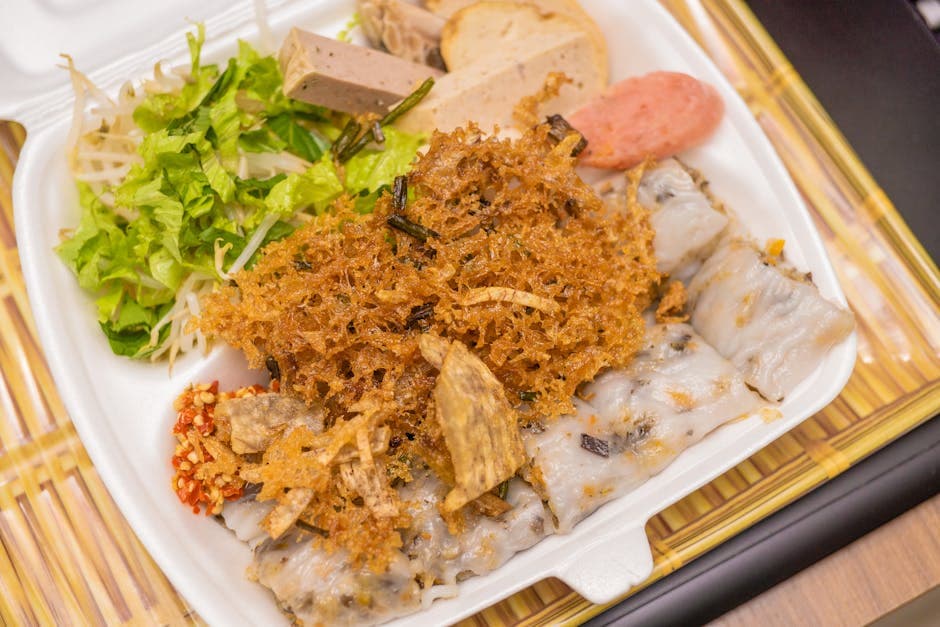
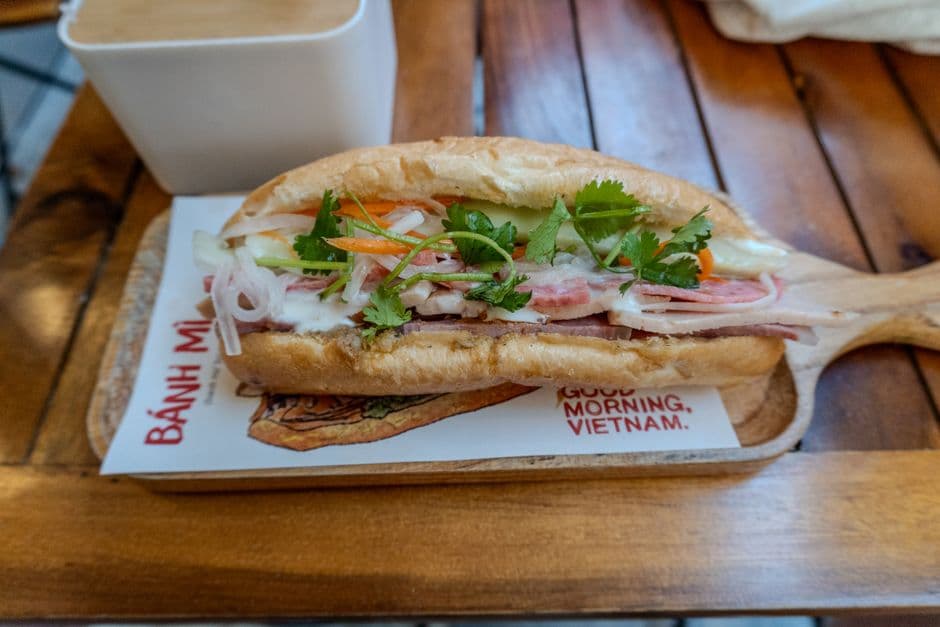
Pho, bánh mì, fresh spring rolls — light, fresh and fragrant.
More recipes built around the same core ingredients.
Track what you eat
Snap your meal to log calories and macros, run fasting timers and track water in the free SnapCal app.
Plan your meals, track fasting and build your grocery list — free
MyCookingCalendar's dashboard runs right in your browser, no download needed.
Asian Cuisine Recipes: Complete Guide to Chinese, Japanese, Thai & More
Discover authentic Asian cooking with 50+ recipes from China, Japan, Thailand, Vietnam, Korea, and India. Learn techniques, ingredients, and how to recreate restaurant-quality Asian dishes at home.
Vietnamese Cuisine: 30 Fresh & Light Recipes
Discover Vietnamese cooking with 30 recipes emphasizing fresh herbs, light preparations, and bold flavors.
14 Real Recipes With 5 Ingredients or Less
14 well-rated recipes from around the world that use five ingredients or fewer — proof that a short ingredient list doesn't mean a compromise on flavor.
Vietnamese cuisine reflects a thousand years of Chinese rule, a century of French colonization, and a deeply indigenous herb-and-rice culture. From China came noodles, chopsticks, stir-frying, and soy; from France came the baguette that became banh mi, pâté, and coffee culture. Yet the cuisine's soul is its own: nuoc mam fish sauce fermented along the central coast, mountains of fresh herbs served raw at the table, and an insistence on lightness — broths are clarified, fats are minimal, and raw vegetables accompany nearly everything.
The country's three regions cook differently. Northern food, centered on Hanoi, is the most restrained: pho originated here, its beef broth seasoned with charred ginger, onion, star anise, and cinnamon, garnished sparingly. Central Vietnam, around the old imperial capital Hue, makes the spiciest and most elaborate food — bun bo Hue with lemongrass and chili oil, and intricate royal small plates. The Mekong south sweetens dishes with palm sugar and coconut, piles plates with herbs, and produces canh chua sour soup and caramelized clay-pot fish.
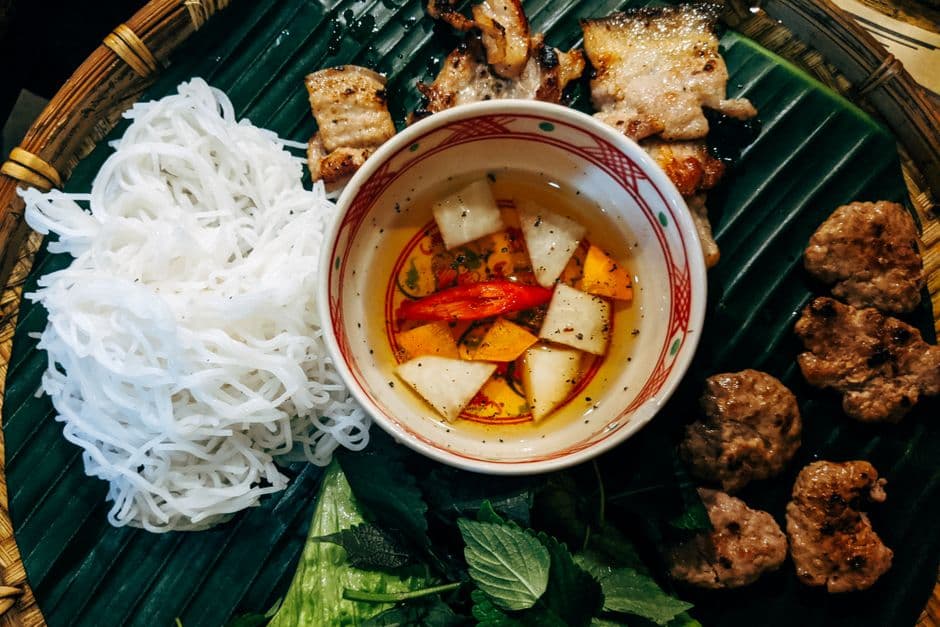
Home cooking revolves around nuoc cham, the dipping sauce balancing fish sauce, lime, sugar, garlic, and chili that accompanies spring rolls, grilled meats, and rice plates. Cooks master rice in many forms — steamed, in rice paper for goi cuon rolls, as vermicelli for bun dishes, and as banh xeo crepes. The herb plate of mint, cilantro, perilla, and Thai basil is not garnish but an integral course, wrapped and torn into each bite.
Fish Sauce and Nuoc Cham
Fermented anchovy nuoc mam seasons nearly everything, and its lime-sugar-garlic dipping sauce form accompanies most meals.
Pho and Noodle Soups
Long-simmered, spice-charred broths over rice noodles — pho, bun bo Hue, hu tieu — are eaten from breakfast onward.
Fresh Herb Platters
Mint, perilla, Thai basil, and cilantro are served raw in quantity, wrapped into rolls and torn into soups at the table.
Rice in Every Form
Steamed rice, vermicelli bun, rice paper wrappers, and banh xeo crepes show rice as the cuisine's structural foundation.
French Colonial Legacy
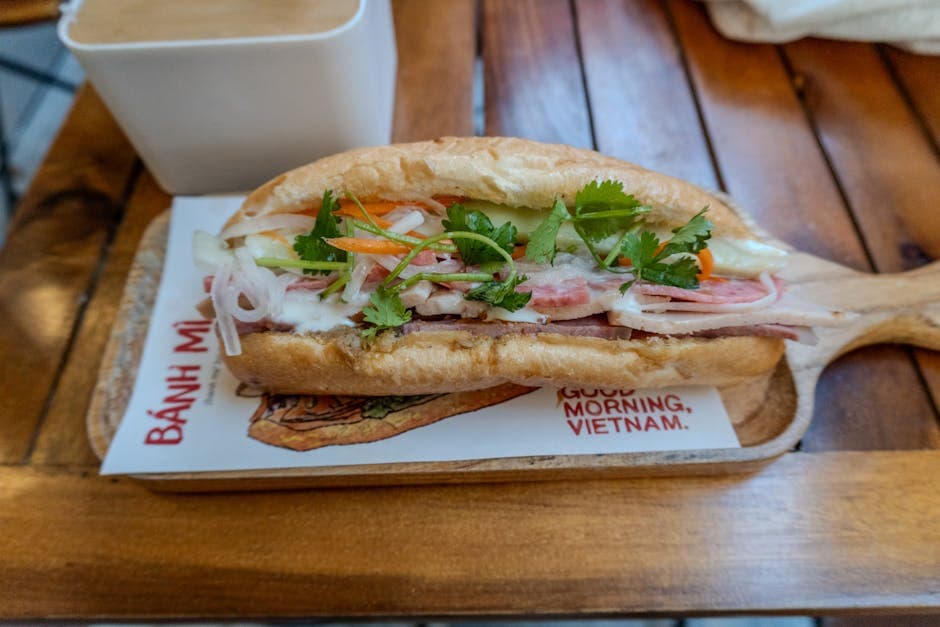
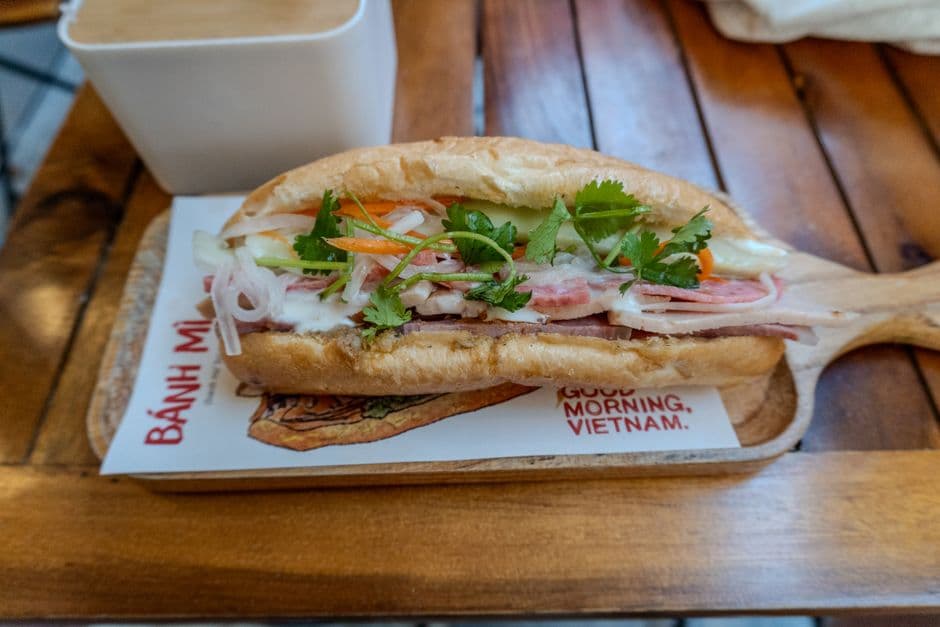
Banh mi baguettes, pâté, flan, and robusta coffee with condensed milk descend directly from the colonial era.
Grilling and Caramel Sauce
Charcoal-grilled lemongrass pork and clay-pot dishes braised in bittersweet caramel (nuoc mau) define everyday savory cooking.
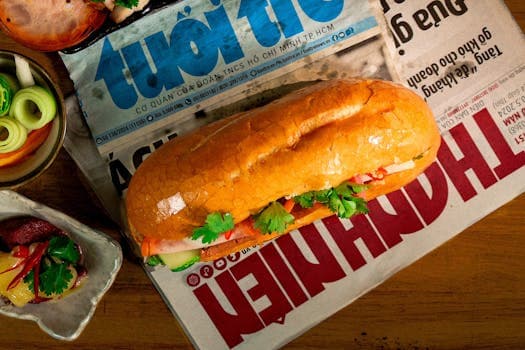
Vietnamese food is known for pho noodle soup, banh mi sandwiches, fresh spring rolls (goi cuon), and its signature balance of fish sauce, lime, fresh herbs, and chili. The cuisine is notably light — broths are clear, raw vegetables and herbs accompany most dishes, and frying is used sparingly compared to neighboring cuisines.
Thai food leans on coconut milk, curry pastes, and pronounced sweet-hot intensity; Vietnamese food is lighter, rarely uses coconut milk in savory dishes outside the south, and emphasizes clear broths and raw herbs. Vietnamese cooking shows stronger Chinese and French influence — noodle soups, baguettes, pâté — while Thai flavor builds on pounded pastes and shrimp paste.
Mostly no. Heat is typically optional and added at the table — sliced chilies, chili oil, or sriracha alongside pho. Central Vietnamese food, especially bun bo Hue, is the spicy exception. The default flavor profile is balanced and fresh: fish sauce salt, lime sourness, slight sweetness, and abundant herbs rather than chili heat.
Start with goi cuon summer rolls — no cooking beyond poaching shrimp, plus practice making nuoc cham. Thit kho, pork braised in caramel sauce and coconut water, is a forgiving one-pot classic. Bun thit nuong (grilled lemongrass pork over vermicelli) assembles easily. Save pho for later; its broth rewards experience.
Fish sauce is non-negotiable — a quality brand like those from Phu Quoc makes a real difference. Add rice noodles, rice paper, jasmine rice, soy sauce, sugar, limes, garlic, shallots, and lemongrass. Star anise, cinnamon, and charred ginger build pho broth. Fresh mint, cilantro, and Thai basil complete the herb platter.
Calculators and converters that pair with this page — no signup needed.