
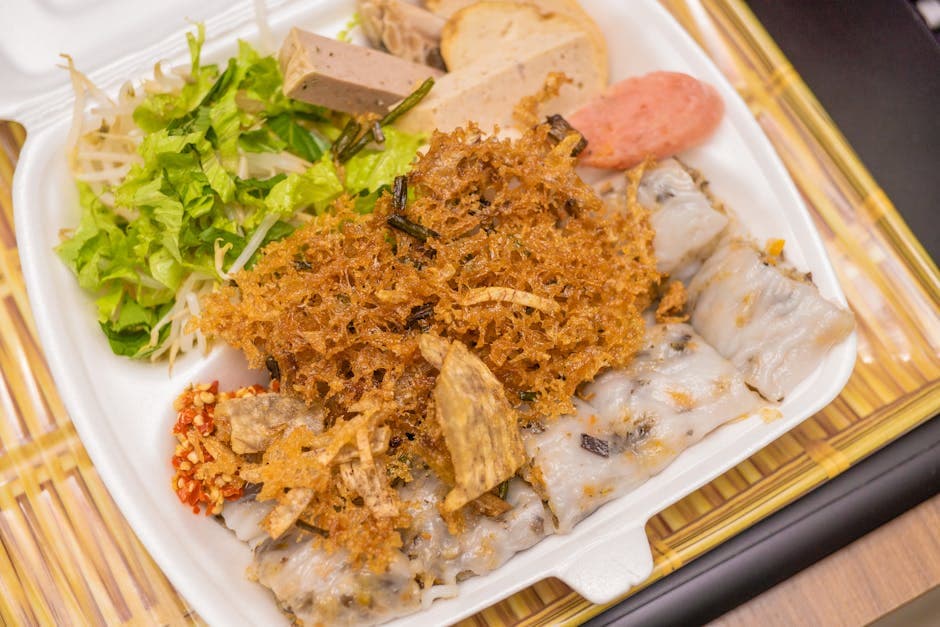
Gỏi Cuốn (Vietnamese Fresh Spring Rolls with Peanut Sauce)
Vietnam's iconic fresh rice paper rolls packed with prawns, rice vermicelli, herbs and crunchy vegetables — served with a rich peanut hoisin dipping sauce. Light, healthy and beautiful.
About This Recipe
Gỏi cuốn (literally 'salad rolls') are the antithesis of deep-fried spring rolls — fresh, bright, and packed with raw vegetables, herbs, and protein wrapped in soft rice paper. They are one of Vietnam's most internationally recognised dishes, beloved for their clean flavours and the interactive experience of rolling them yourself. Authentic gỏi cuốn are filled with a specific architecture: lettuce to line the bottom, rice vermicelli, shredded herbs (mint, Thai basil, perilla), bean sprouts, cucumber, and protein (usually prawns and pork belly, or just one of the two). The characteristic feature is two or three prawns placed on the bottom of the wrapper so they show through the transparent rice paper, creating the beautiful presentation associated with the dish. The peanut hoisin dipping sauce is rich and slightly sweet, balancing the freshness of the rolls. Rooted in the everyday cooking of Vietnamese kitchens, Gỏi Cuốn (Vietnamese Fresh Spring Rolls with Peanut Sauce) balances technique and tradition: the rice paper wrappers (22cm) is treated with care, drawing on time-honoured ratios that locals have refined across generations. The dish carries an unmistakable sensory signature — aromas that fill the kitchen as it cooks, layered textures that reveal themselves bite by bite, and a depth of flavour that comes from patient seasoning rather than shortcuts. Whether served as a weeknight starter or as the centrepiece of a celebratory table, it reflects a regional pantry where local produce, seasoning habits and cooking vessels shape the final result. Home cooks who make this dish often note how forgiving it is once the core method is understood, and how a few small choices — the freshness of the rice paper wrappers (22cm), the order of additions, the resting time at the end — separate a good version from a memorable one. This recipe walks through those choices so the dish arrives with the character it has on its home turf.
Ingredients
Serves 4
- 12rice paper wrappers (22cm)
- 300 glarge cooked prawns, halved lengthways
- 200 gpork belly, boiled 30 minutes, cooled, thinly sliced(optional)
- 100 grice vermicelli (bún), cooked, drained, cooled
- 1head butter lettuce, leaves separated
- 100 gbean sprouts
- 1cucumber, cut into thin matchsticks
- 40 gfresh mint leaves
- 40 gfresh Thai basil leaves
- 20 gfresh perilla (shiso) or coriander leaves
- Peanut Hoisin Dipping Sauce
- 4 tbsphoisin sauce
- 2 tbsppeanut butter (smooth)
- 2 tbspwater
- 1 tbsprice vinegar
- 1 clovegarlic, minced
- 2 tbspcrushed roasted peanuts, to garnish
Instructions
- 1
Make the dipping sauce
Whisk hoisin, peanut butter, water, rice vinegar and garlic until smooth. Add more water to thin if needed. Top with crushed peanuts. Set aside.
- 2
Set up your rolling station
Arrange all filling ingredients in separate bowls or plates. Fill a wide, shallow dish with warm water (not hot) for soaking rice paper.
- 3
Soak the rice paper
Submerge one rice paper wrapper in warm water for 15–20 seconds. It should be pliable but still slightly firm (it softens further as you roll). Lay flat on a clean, damp cloth.
- 4
Layer the filling
In the lower third of the wrapper: place 2–3 prawn halves cut-side up (they'll show through the wrapper). Add a few slices of pork belly if using. Leave a 3 cm border on each side.
- 5
Add remaining filling
Layer lettuce on top of the prawns, then a small bundle of vermicelli, cucumber, bean sprouts, and herbs.
- 6
Roll tightly
Fold the bottom of the wrapper up over the filling. Fold in both sides. Roll forward firmly and tightly — loose rolls fall apart. Cut in half on a diagonal to show the prawn through the wrapper. Repeat with remaining ingredients.
Did you make this?
Rate it and help other cooks find the recipes that actually work.
One tap to sign in, and we'll save the rating you just picked.
Everything you need to plan your week — free
- Meal calendar
- Grocery list
- AI recipe ideas
Cook this hands-free
Get AI meal plans, step-by-step cooking mode, and your saved recipes in the free Bento app.
Pro Tips
- →
Don't over-soak the rice paper — slightly underdone is better than too soft, which tears.
- →
Roll on a damp surface (damp cloth or board) — dry surfaces cause sticking.
- →
Serve within 30 minutes of rolling — rice paper hardens if left too long.
- →
Source the freshest rice paper wrappers (22cm) you can find — it is the flavour anchor of the dish.
- →
Season in layers as you go; tasting at each stage prevents a flat or over-salted final result.
Variations
- •
Tofu gỏi cuốn: replace prawns and pork with crispy baked tofu for a vegan version.
- •
Bò bía (Teochew-style): filled with jicama, eggs, lap cheong sausage and dried shrimp — a Chinese-Vietnamese variant.
- •
Gỏi cuốn chay (vegetarian): replace fish sauce in any accompanying sauce with soy sauce and extra lime.
- •
Vegetarian: replace the main protein with mushrooms, paneer, tofu or hearty beans for a meat-free version.
- •
Spicier: add fresh chilli, a chilli paste or a pinch of cayenne with the aromatics for a warmer profile.
Storage
Best eaten immediately after rolling. If making ahead, cover tightly with damp paper towels and cling film to prevent hardening. Do not refrigerate — rice paper becomes stiff when cold.
History & Origin
Gỏi cuốn originated in southern Vietnam, particularly in Ho Chi Minh City (Saigon) and the Mekong Delta, where rice paper production was historically concentrated. The dish spread globally with the Vietnamese diaspora following the 1970s and became one of the first Vietnamese foods to achieve mainstream international recognition.
Frequently Asked Questions
Can I make Gỏi Cuốn (Vietnamese Fresh Spring Rolls with Peanut Sauce) ahead of time?
Yes — most components hold well in the fridge for a day or two. Reheat gently with a splash of liquid to bring it back to life.
What can I substitute for rice paper wrappers (22cm)?
If rice paper wrappers (22cm) is hard to find, the closest substitutes share its texture and water content. Adjust seasoning slightly since substitutes often carry less character of their own.
Is this recipe authentic to Vietnamese cooking?
It follows the most widely accepted home-cook template. Regional variants exist and we note the main ones in the variations section.
Why did my version turn out bland?
Usually under-seasoning or rushing the aromatic stage. Build flavour in layers, taste as you go, and finish with a touch of acid or salt to brighten the dish.
Nutrition Facts
Per serving · 4 servings total
Time Summary
Have Questions?
Ask our AI cooking assistant anything about this recipe — substitutions, techniques, scaling.
Chat with AI Chef →Featured in Guides
This recipe is featured in the following curated guides:
More Vietnamese Recipes
You Might Also Like
Similar dishes from other cuisines around the world.
Browse by Ingredient
More recipes built around the same core ingredients.
Free Kitchen Tools
Calculators and converters that pair with this page — no signup needed.
Put This Into a Plan
Schedule it, shop for it, and track what you already have.
Read Next
Longer reads that go deeper on the ideas behind this dish.
Community
Join the conversation
Sign in to leave a comment and save your favourite recipes