TrendingSnacks
Perfect Lebanese Hummus from Scratch
Ultra-smooth chickpea hummus with tahini, lemon and garlic, blended the long, patient way it's made in Beirut.
80 min280 kcalEasy
Hummus, falafel, kibbeh and the jewels of Levantine cuisine.
More recipes built around the same core ingredients.
Track what you eat
Snap your meal to log calories and macros, run fasting timers and track water in the free SnapCal app.
Plan your meals, track fasting and build your grocery list — free
MyCookingCalendar's dashboard runs right in your browser, no download needed.
Mediterranean Diet: Complete Recipe Guide & Benefits
Explore the Mediterranean diet with 50+ authentic recipes from Greece, Italy, Spain, and the Middle East. Learn the health benefits and how to cook Mediterranean at home.
Middle Eastern & Levantine Recipes: Complete Guide
Explore the rich flavors of Middle Eastern and Levantine cooking with 40+ authentic recipes from Lebanon, Syria, Palestine, Jordan, and beyond. Learn traditional cooking methods and create restaurant-quality dishes at home.
Mediterranean Diet Meal Plan: 7 Days for Beginners
A 7-day Mediterranean diet meal plan for beginners: breakfast, lunch, dinner and snacks linked to tested recipes, one shopping list and daily macros.
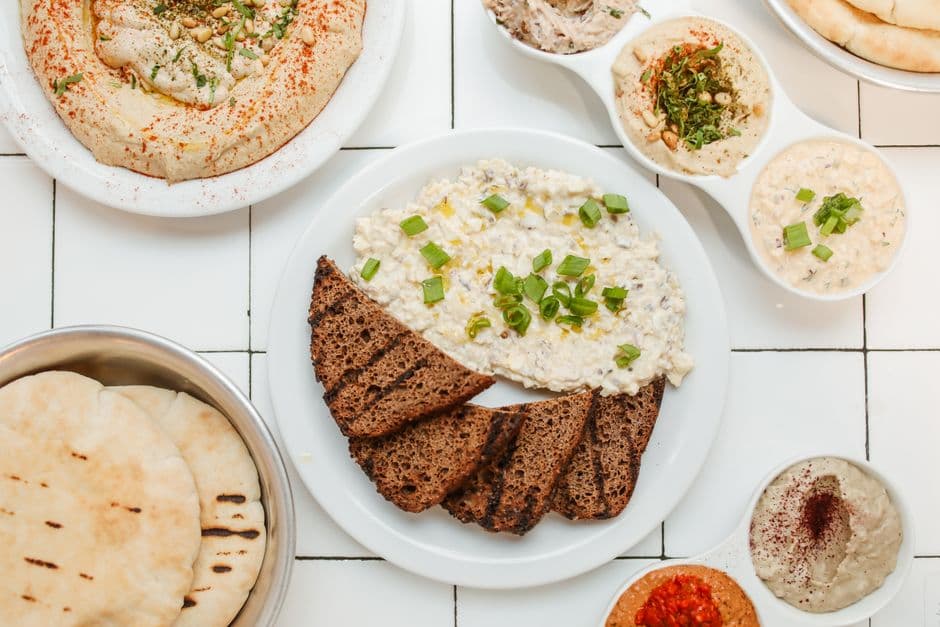
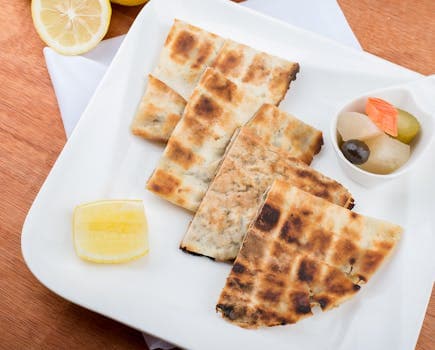
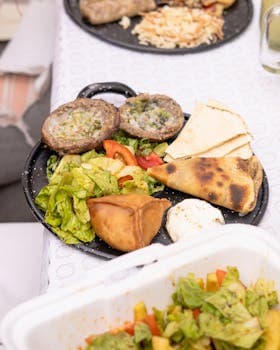
Lebanese cuisine is the most internationally visible branch of Levantine cooking, carried worldwide by waves of emigration since the late 1800s — there are more Lebanese abroad than in Lebanon. Its ancient layers run from Phoenician olive and wine culture through Arab, Ottoman, and a brief French Mandate influence (visible in the café and pastry culture of Beirut). The cuisine's engine is the meze table: dozens of small plates — hummus, moutabal, tabbouleh, kibbeh, fattoush — designed for long, shared meals.
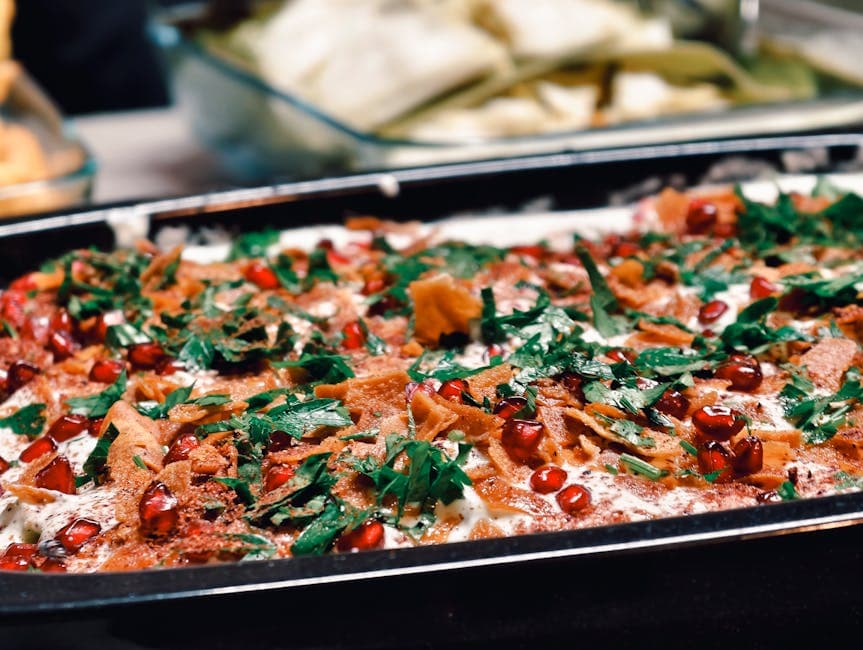
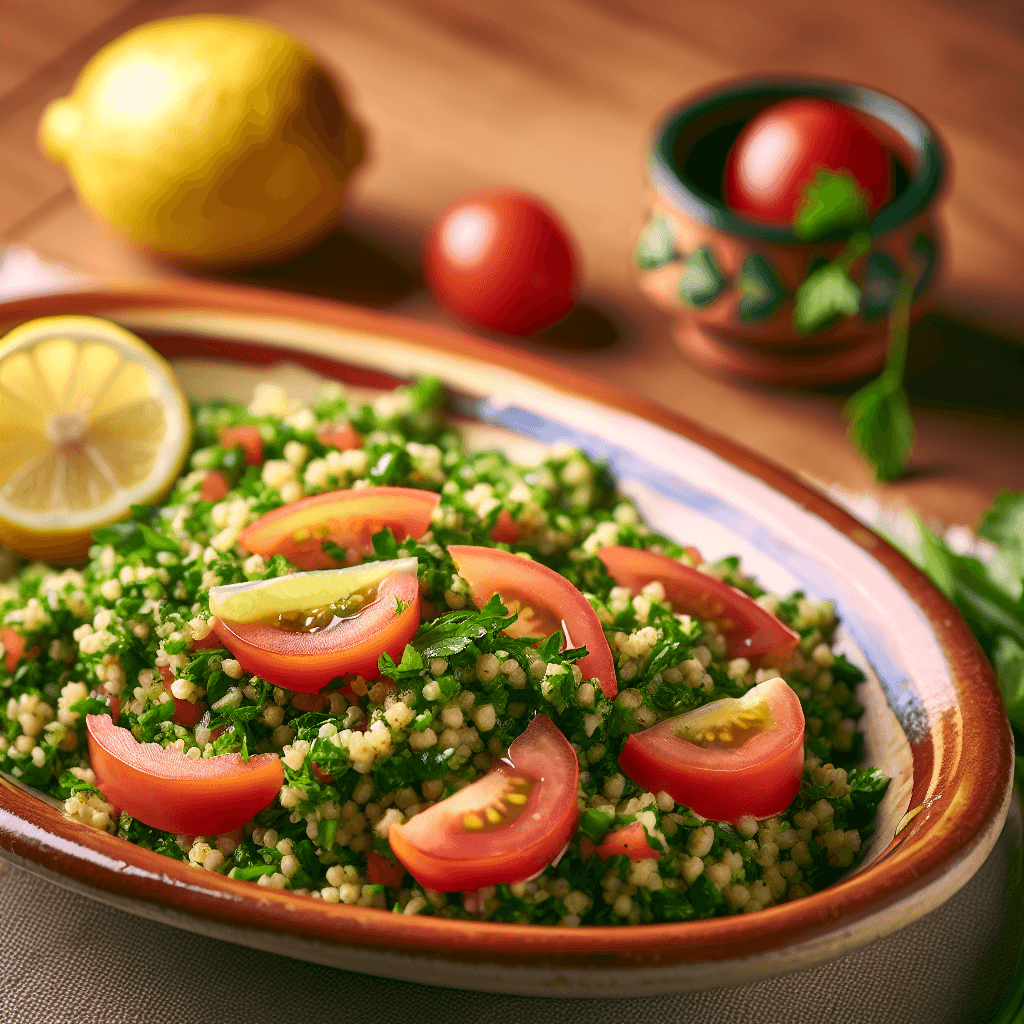
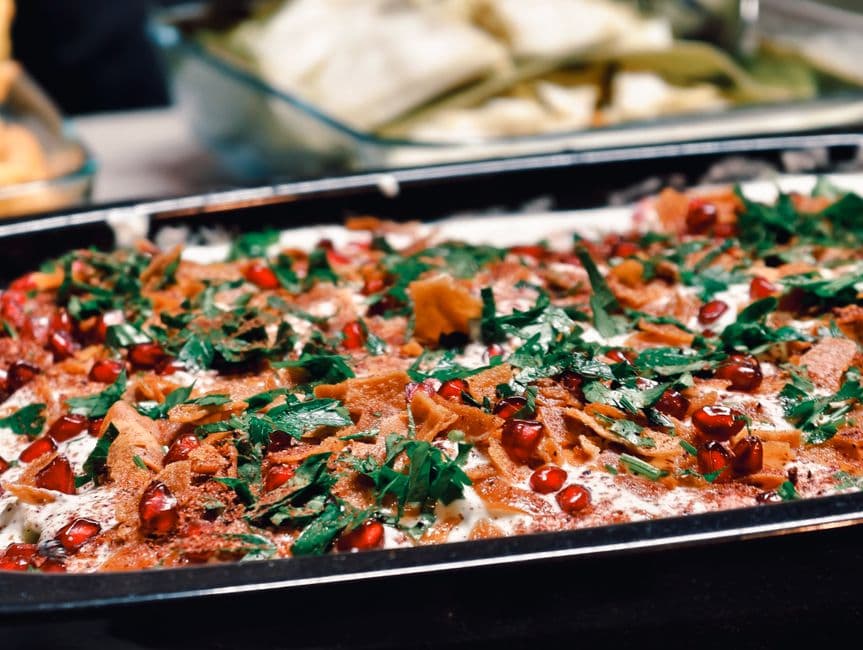
The flavor signature is bright and herbal rather than heavily spiced: lemon juice, garlic, extra-virgin olive oil, flat-leaf parsley and mint in quantity, sumac for tartness, and the za'atar blend of wild thyme, sesame, and sumac. Pomegranate molasses supplies sweet-sour depth to fattoush and muhammara. Tabbouleh is instructive: the Lebanese version is overwhelmingly parsley with only a little bulgur — the inverse of most Western adaptations.
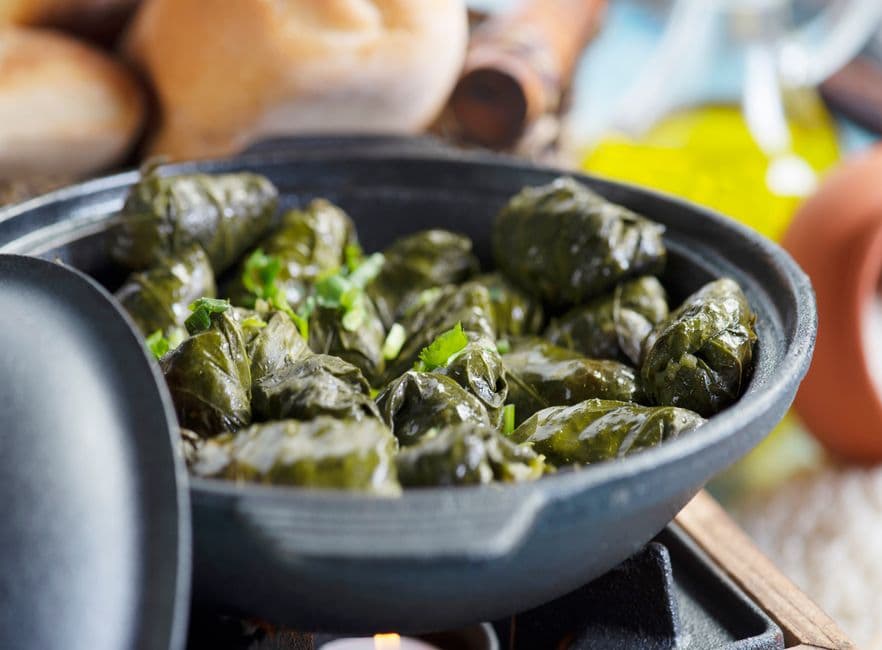
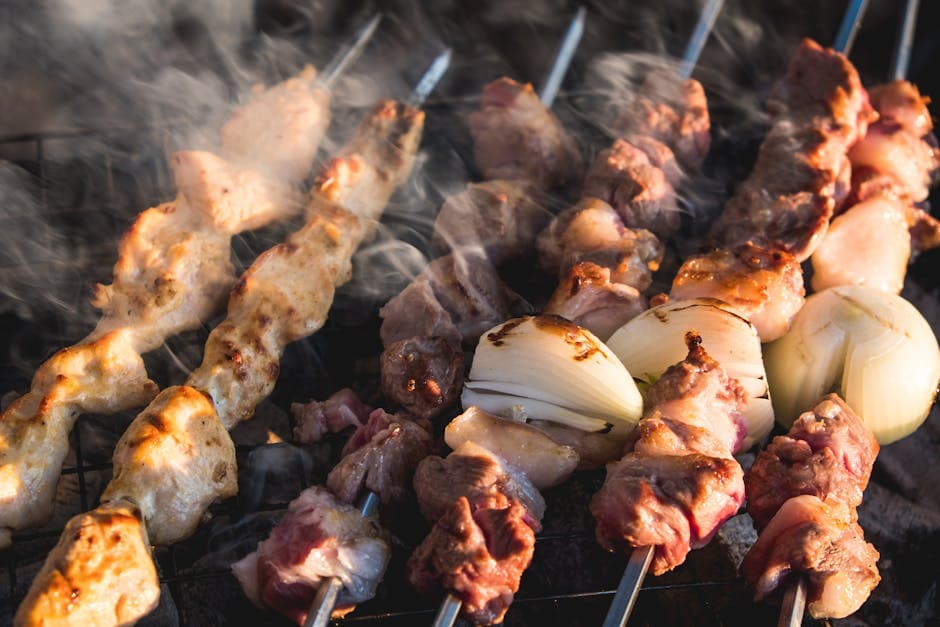
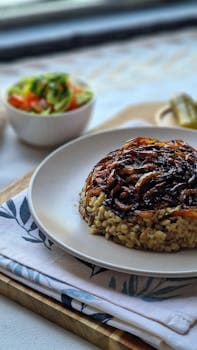
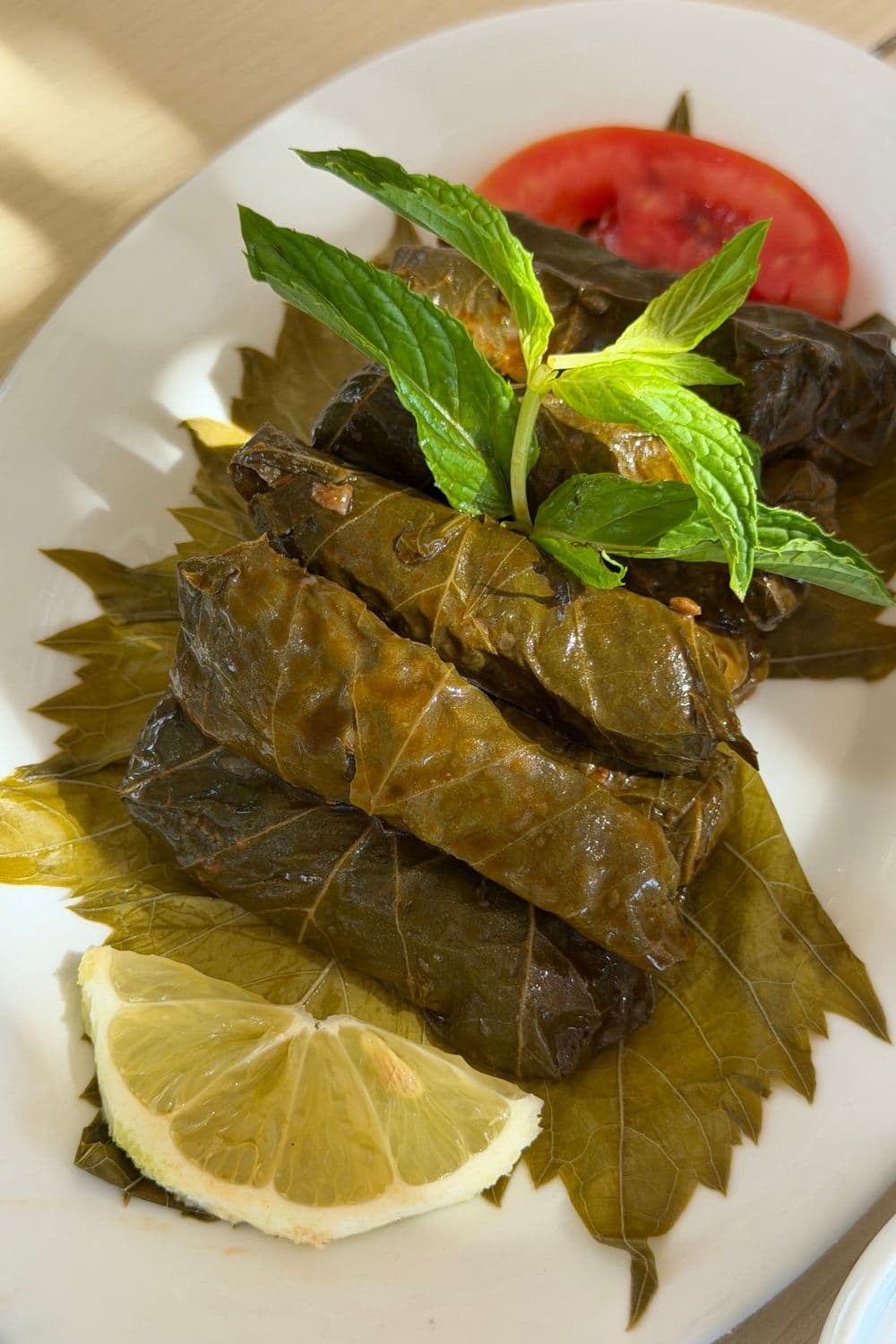
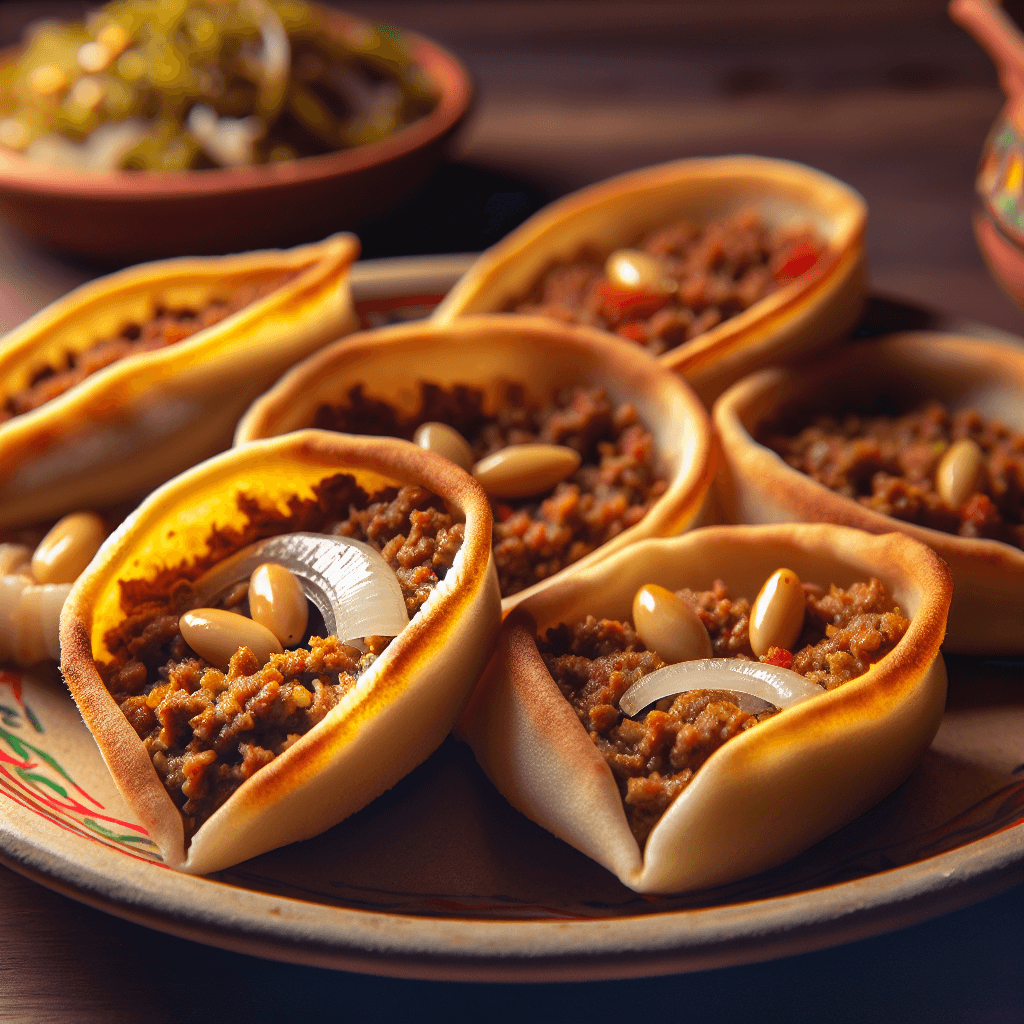
Daily cooking distinguishes between meze and home food. Family tables center on dishes rarely seen in restaurants abroad: mujadara (lentils and rice with caramelized onions), warak enab (stuffed vine leaves), yakhne vegetable stews over rice, and kibbeh in many forms — Lebanon's national dish of pounded bulgur and meat, served raw (kibbeh nayyeh), fried, or baked in trays. Laban (yogurt) and labneh appear at nearly every meal, and Sunday gatherings around a grill of shish taouk and kafta are an institution.
Meze
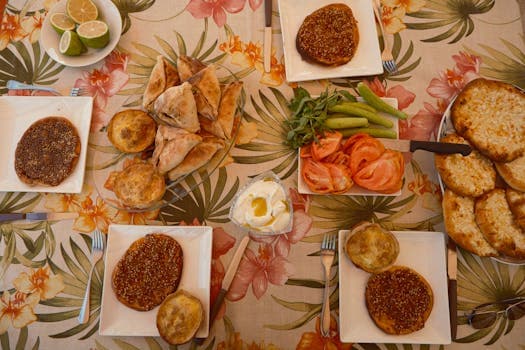
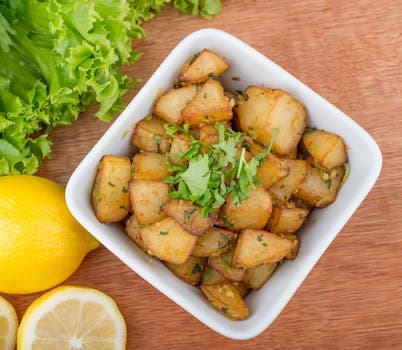
The shared-table format of small plates — hummus, moutabal, fattoush, kibbeh — defines Lebanese eating, often stretching to dozens of dishes.
Kibbeh
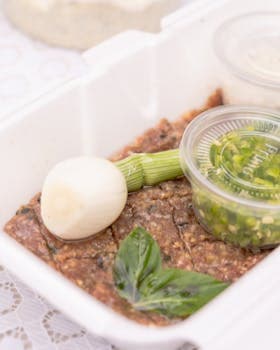
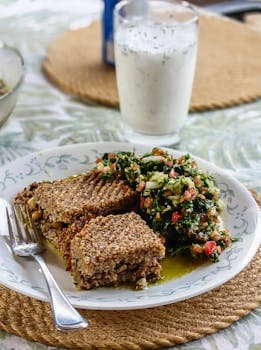
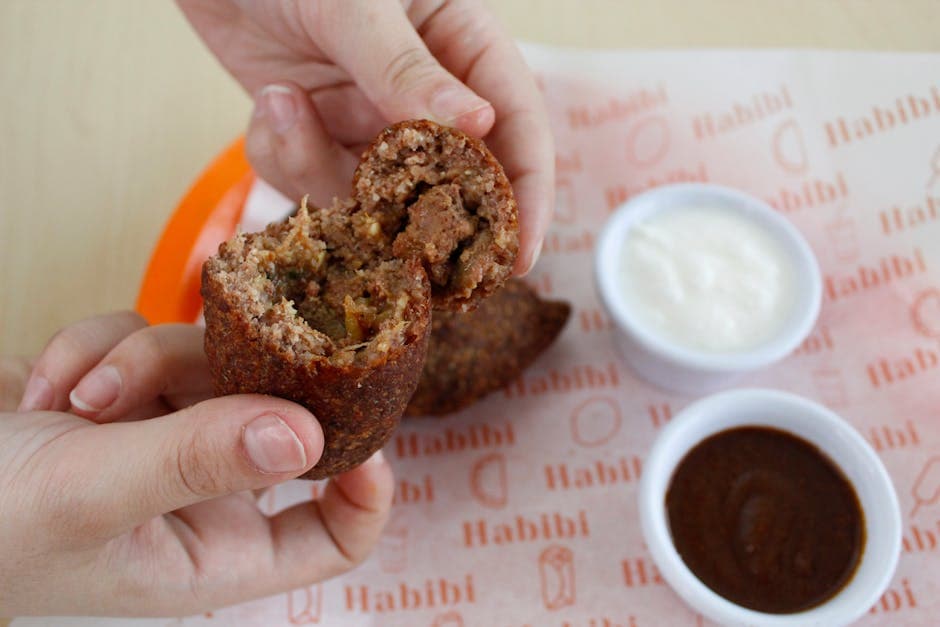
The national dish of fine bulgur pounded with meat and onion appears raw, fried as torpedo-shaped croquettes, or layered and baked in trays.
Fresh herbs and lemon
Parsley, mint, garlic, and lemon juice in generous quantities give Lebanese food its bright profile; tabbouleh is essentially a parsley salad.
Za'atar and sumac
The wild-thyme, sesame, and sumac blend tops manousheh flatbreads, while sumac alone provides the tartness in fattoush and grilled meats.
Labneh and laban
Strained yogurt eaten with olive oil at breakfast, and yogurt used in cooking (laban immo), make fermented dairy a daily constant.
Pomegranate molasses
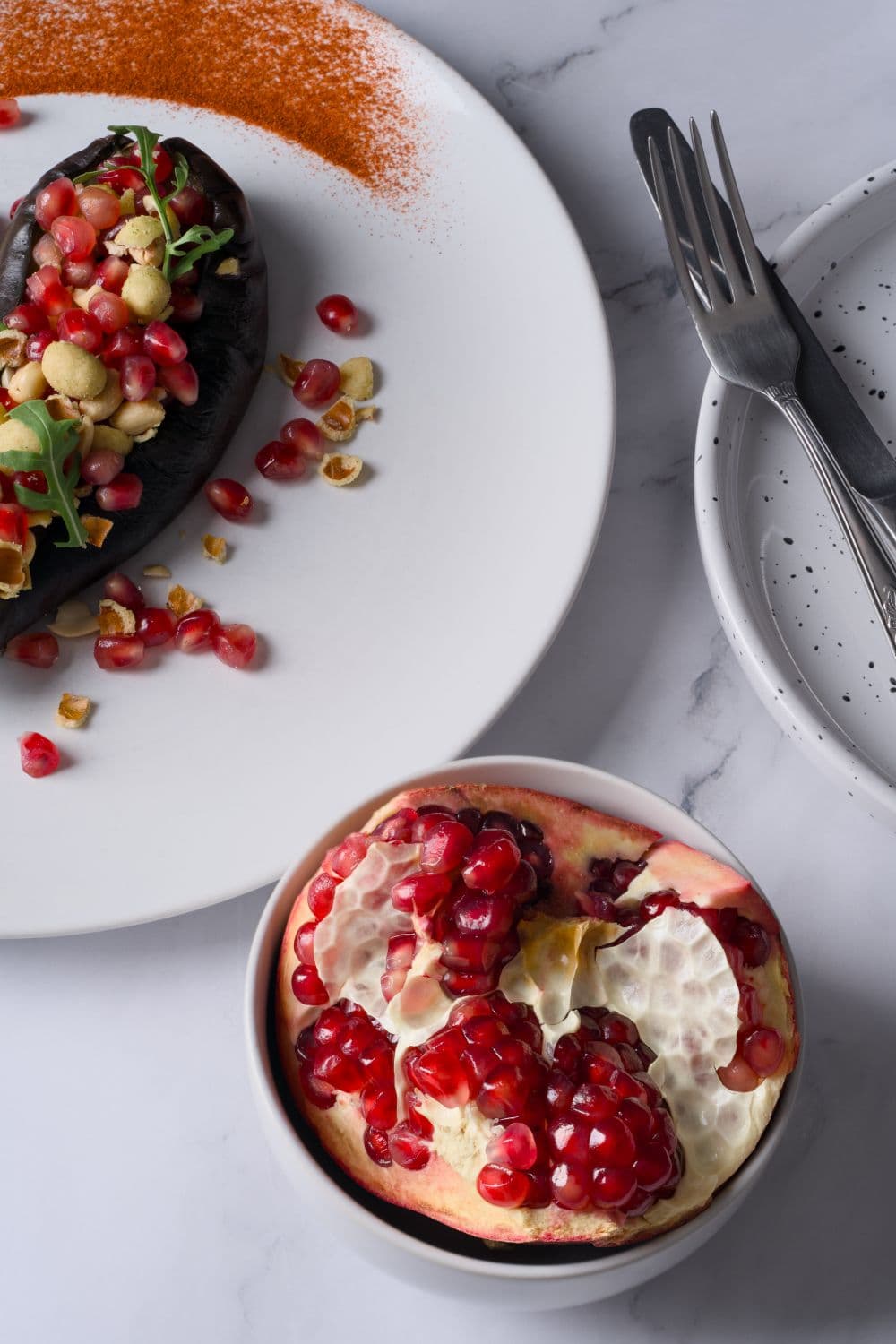
Reduced pomegranate juice adds sweet-sour depth to muhammara, fattoush dressing, and stuffed vegetable fillings.
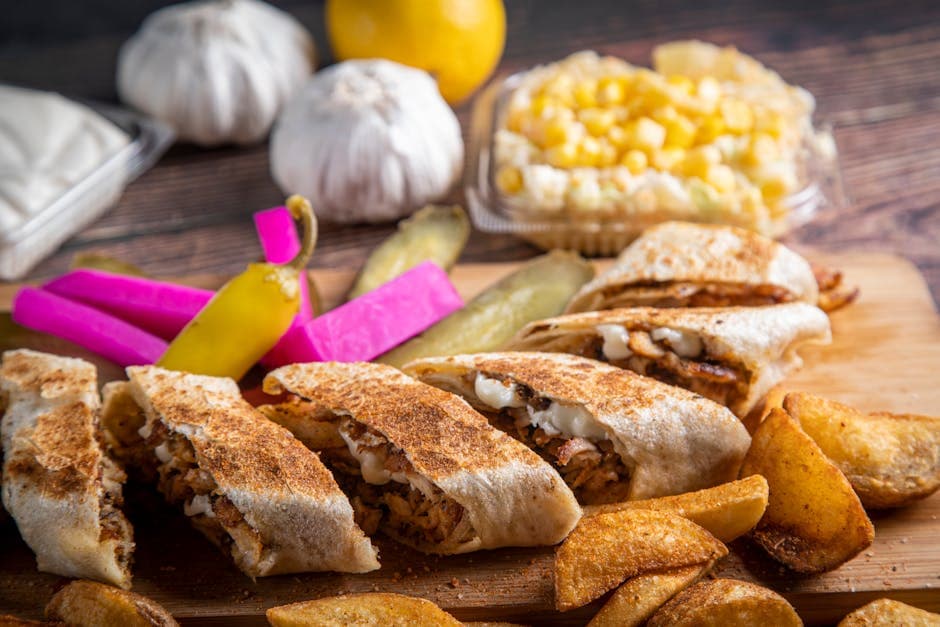
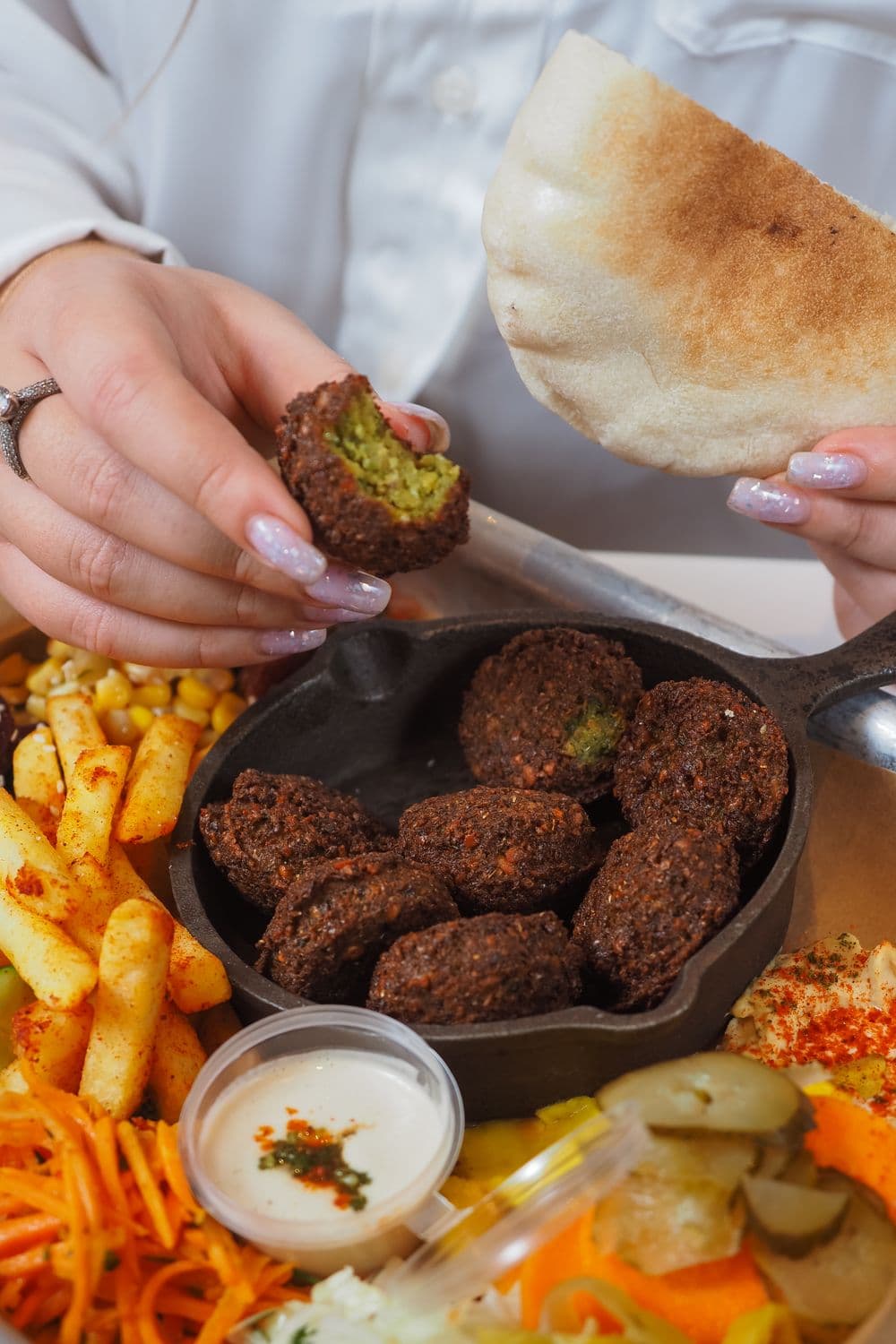
Lebanese cuisine is known for the meze tradition — hummus, tabbouleh, fattoush, moutabal, and kibbeh served as shared small plates — plus grilled shish taouk, falafel, and shawarma. Its signature is freshness: lemon, garlic, olive oil, and heaps of parsley and mint, with za'atar and sumac for seasoning. It is the most widely exported Middle Eastern cuisine, spread by a large diaspora.
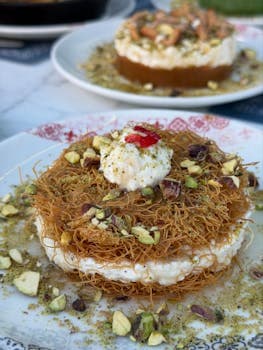
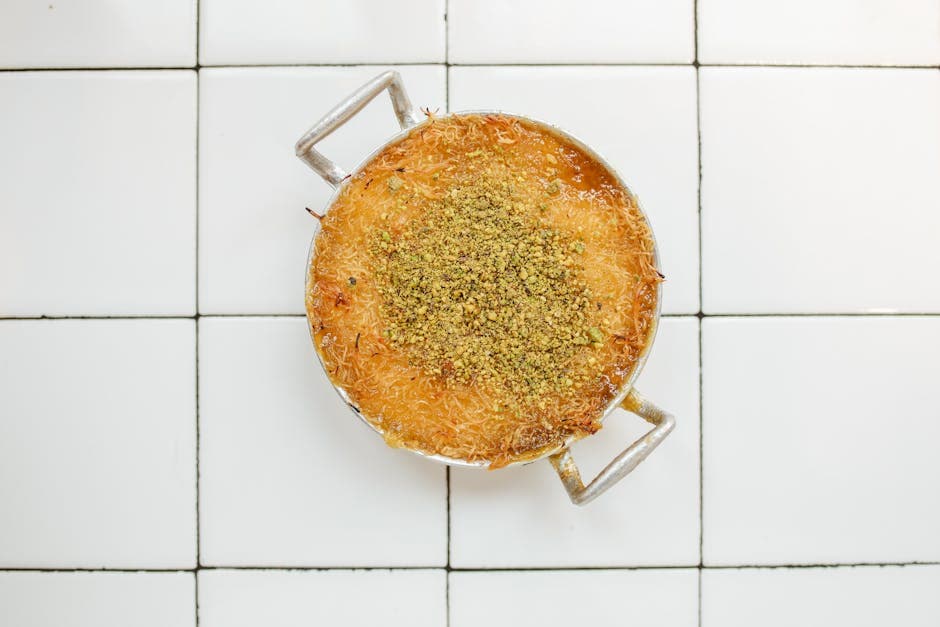
It is frequently cited as one of the healthiest cuisines: heavy on vegetables, legumes (lentils, chickpeas, fava beans), bulgur, olive oil, and yogurt, with meat often used in modest amounts. Everyday dishes like mujadara, tabbouleh, and yakhne stews are essentially Mediterranean diet staples. The notable exceptions are fried meze and syrup-soaked pastries like knefeh, which are occasional rather than daily foods.
Hummus itself is Levantine, not Greek — chickpeas, tahini, lemon, and garlic — and Greek restaurant versions are adaptations. More broadly, Lebanese food shares the eastern Mediterranean pantry with Greece but uses tahini, pomegranate molasses, za'atar, sumac, and bulgur far more, and lacks Greece's pork, feta, and phyllo-pie emphasis. The meze format is common to both, inherited from the same Ottoman dining culture.
Hummus from canned chickpeas teaches tahini-lemon balance in minutes. Mujadara — lentils, rice, and deeply caramelized onions — is a forgiving one-pot meal. Fattoush requires only chopping and toasting pita. Shish taouk, chicken marinated in yogurt, garlic, and lemon, grills or roasts easily. Baked kafta with potatoes and tomato is a simple tray bake before attempting kibbeh.
Tahini, extra-virgin olive oil, lemons, garlic, fine bulgur, dried chickpeas and lentils, and yogurt or labneh form the core. For seasoning: za'atar, sumac, dried mint, Lebanese seven-spice (baharat), cinnamon, and allspice, which flavors many meat dishes. Pomegranate molasses and orange-blossom and rose waters — for desserts and white coffee — complete the distinctive flavors.
Calculators and converters that pair with this page — no signup needed.