
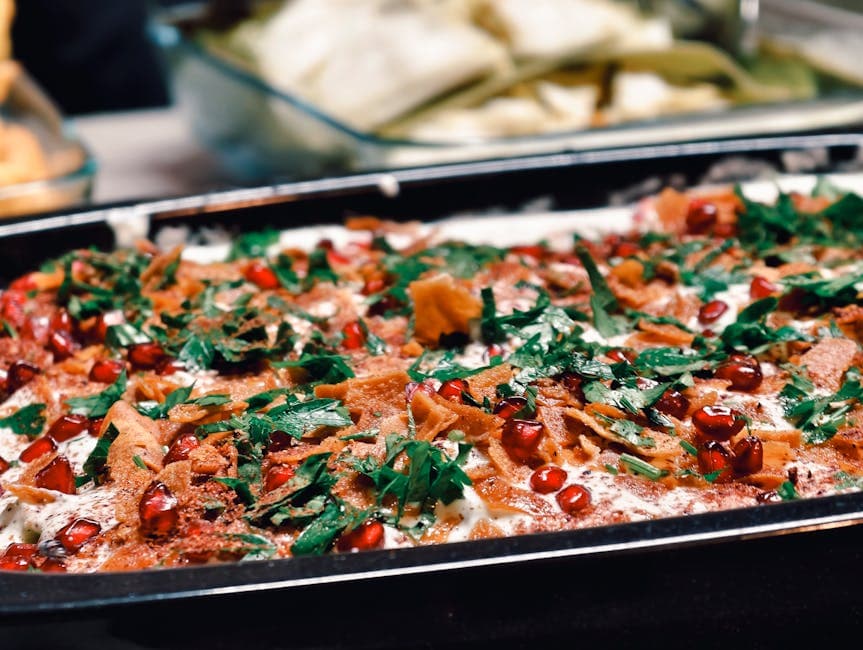
Mujaddara (Lebanese Lentils, Rice and Crispy Caramelised Onions)
The ancient Middle Eastern dish that proves humble ingredients can achieve greatness — brown lentils and rice slow-cooked together and crowned with deeply caramelised crispy onions. Vegan, cheap, extraordinary.
About This Recipe
Mujaddara is one of the oldest recorded recipes in human history — versions appear in 13th-century Arabic cookbooks — and remains one of the most popular everyday dishes across the Levant, Egypt, and wider Arab world. The name derives from the Arabic word for 'pockmarked', describing the appearance of lentils in rice. Its components are disarmingly simple: brown or green lentils, long-grain rice, onions, olive oil, and cumin. But the technique of slow-caramelising sliced onions until they are almost jam-like, then frying some until crispy and dark, elevates the dish to something exceptional. The onions provide three things simultaneously: sweetness, depth of flavour, and textural contrast. Mujaddara is proof that the most satisfying cooking is often the most restrained. Rooted in the everyday cooking of Lebanese kitchens, Mujaddara (Lebanese Lentils, Rice and Crispy Caramelised Onions) balances technique and tradition: the brown or green lentils, rinsed is treated with care, drawing on time-honoured ratios that locals have refined across generations. The dish carries an unmistakable sensory signature — aromas that fill the kitchen as it cooks, layered textures that reveal themselves bite by bite, and a depth of flavour that comes from patient seasoning rather than shortcuts. Whether served as a weeknight dinner or as the centrepiece of a celebratory table, it reflects a regional pantry where local produce, seasoning habits and cooking vessels shape the final result. Home cooks who make this dish often note how forgiving it is once the core method is understood, and how a few small choices — the freshness of the brown or green lentils, rinsed, the order of additions, the resting time at the end — separate a good version from a memorable one. This recipe walks through those choices so the dish arrives with the character it has on its home turf.
Ingredients
Serves 4
- 250 gbrown or green lentils, rinsed
- 200 glong-grain rice (basmati works well), rinsed
- 900 mlwater or vegetable stock
- 4large onions, halved and thinly sliced into half-moons
- 5 tbspolive oil
- 1.5 tspground cumin
- 0.5 tspallspice
- 0.5 tspcinnamon
- 1.5 tspsalt
- 1 tspblack pepper
- To serve
- 200 gfull-fat plain yogurt or vegan yogurt
- 1lemon, cut into wedges
- 1 tbspfresh mint or flat-leaf parsley
Instructions
- 1
Caramelise the onions
Heat 4 tablespoons olive oil in a large, heavy pot over medium heat. Add all the sliced onions and a pinch of salt. Cook for 30–35 minutes, stirring every few minutes, until deeply golden brown and reduced to a fraction of their original volume. Patience is non-negotiable — this is the heart of the dish. Remove half the onions (the best-looking half) and continue cooking the rest until very dark and almost crispy. Set both portions aside separately.
- 2
Cook the lentils
Add 1 tablespoon olive oil to the same pot over medium heat. Add lentils, cumin, allspice and cinnamon. Stir for 1 minute. Add 600ml water or stock, bring to a boil, then simmer for 15 minutes until lentils are partially cooked but still have some bite.
- 3
Add the rice
Add rinsed rice, the softly caramelised onions (not the crispy ones), remaining water/stock, salt and pepper. Stir to combine. Bring to a boil, then cover tightly and cook on the lowest possible heat for 18 minutes.
- 4
Rest and serve
Remove from heat. Rest covered for 10 minutes. Fluff gently with a fork. Transfer to a serving platter, top with the crispy onions. Serve with yogurt (cold), lemon wedges and fresh herbs.
Did you make this?
Rate it and help other cooks find the recipes that actually work.
One tap to sign in, and we'll save the rating you just picked.
Everything you need to plan your week — free
- Meal calendar
- Grocery list
- AI recipe ideas
Track what you eat
Snap your meal to log calories and macros, run fasting timers and track water in the free SnapCal app.
Pro Tips
- →
The onions need to be truly dark golden — pale gold is not enough. The flavour comes from deep caramelisation.
- →
Separate the onions into 'soft caramelised' (for cooking into the dish) and 'almost crispy' (for topping). Each serves a different purpose.
- →
The dish is deliberately earthy and savoury — brighten it at the table with cold yogurt, lemon and fresh herbs.
- →
Source the freshest brown or green lentils, rinsed you can find — it is the flavour anchor of the dish.
- →
Season in layers as you go; tasting at each stage prevents a flat or over-salted final result.
Variations
- •
Red lentil mujaddara: use red lentils (which cook faster and break down more) for a porridge-like consistency closer to Egyptian koshari.
- •
Mujaddara with bulgur: replace rice with coarse bulgur wheat for a nuttier, more rustic version traditional in some Lebanese villages.
- •
Spiced mujaddara: add 1 teaspoon smoked paprika and 0.5 teaspoon cayenne for a more assertive spice profile.
- •
Vegetarian: replace the main protein with mushrooms, paneer, tofu or hearty beans for a meat-free version.
- •
Spicier: add fresh chilli, a chilli paste or a pinch of cayenne with the aromatics for a warmer profile.
Storage
Keeps refrigerated for 4 days. Reheats beautifully with a splash of water. The onion topping softens on storage — refresh with a drizzle of olive oil.
History & Origin
Mujaddara appears in the 13th-century Arabic cookbook Kitab al-Tabikh by Muhammad bin Hasan al-Baghdadi, making it one of the oldest continuously prepared dishes on record. Its popularity across the Levant, Egypt, and Iraq suggests ancient, pre-Islamic origins. In the Old Testament, Esau's 'mess of pottage' (Genesis 25) is widely interpreted as an early form of mujaddara.
Frequently Asked Questions
Can I make Mujaddara (Lebanese Lentils, Rice and Crispy Caramelised Onions) ahead of time?
Yes — most components hold well in the fridge for a day or two. Reheat gently with a splash of liquid to bring it back to life.
What can I substitute for brown or green lentils, rinsed?
If brown or green lentils, rinsed is hard to find, the closest substitutes share its texture and water content. Adjust seasoning slightly since substitutes often carry less character of their own.
Is this recipe authentic to Lebanese cooking?
It follows the most widely accepted home-cook template. Regional variants exist and we note the main ones in the variations section.
Why did my version turn out bland?
Usually under-seasoning or rushing the aromatic stage. Build flavour in layers, taste as you go, and finish with a touch of acid or salt to brighten the dish.
Nutrition Facts
Per serving · 4 servings total
Time Summary
Have Questions?
Ask our AI cooking assistant anything about this recipe — substitutions, techniques, scaling.
Chat with AI Chef →Featured in Guides
This recipe is featured in the following curated guides:
More Lebanese Recipes
You Might Also Like
Similar dishes from other cuisines around the world.
Browse by Ingredient
More recipes built around the same core ingredients.
Free Kitchen Tools
Calculators and converters that pair with this page — no signup needed.
Put This Into a Plan
Schedule it, shop for it, and track what you already have.
Read Next
Longer reads that go deeper on the ideas behind this dish.
Community
Join the conversation
Sign in to leave a comment and save your favourite recipes