NewDinner
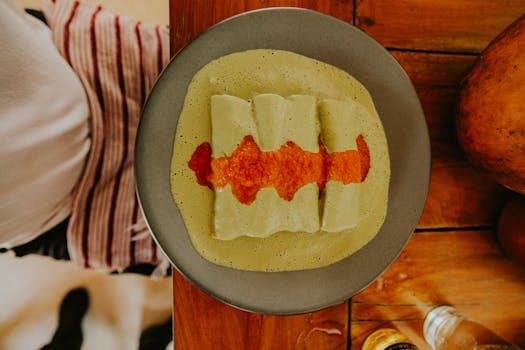
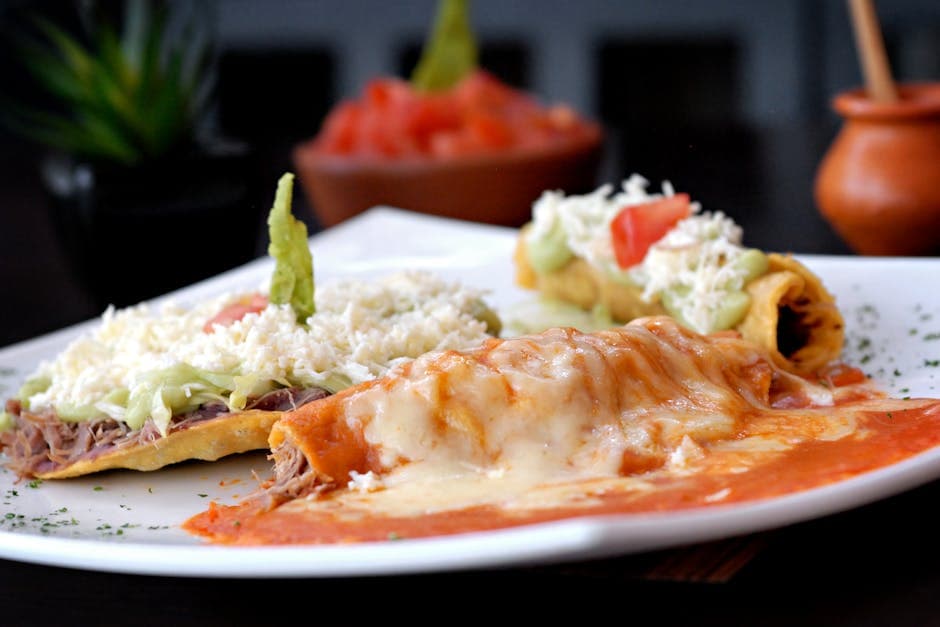
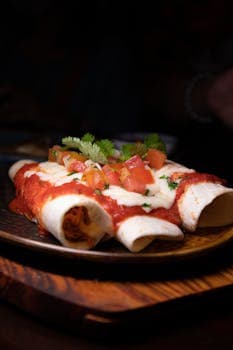
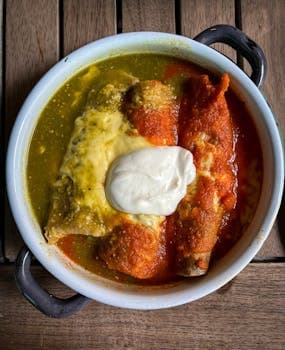
Red Chile Chicken Enchiladas
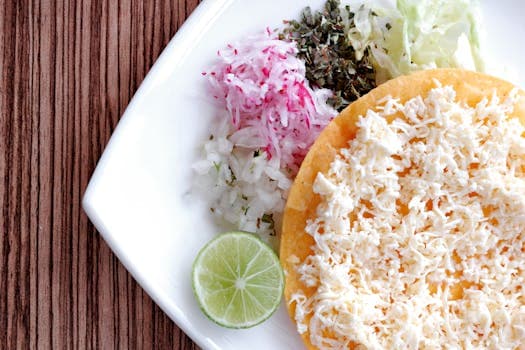
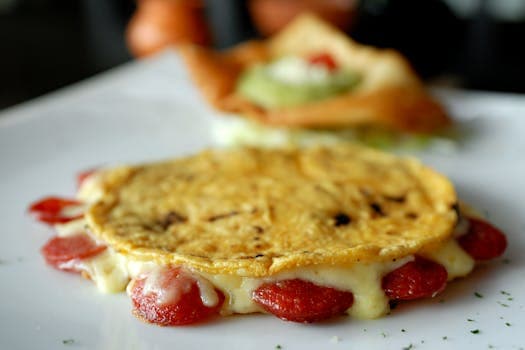
Corn tortillas filled with seasoned chicken, smothered in authentic red enchilada sauce and melted cheese.
70 min580 kcalMedium
Tacos, enchiladas, mole and vibrant chilli-spiced dishes.
More recipes built around the same core ingredients.
Track what you eat
Snap your meal to log calories and macros, run fasting timers and track water in the free SnapCal app.
Plan your meals, track fasting and build your grocery list — free
MyCookingCalendar's dashboard runs right in your browser, no download needed.
Latin American Cuisine: Recipes from Mexico to Argentina
Explore the diverse flavors of Latin America with 40+ authentic recipes from Mexico, Peru, Brazil, and beyond.
Authentic Mexican Cuisine: 45 Regional Recipes
Move beyond Tex-Mex with 45 authentic Mexican recipes from different regions showcasing moles, salsas, and traditions.
Keto 7-Day Meal Plan + Macros
A practical 7-day ketogenic meal plan with breakfast, lunch, dinner — every meal under 20g net carbs. Includes shopping list, macros, and how to handle keto flu.
Mexican cuisine is built on a Mesoamerican foundation more than 9,000 years old: maize, transformed through nixtamalization — soaking corn in alkaline limewater to unlock its nutrition — into masa for tortillas, tamales, and atole. Beans, chiles, squash, tomatoes, avocados, cacao, and vanilla are all indigenous domesticates. The Spanish conquest added pork, beef, dairy, wheat, and frying, producing the mestizo cuisine of today. UNESCO recognized traditional Mexican cuisine as Intangible Cultural Heritage in 2010, citing the milpa farming system and communal cooking practices.
Each region is nearly its own cuisine. Oaxaca, 'land of the seven moles,' grinds complex sauces from chiles, nuts, seeds, and sometimes chocolate, and is home to tlayudas and string cheese quesillo. The Yucatán marinates in achiote and sour orange for cochinita pibil, pit-roasted in banana leaves. Puebla claims mole poblano and chiles en nogada; the north raises beef and makes flour tortillas; Veracruz cooks fish a la veracruzana with olives and capers, its Spanish accent strongest on the Gulf coast.
The home kitchen revolves around the comal, a flat griddle for toasting chiles, charring vegetables for salsa, and warming tortillas. Cooks distinguish dozens of dried chiles — ancho, guajillo, pasilla, chipotle — each with a distinct role, rehydrated and blended rather than used for raw heat. Salsas are made fresh daily in a molcajete or blender, beans simmer in clay pots, and antojitos like quesadillas, sopes, and tacos turn masa and leftovers into meals.
Maize and Nixtamalization
Alkaline-treated corn becomes masa for tortillas, tamales, sopes, and atole — the 9,000-year-old foundation of the entire cuisine.
Chiles, Fresh and Dried
Ancho, guajillo, pasilla, chipotle, jalapeño, and serrano each serve distinct roles in salsas, moles, and adobos, prized for flavor over raw heat.
Salsas and the Molcajete
Fresh and cooked salsas — verde, roja, pico de gallo — are ground daily and accompany virtually every dish.
Moles and Complex Sauces
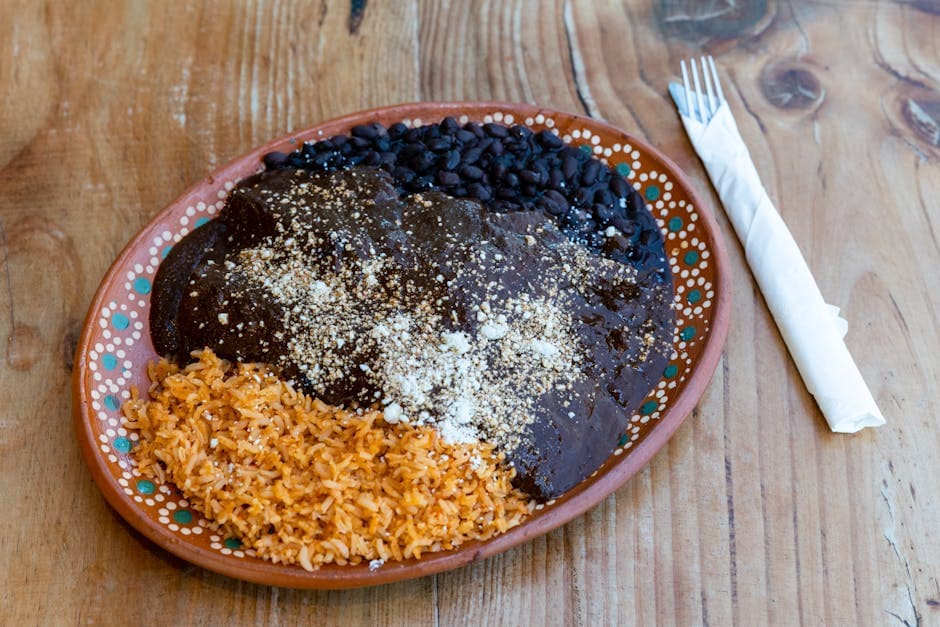
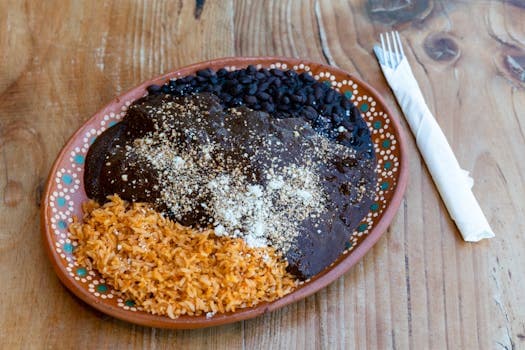
Oaxaca's seven moles and Puebla's mole poblano blend chiles, nuts, seeds, spices, and sometimes chocolate into layered sauces.
Beans and the Milpa
Black and pinto beans, grown alongside corn and squash in the milpa system, simmer in clay pots as daily protein.
Antojitos and Street Food
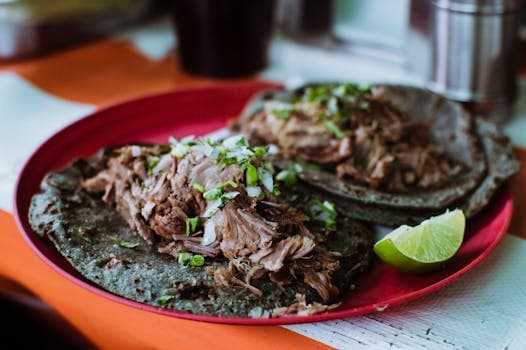
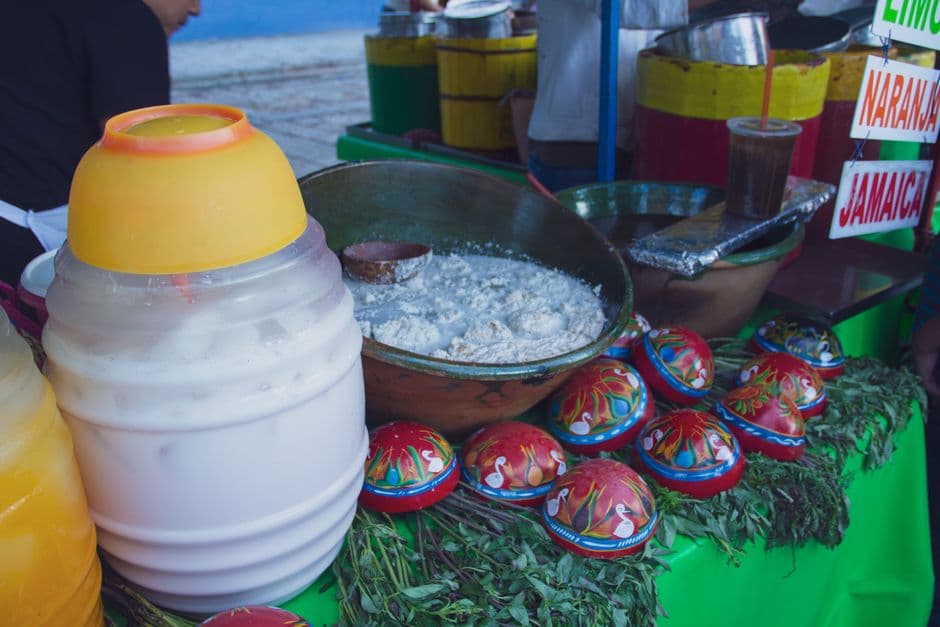
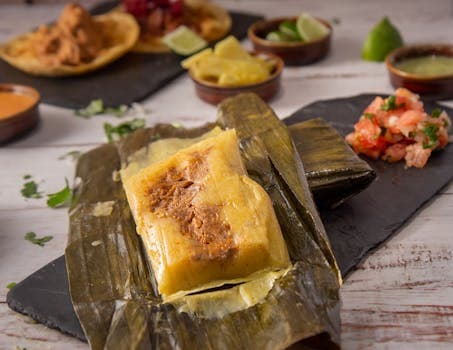
Tacos, quesadillas, tlacoyos, and tamales form a masa-based street food family with deep pre-Hispanic roots.
Mexican cuisine is known for corn tortillas and masa-based dishes (tacos, tamales, quesadillas), complex chile sauces like mole, fresh salsas, beans, and ingredients it gave the world: tomatoes, avocados, vanilla, and chocolate. UNESCO lists traditional Mexican cuisine as Intangible Cultural Heritage for its ancient maize-based food system and regional diversity.
Tex-Mex is a distinct border cuisine developed by Tejano communities in Texas. It leans on yellow cheese, cumin-heavy chili con carne, flour tortillas, hard-shell tacos, and combination plates — items rare in interior Mexico. Traditional Mexican cooking centers corn masa, dried-chile sauces, fresh cheeses like queso fresco, and regional dishes such as mole and cochinita pibil.
No. Chiles are used primarily for flavor — ancho tastes of raisin and coffee, guajillo is bright and tangy — and many classics like tamales, pozole blanco, and quesadillas carry little heat. Spice usually arrives via table salsas, so each diner adjusts. Some salsas and dishes with habanero or chile de árbol are genuinely hot, but they're a choice, not a default.
Tacos with a simple guisado like chicken tinga (chipotle-tomato braise) teach core technique fast. Salsa verde from tomatillos, frijoles de la olla (pot beans), and quesadillas on a comal build fundamentals. Enchiladas with a blended guajillo sauce introduce dried-chile work. Save mole for later — it can involve twenty-plus ingredients.
Dried chiles (ancho, guajillo, chipotle), masa harina for tortillas, dried or canned black and pinto beans, Mexican oregano, cumin, and canned tomatoes or fresh tomatillos. Add white onion, garlic, limes, and cilantro as the fresh constants. Queso fresco, crema, and avocados finish dishes; lard or neutral oil handles frying and refried beans.
Calculators and converters that pair with this page — no signup needed.