TrendingNewDinner
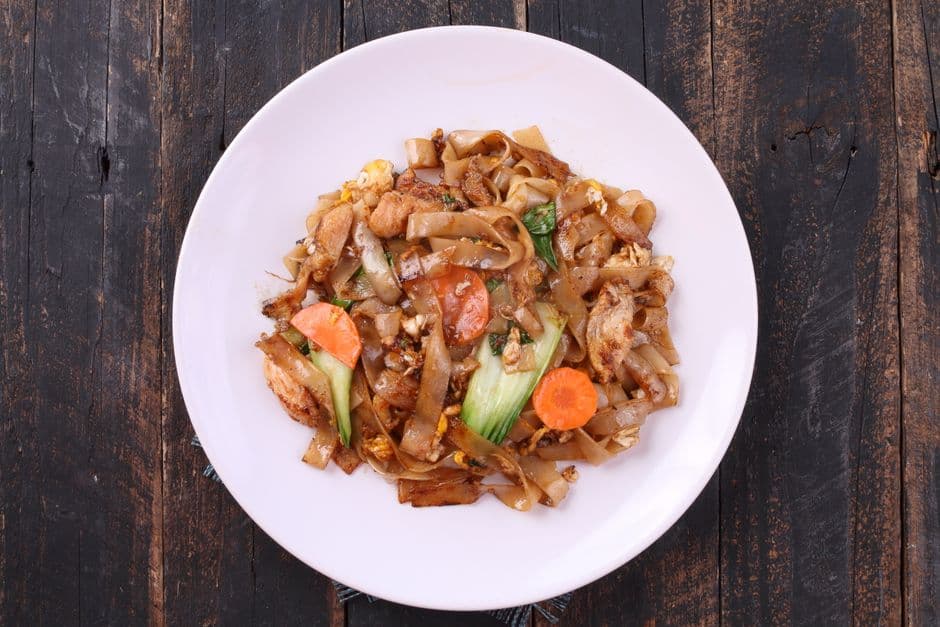
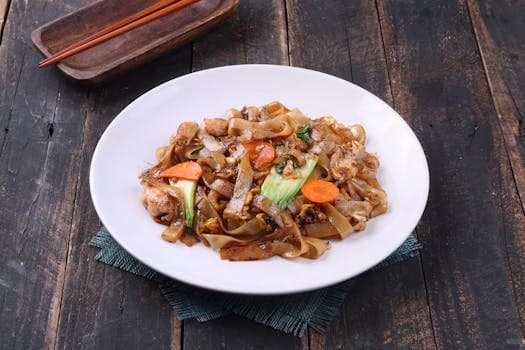
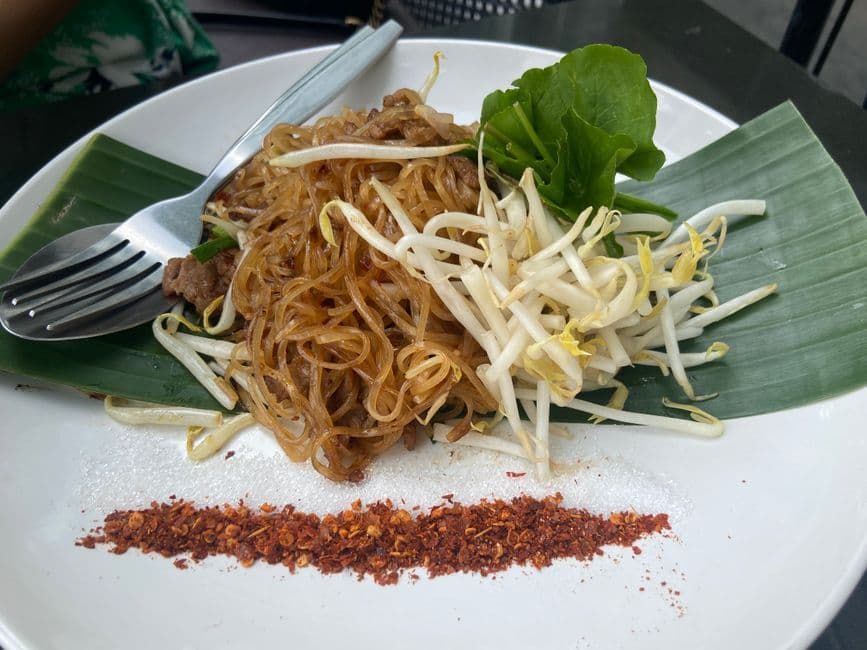
Authentic Pad Thai
Wok-fried rice noodles with egg, shrimp, bean sprouts, peanuts and tamarind — Thailand's street food classic.
35 min580 kcalMedium
Pad thai, green curry, tom yum — aromatic and bold.
More recipes built around the same core ingredients.
Track what you eat
Snap your meal to log calories and macros, run fasting timers and track water in the free SnapCal app.
Plan your meals, track fasting and build your grocery list — free
MyCookingCalendar's dashboard runs right in your browser, no download needed.
Asian Cuisine Recipes: Complete Guide to Chinese, Japanese, Thai & More
Discover authentic Asian cooking with 50+ recipes from China, Japan, Thailand, Vietnam, Korea, and India. Learn techniques, ingredients, and how to recreate restaurant-quality Asian dishes at home.
Thai Cuisine: 40 Recipes Balancing Spice & Flavor
Master Thai cooking with 40 recipes teaching the balance of sweet, sour, salty, spicy, and umami.
18 Curry Recipes for All Heat Levels
From mild and creamy to fiery and complex—curry recipes that suit every spice preference.
Thai cuisine balances four flavors — sour, sweet, salty, hot — in nearly every dish, a principle formalized in royal court kitchens of Ayutthaya and Bangkok but practiced in street stalls and homes alike. Its foundations are indigenous and borrowed in equal measure: fermented fish sauce (nam pla) and rice culture are ancient Tai traditions, stir-frying and noodles arrived with Chinese migrants, and the chili — now inseparable from Thai identity — came via Portuguese traders in the 16th century.
Four regions cook distinctly. Central Thailand produces the coconut-milk curries and pad thai familiar abroad. The north (Lanna) favors herbal, less sweet dishes like khao soi curry noodles and sai ua sausage, eaten with sticky rice. Isaan, the northeast, shares Lao roots: som tam green papaya salad pounded in a mortar, larb meat salads sharp with lime and toasted rice powder, and grilled chicken. The south, near Malaysia, makes the hottest food — turmeric-heavy gaeng som and massaman curry showing Muslim trade influence.
The granite mortar and pestle is the essential tool: curry pastes are pounded fresh from galangal, lemongrass, makrut lime zest, chilies, and shrimp paste, releasing oils no blender matches. Home cooks season by taste rather than measurement, adjusting fish sauce, lime juice, and palm sugar at the end of cooking. Jasmine rice accompanies central and southern meals; glutinous sticky rice, eaten by hand, defines the north and northeast.
The Four-Flavor Balance
Every dish negotiates sour (lime, tamarind), sweet (palm sugar), salty (fish sauce), and hot (chilies), adjusted to taste at the end.
Curry Pastes (Prik Gaeng)
Red, green, yellow, and massaman pastes are pounded from lemongrass, galangal, chilies, and shrimp paste, then fried in coconut cream.
Fish Sauce and Fermented Seasonings
Nam pla, shrimp paste (kapi), and fermented fish (pla ra) supply the salty, savory depth underlying nearly all Thai cooking.
Fresh Aromatics and Herbs
Lemongrass, galangal, makrut lime leaves, Thai basil, and cilantro root distinguish Thai flavor from neighboring cuisines.
Rice: Jasmine and Sticky
Fragrant jasmine rice serves central and southern dishes, while glutinous sticky rice eaten by hand defines Isaan and northern meals.
Wok and Mortar Techniques
High-heat stir-fries like pad krapow and pounded salads like som tam represent the two poles of Thai technique.
Thai food is known for balancing sour, sweet, salty, and hot in single dishes — think tom yum soup, green curry, and som tam papaya salad. Signature ingredients include fish sauce, lemongrass, galangal, makrut lime leaves, coconut milk, and bird's eye chilies. Pad thai and massaman curry are its best-known exports, though regional cooking is far more varied.
No, though heat is common. Dishes like pad thai, massaman curry, khao man gai (chicken rice), and most noodle soups are mild by default. Isaan and southern Thai food run hottest. In Thailand, heat is customizable — you specify chili level when ordering, and tables carry condiments so each diner adjusts. Home recipes scale chilies freely.
The chili in the paste defines each. Green curry uses fresh green bird's eye chilies and is typically the hottest. Red curry uses dried red chilies for moderate heat and deeper flavor. Yellow curry adds turmeric and curry powder, reflecting Indian-Muslim influence, and is the mildest and creamiest. All three are fried in coconut cream before simmering.
Pad krapow (basil stir-fry with minced pork or chicken) takes ten minutes and teaches the fish sauce–sugar balance. Tom kha gai, the coconut-galangal chicken soup, is gentler than tom yum and hard to ruin. A red curry from quality store-bought paste, bloomed in coconut cream, is the fastest route to authentic flavor at home.
Fish sauce, palm sugar, coconut milk, jasmine rice, and a good curry paste are the core. Add oyster sauce, soy sauce, tamarind paste, and dried chilies. Fresh items — lemongrass, galangal, makrut lime leaves, Thai basil — freeze well, so buy in bulk from an Asian grocer. Limes and garlic round out almost every recipe.
Calculators and converters that pair with this page — no signup needed.