TrendingLunch
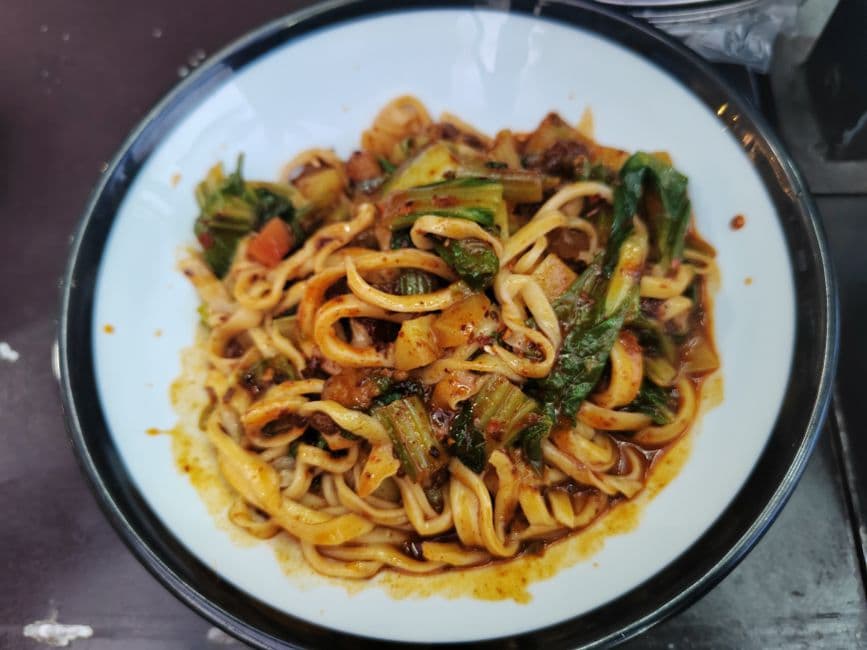
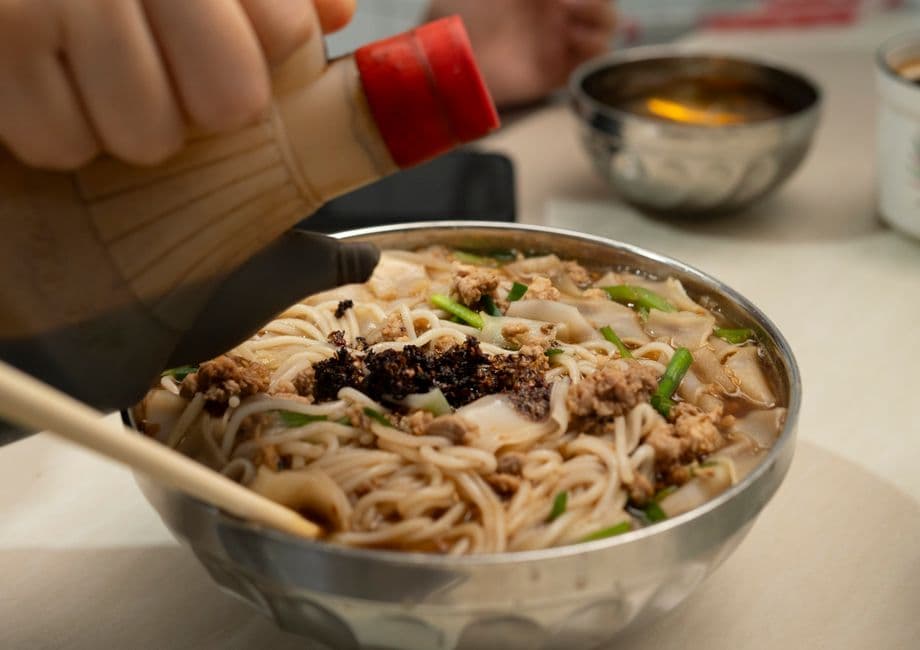
Sichuan Dan Dan Noodles – Spicy Sesame Noodles with Pork and Chilli Oil
Thin wheat noodles in a fiery, numbing sesame-chilli sauce with minced pork and Sichuan peppercorn.
30 min560 kcalEasy
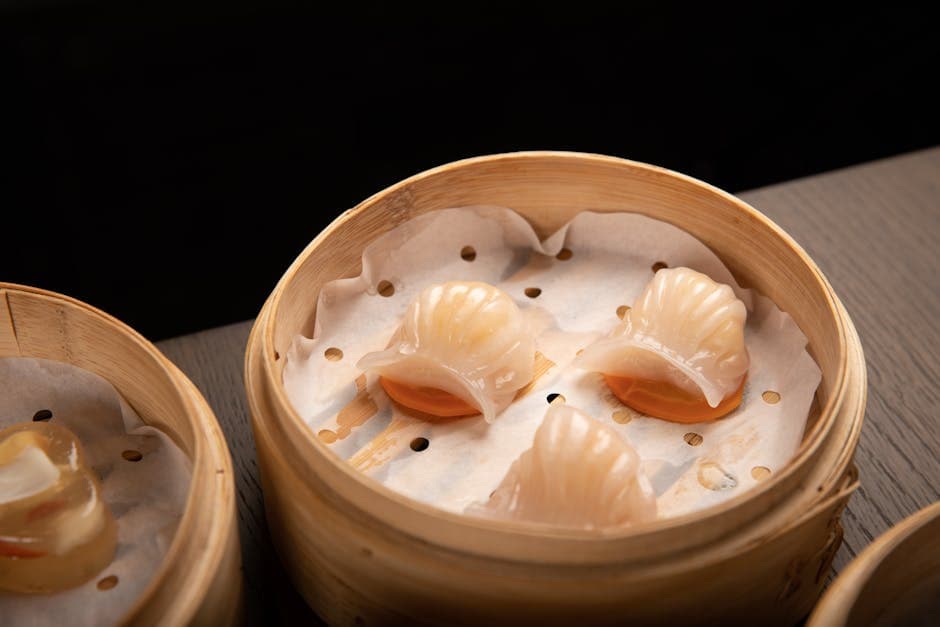
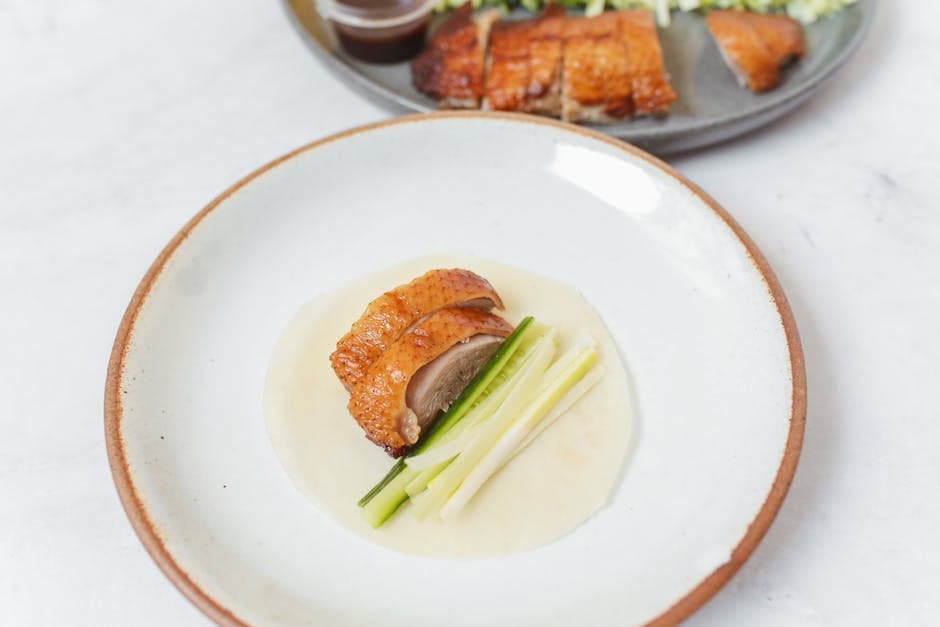
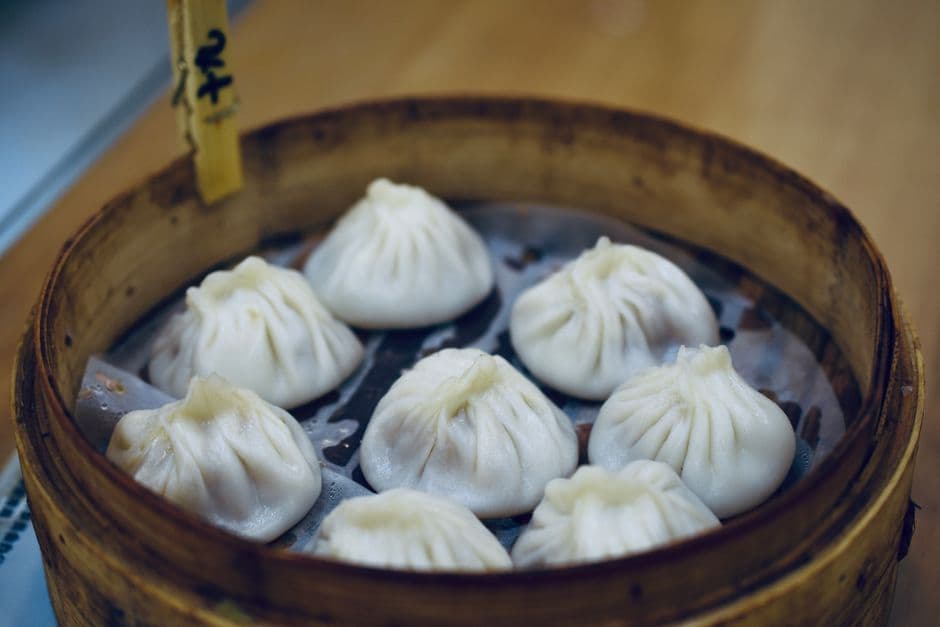
Dim sum, Peking duck, kung pao chicken and the world's richest culinary heritage.
More recipes built around the same core ingredients.
Track what you eat
Snap your meal to log calories and macros, run fasting timers and track water in the free SnapCal app.
Plan your meals, track fasting and build your grocery list — free
MyCookingCalendar's dashboard runs right in your browser, no download needed.
Asian Cuisine Recipes: Complete Guide to Chinese, Japanese, Thai & More
Discover authentic Asian cooking with 50+ recipes from China, Japan, Thailand, Vietnam, Korea, and India. Learn techniques, ingredients, and how to recreate restaurant-quality Asian dishes at home.
19 Stir-Fry Recipes: Quick Dinner Ideas
Quick stir-fry recipes ready in 20 minutes with various proteins and vegetables.
8 Recipes to Use Up Leftover Rice
Cooked too much rice for last night's dinner? Eight real recipes — fried rice, arancini, congee, rice pudding — that are actually better made with day-old rice than fresh.
Chinese cuisine is not one cuisine but a civilization of them, conventionally grouped into eight great traditions: Sichuan's málà numbing heat from chilies and Sichuan peppercorns, Cantonese precision with steaming and dim sum, Jiangsu and Zhejiang's refined sweetness, Hunan's dry heat, Fujian's soups, Anhui's mountain ingredients, and Shandong's northern wheat-and-braise cooking. The north-south staple divide — wheat noodles, dumplings, and breads above the Yangtze; rice below — still organizes everyday eating.
The unifying grammar is technique and balance. Stir-frying in a wok over fierce heat seeks wok hei, the prized "breath of the wok"; other core methods include steaming, red-braising in soy and rock sugar, and velveting meat with cornstarch for silkiness. Flavor is built from a shared pantry — light and dark soy sauce, Shaoxing wine, black and Chinkiang vinegar, doubanjiang chili-bean paste, oyster sauce, ginger, scallion, and garlic — combined in regionally distinct proportions.
Home cooking is faster and simpler than banquet dishes suggest: a typical family dinner is rice plus two or three quick stir-fries and a soup, shared from common plates. Dumplings (jiaozi) are a communal northern ritual, especially at Lunar New Year, while Cantonese families simmer slow tonic soups. Much of what the West knows as Chinese food — chop suey, General Tso's chicken — is diaspora invention; dishes like mapo tofu, char siu, and hand-pulled noodles represent the home tradition.
Wok technique
Stir-frying over intense heat, with ingredients prepped and sauces mixed in advance, produces wok hei — the smoky "breath of the wok."
The eight regional cuisines
Sichuan, Cantonese, Hunan, Jiangsu, Zhejiang, Fujian, Anhui, and Shandong traditions each maintain distinct flavor profiles and techniques.
Soy, wine, and vinegar pantry
Light and dark soy sauce, Shaoxing wine, and Chinkiang black vinegar form the seasoning triad behind most savory dishes.
Dumplings and noodles
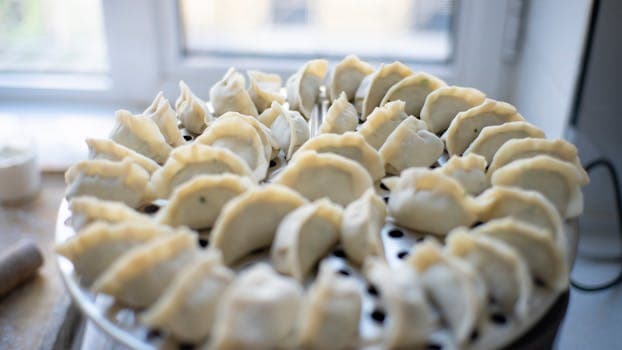
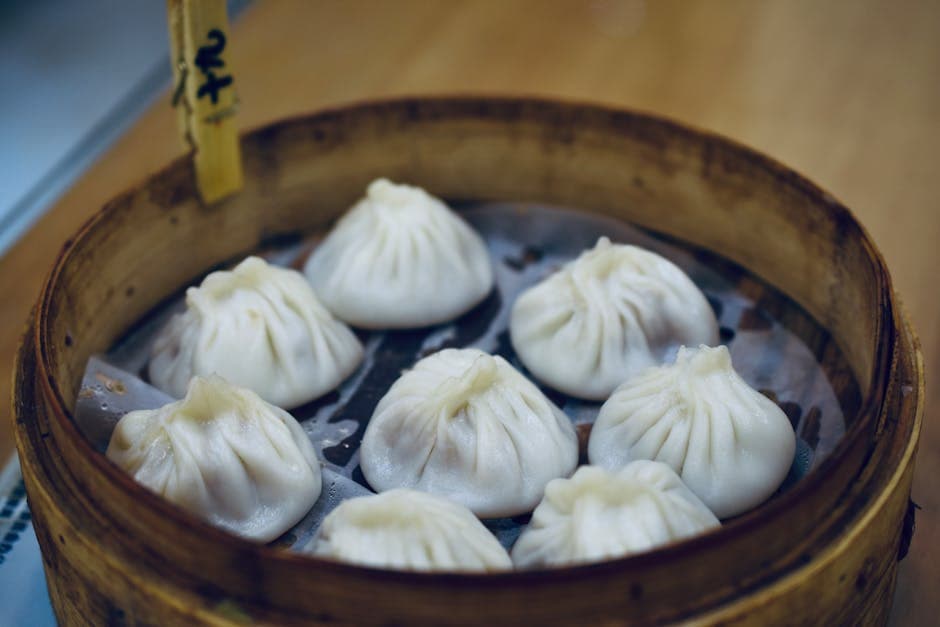
Northern wheat culture produced jiaozi, baozi, and hand-pulled lamian, with dumpling-making a communal Lunar New Year tradition.
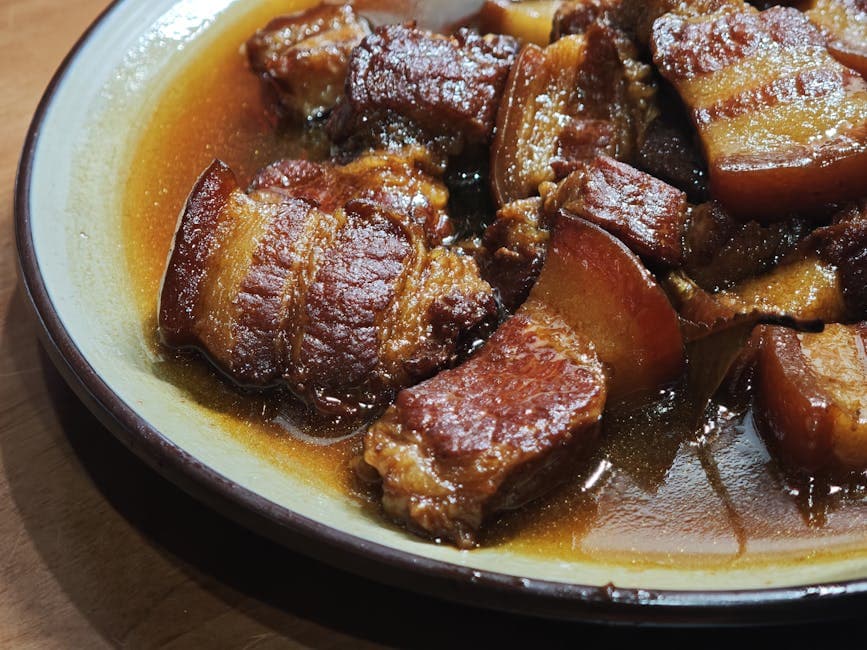
Red-braising
Slow cooking in soy sauce, Shaoxing wine, rock sugar, and aromatics yields glossy, deeply flavored dishes like hong shao rou (red-braised pork belly).
Sichuan málà
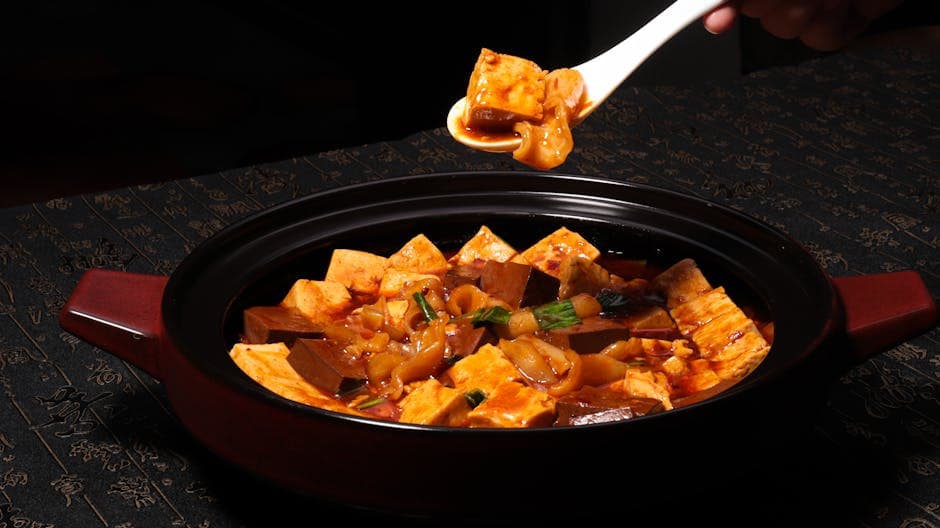
The pairing of chili heat (là) with the numbing tingle (má) of Sichuan peppercorns defines dishes like mapo tofu and shuizhu beef.
Chinese cuisine is known for stir-frying, dumplings, noodles, dim sum, Peking duck, and mapo tofu — though it is really eight major regional traditions, from Sichuan's numbing-hot málà to Cantonese steamed delicacies. Its foundations are wok technique, the soy-wine-vinegar pantry, rice in the south and wheat in the north, and a shared-plates style of family eating.
No — heat is concentrated in specific regions. Sichuan and Hunan cooking are genuinely fiery, using chilies, doubanjiang, and numbing Sichuan peppercorns. But Cantonese cuisine, the tradition behind dim sum and most early Chinese restaurants abroad, is deliberately mild, prioritizing ingredient freshness. Jiangsu and Zhejiang food trends sweet and delicate. The majority of China's regional dishes are not spicy at all.
Takeout standards like General Tso's chicken, chop suey, and crab rangoon are diaspora inventions, typically sweeter, more heavily battered, and sauce-thickened than mainland cooking. Home cooking in China is lighter: quick vegetable-heavy stir-fries, steamed fish, soups, congee, and dumplings, with rice as the bulk of the meal. Sweet-and-sour exists in China (Shanghai's squirrel fish) but as one dish among thousands.
Tomato and egg stir-fry is the ubiquitous Chinese home dish and takes ten minutes. Fried rice teaches wok management with leftovers. Garlic stir-fried greens (bok choy or gai lan) build the oil-aromatics-vegetable sequence. Mapo tofu from jarred doubanjiang is forgiving and authentic. Jiaozi from store-bought wrappers make a good weekend project before attempting dough from scratch.
Light soy sauce for seasoning, dark soy for color, Shaoxing wine, Chinkiang black vinegar, toasted sesame oil, oyster sauce, cornstarch for velveting and thickening, and a neutral high-smoke-point oil. Fresh ginger, garlic, and scallions are the aromatic base. Add doubanjiang and whole Sichuan peppercorns if you want to cook Sichuan dishes. White pepper, not black, finishes soups.
Calculators and converters that pair with this page — no signup needed.