NewDinner
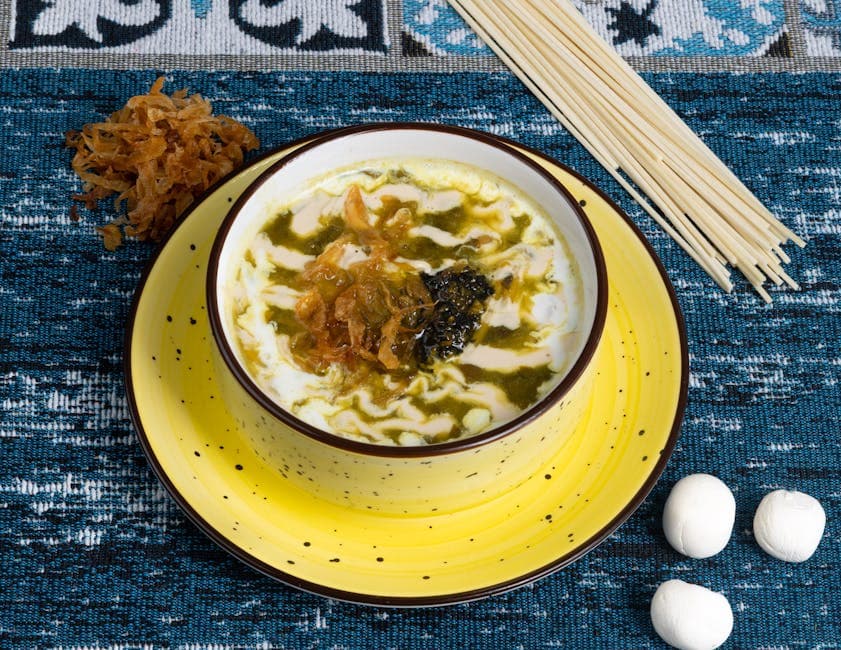
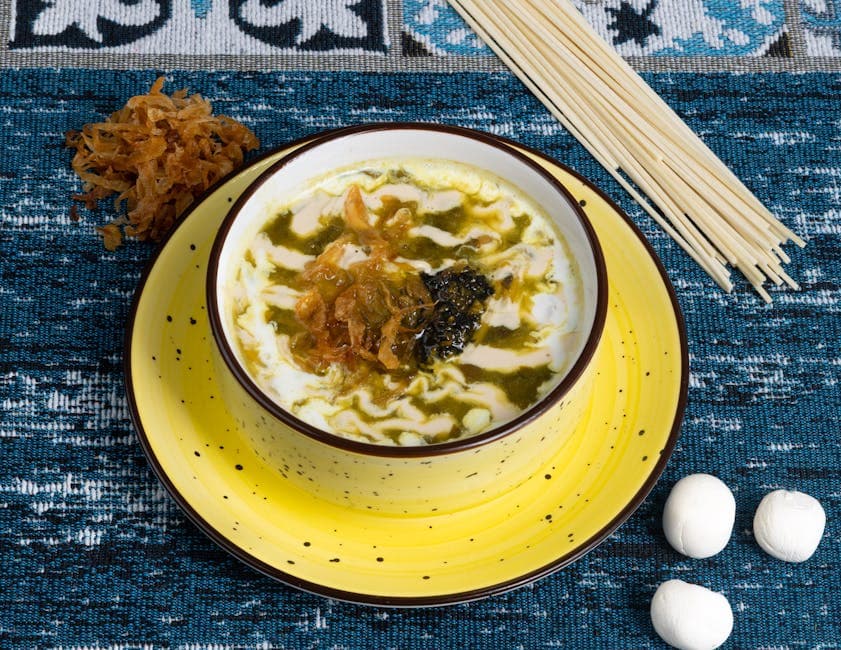
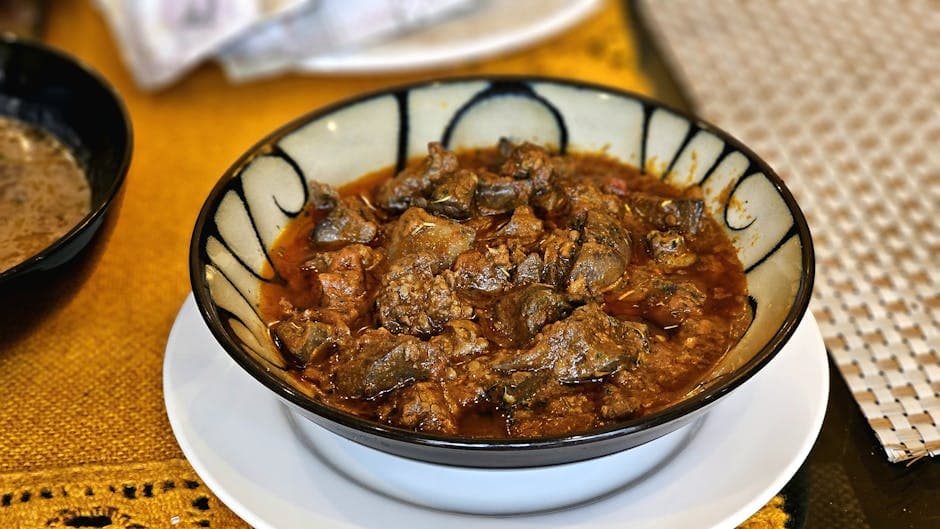
Ghormeh Sabzi — Persian Herb Stew
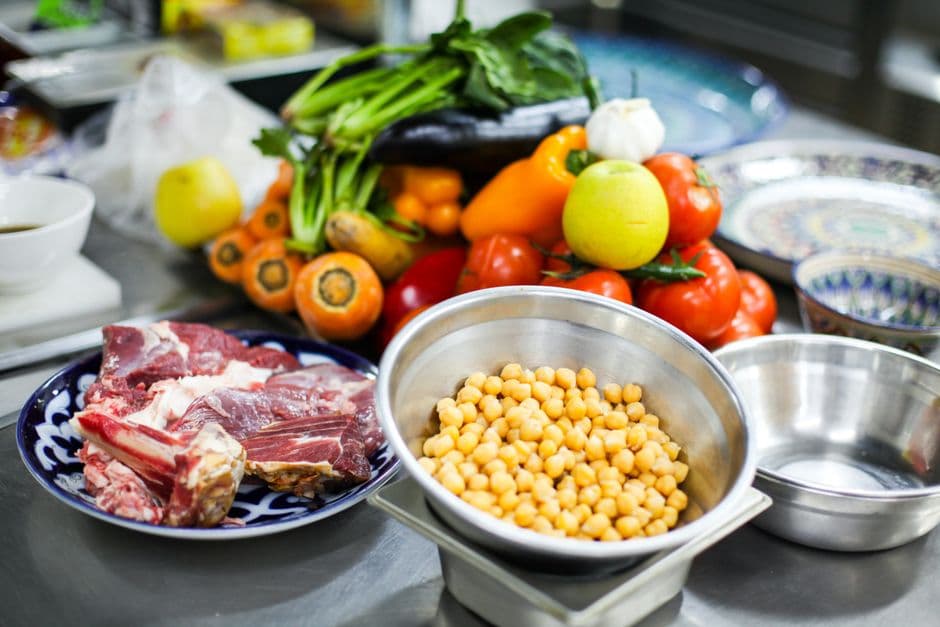
Iran's most beloved dish — a deeply fragrant stew of slow-cooked lamb, seven fresh herbs, dried limes and kidney beans that's been eaten for over 2,000 years.
210 min440 kcalHard
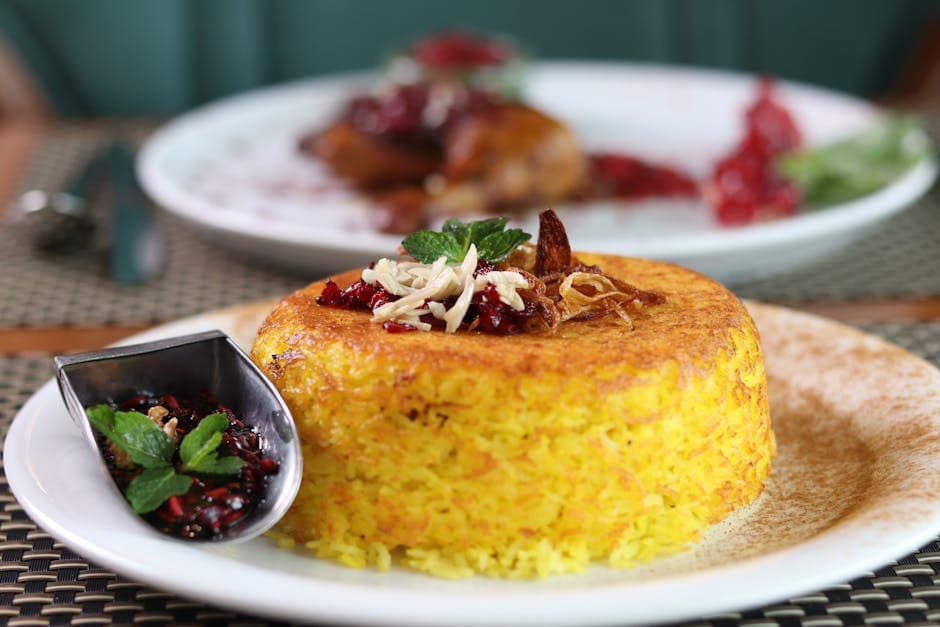
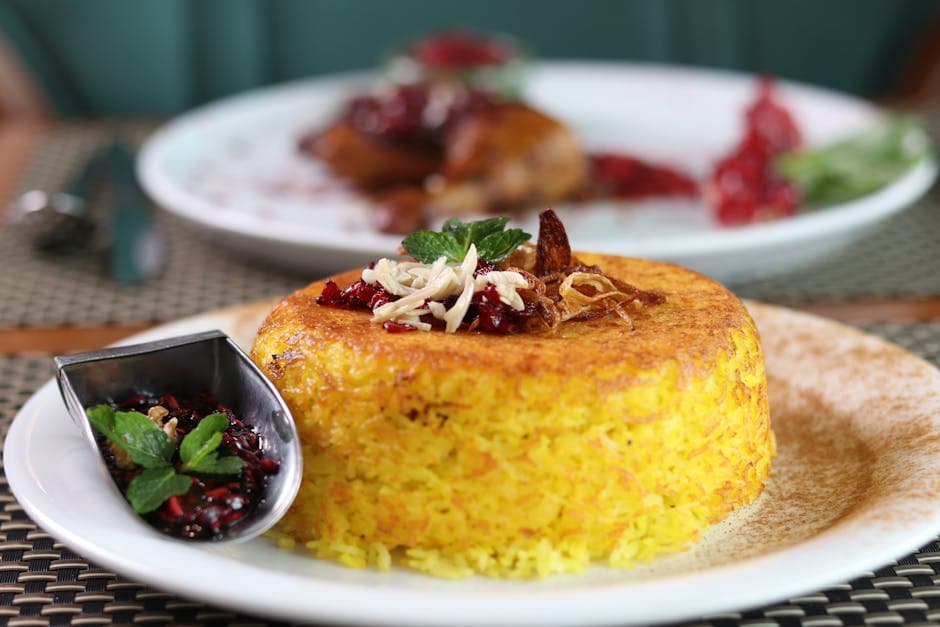
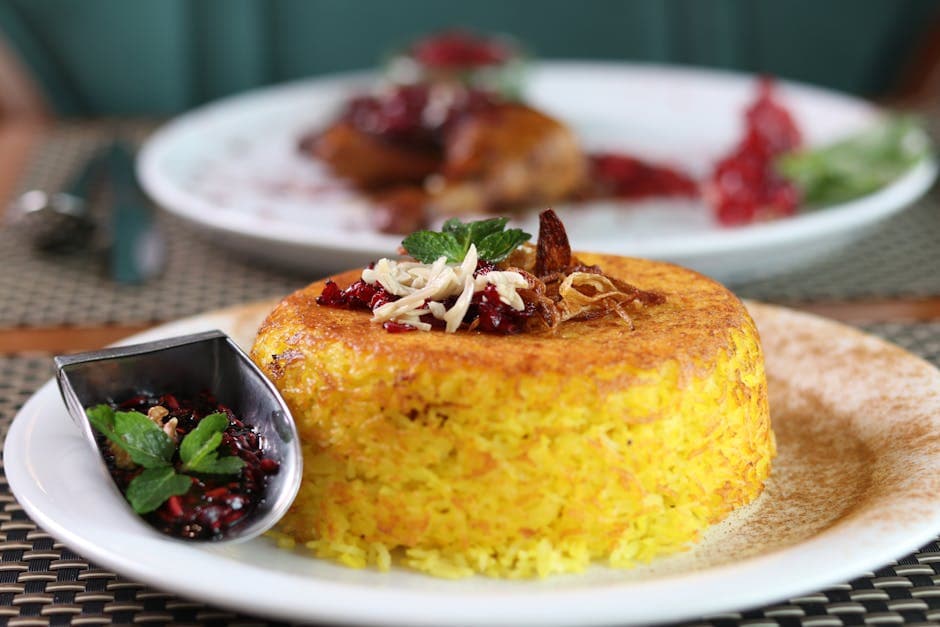
Ghormeh sabzi, kebabs, rice — Iran's 2,500-year culinary tradition.
More recipes built around the same core ingredients.
Track what you eat
Snap your meal to log calories and macros, run fasting timers and track water in the free SnapCal app.
Plan your meals, track fasting and build your grocery list — free
MyCookingCalendar's dashboard runs right in your browser, no download needed.
Persian cuisine reaches back over 2,500 years to the Achaemenid court, and its core aesthetic — balance of sweet and sour, perfumed rice, and slow khoresh stews — spread along trade routes to shape Mughal Indian, Ottoman, and Central Asian cooking. Saffron, pomegranate, rosewater, pistachios, and dried limes (limoo amani) are the signature flavorings, and the sweet-sour register peaks in fesenjan, a stew of ground walnuts and pomegranate molasses traditionally made with duck or chicken.
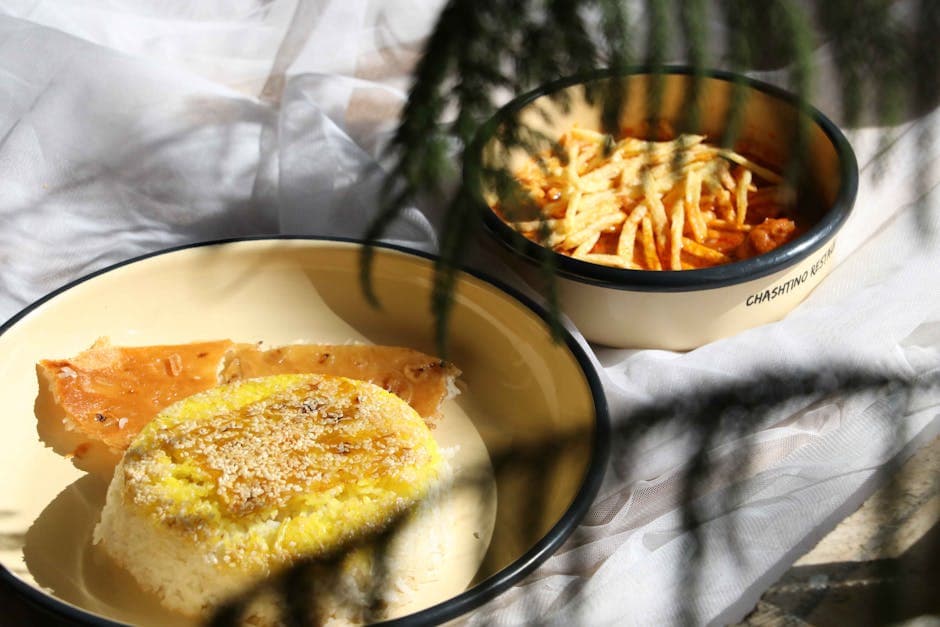
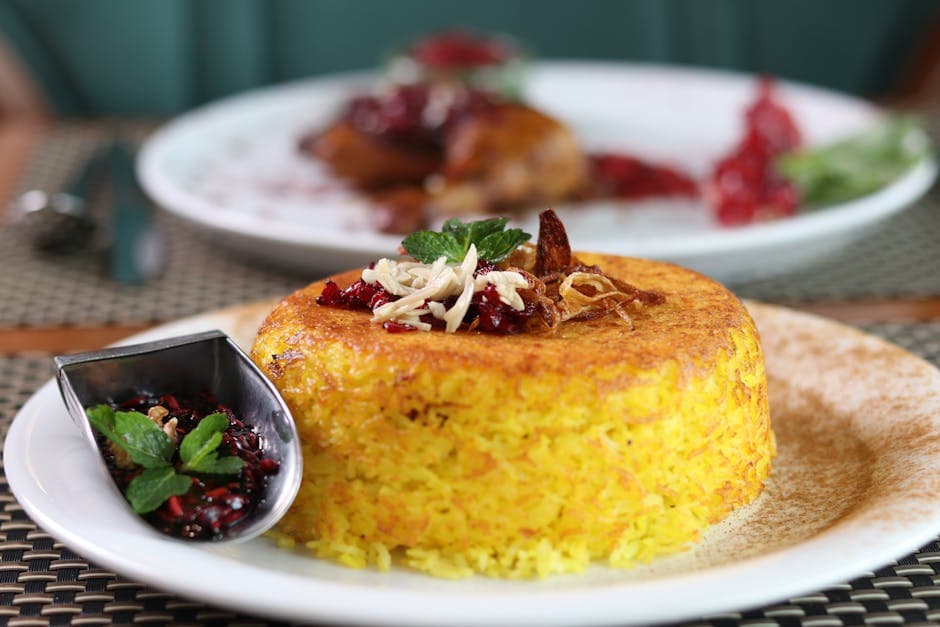
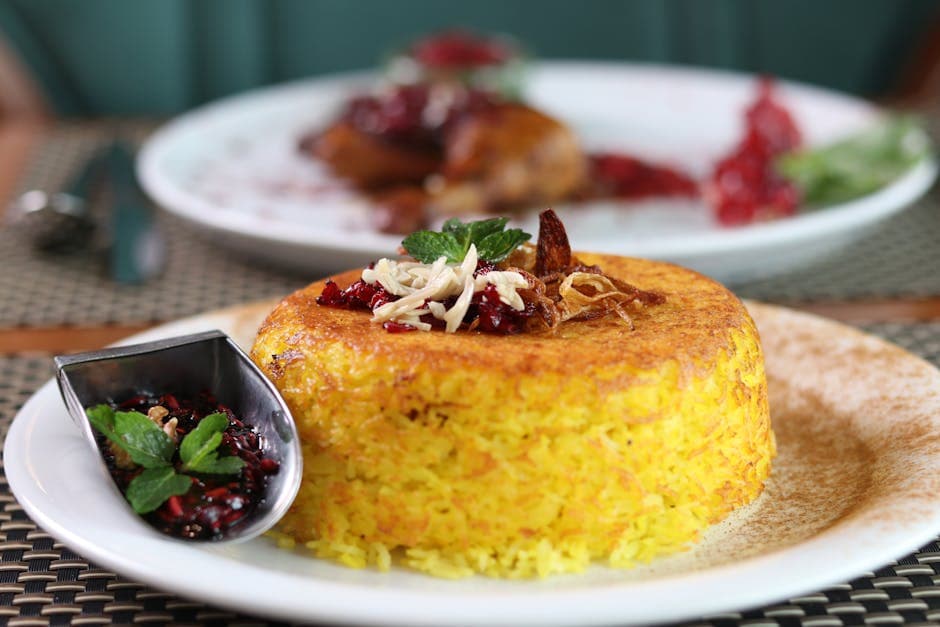
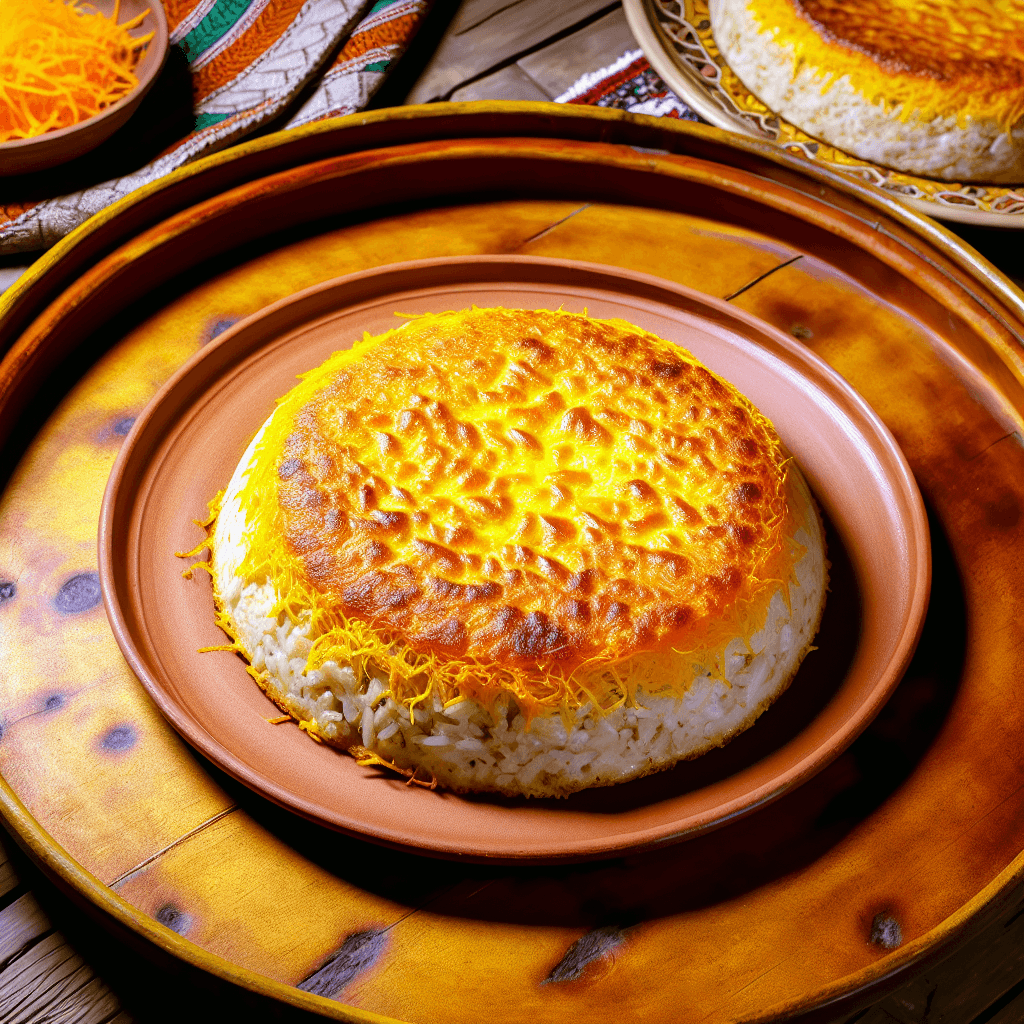
Rice is the cuisine's crown. Persian cooks parboil and then steam basmati for the chelow method, prizing tahdig — the golden crust of rice, bread, or potato at the pot's bottom, served shattered and fought over. Polow variations fold in herbs, fava beans, sour cherries, or lentils. Alongside rice sit the khoresh stews — ghormeh sabzi, dense with sautéed herbs and dried limes, and gheymeh with split peas — simmered for hours until the components merge.
Home cooking is herb-saturated: sabzi khordan, a platter of fresh basil, tarragon, mint, radishes, and feta with flatbread, sits on the table at most meals, and kuku sabzi packs astonishing amounts of chopped herbs into a frittata. Yogurt appears as a drink (doogh), in borani dips, and beside everything. Festival cooking is codified — samanu and sabzi polow ba mahi for Nowruz, the spring new year — and saffron-rosewater sweets like sholeh zard mark religious occasions.
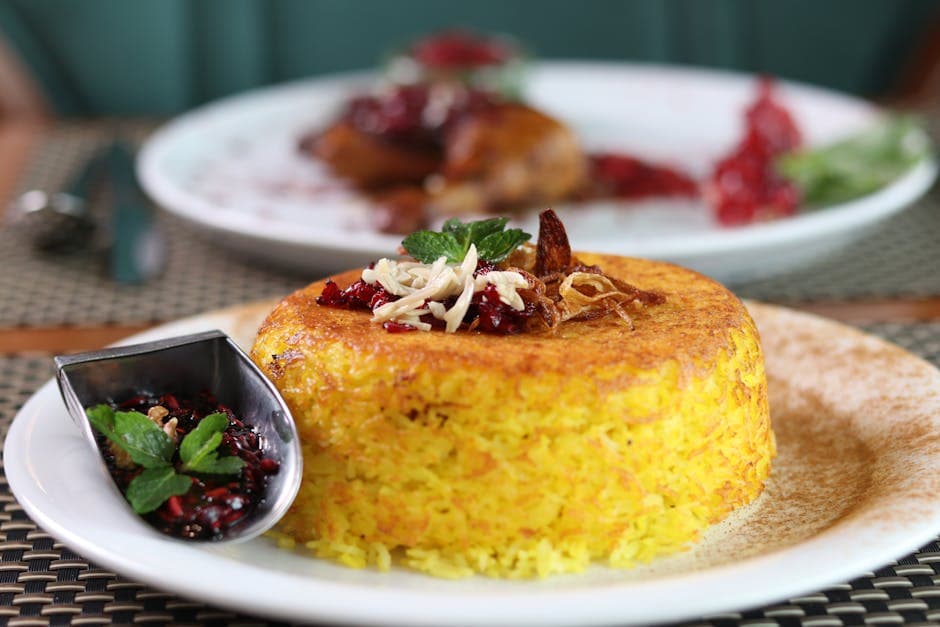
Chelow and tahdig
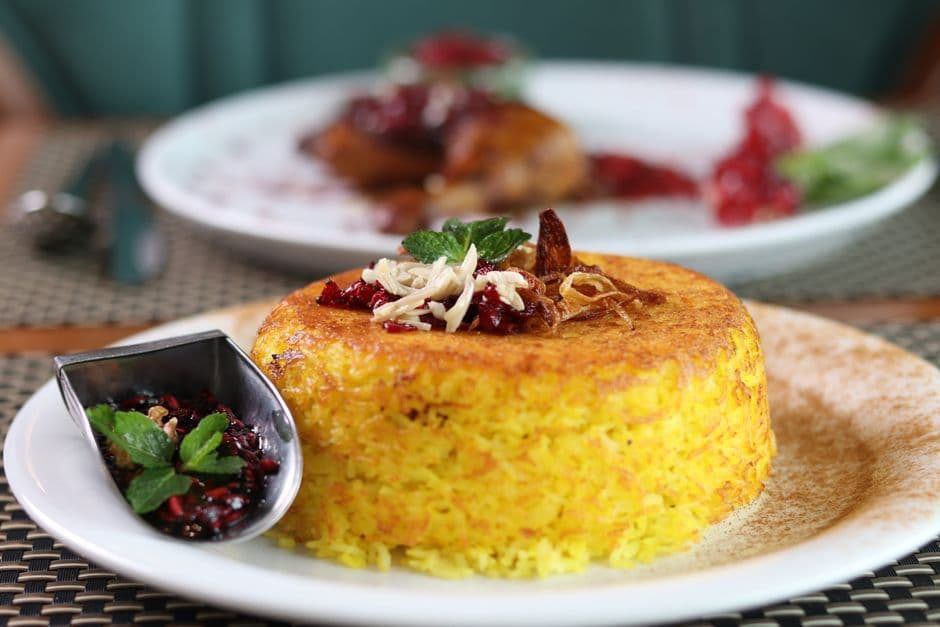
Rice is parboiled then steamed to yield separate, fragrant grains and the prized golden crust — tahdig — at the bottom of the pot.
Khoresh stews
Slow-simmered stews like ghormeh sabzi and fesenjan, served over rice, balance herbs, dried limes, or pomegranate against meat.
Saffron
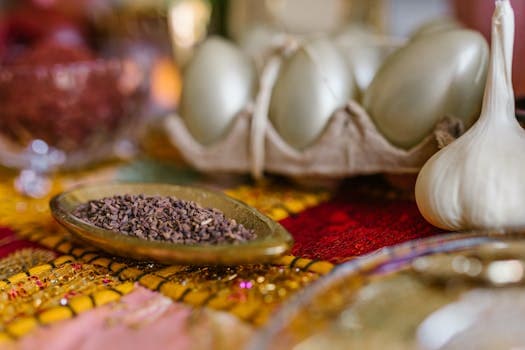
Iran produces about 90 percent of the world's saffron, bloomed in hot water and used in rice, stews, ice cream, and sweets.
Fresh herbs
Herbs function as vegetables, not garnish: ghormeh sabzi uses pounds of them, and the sabzi khordan platter accompanies every meal.
Sour notes
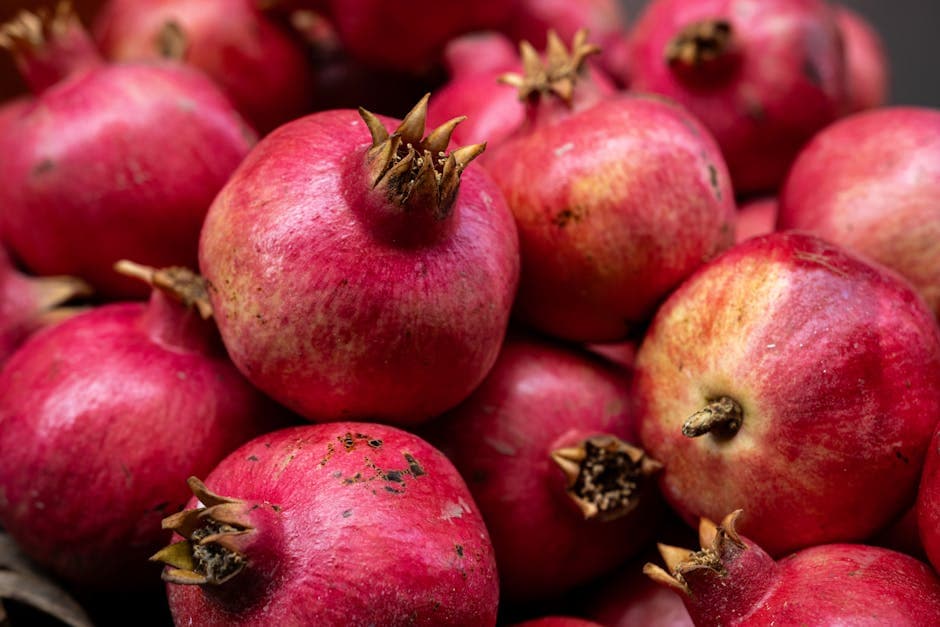
Dried limes, pomegranate molasses, sour cherries, verjuice, and sumac give Persian food its defining tart counterpoint to richness.
Kabab and rice pairings
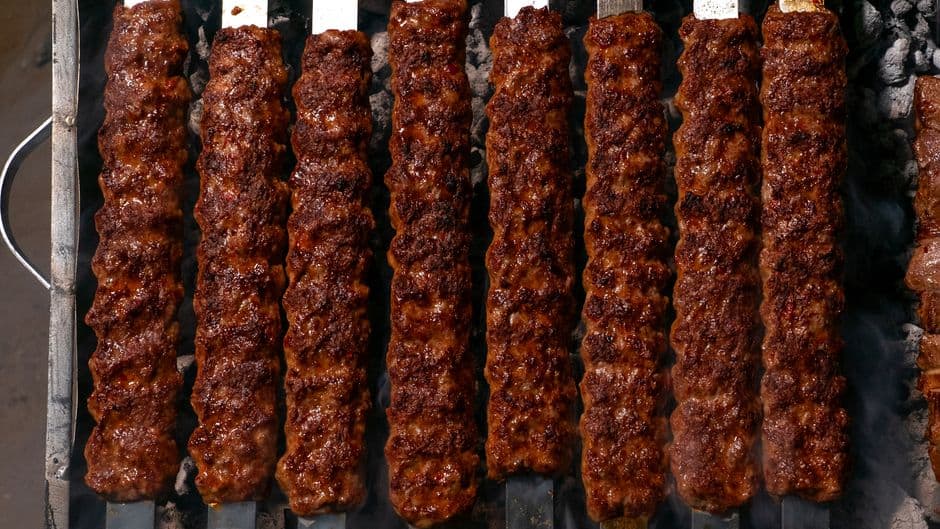
Koobideh (ground meat), barg (fillet), and joojeh (saffron chicken) kababs served with buttered chelow define celebratory and restaurant eating.
Persian cuisine is known for saffron-steamed rice with crispy tahdig, slow herb stews like ghormeh sabzi, fesenjan with walnuts and pomegranate, and kababs such as koobideh. Its signatures are the balance of sweet and sour, lavish use of fresh herbs, and perfumed ingredients — saffron, rosewater, pistachios, and dried limes — in a tradition stretching back to ancient Persia.
No. Persian cooking avoids chili heat almost entirely; complexity comes from layering herbs, saffron, turmeric, cinnamon, and sour elements like dried limes and pomegranate molasses. Advieh, the Persian spice blend, is warm and aromatic rather than hot. This makes Persian food among the mildest of the major Middle Eastern cuisines, distinct from its spicier neighbors' use of chilies.
Tahdig means "bottom of the pot": the crisp golden layer that forms when steamed Persian rice cooks over a base of oil with saffron water, often reinforced with sliced potato, flatbread, or yogurt-mixed rice. Parboil basmati, drain, layer it back over the fat, wrap the lid in a towel, and steam low for 40–50 minutes. Inverting the pot reveals the crust.
Joojeh kabab — chicken marinated in saffron, yogurt, lemon, and onion — is forgiving on a grill or in the oven. Adas polow (lentil rice with raisins) introduces layered rice without full tahdig pressure. Kuku sabzi, the herb frittata, is a single skillet. Mast-o-khiar (yogurt with cucumber and mint) requires no cooking. Ghormeh sabzi is the rewarding next-level project.
Persian (Iranian) cuisine is rice-centered, where Levantine Arab cooking leans on bread, bulgur, and meze; Iran's khoresh stews and tahdig have no direct Arab equivalent. Persian food uses sour fruits — dried limes, pomegranate, sour cherries — and saffron more heavily, and largely skips tahini, za'atar, and chickpea dishes like hummus. The cuisines share kababs, yogurt, and stuffed vegetables, but the flavor logic differs.
Calculators and converters that pair with this page — no signup needed.