
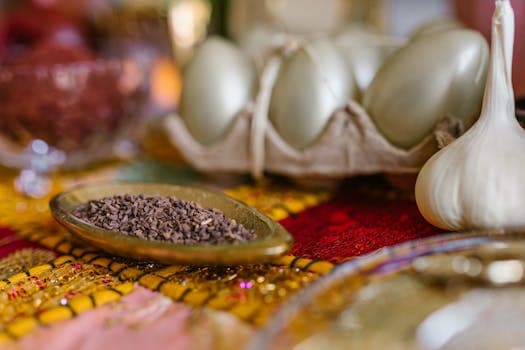
Haleem
Persian slow-cooked wheat and lamb porridge — velvety, warming, and deeply nutritious.
About This Recipe
Haleem occupies a near-sacred place in Iranian food culture: whole wheat and bone-in lamb are simmered together for hours, then beaten until grain and meat dissolve into one velvety, stretchy porridge. In Iran it is above all a breakfast dish — sold steaming from specialist haleem shops on cold winter mornings — and a fixture of Ramadan, ladled out at Iftar and in the pre-dawn sahari meal for its slow-burning nourishment. The finishing ritual divides households: melted butter and cinnamon always, then sugar for the sweet camp or extra fried onion for the savory one. It is patience food, transforming two humble ingredients into profound comfort.
Ingredients
Serves 8
- 1 cupwhole wheat, soaked overnight
- 500 gbone-in lamb shoulder
- 1 largeonion, diced
- 1 tspturmeric
- 1 tspcinnamon
- 1 tspsalt
- 2 literswater
- 3 tbspbutter or ghee
- cinnamon, sugar, fried onions for topping
Instructions
- 1
Cook wheat and lamb
Drain the soaked wheat and combine it with the lamb, onion, turmeric, cinnamon, salt, and water in a large heavy pot. Bring to a boil, skim the foam, then reduce to the lowest simmer and cook 4–5 hours, stirring occasionally, until the wheat berries have burst and the lamb falls off the bone.
Stir more frequently in the final hours — as the haleem thickens, the bottom scorches easily.
- 2
Shred lamb
Lift out the lamb, discard the bones, and shred the meat very finely with two forks — almost into threads. Return it to the pot. The finer the shred, the smoother the final beating will be, so take your time with this step.
- 3
Blend and beat
Beat the mixture with an immersion blender in short pulses, or vigorously with a wooden spoon in the traditional way, until the wheat and meat fuse into a thick, glossy, slightly elastic porridge. Adjust with hot water to reach a consistency that slowly mounds on a spoon.
Blend in pulses, not continuously — over-blending turns the texture gluey instead of silky and stretchy.
- 4
Serve
Ladle the haleem into warm bowls and finish each with a generous pool of melted butter, a dusting of cinnamon, and sugar or crispy fried onions according to taste. Serve hot with fresh flatbread, ideally barbari, in the Iranian breakfast tradition.
Did you make this?
Rate it and help other cooks find the recipes that actually work.
One tap to sign in, and we'll save the rating you just picked.
Everything you need to plan your week — free
- Meal calendar
- Grocery list
- AI recipe ideas
Track what you eat
Snap your meal to log calories and macros, run fasting timers and track water in the free SnapCal app.
Pro Tips
- →
A pressure cooker reduces the cooking time to under 2 hours with no loss of texture.
- →
Soak the wheat overnight without fail — unsoaked wheat takes far longer and breaks down unevenly.
- →
The finished consistency should be a thick, slightly stretchy porridge; adjust with hot water as needed.
- →
Stir frequently during the final hour, when the thickened haleem is most prone to catching and scorching.
- →
Use bone-in lamb — the bones and connective tissue give the haleem its silky body and depth.
Variations
- •
Make haleem-e boghalamoon with turkey, a celebrated specialty of northern Iran.
- •
Cook overnight in a slow cooker on low for the most effortless and tender result.
- •
Top with toasted slivered pistachios and pomegranate seeds for a festive presentation.
- •
Use chicken thighs for a lighter haleem that cooks in roughly half the time.
Storage
Refrigerate for up to 5 days in a sealed container; haleem thickens dramatically when cold, so reheat gently with added water, stirring until it loosens back to a porridge. It freezes well for up to 2 months in portions.
History & Origin
Haleem is eaten across a vast arc from Iran through Pakistan and India to the Arab world, each region claiming its own style; the Persian version is distinguished by its breakfast role, fine smooth texture, and the sweet finish of cinnamon and sugar. In Iran, dedicated haleem shops fire their cauldrons before dawn in winter, and the dish is inseparable from Ramadan, when its slow-release nourishment sustains the fast. Turkey haleem from Mazandaran province is considered the connoisseur's choice.
Frequently Asked Questions
Can I use a pressure cooker?
Yes — it is the standard modern shortcut in Iranian kitchens. Pressure cook the wheat, lamb, and aromatics on high for about 45 minutes, release, then shred the meat and proceed with the beating step on the stovetop, adjusting consistency with hot water. The result is indistinguishable from the long simmer.
Is haleem sweet or savory?
Both, depending on the eater — and Iranian families debate it passionately. The base is savory, seasoned with salt and turmeric, but the classic Iranian breakfast serving adds melted butter, cinnamon, and a sprinkling of sugar. Savory devotees top theirs with fried onions instead. Offer both at the table.
What kind of wheat should I use?
Whole peeled wheat berries (gandom-e poost kandeh), available at Persian and Middle Eastern grocers, are traditional. Pearled wheat or even coarse bulgur work, though bulgur breaks down faster and gives a less stretchy texture. Always soak whole wheat overnight so it bursts and creams properly during the simmer.
Why is my haleem not smooth and stretchy?
It likely needs more cooking or more beating. The wheat must be completely burst and soft before blending, and the meat shredded to threads. The signature elasticity comes from vigorously working the mixture so the wheat starches and meat fibers emulsify — keep beating, adding hot water gradually, until it turns glossy.
Nutrition Facts
Per serving (450g / 15.9 oz) · 8 servings total
Time Summary
Have Questions?
Ask our AI cooking assistant anything about this recipe — substitutions, techniques, scaling.
Chat with AI Chef →Featured in Guides
This recipe is featured in the following curated guides:
More Persian Recipes
You Might Also Like
Similar dishes from other cuisines around the world.
Browse by Ingredient
More recipes built around the same core ingredients.
Free Kitchen Tools
Calculators and converters that pair with this page — no signup needed.
Put This Into a Plan
Schedule it, shop for it, and track what you already have.
Read Next
Longer reads that go deeper on the ideas behind this dish.
Community
Join the conversation
Sign in to leave a comment and save your favourite recipes