Trending▶ VideoLunch
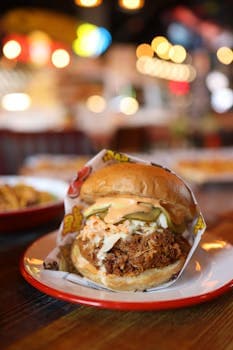
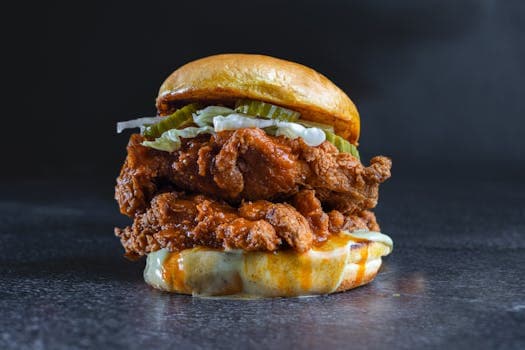
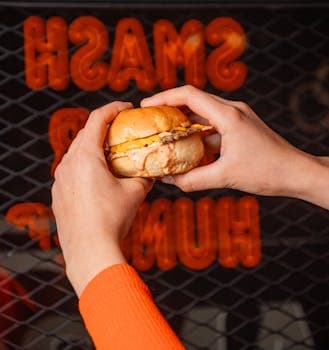
Perfect Smash Burgers
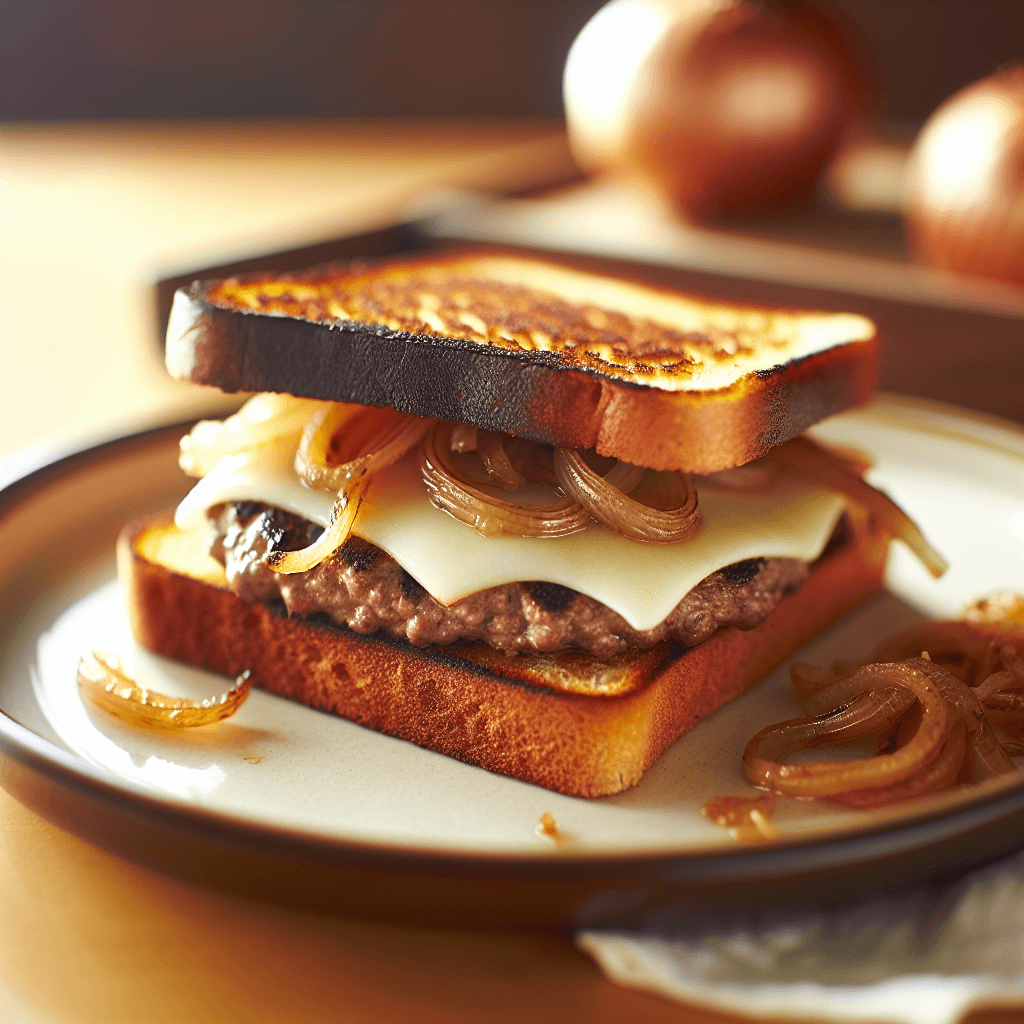
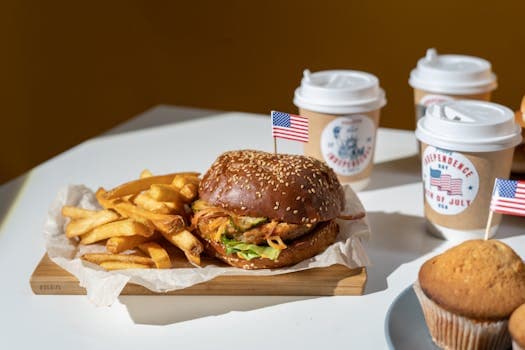
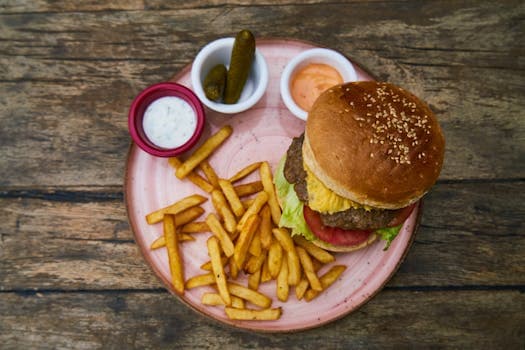
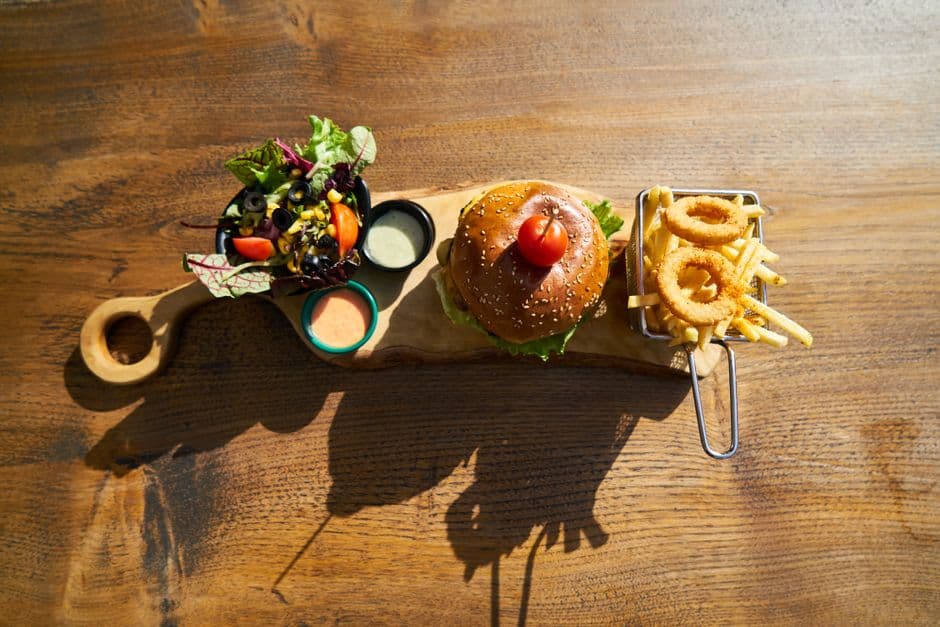
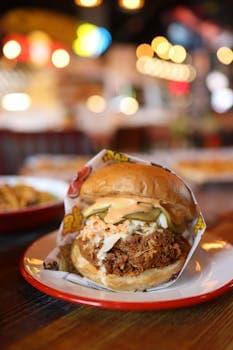
Paper-thin, crispy-edged smash burger patties stacked with American cheese, caramelized onions and tangy special sauce.
25 min720 kcalEasy
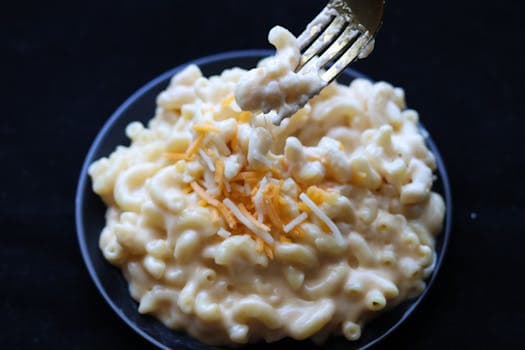
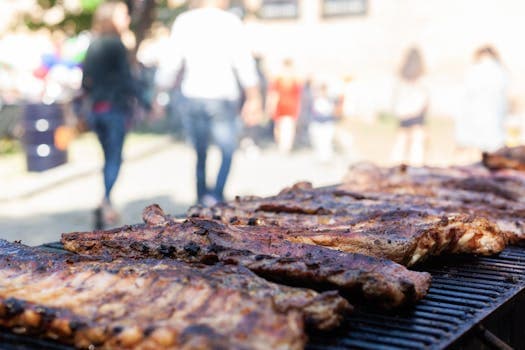
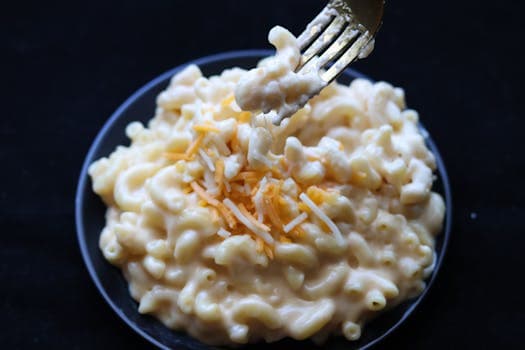
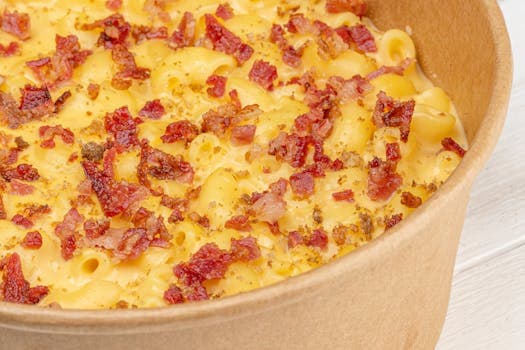
Burgers, BBQ, mac & cheese and comfort food classics.
More recipes built around the same core ingredients.
Track what you eat
Snap your meal to log calories and macros, run fasting timers and track water in the free SnapCal app.
Plan your meals, track fasting and build your grocery list — free
MyCookingCalendar's dashboard runs right in your browser, no download needed.
Keto 7-Day Meal Plan + Macros
A practical 7-day ketogenic meal plan with breakfast, lunch, dinner — every meal under 20g net carbs. Includes shopping list, macros, and how to handle keto flu.
High-Protein 7-Day Meal Plan (150g+)
A 7-day high-protein meal plan delivering 150-180g protein/day from real food (not just shakes). Includes recipes, shopping list, and macros for body recomposition.
DASH Diet 7-Day Meal Plan
A 7-day DASH diet meal plan with breakfast, lunch, dinner, and snacks. Designed to lower blood pressure 8-14 points in 2-4 weeks, backed by 25+ years of clinical evidence.
American cuisine is a layered record of migration and region. Indigenous foundations — corn, beans, squash, smoking and barbecue techniques — met European, African, and later Asian and Latin American traditions. Enslaved African cooks shaped the South's defining foods: fried chicken, gumbo's okra, rice culture in the Lowcountry. German immigrants brought the frankfurter and hamburger formats; Italian-Americans built red-sauce cuisine; Jewish delis, Chinese-American kitchens, and Tex-Mex border cooking each created genuinely new dish families rather than copies of their origins.
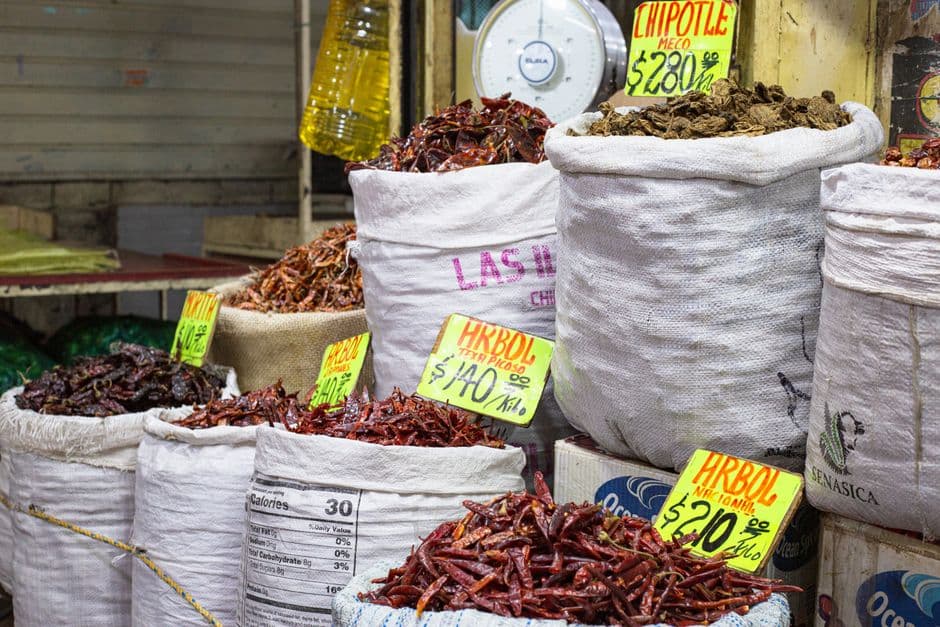
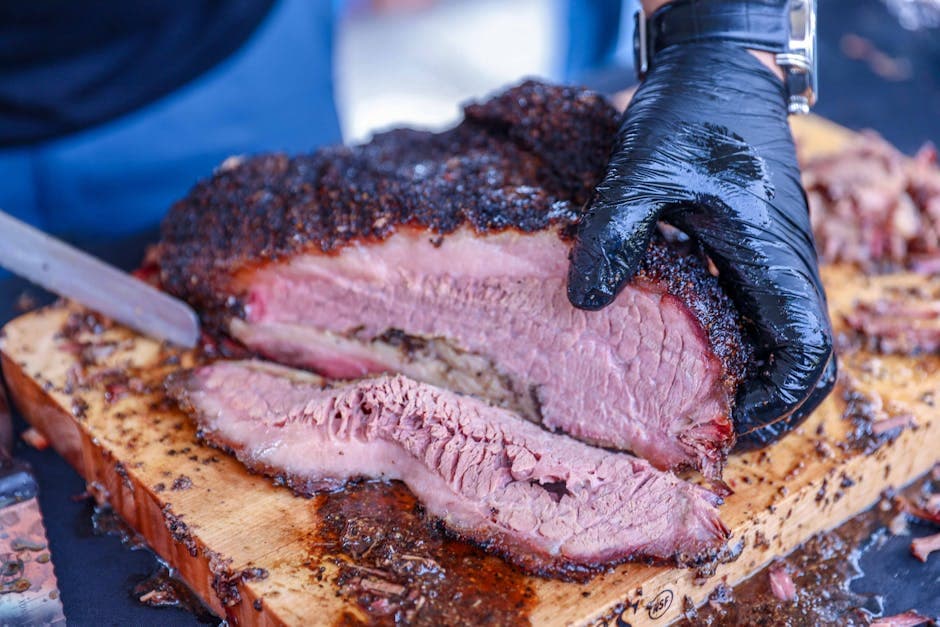
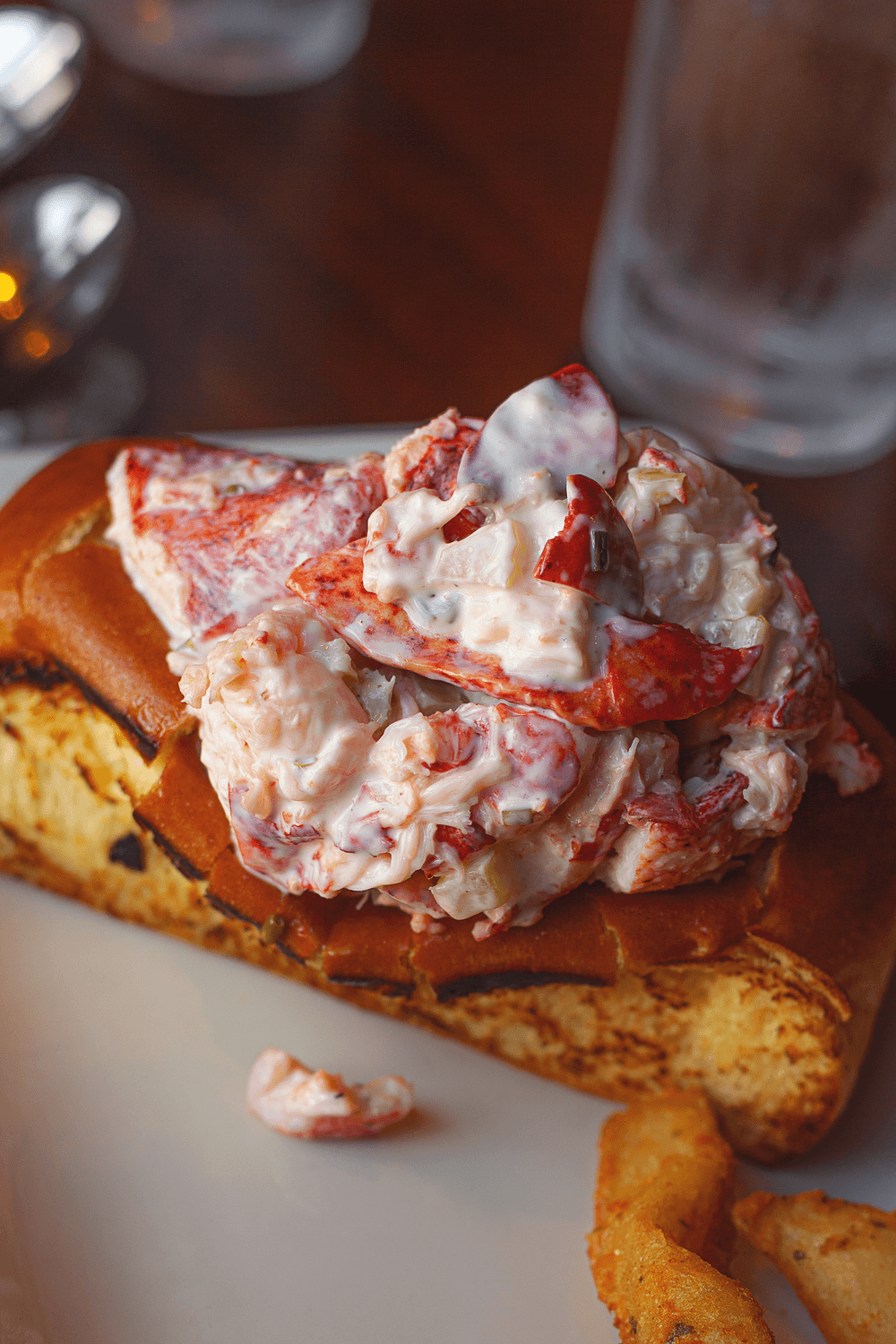
Region still rules. Southern barbecue alone splits into rivalrous schools: whole-hog with vinegar sauce in the Carolinas, dry-rubbed ribs in Memphis, beef brisket over post oak in Central Texas, and tomato-molasses sauce in Kansas City. New England claims clam chowder and lobster rolls; Louisiana's Creole and Cajun kitchens produce gumbo, jambalaya, and étouffée; the Southwest builds on chiles, from Hatch green chile to chili con carne. California's produce-driven cooking, codified by Alice Waters in the 1970s, reshaped restaurant food nationwide.
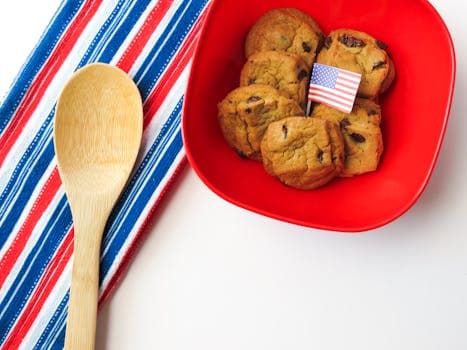
Home cooks treat the backyard grill and the oven as primary tools. Casseroles, roast turkey with stuffing, mac and cheese, and chocolate chip cookies (invented at the Toll House Inn in 1938) form a shared canon, while baking culture — pies especially, from apple to pecan — remains a point of regional pride. The cuisine's strength is absorption: tacos, ramen, and pho are now as much weeknight American cooking as meatloaf.
Barbecue Traditions
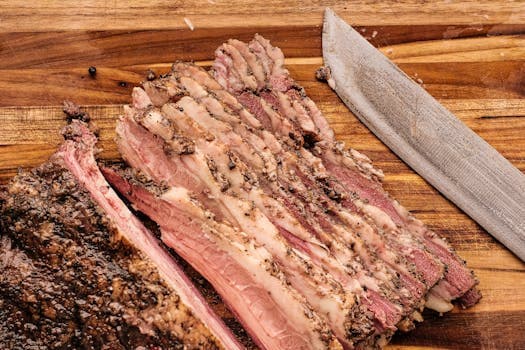
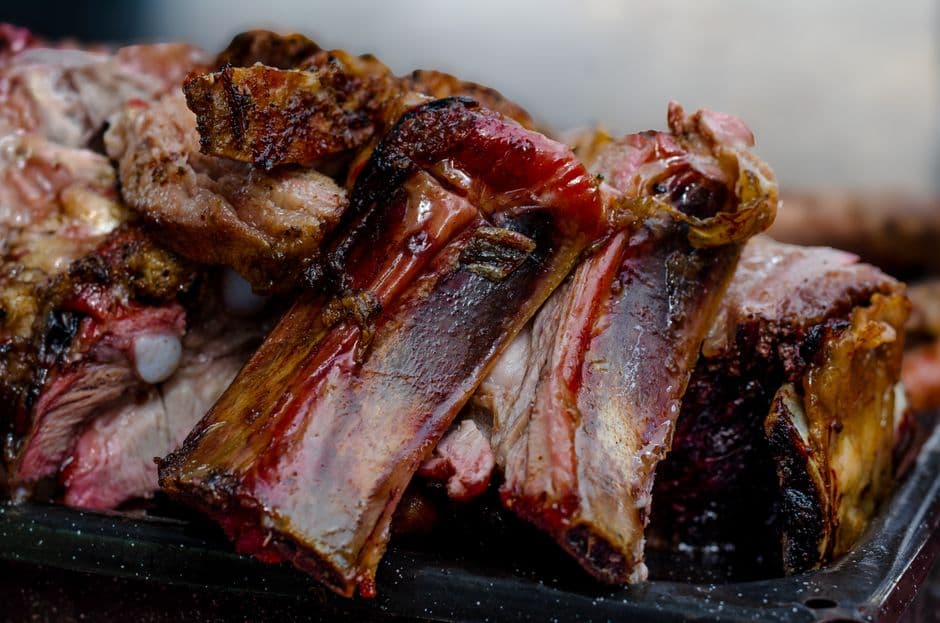
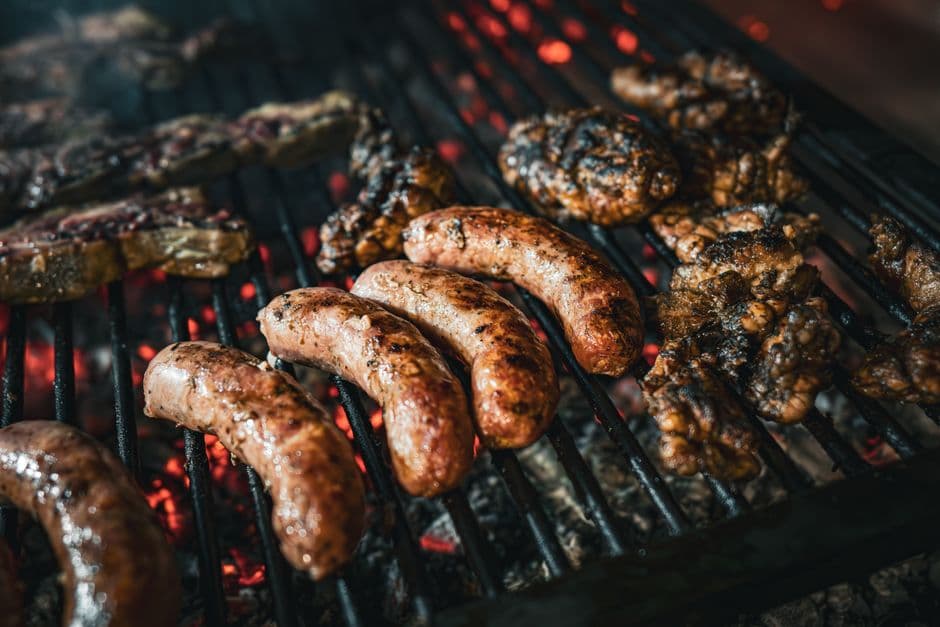
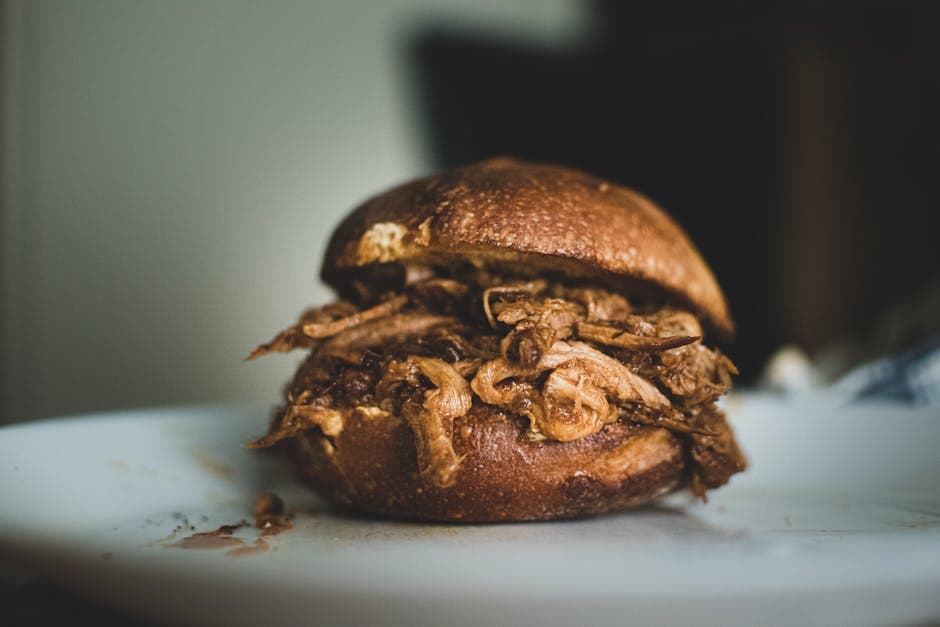
Slow smoking over wood — Carolina whole hog, Memphis ribs, Texas brisket, Kansas City sauce — is America's most distinctive indigenous-rooted technique.
Southern and Soul Food
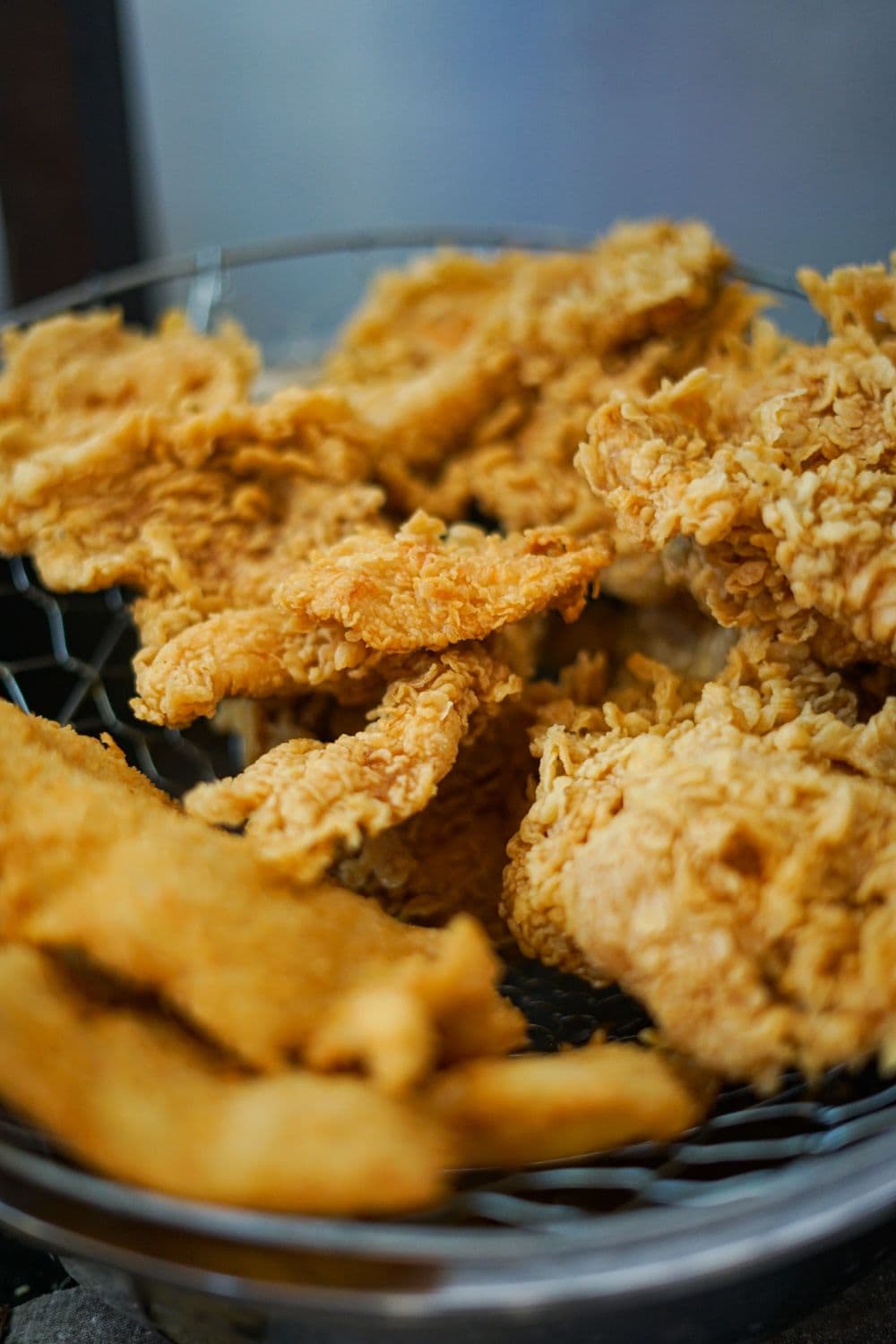
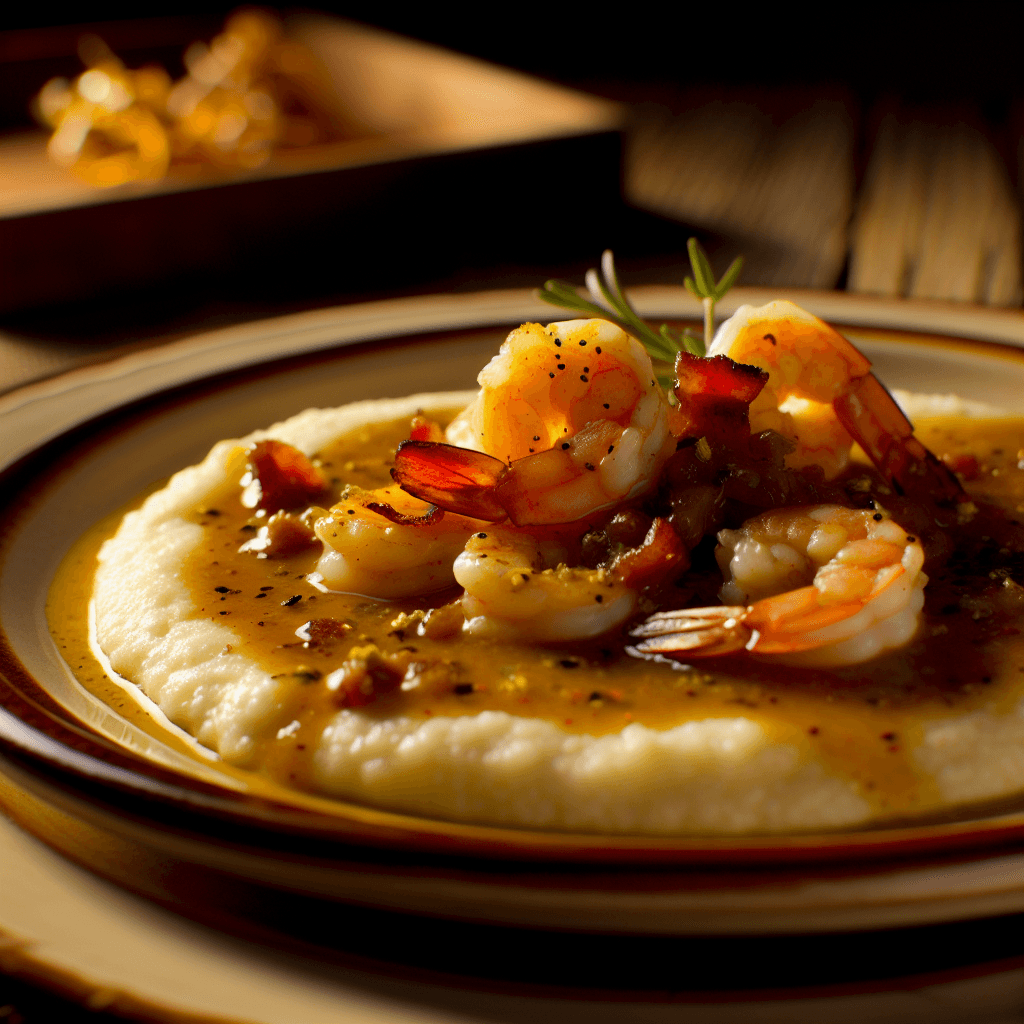
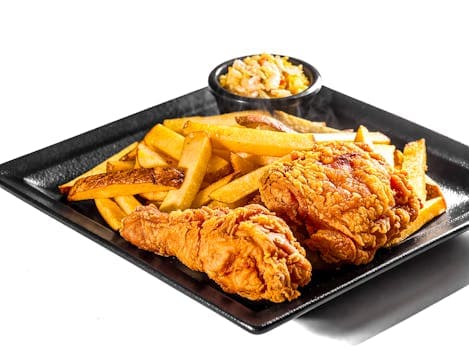
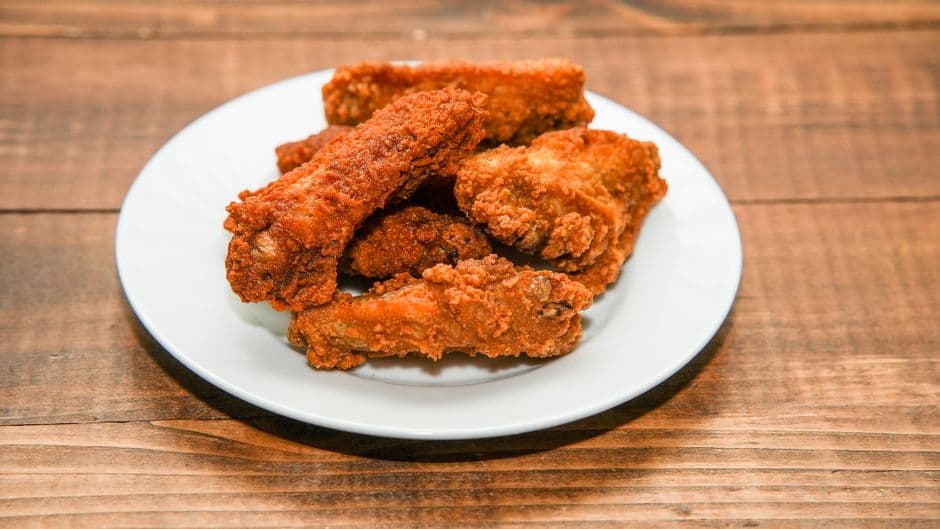
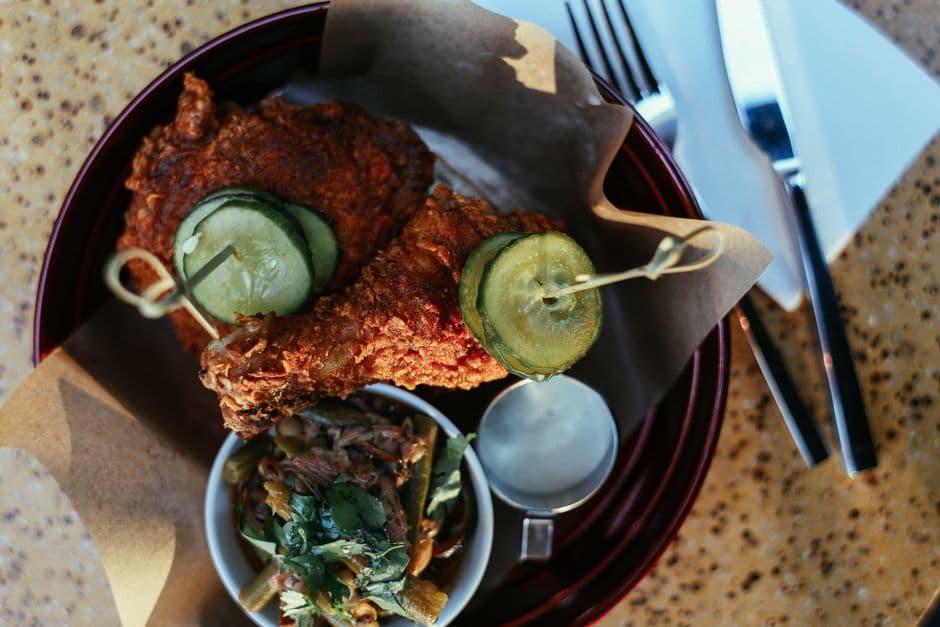
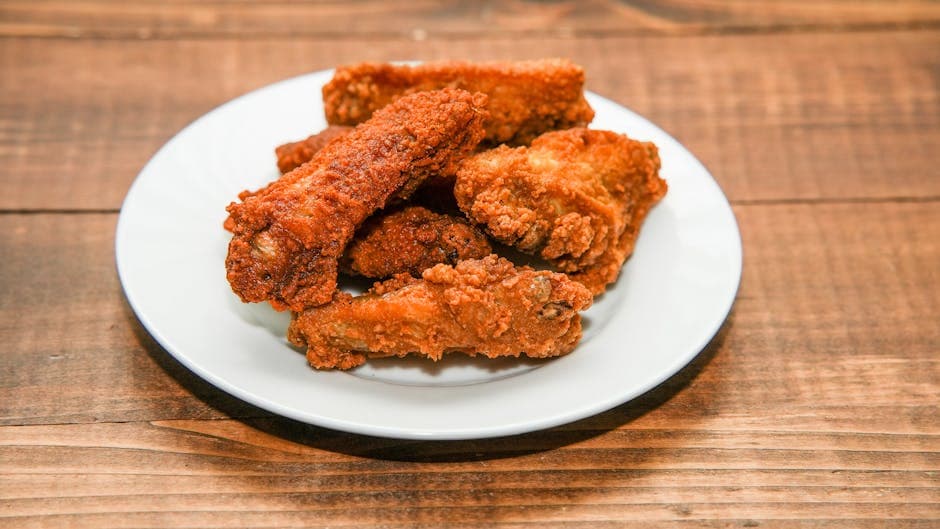
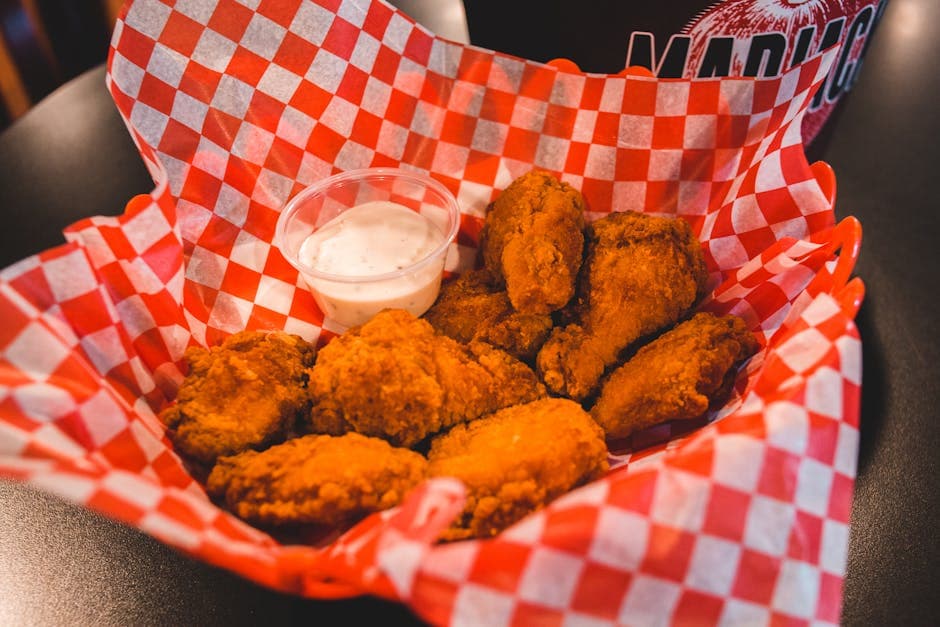
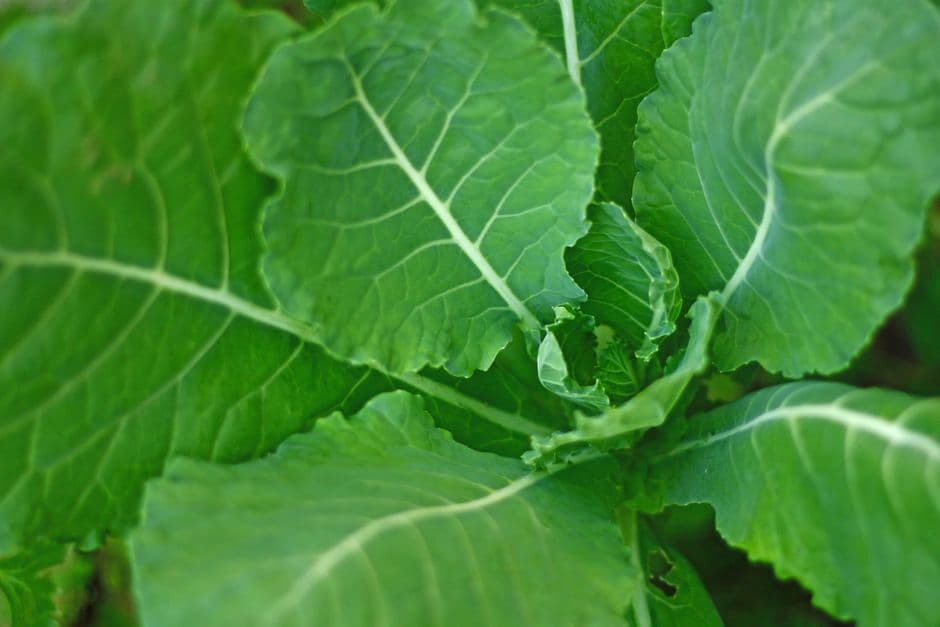
Fried chicken, collard greens, cornbread, biscuits, and gumbo descend from African, Indigenous, and European foodways in the South.
The Grill and the Burger
Backyard grilling of burgers, hot dogs, and steaks anchors casual American cooking and its social rituals.
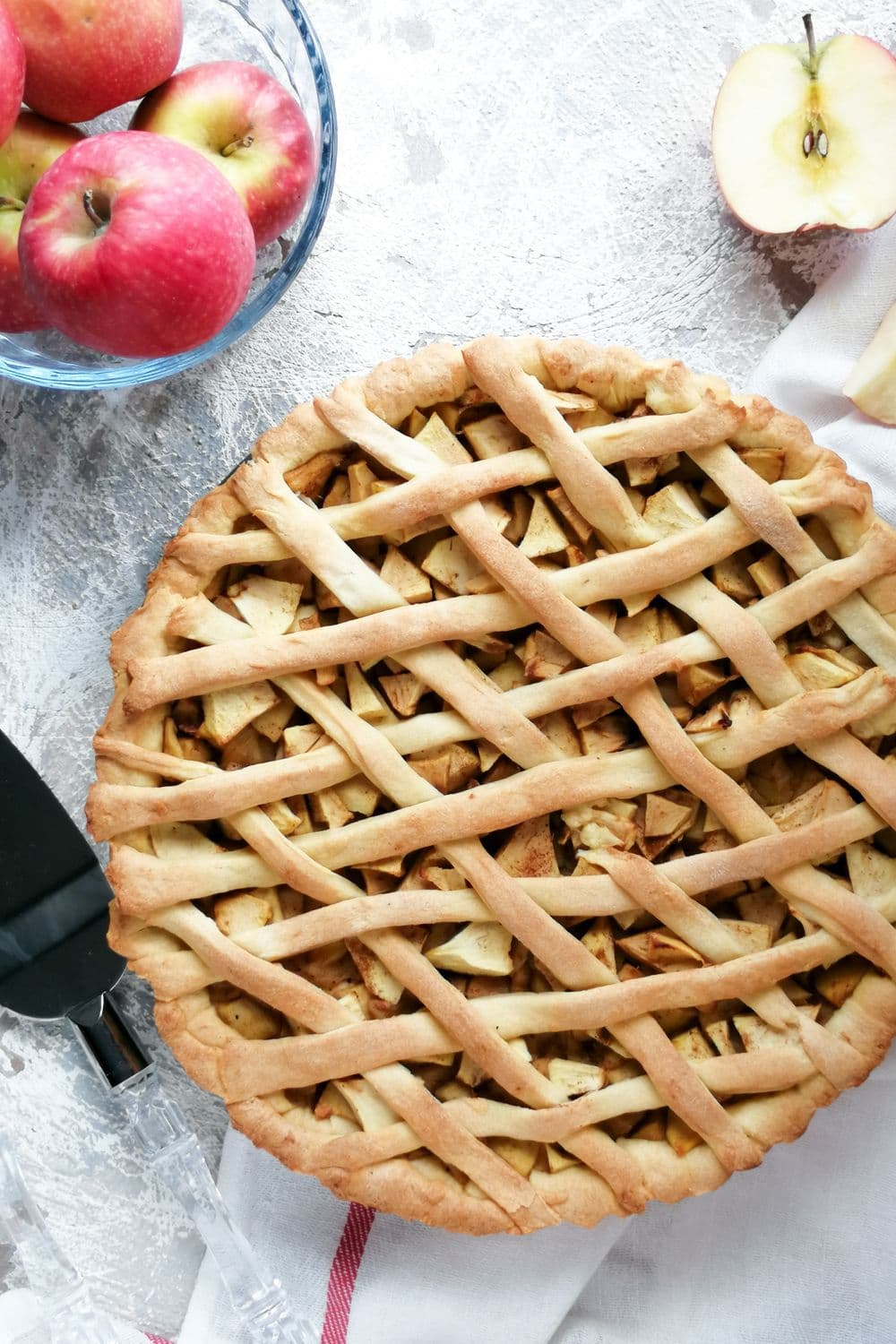
Pies and Home Baking
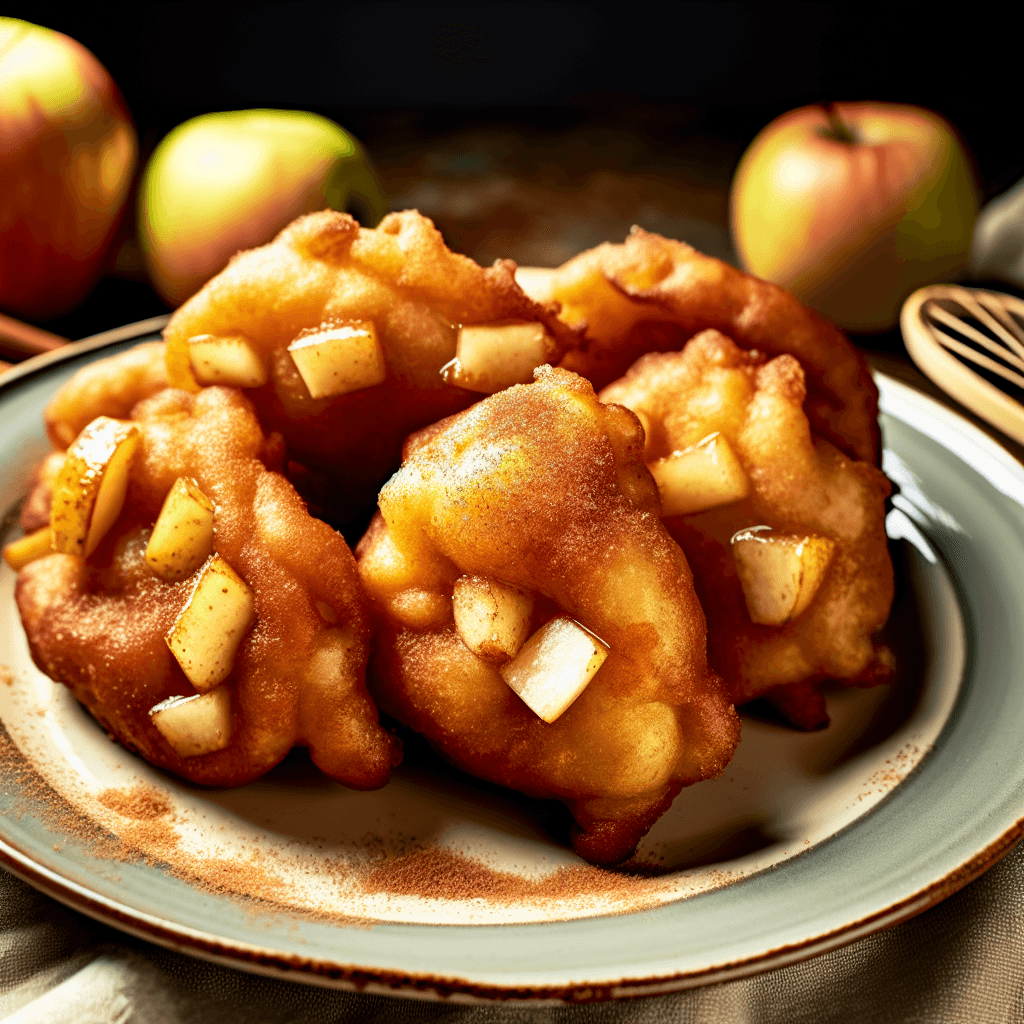
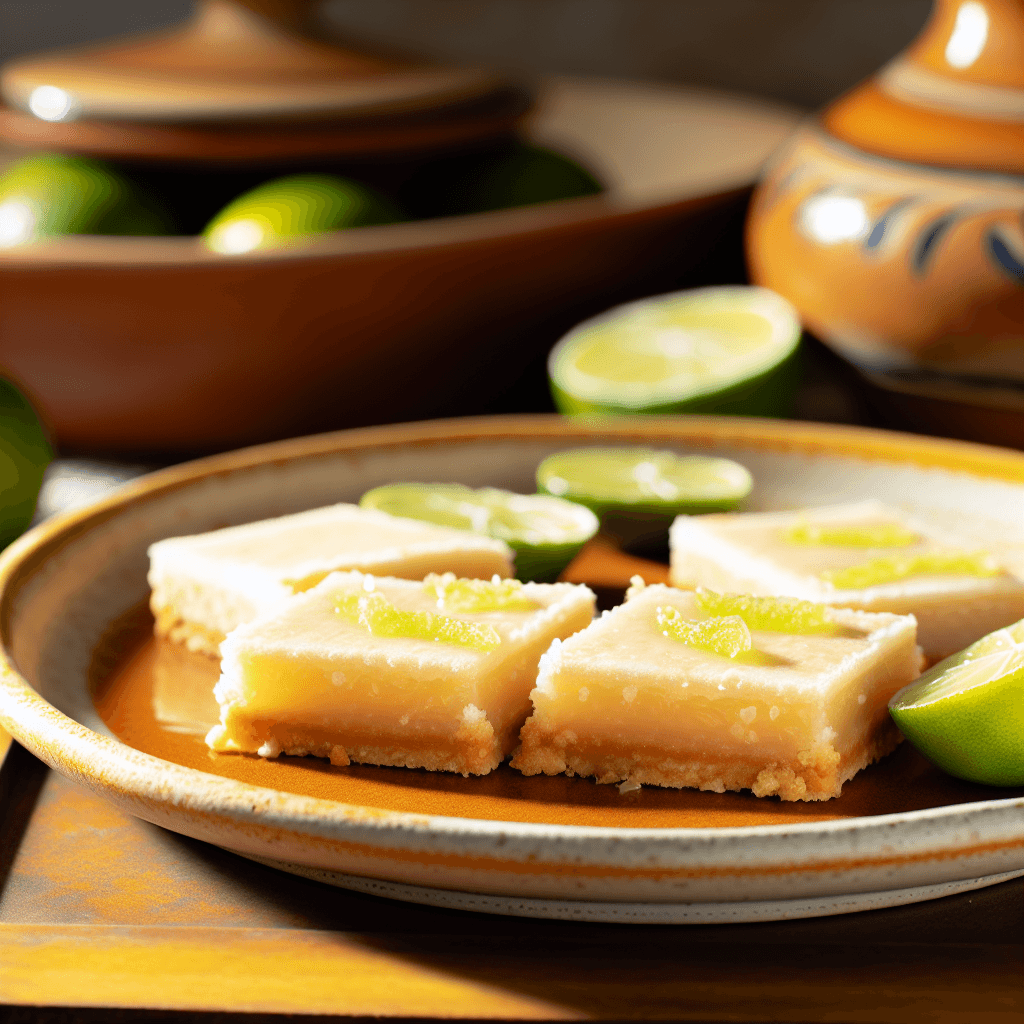
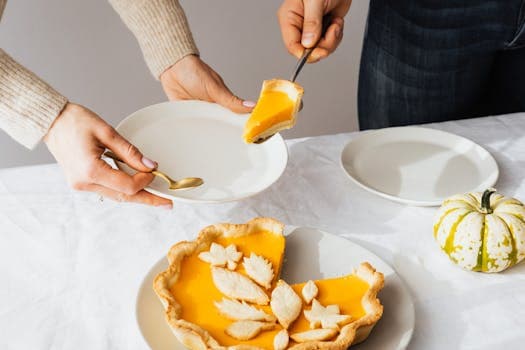
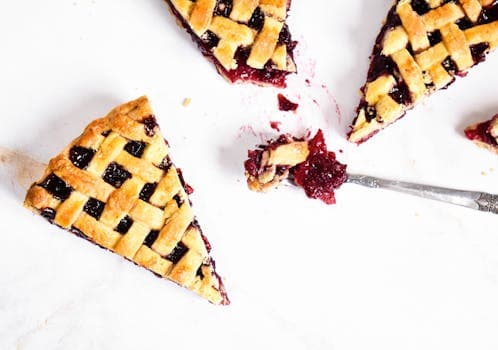
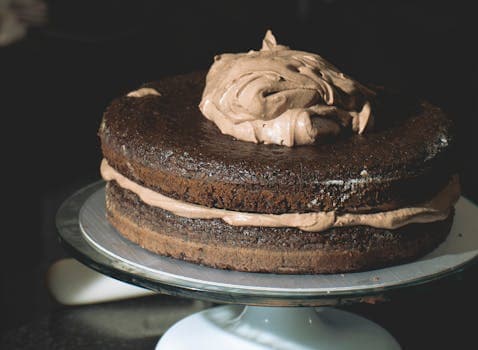
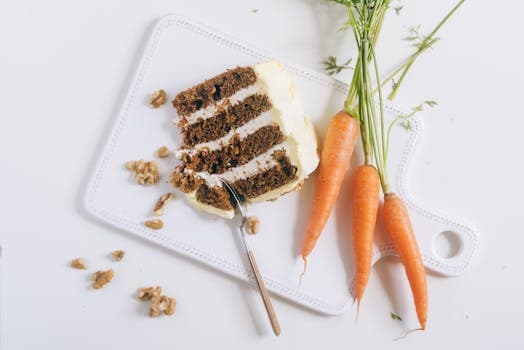
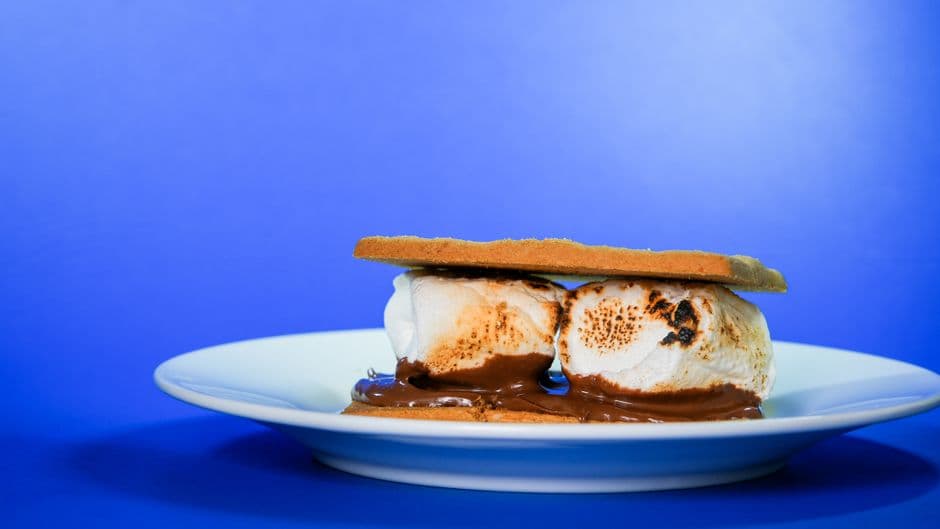
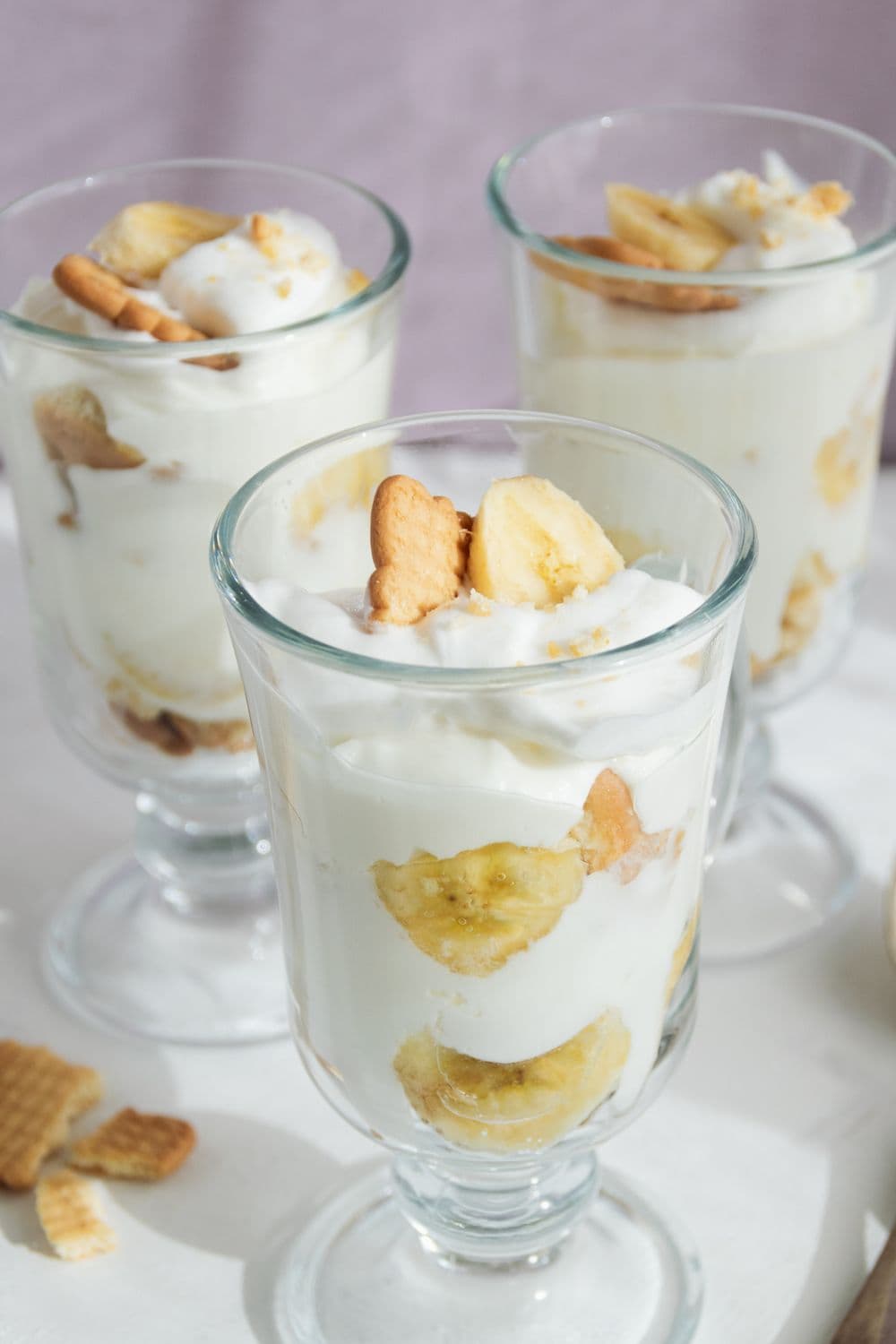
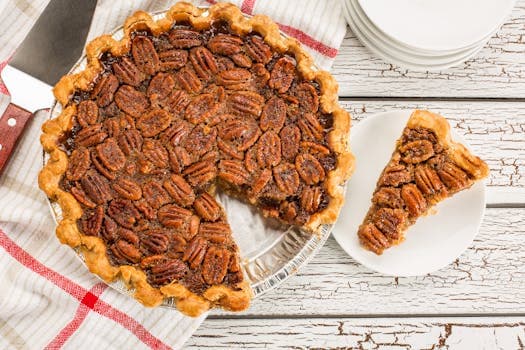
Apple, pecan, pumpkin, and key lime pies, plus chocolate chip cookies and layer cakes, define the dessert canon.
Regional Seafood
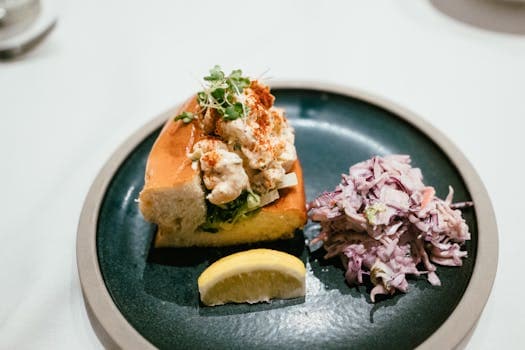
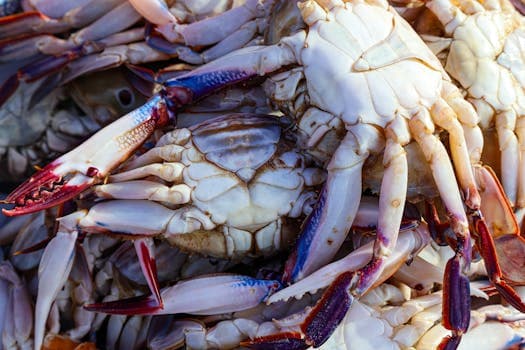
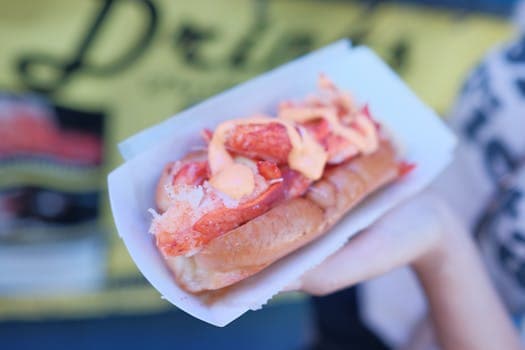
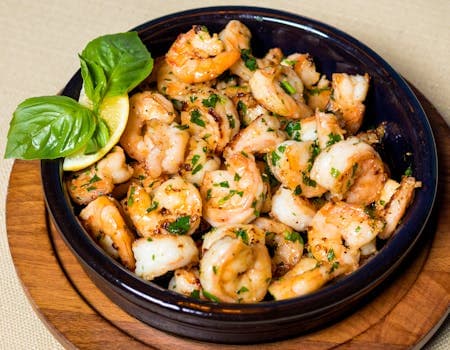
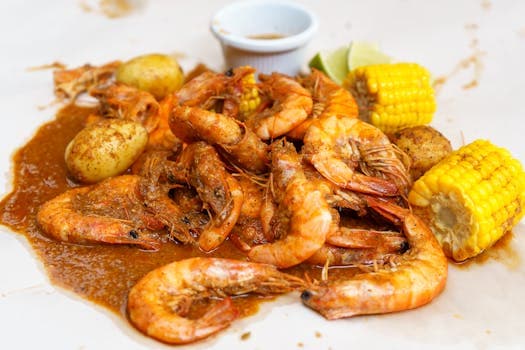
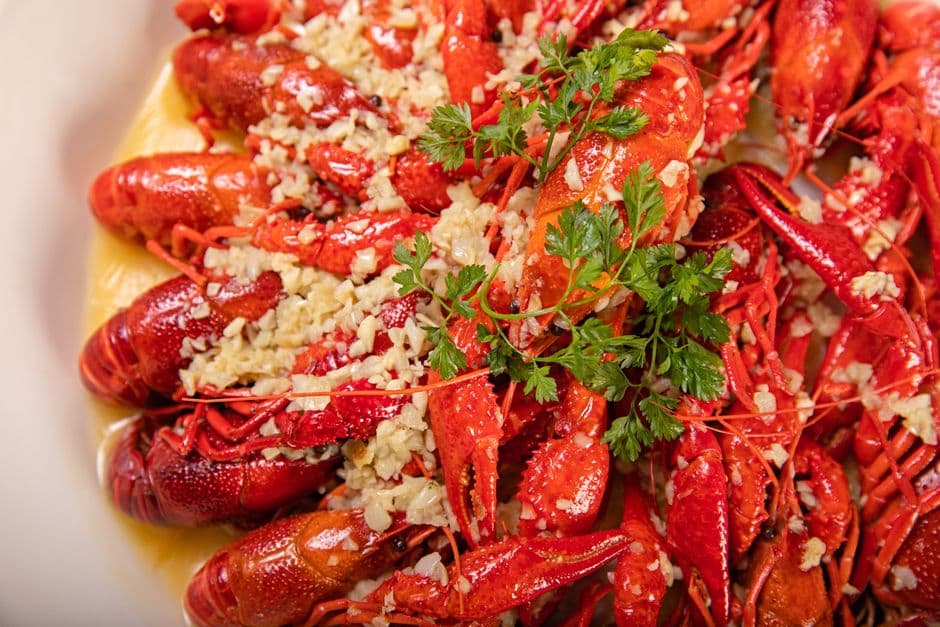
New England clam chowder and lobster rolls, Chesapeake crab cakes, and Gulf shrimp boils tie cooking to coastline.
Immigrant-Built Dish Families
Tex-Mex, Italian-American red sauce, Chinese-American stir-fries, and deli culture are original American creations from immigrant kitchens.
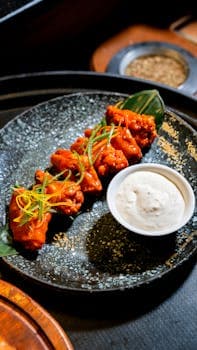
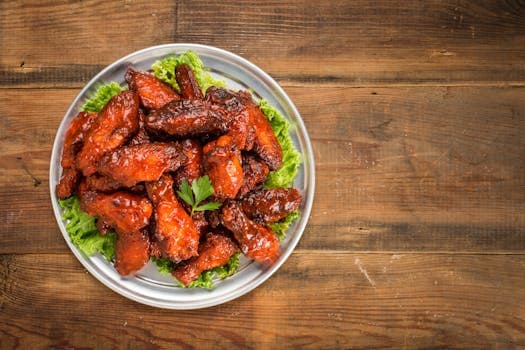
American cuisine is known for barbecue, hamburgers, fried chicken, Thanksgiving roast turkey, apple pie, and regional traditions like New England chowder, Louisiana gumbo, and Tex-Mex. Its defining trait is synthesis: Indigenous, African, European, Asian, and Latin American foodways combined into new dish families that exist nowhere else, like Buffalo wings, chocolate chip cookies, and California rolls.
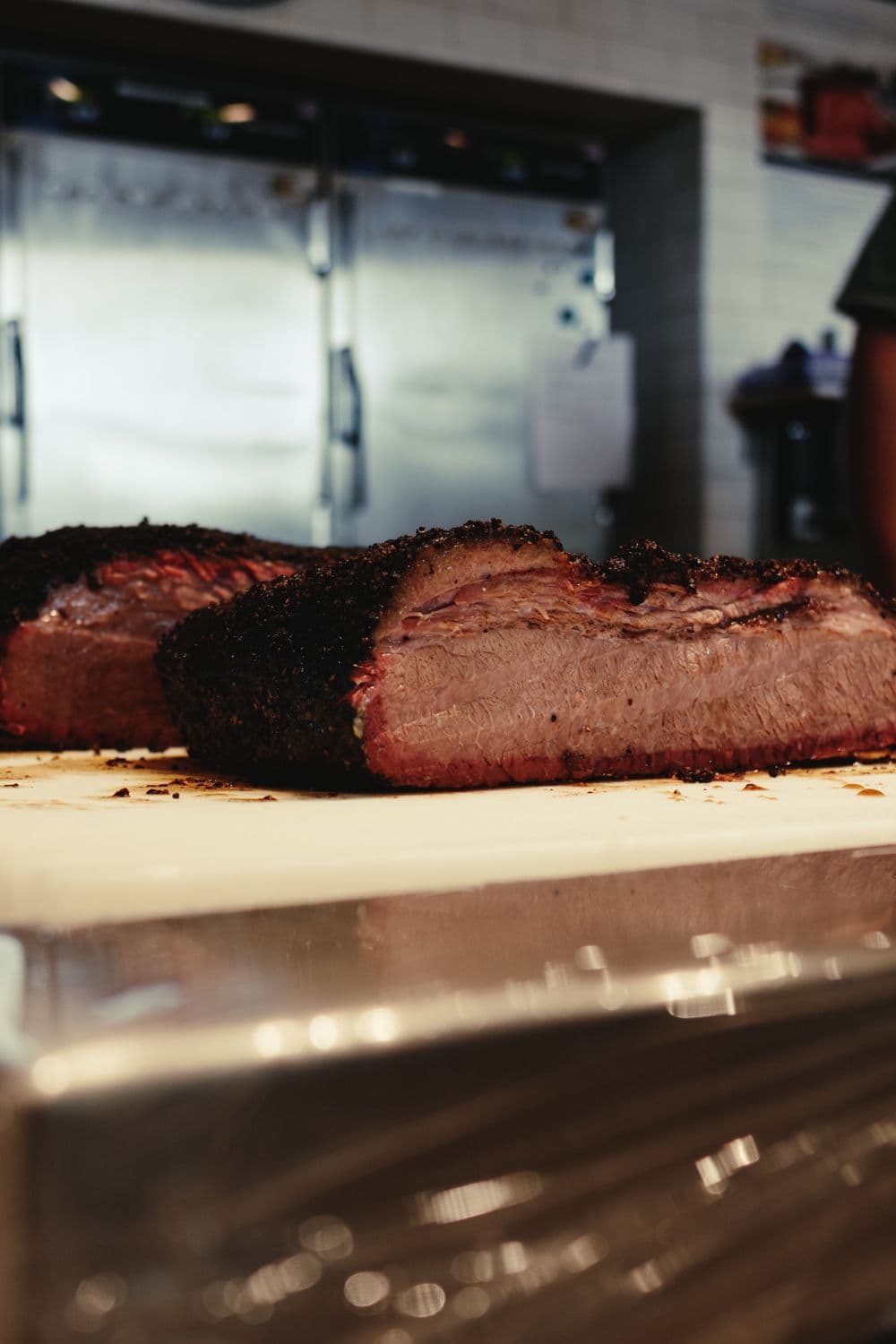
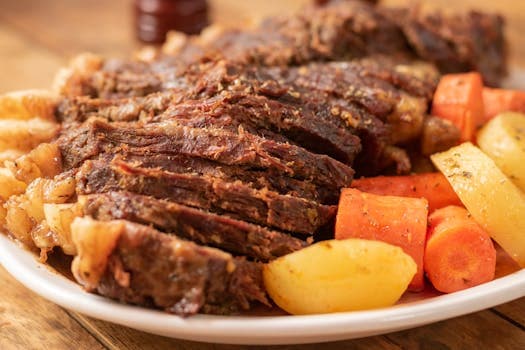
Four major schools: Carolina barbecue smokes whole hog or pork shoulder with vinegar- or mustard-based sauces; Memphis specializes in dry-rubbed pork ribs; Central Texas smokes beef brisket over post oak with salt-and-pepper rubs and minimal sauce; Kansas City covers everything in thick tomato-molasses sauce and claims burnt ends as its signature.
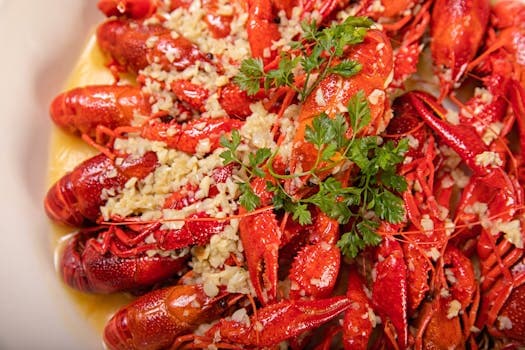
Both come from Louisiana but differ in origin. Creole is New Orleans city cooking with French, Spanish, African, and Caribbean influence — it uses tomatoes and butter, as in Creole gumbo and shrimp Creole. Cajun is rural Acadiana cooking from French-Canadian settlers — darker roux, more pork fat, no tomatoes traditionally, as in boudin and crawfish étouffée.
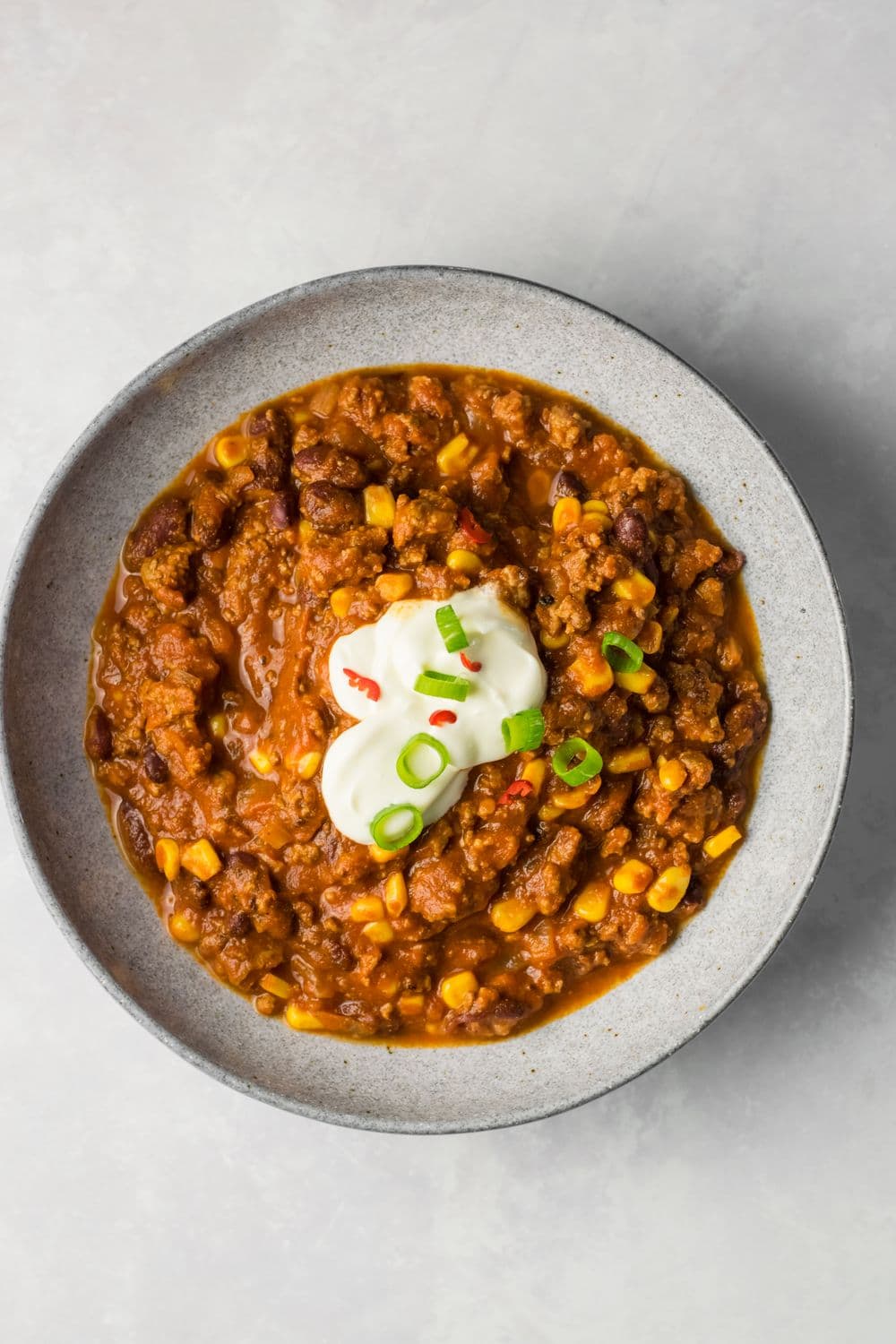
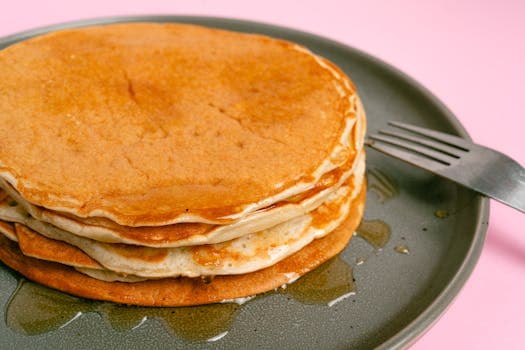
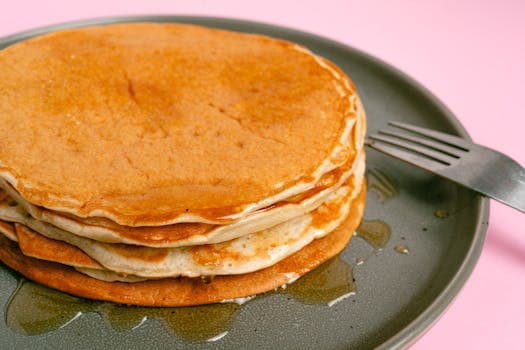
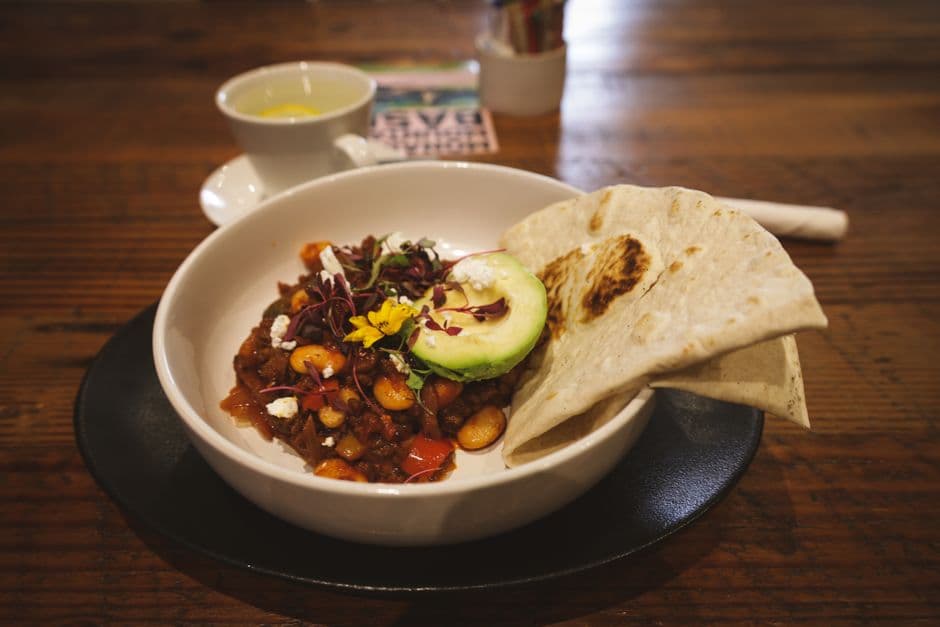
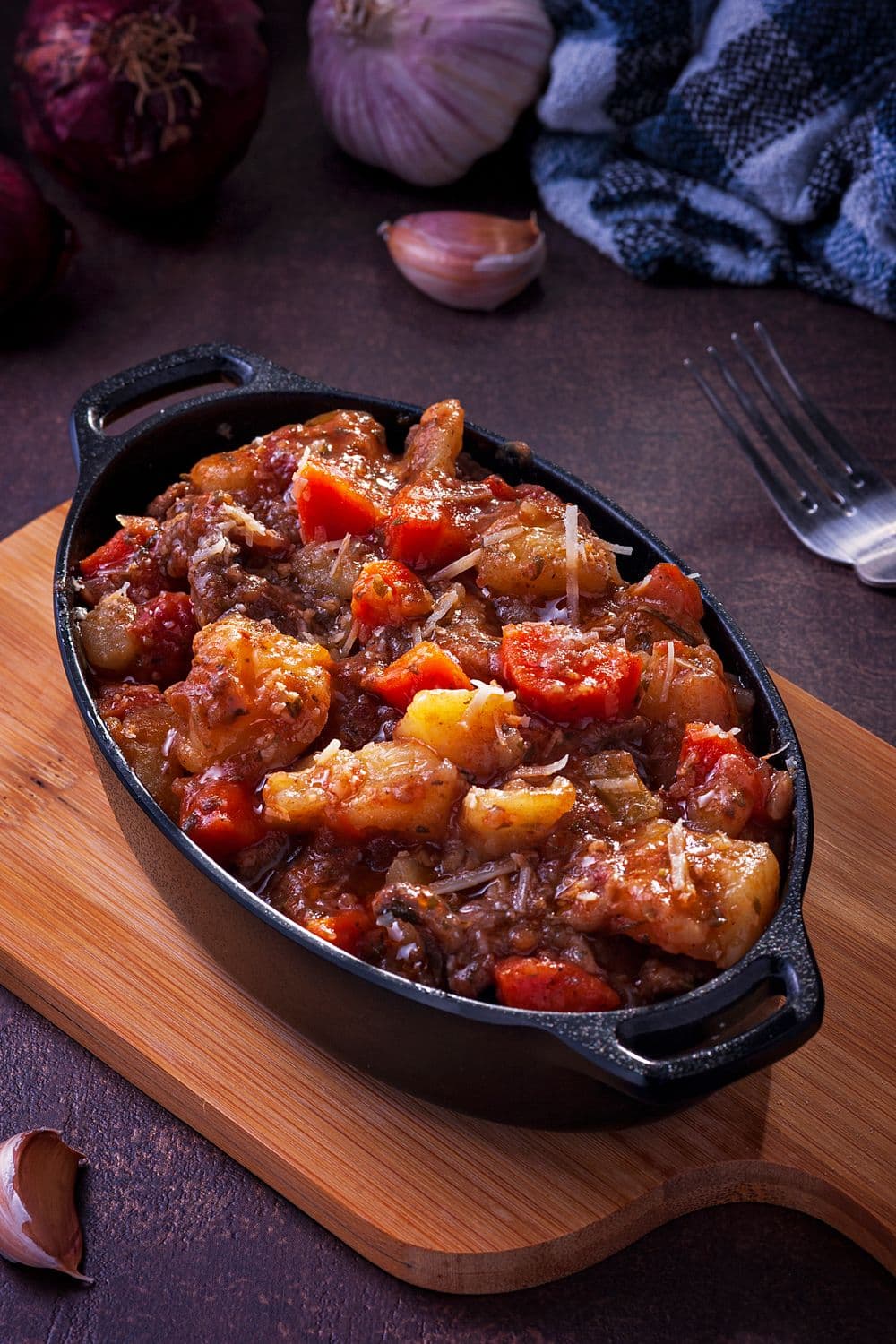
A smash burger teaches heat control and seasoning with minimal ingredients. Buttermilk pancakes, mac and cheese with a roux-based sauce, and roast chicken cover the technique fundamentals. Chocolate chip cookies introduce baking ratios. Chili con carne is a forgiving one-pot dish that improves overnight and tolerates endless variation.
Southern food rests on corn (cornbread, grits), pork (bacon, ham hocks for seasoning greens), buttermilk biscuits, and frying technique, with rice central along the coastal Lowcountry. Its core was shaped by enslaved African cooks, who contributed okra, black-eyed peas, deep-frying traditions, and rice cultivation knowledge. Hospitality rituals — Sunday dinner, potlucks — are part of the cuisine itself.
Calculators and converters that pair with this page — no signup needed.