NewDinner
Brazilian Feijoada — Black Bean and Pork Stew
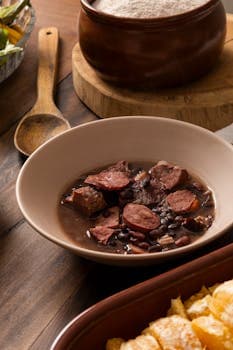
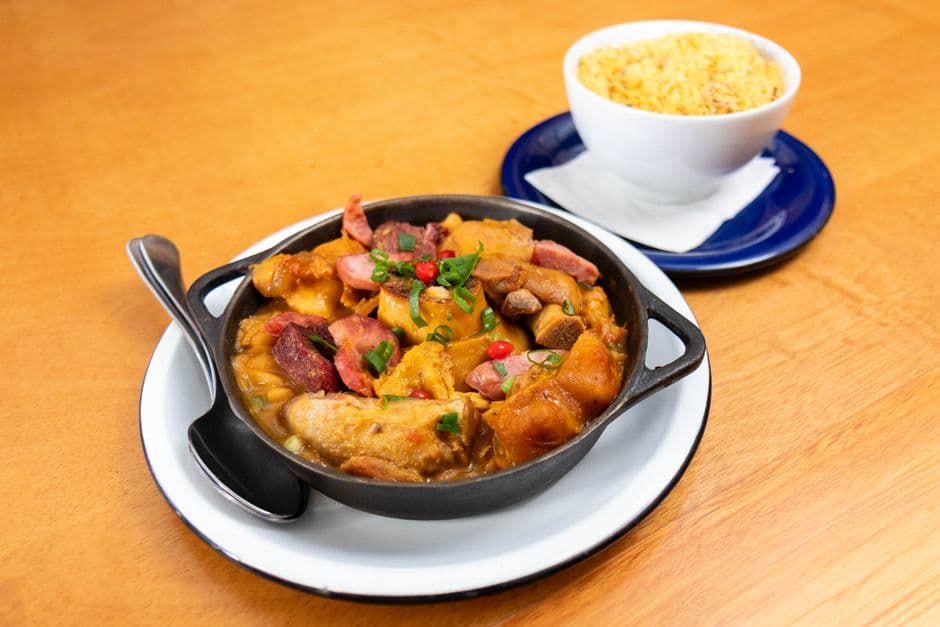
Brazil's national dish — a hearty black bean stew slow-cooked with pork ribs, smoked sausage and cured meats, served with rice, farofa, oranges and kale.
210 min620 kcalMedium
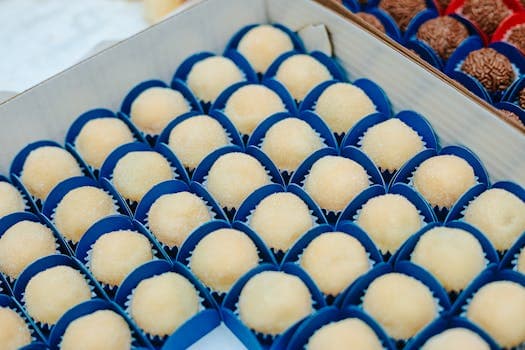
Feijoada, churrasco, brigadeiros — bold, tropical and communal.
More recipes built around the same core ingredients.
Track what you eat
Snap your meal to log calories and macros, run fasting timers and track water in the free SnapCal app.
Plan your meals, track fasting and build your grocery list — free
MyCookingCalendar's dashboard runs right in your browser, no download needed.
Latin American Cuisine: Recipes from Mexico to Argentina
Explore the diverse flavors of Latin America with 40+ authentic recipes from Mexico, Peru, Brazil, and beyond.
14 Real Recipes With 5 Ingredients or Less
14 well-rated recipes from around the world that use five ingredients or fewer — proof that a short ingredient list doesn't mean a compromise on flavor.
15 Freezer-Friendly Make-Ahead Meals That Actually Reheat Well
15 real, well-rated stews, braises, curries and bakes from around the world that freeze without losing texture — plus the portioning, thawing and reheating technique to make them taste freshly cooked.
Brazilian cuisine merges three roots: Indigenous peoples contributed cassava (manioc) in all its forms — farinha meal, tapioca, tucupi broth — along with native fruits like açaí and cupuaçu; Portuguese colonizers brought stews, salt cod, and sugar plantation culture; and enslaved Africans, especially in Bahia, created the dendê palm oil cooking of moqueca fish stew, acarajé black-eyed pea fritters, and vatapá. Feijoada, the black bean and pork stew considered the national dish, descends from Portuguese bean-and-meat cozidos adapted over centuries.
Regions diverge widely across a continental country. Bahia's Afro-Brazilian kitchen is the most distinctive, built on dendê oil, coconut milk, and malagueta chilies. The southern gaúcho states perfected churrasco — beef cuts like picanha skewered and roasted over open flame, salted and nothing more. Minas Gerais produces pão de queijo cheese bread, slow-cooked pork, and couve greens; the Amazon contributes tacacá soup, jambu leaf, and river fish like tambaqui; the northeast dries beef into carne de sol served with cassava.
Daily home cooking is anchored by rice and beans — arroz e feijão — served at lunch, the main meal, with farofa (toasted cassava meal) scattered over everything for texture. Weekend rituals matter: feijoada on Saturdays with orange slices and couve, churrasco gatherings, and salgados (coxinha, pastel) for parties. Desserts run sweet and condensed-milk-based, from brigadeiro chocolate truffles to pudim flan, a Portuguese inheritance.
Rice, Beans, and Farofa
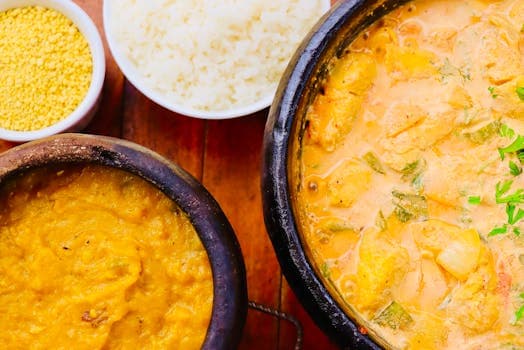
Arroz e feijão with toasted cassava meal farofa is the daily lunch foundation across all Brazilian regions and classes.
Churrasco
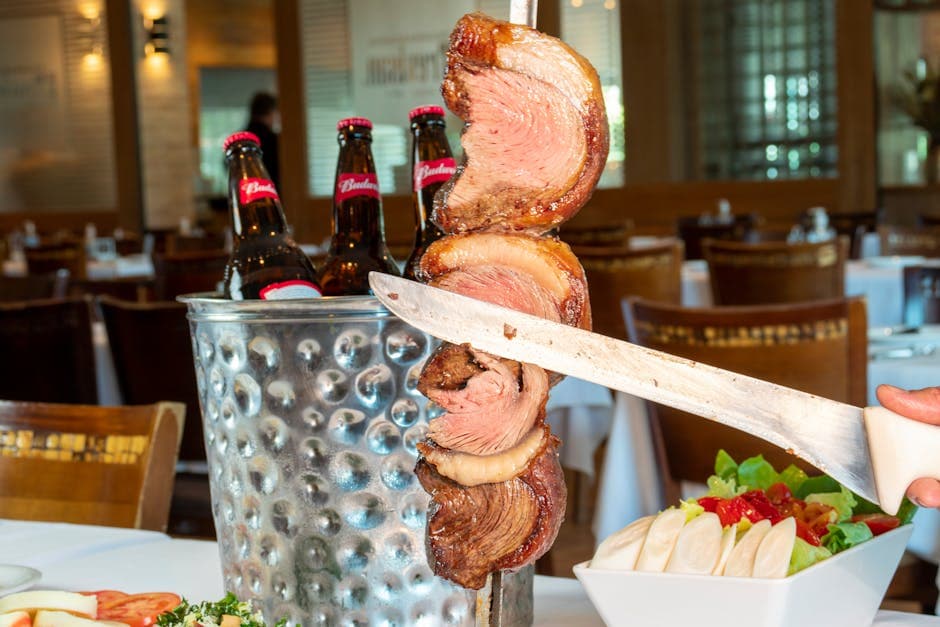
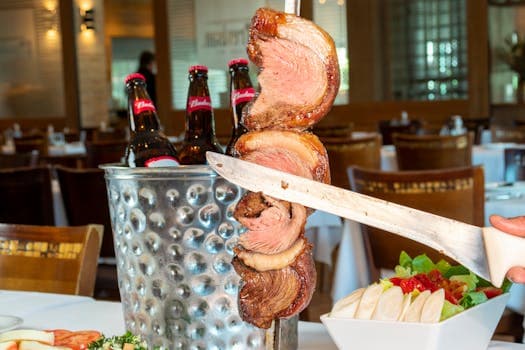
Southern-style barbecue skewers beef cuts like picanha over open flame, seasoned only with coarse salt and carved tableside.
Cassava (Mandioca)
Brazil's indigenous staple appears as farinha meal, tapioca crepes, fried mandioca, and the Amazonian fermented broth tucupi.
Afro-Bahian Cooking
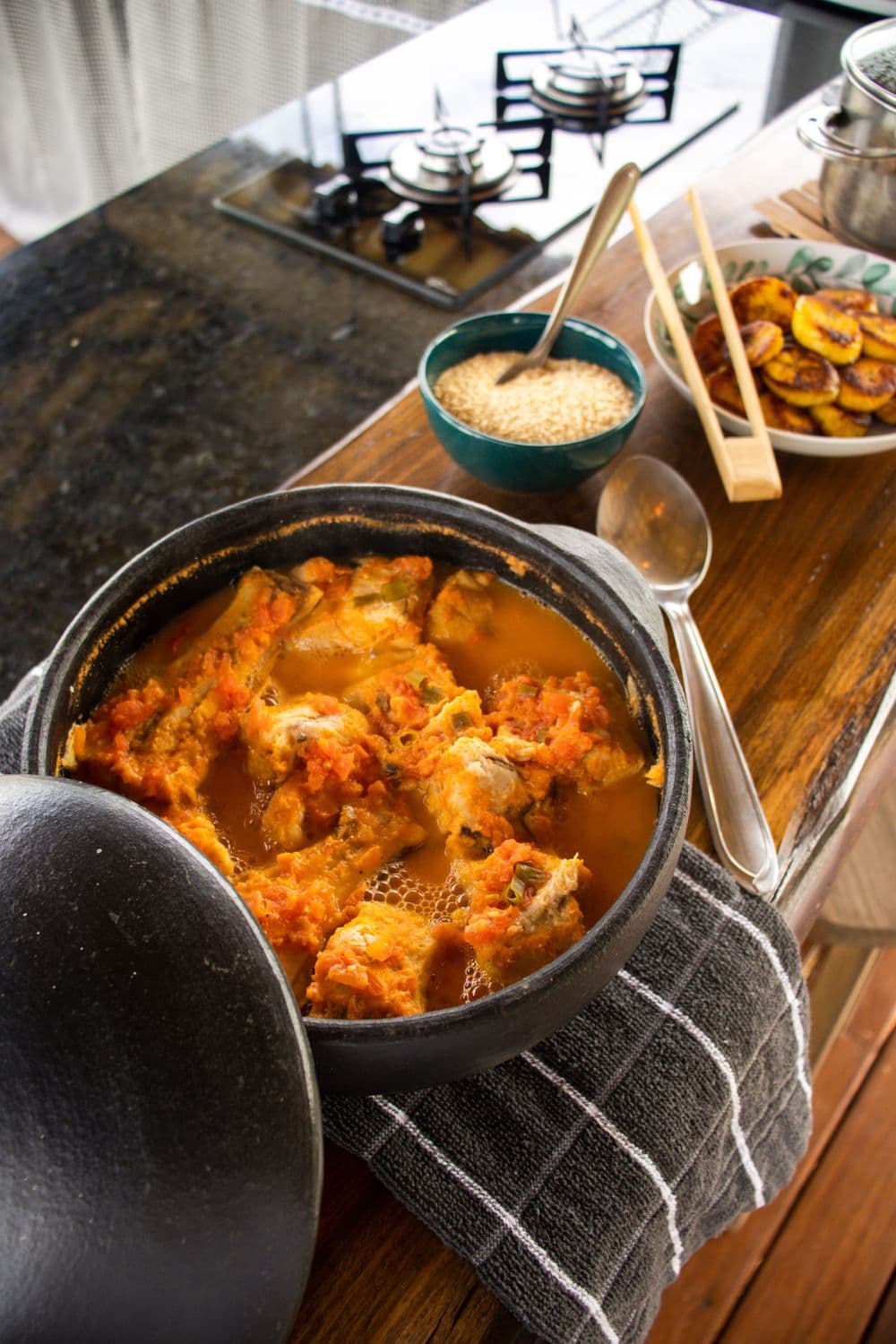
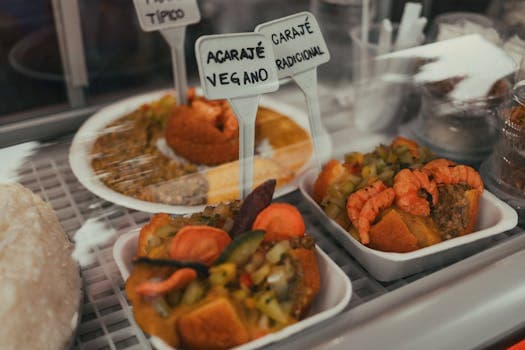
Dendê palm oil, coconut milk, and malagueta chilies define moqueca, acarajé, and vatapá, the African-rooted cuisine of Bahia.
Feijoada and Slow Stews
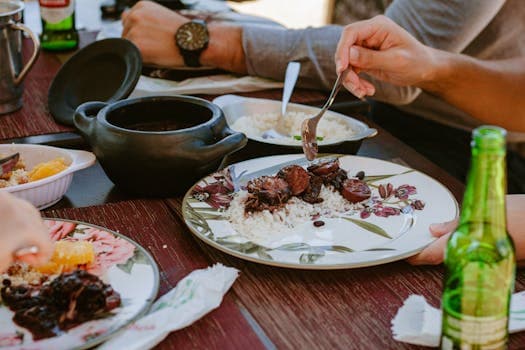
The black bean and pork national dish is a weekend ritual served with rice, orange slices, couve greens, and farofa.
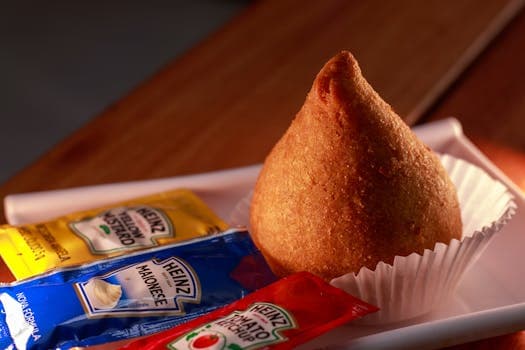
Salgados and Condensed-Milk Sweets
Party foods like coxinha and pastel pair with brigadeiros and pudim, the condensed-milk dessert canon.
Brazilian food is known for churrasco barbecue (especially picanha), feijoada black bean stew, pão de queijo cheese bread, moqueca fish stew, açaí, and brigadeiro sweets. Daily eating centers on rice, beans, and farofa toasted cassava meal. The cuisine blends Indigenous cassava traditions, Portuguese stews and desserts, and Afro-Brazilian palm oil cooking from Bahia.
Feijoada is a slow-cooked stew of black beans with varied pork cuts — traditionally including smoked sausage, ribs, and salted meats. It's a social weekend dish, typically eaten at long Saturday lunches, served with white rice, sautéed couve (collard greens), farofa, and orange slices, which are said to aid digestion of the rich stew.
Generally no. Most Brazilian cooking is savory and mild, seasoned with garlic, onion, bay leaf, and cilantro rather than chili. The exception is Bahia, where malagueta pepper sauce accompanies Afro-Brazilian dishes — but even there, heat usually comes as a table condiment. Hot sauce is offered, not imposed, almost everywhere in the country.
Pão de queijo needs only tapioca flour, cheese, eggs, and oil — nearly foolproof. Brazilian-style rice and beans with garlic teaches the daily foundation. Brigadeiros require just condensed milk, cocoa, and butter. For a centerpiece, moqueca is a forgiving one-pan fish stew, and grilled picanha needs only coarse salt and high heat.
Churrasco uses large cuts — picanha, fraldinha, ribs — skewered and roasted over open flame or charcoal, seasoned only with coarse rock salt, then sliced off the skewer in rounds of service. American barbecue typically smokes meat low and slow with rubs and sauces. Churrasco prioritizes the pure taste of beef; sauces like chimichurri-style vinagrete are served on the side.
Calculators and converters that pair with this page — no signup needed.