New▶ VideoDinner
Proper British Fish and Chips
Crispy beer-battered cod with fluffy chips — the iconic British Friday night dish with mushy peas and tartare sauce.
60 min680 kcalMedium
Shepherd's pie, fish and chips, Sunday roasts and classic comfort food.
More recipes built around the same core ingredients.
Track what you eat
Snap your meal to log calories and macros, run fasting timers and track water in the free SnapCal app.
Plan your meals, track fasting and build your grocery list — free
MyCookingCalendar's dashboard runs right in your browser, no download needed.
15 No-Cook Recipes: Real Meals Without Turning On the Stove
15 genuinely no-cook recipes — ceviche, cured salmon, salads, dips and no-bake desserts — verified against real steps and cook times, not just labeled 'easy'.
14 High-Protein Recipes With the Numbers to Prove It
14 real recipes from our database with genuinely high protein per serving — verified against actual nutrition data, spanning chicken, beef, lamb, pork, fish, and plant-based sources.
8 Recipes to Use Up Leftover Buttermilk
Bought a carton for one recipe and now have most of it left? Eight real recipes — pancakes, fried chicken, cornbread, cake — that actually use buttermilk as a core ingredient, not a garnish.
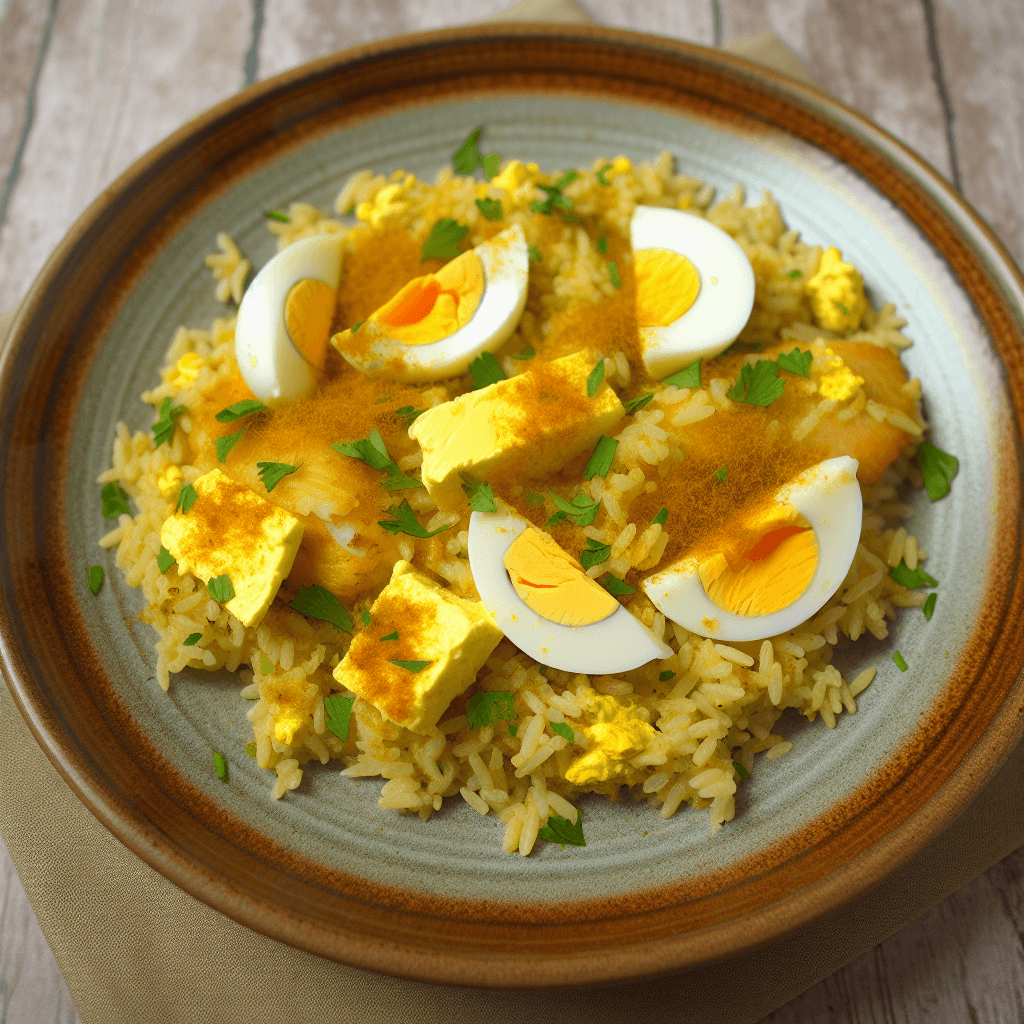
British cuisine is a layered history: medieval spiced pies and roasts, the Sunday roast tradition codified in the 18th century, and dishes shaped by empire — kedgeree adapted from Indian khichdi, and chicken tikka masala, invented in Britain and once called its true national dish. Wartime rationing (1940–1954) flattened the food culture for a generation, which fed the cuisine's unfair reputation; the ingredients-led revival since the 1990s, driven by chefs like Fergus Henderson's nose-to-tail movement, restored regional pride.
The repertoire is built around comfort and thrift: fish and chips (introduced by Jewish immigrants frying fish and Northern chip shops), shepherd's and cottage pies that stretch leftover meat, Cornish pasties built as miners' portable lunches, and a pudding tradition — sticky toffee, spotted dick, treacle sponge — unmatched in Europe. Cheese is a genuine strength: Stilton, farmhouse Cheddar from Somerset, and Lancashire all carry centuries of craft.
At home, British cooking is organized around rituals: the full English breakfast, the Sunday roast with Yorkshire pudding and proper gravy, and afternoon tea with scones and jam. Technique is mostly roasting, braising, and baking — accessible methods that reward good raw materials like grass-fed beef, day-boat fish, and seasonal produce such as asparagus, rhubarb, and game in autumn.
The Sunday roast
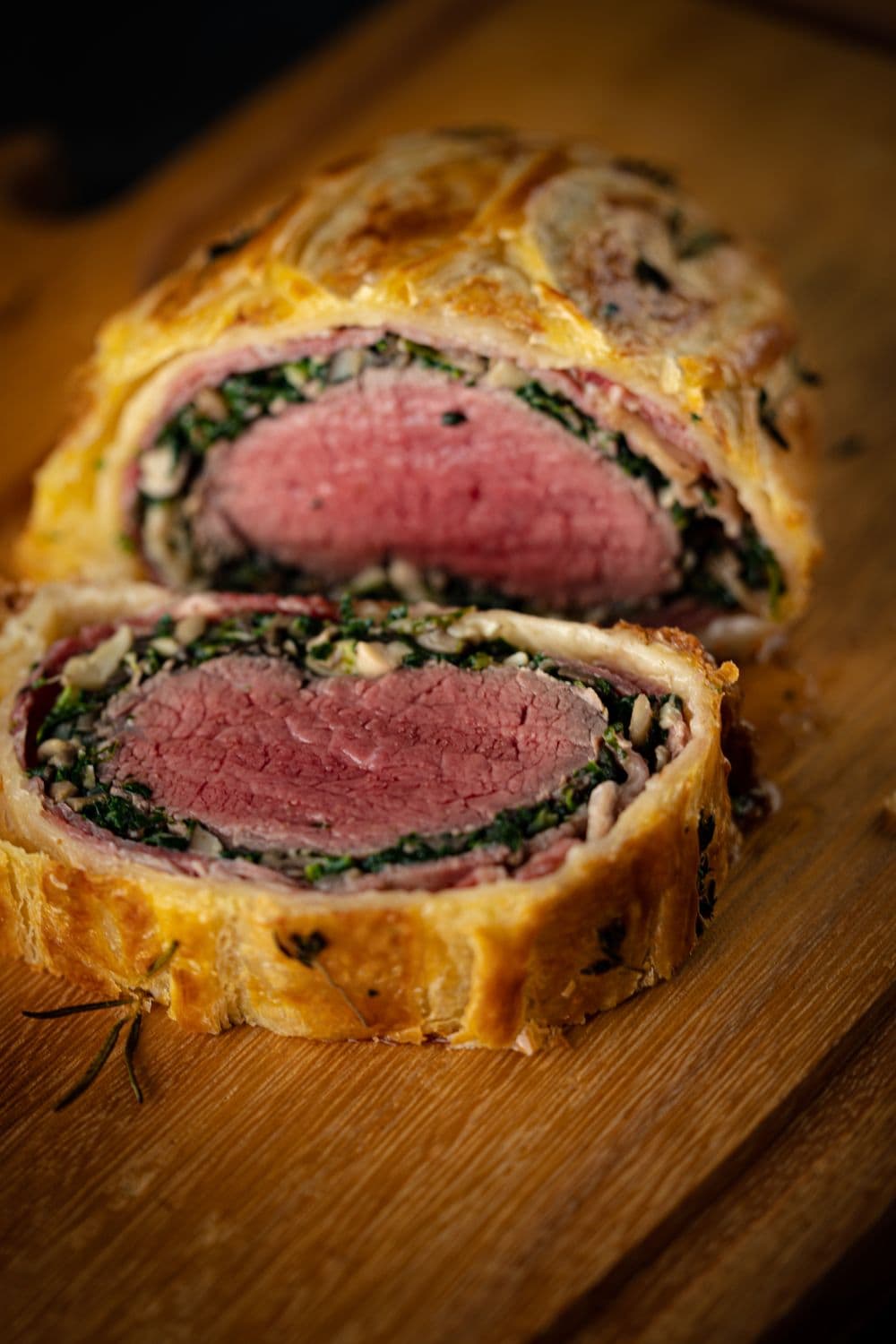
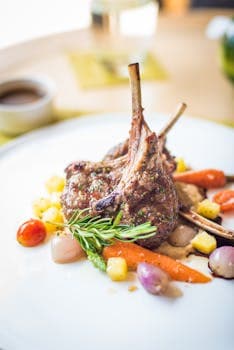
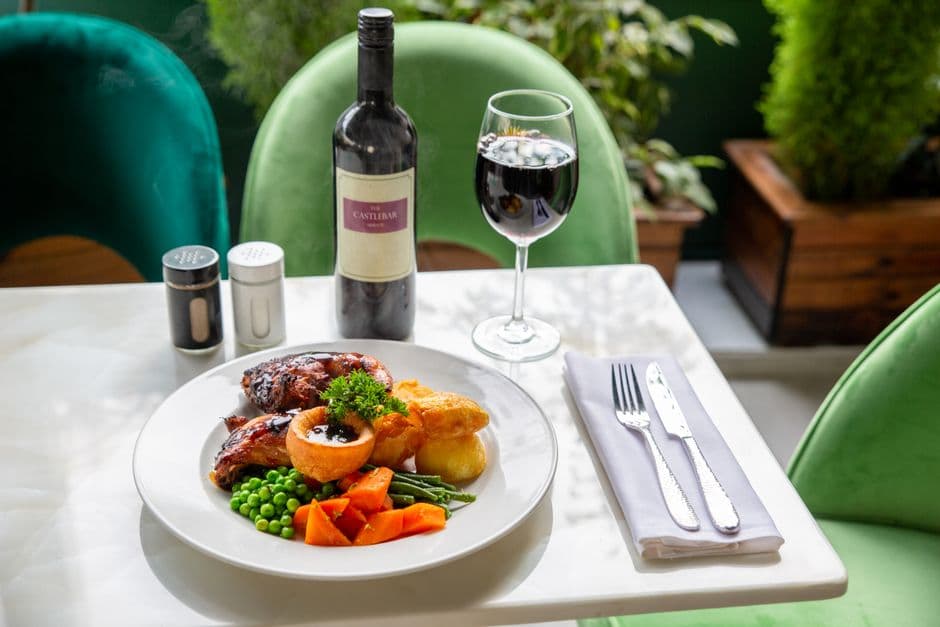
Roast beef, lamb, or chicken with Yorkshire pudding, roast potatoes, vegetables, and gravy remains the weekly anchor of British home cooking.
Pies and pastry
From steak and ale pie to Cornish pasties and pork pies, Britain's savory pastry tradition spans hot-water crust, shortcrust, and suet pastry.
Fish and chips
Beer-battered white fish with thick-cut chips, malt vinegar, and mushy peas is the national takeaway, dating to the 1860s.
Puddings
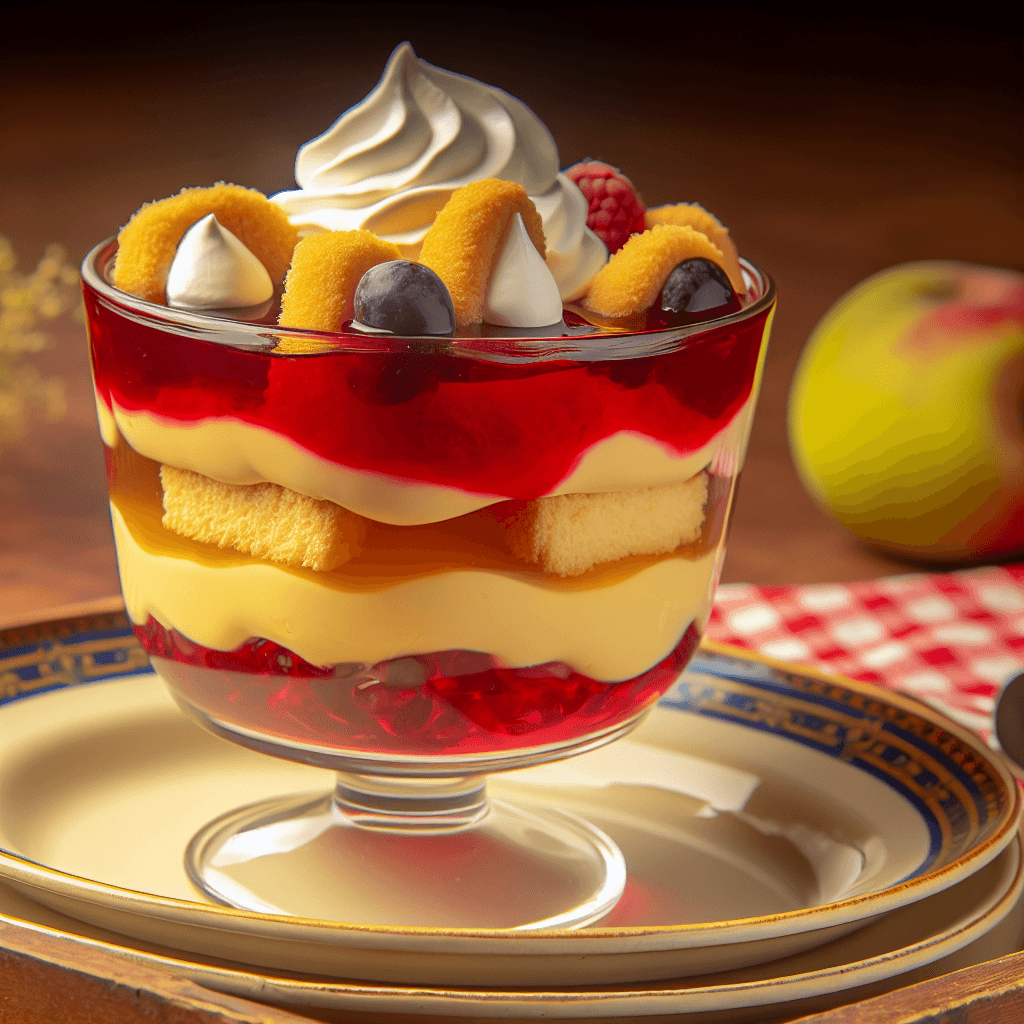
Britain's dessert canon — sticky toffee pudding, crumbles, trifle, Eton mess — favors warm, baked, and steamed sweets served with custard.
Farmhouse cheeses
Stilton, clothbound Cheddar, Red Leicester, and Caerphilly anchor a cheese tradition revived by artisan makers since the 1980s.
Breakfast and tea rituals
The full English breakfast and afternoon tea with scones, clotted cream, and jam are structured meals with their own strict conventions.
British cuisine is known for fish and chips, the Sunday roast with Yorkshire pudding, full English breakfast, savory pies, and a deep dessert tradition of puddings and crumbles. It also includes world-class cheeses like Stilton and Cheddar, and curry-house dishes such as chicken tikka masala, which was created in Britain and is now central to its food identity.
The reputation stems largely from postwar rationing, which lasted until 1954 and stripped a generation of ingredients and skills. Traditional British cooking uses mustard, horseradish, Worcestershire sauce, sage, and plenty of black pepper, and historical English cookery was heavily spiced. Modern British food, influenced by its large South Asian community and an ingredients-led restaurant revival, is far from bland.
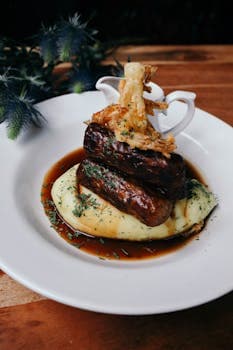
The filling meat. Shepherd's pie is made with lamb or mutton — hence shepherd — while cottage pie uses beef. Both consist of minced meat cooked with onions, carrots, and gravy, topped with mashed potato and baked until golden. Cottage pie is the older term, recorded in the 1790s; shepherd's pie appeared decades later as a lamb-specific variant.
A cottage pie teaches browning, gravy-making, and mash in one dish. Toad in the hole — sausages baked in Yorkshire pudding batter — is forgiving and teaches batter technique. A fruit crumble is the easiest entry to British desserts. Bangers and mash with onion gravy needs minimal skill. The full Sunday roast is a worthwhile project once timing multiple components feels manageable.
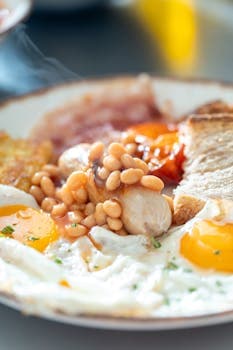
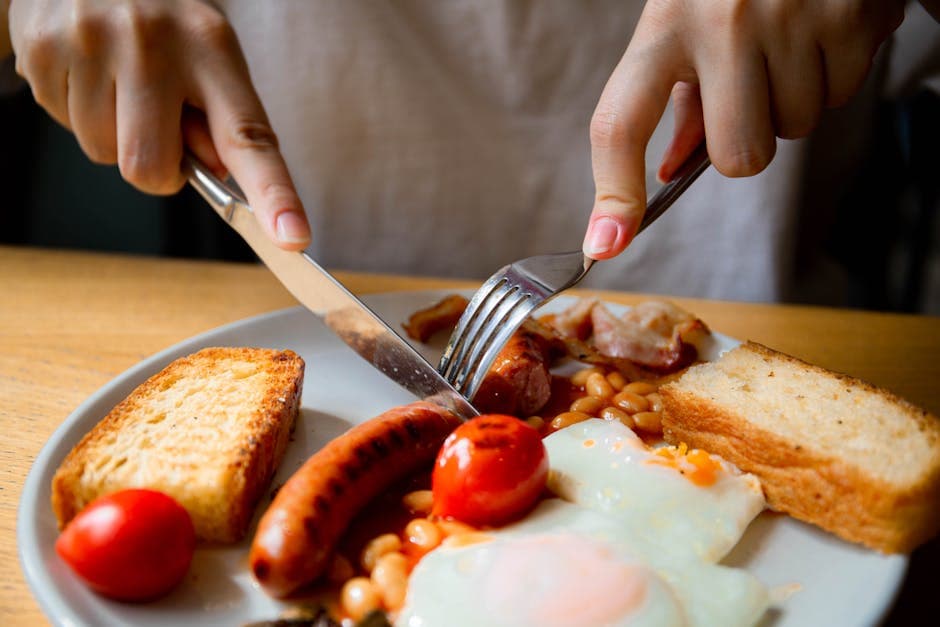
A cooked breakfast of back bacon, sausages, fried or poached eggs, baked beans, grilled tomatoes, mushrooms, and toast or fried bread, often with black pudding (blood sausage). Regional versions vary: a full Scottish adds tattie scones and square sausage; an Ulster fry includes soda bread. It is traditionally a weekend meal, served with strong tea.
Calculators and converters that pair with this page — no signup needed.