TrendingNewDinner
Indonesian Nasi Goreng
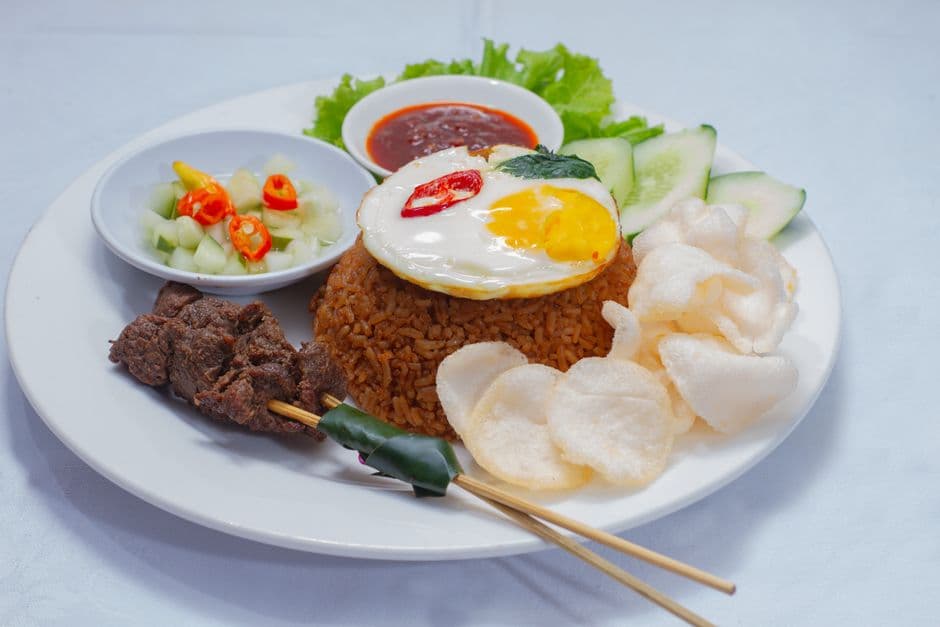
Indonesia's iconic fried rice — flavoured with kecap manis sweet soy, shrimp paste and chilli, topped with a fried egg and crispy shallots.
30 min440 kcalEasy
Nasi goreng, rendang, satay — the flavours of 17,000 islands.
More recipes built around the same core ingredients.
Track what you eat
Snap your meal to log calories and macros, run fasting timers and track water in the free SnapCal app.
Plan your meals, track fasting and build your grocery list — free
MyCookingCalendar's dashboard runs right in your browser, no download needed.
15 Beginner-Friendly Recipes Anyone Can Cook
15 genuinely easy, well-rated recipes from around the world — no advanced technique, no specialty equipment, most done in 30 minutes or less.
15 Freezer-Friendly Make-Ahead Meals That Actually Reheat Well
15 real, well-rated stews, braises, curries and bakes from around the world that freeze without losing texture — plus the portioning, thawing and reheating technique to make them taste freshly cooked.
14 High-Protein Recipes With the Numbers to Prove It
14 real recipes from our database with genuinely high protein per serving — verified against actual nutrition data, spanning chicken, beef, lamb, pork, fish, and plant-based sources.
Indonesian cuisine spans 17,000 islands and hundreds of ethnic traditions, unified loosely by rice, chili sambal, and the spice trade that once made the Maluku Islands — the original Spice Islands — the world's only source of nutmeg and cloves. Indian, Arab, Chinese, and Dutch traders all left marks: curries and satay skewers, noodle dishes like bakmi, and colonial-era hybrids such as the rijsttafel. The country's defining condiment is sambal, ground chili pastes with hundreds of regional variations, made fresh in a stone cobek mortar.
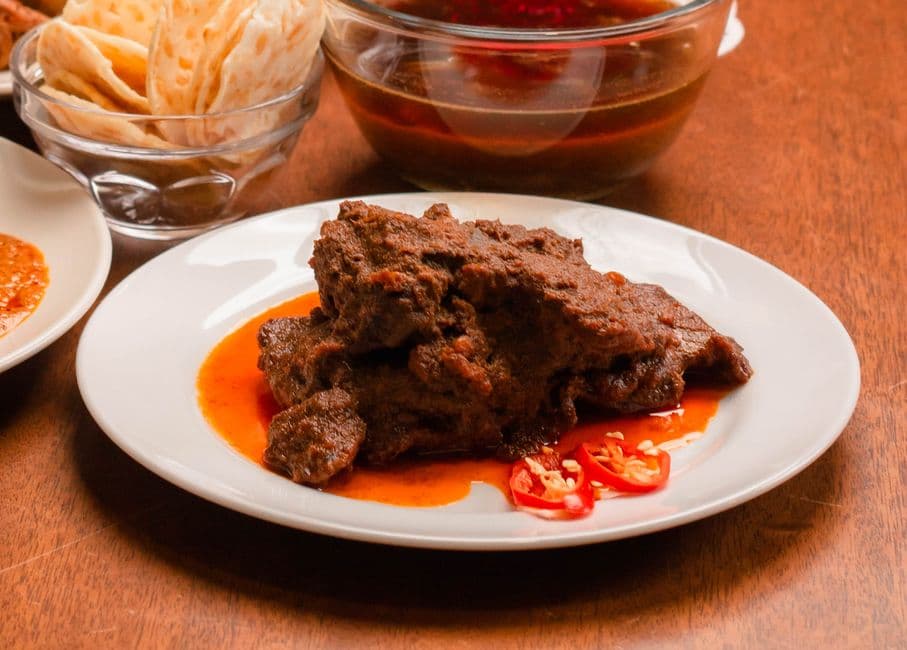
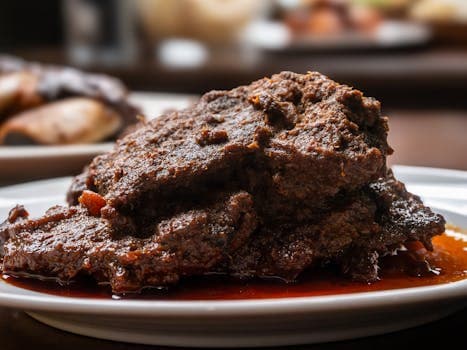
Regional styles diverge sharply. West Sumatra's Minangkabau people created rendang — beef slow-cooked in coconut milk and spice paste until the liquid reduces to a dark, dry coating — and the nasi padang restaurant tradition. Java cooks sweeter, using palm sugar and kecap manis (sweet soy sauce) in dishes like gudeg jackfruit stew and nasi goreng. Bali, largely Hindu, roasts babi guling suckling pig with basa genep spice paste, while Sulawesi and Maluku lean on grilled fish and sago.
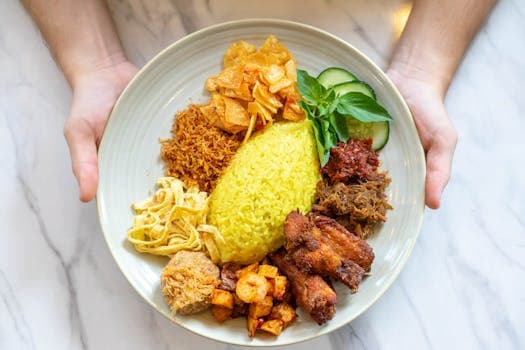
Home cooking begins with bumbu, the ground spice paste of shallots, garlic, chilies, candlenuts, turmeric, and galangal that is sautéed until fragrant before anything else enters the pan. Fried rice (nasi goreng) and fried noodles (mie goreng) turn leftovers into meals, fortified with kecap manis and topped with a fried egg. Tempeh and tofu, both with deep Javanese roots, provide everyday protein, and krupuk crackers add mandatory crunch.
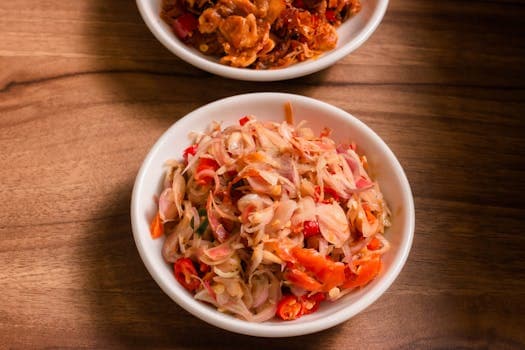
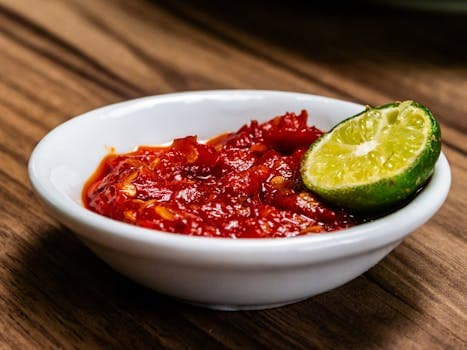
Sambal
Fresh-ground chili pastes — sambal oelek, sambal terasi with shrimp paste, sambal matah — appear at every meal in regional variations.
Bumbu Spice Pastes
Ground bases of shallots, garlic, candlenuts, turmeric, and galangal are fried until fragrant as the first step of most dishes.
Coconut Milk Cooking
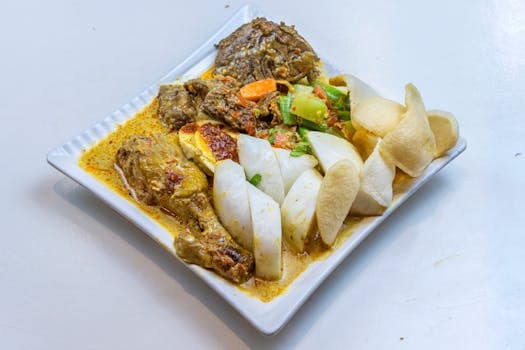
Santen enriches rendang, opor ayam, and countless braises, often cooked down until its oil splits and fries the spices.
Kecap Manis
Palm-sugar-sweetened soy sauce gives nasi goreng, mie goreng, and satay glazes their characteristic dark sweetness.
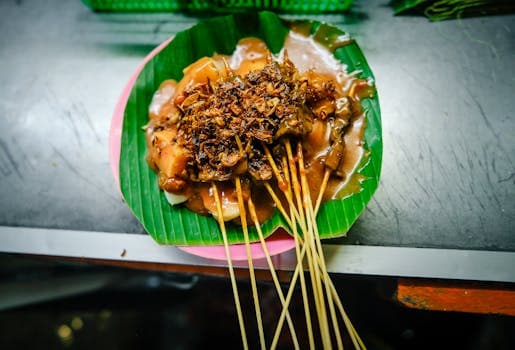
Satay and Grilling
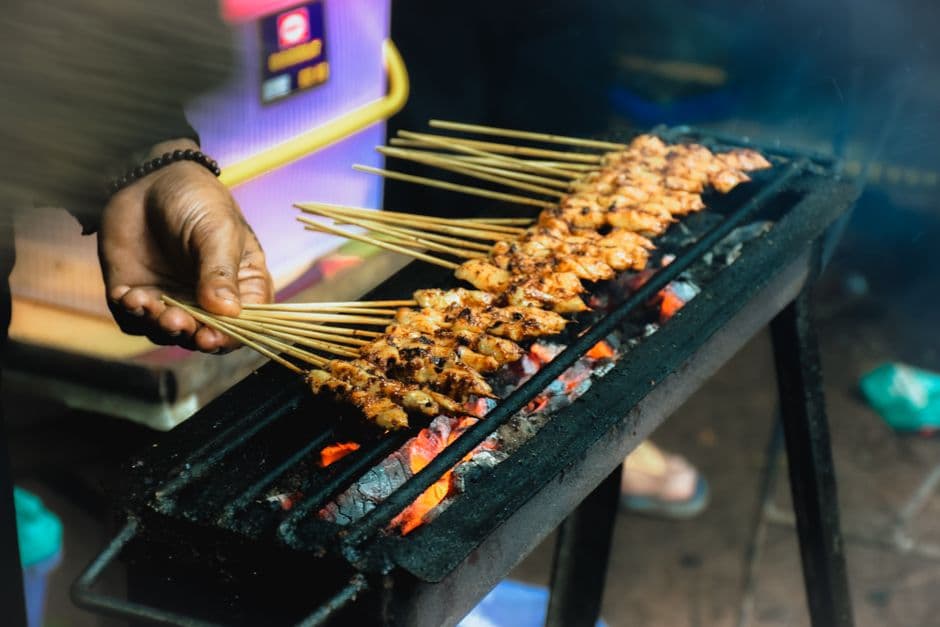
Skewered meats over charcoal with peanut or sweet soy sauces exist in hundreds of regional forms, from chicken to goat.
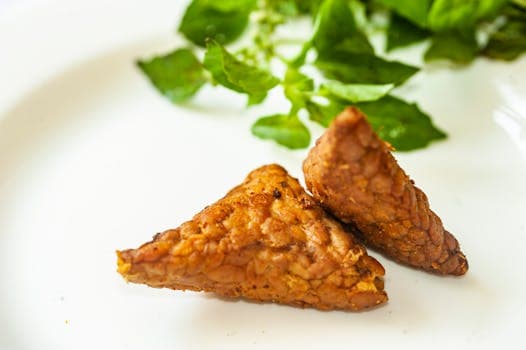
Tempeh and Tofu
Fermented soybean tempeh, a Javanese invention, and tofu are fried, braised, and curried as daily affordable protein.
Indonesian food is known for rendang, nasi goreng fried rice, satay skewers with peanut sauce, and sambal chili pastes. Its flavor profile combines coconut milk, sweet soy sauce (kecap manis), shrimp paste, and fresh spice pastes of shallots, galangal, and turmeric. As the historic Spice Islands, Indonesia shaped global trade in nutmeg and cloves.
They overlap heavily — rendang, satay, and sambal exist in both — reflecting shared Malay roots. Indonesian cooking, especially Javanese, runs sweeter due to kecap manis and palm sugar, and features tempeh prominently. Malaysian food shows stronger Indian and Chinese integration (roti canai, laksa varieties) from its distinct migration history. Many dishes differ more by region than by country.
Often, but heat is usually served on the side as sambal rather than cooked into the dish, so you control it. Padang food from Sumatra and Manado cuisine from Sulawesi are reliably hot. Javanese food trends sweet and mild. A typical meal lets you spoon as much or as little sambal as you like over rice.
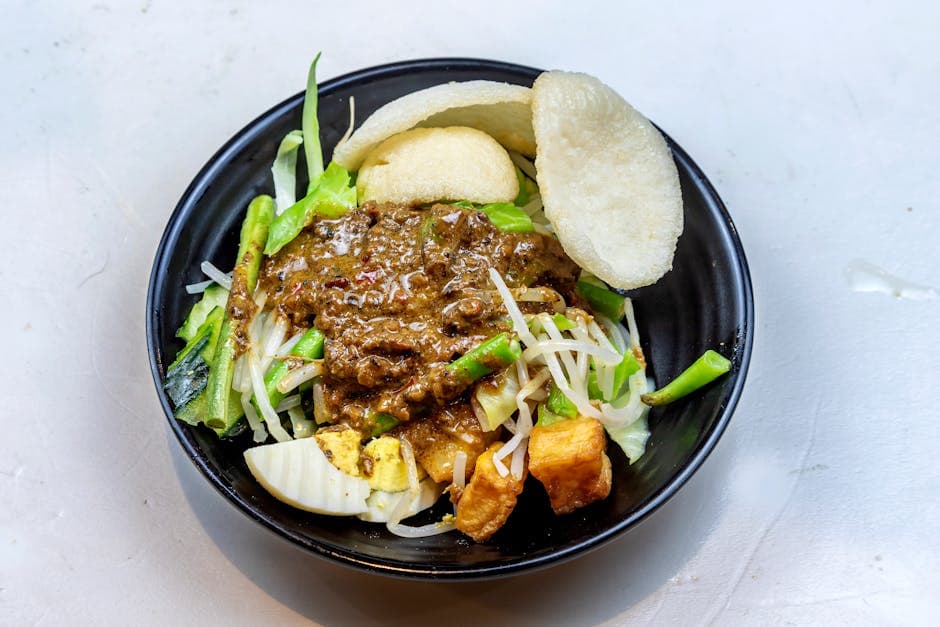
Nasi goreng is the gateway: day-old rice stir-fried with garlic, shallot, kecap manis, and a fried egg on top. Ayam goreng (spiced fried chicken) and gado-gado salad with peanut sauce follow easily. Satay needs only a grill and a marinade. Rendang is a weekend project — simple ingredients but three hours of reduction.
Kecap manis, coconut milk, shrimp paste (terasi), candlenuts (or macadamias as substitute), and chilies are the distinctive items. Add shallots, garlic, galangal, turmeric, lemongrass, palm sugar, and tamarind. Peanuts make satay and gado-gado sauces. Jasmine rice and krupuk crackers complete the everyday table.
Calculators and converters that pair with this page — no signup needed.