NewDinner
German Beef Sauerbraten
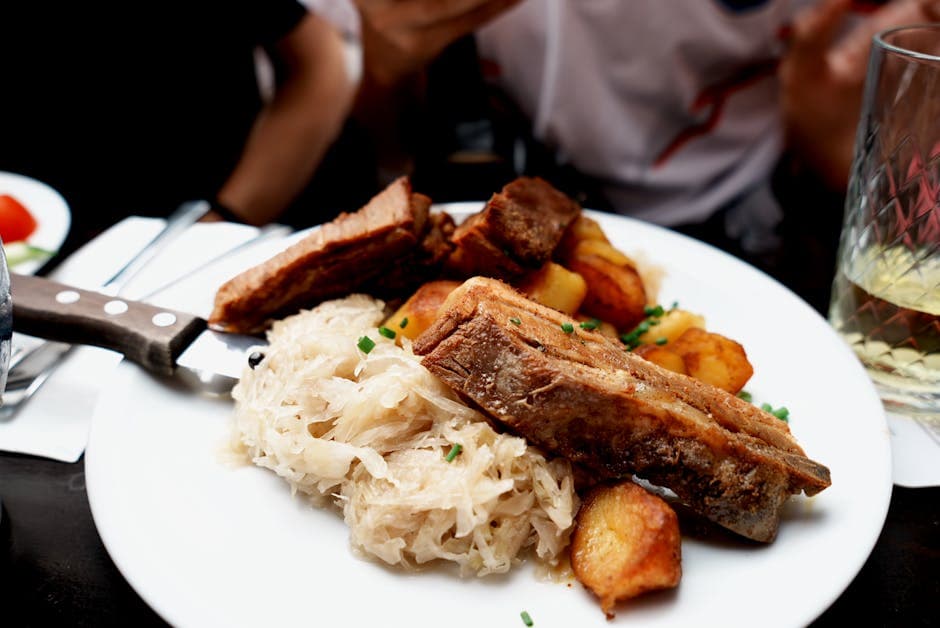
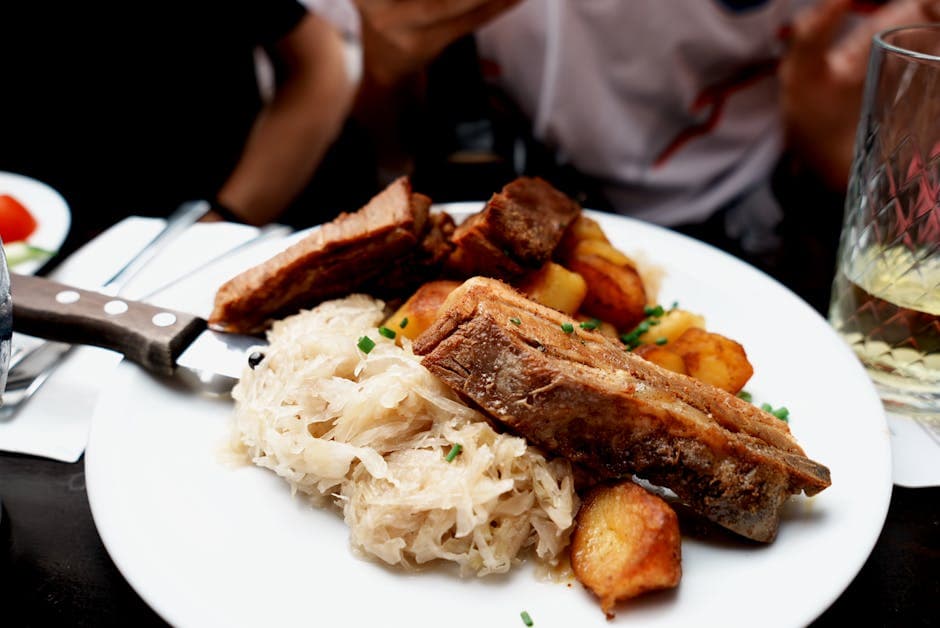
Germany's iconic pot roast — beef marinated 3 days in red wine vinegar, then slow-braised until meltingly tender with a rich, sweet-sour gingersnap gravy.
210 min540 kcalHard
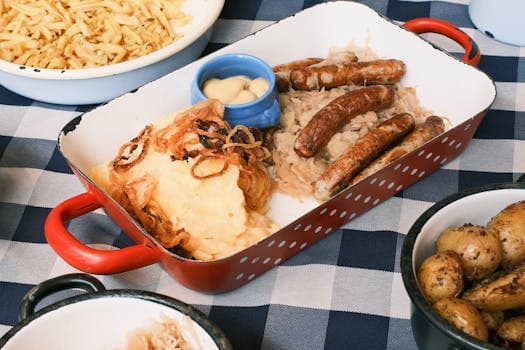
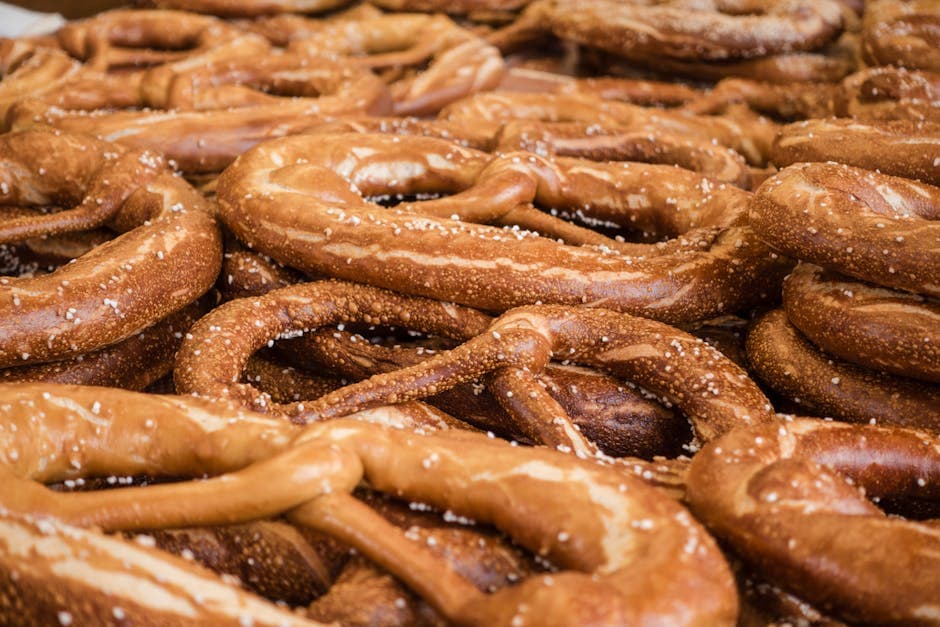
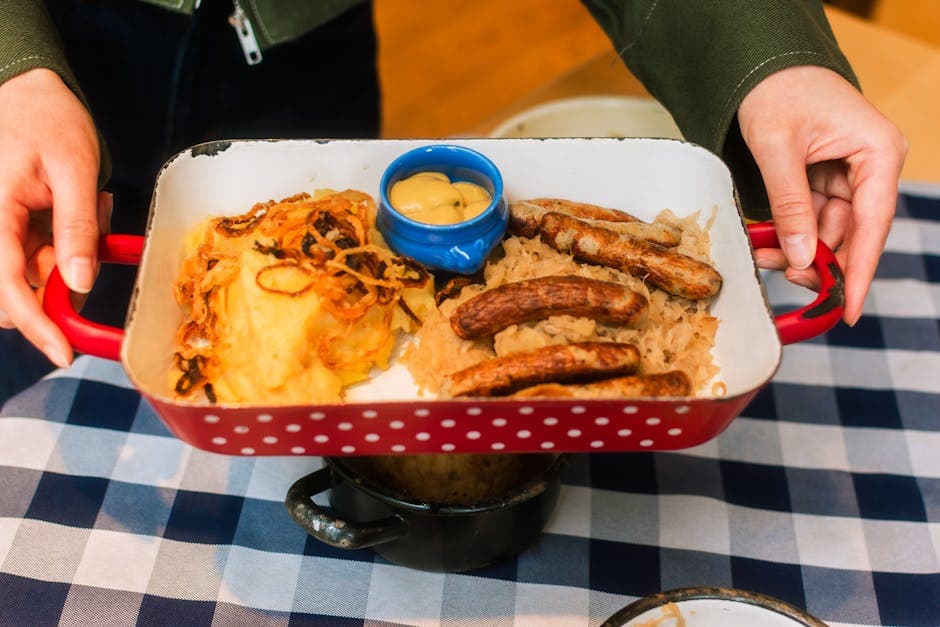
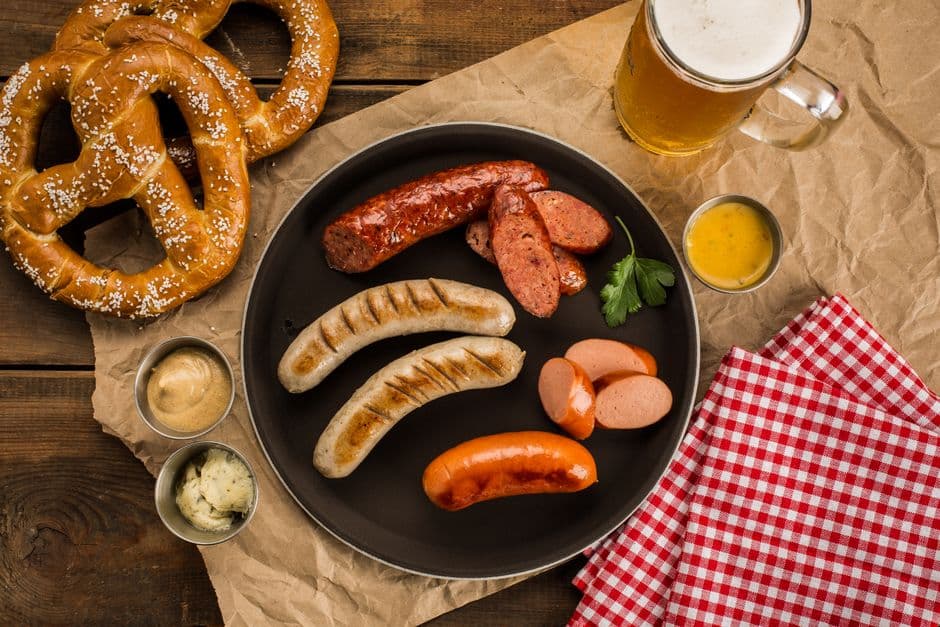
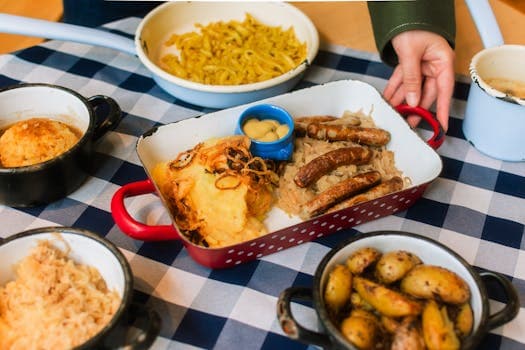
Sauerbraten, bratwurst, pretzels and the hearty flavours of Central Europe.
More recipes built around the same core ingredients.
Track what you eat
Snap your meal to log calories and macros, run fasting timers and track water in the free SnapCal app.
Plan your meals, track fasting and build your grocery list — free
MyCookingCalendar's dashboard runs right in your browser, no download needed.
German & Austrian Cuisine: 28 Traditional Recipes
Explore hearty German and Austrian cooking with 28 traditional recipes from breads to schnitzel to strudel.
14 Real Recipes With 5 Ingredients or Less
14 well-rated recipes from around the world that use five ingredients or fewer — proof that a short ingredient list doesn't mean a compromise on flavor.
German cuisine grew out of a cold-climate logic of preservation: sauerkraut, cured and smoked sausages, pickles, and dense rye breads were ways of surviving winter that became national signatures. The Wurst tradition counts over 1,500 documented varieties — Nürnberger Rostbratwurst, Thüringer, Weisswurst, and currywurst, the postwar Berlin street-food invention. Bread is taken equally seriously: Germany registers more than 3,000 bread types, and its bread culture holds UNESCO intangible heritage status.
The regions cook differently. Bavaria supplies the stereotype — pretzels, pork knuckle (Schweinshaxe), Weisswurst with sweet mustard, and beer-hall culture. Swabia in the southwest contributes Spätzle, Maultaschen (pasta pockets nicknamed Herrgottsbescheißerle for hiding meat from God during Lent), and lentils with sausage. The Rhineland gives Sauerbraten, a vinegar-marinated pot roast sometimes sweetened with raisins, while northern coastal cooking features fish dishes like Labskaus and matjes herring.
Home cooking centers on hearty one-plate meals: Schnitzel with potato salad, Rouladen (beef rolls wrapped around mustard, pickle, and bacon), and Eintopf stews. Potatoes arrived in the 18th century under Frederick the Great's promotion and now appear as dumplings, pancakes (Kartoffelpuffer), and regionally divergent potato salads — mayonnaise-based in the north, vinegar-and-broth in the south. The Kaffee und Kuchen afternoon ritual sustains a serious baking tradition from Black Forest gateau to streusel cakes.
Wurst
Over 1,500 sausage varieties, from Bratwurst to Weisswurst and currywurst, define German charcuterie, each with regional rules about preparation and accompaniments.
Bread and Brötchen
More than 3,000 registered bread types, dominated by rye and mixed-grain sourdoughs, make German bread culture a UNESCO-listed heritage.
Sauerkraut and pickling
Lactic fermentation of cabbage, plus pickled cucumbers and beets, reflects the preservation tradition at the cuisine's core.
Potato dishes
Dumplings (Klösse), pancakes (Kartoffelpuffer), and regionally distinct potato salads make the potato Germany's most versatile staple.
Braised meats
Sauerbraten, Rouladen, and Schweinshaxe showcase slow cooking of marinated or rolled cuts, typically served with gravy and dumplings.
Kaffee und Kuchen
The afternoon coffee-and-cake ritual supports a baking canon from Black Forest gateau to Bienenstich and seasonal Christmas Stollen.
German cuisine is known for sausages (over 1,500 varieties), pretzels, sauerkraut, Schnitzel, and exceptional bread — more than 3,000 registered types. Signature dishes include Sauerbraten, pork knuckle, Spätzle noodles, and Black Forest gateau. It is hearty cold-climate cooking built on pork, potatoes, cabbage, and fermentation, with a strong regional character and a celebrated beer culture.
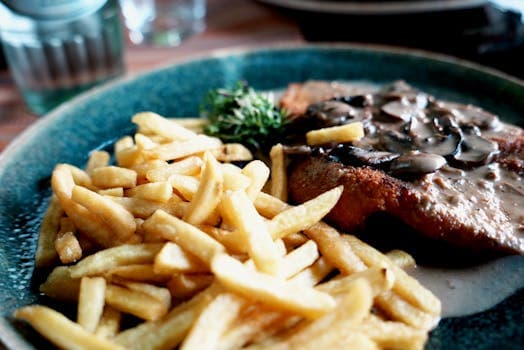
Wiener Schnitzel — breaded, pan-fried veal — is Austrian and legally protected in Austria; only veal may carry the name there. Germany embraces the broader Schnitzel family, typically pork: Schnitzel Wiener Art (Vienna-style, with pork), Jägerschnitzel with mushroom cream sauce, and Zigeunerschnitzel with peppers. The breading-and-frying technique itself is shared across Central Europe.
Traditional celebration dishes — pork knuckle, dumplings, cream sauces — are undeniably rich, built for cold winters and physical labor. But everyday German eating includes Abendbrot, a light evening meal of bread, cheese, and cold cuts, plus salads, fish in the north, and asparagus feasted on obsessively during Spargelzeit in spring. Modern German home cooking is lighter than the beer-hall image suggests.
Pork Schnitzel is fast and teaches breading technique. Kartoffelpuffer (potato pancakes) with applesauce need four ingredients. A simple Eintopf — lentil stew with sausage — is one-pot and forgiving. Käsespätzle, the German answer to mac and cheese, can be made with a colander if you lack a Spätzle press. Bratwurst with warm vinegar-based potato salad completes a starter repertoire.
A typical German breakfast is bread-centered: fresh Brötchen (crusty rolls) or sliced rye bread with butter, cold cuts, sliced cheese, jam, and honey, often with a soft-boiled egg and coffee. Muesli, invented in neighboring Switzerland, is also common. The spread is assembled rather than cooked — hot breakfasts are the exception, reserved for weekends or hotels.
Calculators and converters that pair with this page — no signup needed.