
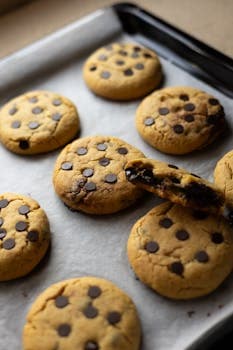
Perfect Chocolate Chip Cookies
Crispy-edged, chewy-centered chocolate chip cookies with brown butter and sea salt — bakery quality at home.
About This Recipe
The chocolate chip cookie is America's most beloved baked good, invented by Ruth Wakefield at the Toll House Inn in Massachusetts in 1938. What started as a happy accident — adding broken chocolate to a butter cookie — became the most replicated recipe in American cooking history. Nestlé bought the rights to the recipe from Ruth for a dollar and a lifetime supply of chocolate, and printed it on bags of Toll House chips for decades. The path from good to extraordinary chocolate chip cookies runs through browning the butter, using brown sugar for chewiness, adding an extra yolk for richness, resting the dough in the refrigerator to develop flavor, and baking just until the edges set while the centers remain molten. These variables, popularized by food scientists like Kenji López-Alt and bakers like Jacques Torres, transform a simple cookie into something transcendent. Flaky sea salt on top is the finishing touch that makes these cookies unforgettable — the contrast of salt against sweet chocolate is pure genius. Make a double batch, scoop onto parchment-lined sheets, freeze, and bake from frozen as needed for fresh cookies in 20 minutes. The greatest luxury in home cooking.
Ingredients
Serves 24
- 2¼ cupsall-purpose flour
- 1 tspbaking soda
- 1 tspfine sea salt
- 1 cup (2 sticks)unsalted butter
- ¾ cupgranulated sugar
- ¾ cuppacked light brown sugar
- 2 largeeggs(1 whole + 1 extra yolk for chewiness)
- 2 tsppure vanilla extract
- 2 cupsdark chocolate chips or chopped chocolate(60–70% cacao)
- flaky sea salt (Maldon)(for topping)
Instructions
- 1
Brown the butter
Melt butter in a light-colored saucepan over medium heat, stirring constantly. Continue cooking until milk solids turn golden brown and smell nutty, about 8 minutes. Pour into a bowl and cool 15 minutes.
Brown butter adds toffee-like depth. Use a light pan so you can see the color change.
- 2
Mix sugars and eggs
Whisk brown butter, both sugars together 2 minutes. Add egg, extra yolk and vanilla. Whisk 2 minutes more until lighter in color and ribbony.
- 3
Add dry ingredients
Whisk flour, baking soda and salt together. Fold into butter mixture until just combined. Fold in chocolate chips.
- 4
Chill the dough
Cover and refrigerate at least 30 minutes, preferably overnight. Chilled dough spreads less and develops deeper caramel flavor.
72-hour rest produces the best cookies. Even 30 minutes makes a noticeable difference.
- 5
Bake
Preheat oven to 375°F. Scoop 2-tablespoon balls onto parchment-lined baking sheets, spacing 2 inches apart. Sprinkle with flaky sea salt. Bake 11–13 minutes until edges are golden but centers look underdone.
- 6
Cool on the pan
Cool on the baking sheet 5 minutes before transferring. The cookies continue cooking and set as they cool. Pulling them when they look underdone is the key to chewy centers.
Resist. Underbaked-looking cookies become perfect as they cool on the hot pan.
Did you make this?
Rate it and help other cooks find the recipes that actually work.
One tap to sign in, and we'll save the rating you just picked.
Everything you need to plan your week — free
- Meal calendar
- Grocery list
- AI recipe ideas
Cook this hands-free
Get AI meal plans, step-by-step cooking mode, and your saved recipes in the free Bento app.
Pro Tips
- →
Brown butter is the single biggest improvement you can make to this recipe.
- →
The extra egg yolk adds richness and chewiness without making the cookie cakey.
- →
Use a mix of chips and roughly chopped chocolate for varied pools of melted chocolate.
- →
Bang the pan on the counter when you take them out — this settles the cookies into wrinkled, chewy perfection.
Variations
- •
Bakery-style: make cookies twice as large and bake at 350°F for 16–18 minutes.
- •
M&M Cookies: replace half the chocolate chips with M&M candies.
- •
Peanut Butter Chip: replace all chocolate chips with peanut butter chips and add 2 tbsp peanut butter to the dough.
Storage
Baked cookies keep airtight at room temperature 5 days. Cookie dough freezes up to 3 months — bake from frozen, adding 2–3 minutes to baking time.
History & Origin
Ruth Wakefield accidentally invented chocolate chip cookies in 1938 at the Toll House Inn in Whitman, Massachusetts, when she broke Nestlé chocolate into her Butter Drop Do cookie dough. Nestlé purchased the recipe from her for one dollar and began printing it on their chocolate chip packages, making it the most printed recipe in culinary history.
Frequently Asked Questions
Why do my cookies spread too much?
Likely causes: butter too warm/melted when mixed, not enough flour, oven too low, or baking on a warm sheet. Chill the dough and use room temperature eggs rather than cold ones.
Why are my cookies cakey instead of chewy?
Too much flour, too many whole eggs, or overbaking. Use the extra-yolk trick, slightly less flour, and pull them when they look underdone.
Can I use salted butter?
Yes, but reduce added salt by half. Unsalted gives you more control over the saltiness.
Nutrition Facts
Per serving (150g / 5.3 oz) · 24 servings total
Time Summary
Have Questions?
Ask our AI cooking assistant anything about this recipe — substitutions, techniques, scaling.
Chat with AI Chef →Featured in Guides
This recipe is featured in the following curated guides:
More American Recipes
You Might Also Like
Similar dishes from other cuisines around the world.
Browse by Ingredient
More recipes built around the same core ingredients.
Free Kitchen Tools
Calculators and converters that pair with this page — no signup needed.
Put This Into a Plan
Schedule it, shop for it, and track what you already have.
Read Next
Longer reads that go deeper on the ideas behind this dish.
Community
Join the conversation
Sign in to leave a comment and save your favourite recipes