
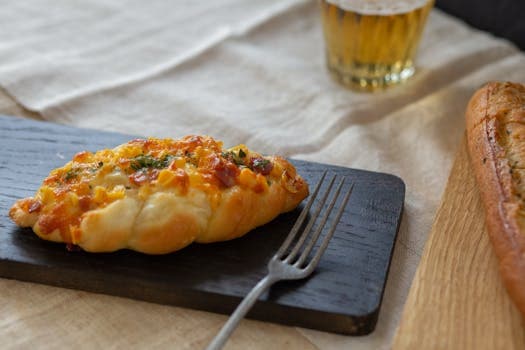
Corn Bread
Classic American Corn Bread recipe.
About This Recipe
Cornbread is the everyday bread of the American South: a quick batter of cornmeal, buttermilk, and eggs poured into a screaming-hot, butter-slicked cast-iron skillet and baked until the edges fry themselves golden. The Southern original is savory and crumbly, leaning entirely on the corn for sweetness, while Northern versions add sugar and flour for a softer, cakier crumb. Either way it comes together in fifteen minutes of effort and belongs alongside chili, collard greens, beans, and barbecue — or crumbled into a glass of cold buttermilk, as generations of Southerners have eaten it. The crackling bottom crust from the hot skillet is the whole point.
Ingredients
Serves 4
- 1.5 cupsstone-ground yellow cornmeal
- 0.5 cupall-purpose flour
- 1 tspbaking powder
- 0.5 tspbaking soda
- 0.75 tspkosher salt
- 1.5 cupsbuttermilk
- 2 largeeggs
- 4 tbspunsalted butter(melted; plus 1 tbsp for the skillet)
Instructions
- 1
Prepare
Place a 10-inch cast-iron skillet in the oven and preheat both to 425°F for at least 10 minutes. Whisk cornmeal, flour, baking powder, baking soda, and salt in one bowl; whisk buttermilk, eggs, and melted butter in another.
A properly preheated skillet is non-negotiable; a cold pan gives pale, soggy-bottomed cornbread.
- 2
Cook
Fold the wet ingredients into the dry with a spatula just until no dry streaks remain; a few lumps are fine. Overmixing develops gluten and makes the cornbread tough and rubbery rather than tender.
Stop stirring the moment the flour disappears; the batter should look slightly lumpy.
- 3
Combine
Carefully add a tablespoon of butter to the hot skillet, swirl until it foams, and immediately pour in the batter; it should sizzle on contact. That sizzle is what builds the signature crisp, browned crust.
- 4
Serve
Bake 20 to 25 minutes until the top is golden and a toothpick in the center comes out clean. Cool in the skillet 10 minutes, then cut into wedges and serve warm with butter and honey.
Did you make this?
Rate it and help other cooks find the recipes that actually work.
One tap to sign in, and we'll save the rating you just picked.
Everything you need to plan your week — free
- Meal calendar
- Grocery list
- AI recipe ideas
Track what you eat
Snap your meal to log calories and macros, run fasting timers and track water in the free SnapCal app.
Pro Tips
- →
Preheat the empty skillet a full 10 minutes; the batter must sizzle when it hits the pan.
- →
Use stone-ground cornmeal for real corn flavor; fine commercial meal tastes flat.
- →
Buttermilk is essential for tang and tenderness; in a pinch, sour milk with lemon juice works.
- →
Do not overmix; fold just until combined for a tender crumb.
- →
Eat it the day it is baked, or split and toast leftovers in butter the next morning.
Variations
- •
Jalapeño-cheddar: fold in a cup of sharp cheddar and two minced jalapeños.
- •
Sweet Northern style: add a quarter cup of sugar and swap half the cornmeal for flour.
- •
Bacon-fat cornbread: heat rendered bacon drippings in the skillet instead of butter for a smoky crust.
- •
Cornbread muffins: divide the batter into a greased muffin tin and bake 15 minutes at the same temperature.
Storage
Keep tightly wrapped at room temperature for 2 days or refrigerated up to 5. Cornbread also freezes well for 2 months; revive slices in a buttered skillet or 350°F oven rather than the microwave.
History & Origin
Cornbread descends directly from Native American corn cakes; Indigenous peoples taught European settlers to grind and cook maize, the continent's staple grain. Because wheat was scarce and expensive in the South, cornmeal breads such as pone, hoecakes, and skillet cornbread became daily food for enslaved people and poor farmers alike. The sugar divide came later: as industrial milling made cornmeal blander in the twentieth century, Northern recipes compensated with sugar while the South largely kept its savory tradition.
Frequently Asked Questions
Why do Southerners insist cornbread should have no sugar?
Traditional Southern cornbread was made with flavorful stone-ground meal that needed no sweetening, and it was eaten as a savory bread with greens and beans. Sweet, cakey cornbread reads as dessert to purists. Both styles are legitimate; they simply come from different regional traditions.
Can I make cornbread without buttermilk?
Yes. Stir a tablespoon of lemon juice or vinegar into a cup of regular milk and rest it 5 minutes, or thin plain yogurt with milk. The acidity matters because it activates the baking soda and tenderizes the crumb.
Why is my cornbread dry and crumbly?
Too much cornmeal relative to fat and liquid, or overbaking, are the usual causes. Measure carefully, pull the bread the moment a toothpick comes out clean, and do not skimp on butter. Adding an extra egg yolk also improves moisture and binding.
Do I really need a cast-iron skillet?
It produces the best crust by far, but any heavy oven-safe pan or an 8-inch square baking dish works. Preheat whatever you use with butter or oil inside so the batter sizzles; that contact-fry is what separates great cornbread from merely good.
Nutrition Facts
Per serving (300g / 10.6 oz) · 4 servings total
Time Summary
Have Questions?
Ask our AI cooking assistant anything about this recipe — substitutions, techniques, scaling.
Chat with AI Chef →Featured in Guides
This recipe is featured in the following curated guides:
More American Recipes
You Might Also Like
Similar dishes from other cuisines around the world.
Browse by Ingredient
More recipes built around the same core ingredients.
Free Kitchen Tools
Calculators and converters that pair with this page — no signup needed.
Put This Into a Plan
Schedule it, shop for it, and track what you already have.
Read Next
Longer reads that go deeper on the ideas behind this dish.
Community
Join the conversation
Sign in to leave a comment and save your favourite recipes