
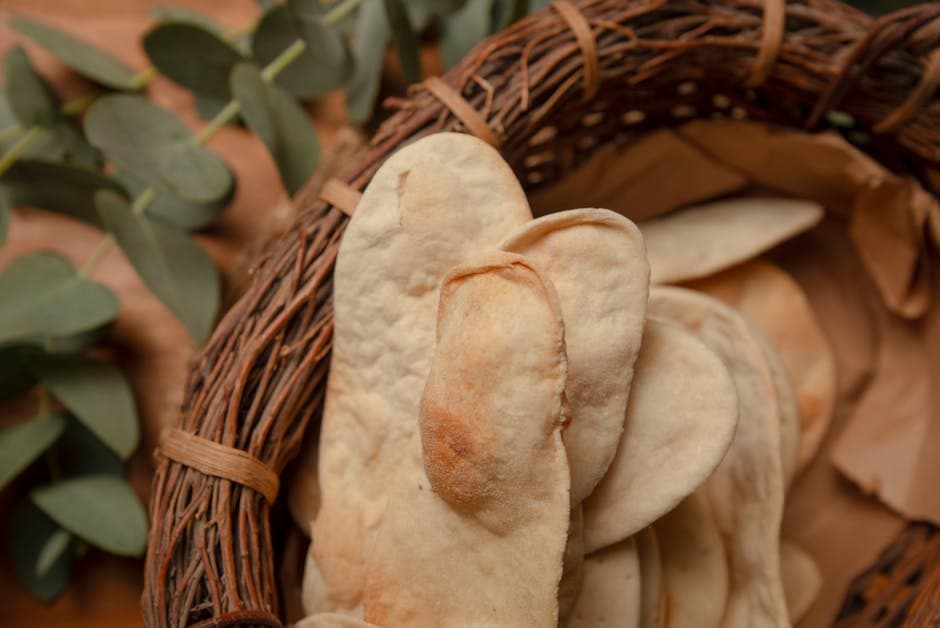
Injera (Ethiopian Sourdough Flatbread)
Ethiopian teff sourdough flatbread — spongy, tangy, edible-plate companion to every stew.
About This Recipe
Injera is Ethiopia and Eritrea's beloved national bread — a pale, soft, spongy sourdough flatbread made from teff, a tiny ancient grain native to the Horn of Africa. The batter ferments for three days, developing the distinct sour funk that makes injera unmistakable. Cooked on a wide clay or steel mitad in a single thin pour, the surface erupts with thousands of tiny bubbles — eyes, in Amharic — that capture the saucy stews (wats) ladled on top. Injera is plate, fork, and starch all at once: you tear off pieces, scoop with them, and finally eat the soaking bread itself. Real teff injera takes patience, but even a 50/50 teff-and-wheat-flour home version is a revelation.
Ingredients
Serves 8
- 400 gteff flour (ivory or brown)
- 150 gall-purpose flour (optional, for ease)
- 1.2 Lwarm water (for the batter)
- 1 tspsalt
- a few tbsp of leftover injera batter from a previous batch (starter, optional but excellent)
- neutral oil for wiping the pan
Instructions
- 1
Mix the batter
In a large glass bowl, whisk teff flour, all-purpose flour (if using), and 900 ml of the warm water into a smooth pancake-batter consistency. Stir in any starter from a previous batch. Cover loosely with cloth.
- 2
Ferment 2–3 days
Leave at room temperature 48–72 hours. The batter will rise, bubble, and develop a thin layer of yellow-grey liquid on top. It should smell pleasantly sour, like sourdough — not sharp or rotten.
- 3
Cook the absit
Pour off and reserve the top liquid. Take 250 ml of the fermented batter, whisk it with 250 ml of hot water in a saucepan, and cook over medium-low heat, stirring constantly, for 4 minutes until thick and gluey. Cool 10 minutes.
- 4
Combine and rest
Whisk the cooled absit back into the main batter along with the reserved liquid and the salt. Add a little extra warm water if needed — the batter should be slightly thinner than crepe batter. Rest 30 minutes; it should look very bubbly on top.
- 5
Heat the pan
Heat a 28 cm nonstick or seasoned crepe pan over medium heat. Wipe lightly with oil only once, at the start.
- 6
Pour and swirl
Pour 150 ml of batter in a spiral from the outside in, then quickly tilt the pan to coat — the batter should not pool. Do not swirl after pouring; injera is poured, not spread like crepe.
- 7
Cover and steam
Within 30 seconds, the surface will erupt with countless tiny eyes. Cover the pan and cook 1.5–2 minutes, until the surface is dry, the eyes are set, and the edges lift. Do not flip — injera is cooked on one side only.
- 8
Lift and stack
Slide onto a clean towel-lined surface. Cover with another towel. Continue with remaining batter, allowing the pan to recover heat between each. Stack injera as you go.
- 9
Serve
Lay one or two injera as the 'plate' and ladle wats (lentil, beef, vegetable stews) on top. Serve extra rolled injera on the side for scooping.
Did you make this?
Rate it and help other cooks find the recipes that actually work.
One tap to sign in, and we'll save the rating you just picked.
Everything you need to plan your week — free
- Meal calendar
- Grocery list
- AI recipe ideas
Track what you eat
Snap your meal to log calories and macros, run fasting timers and track water in the free SnapCal app.
Pro Tips
- →
Keep a small jar of fermented batter in the fridge as a starter — it ages and improves like a sourdough mother.
- →
The cooking pan must be hot enough that batter bubbles within 20 seconds, but not so hot that it browns; teff injera should remain pale.
- →
The first injera is usually a sacrifice for pan calibration — don't be discouraged.
Variations
- •
100% teff (traditional, gluten-free): ferment 3 full days; trickier handling but the real thing.
- •
Quick injera: replace fermentation with 1 tsp baking soda + 1 tbsp lemon juice — texture works, flavor is flatter.
- •
Add sorghum flour for a slightly nuttier, more rustic version.
Storage
Best the day made. Wrap in cling film once cool and refrigerate up to 3 days, or freeze 1 month. Re-steam over simmering water for 1 minute to revive.
History & Origin
Teff has been cultivated in the Ethiopian highlands for at least 4,000 years and remains one of the most labor-intensive grains in the world. Injera predates the Aksumite empire and remains the central carbohydrate of Ethiopian and Eritrean meals — a piece of bread that is also tablecloth, utensil, and palate cleanser.
Frequently Asked Questions
Where do I find teff flour?
Ethiopian groceries, health-food stores, and online (look for Maskal or Bob's Red Mill). Ivory teff is milder; brown teff is more earthy and traditional in the highlands.
Why didn't my injera bubble?
Either the batter wasn't fermented long enough, the pan wasn't hot enough, or the batter was too thick. Thin it slightly and try a hotter pan.
Nutrition Facts
Per serving (140g / 4.9 oz) · 8 servings total
Time Summary
Have Questions?
Ask our AI cooking assistant anything about this recipe — substitutions, techniques, scaling.
Chat with AI Chef →Featured in Guides
This recipe is featured in the following curated guides:
More Ethiopian Recipes
You Might Also Like
Similar dishes from other cuisines around the world.
Free Kitchen Tools
Calculators and converters that pair with this page — no signup needed.
Put This Into a Plan
Schedule it, shop for it, and track what you already have.
Read Next
Longer reads that go deeper on the ideas behind this dish.
Community
Join the conversation
Sign in to leave a comment and save your favourite recipes