
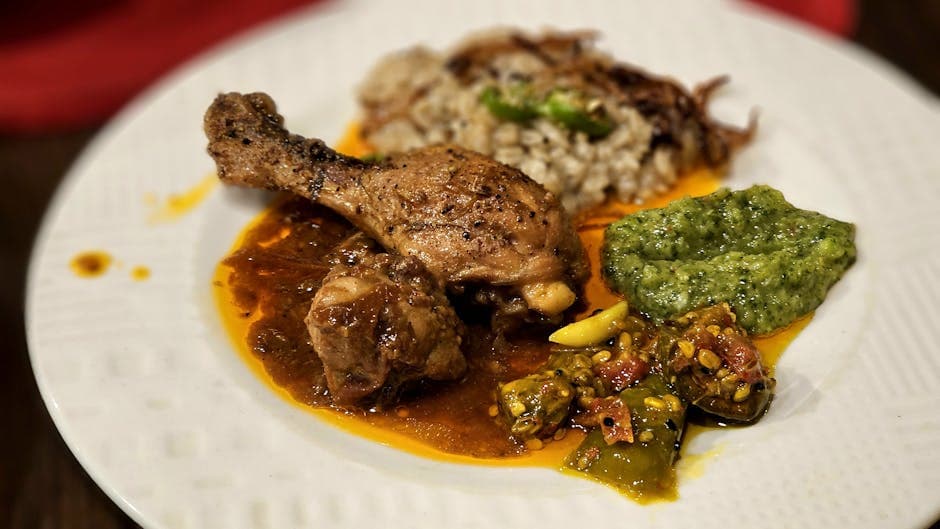
Chettinad Chicken (Tamil Nadu Pepper Curry)
South India's fiercest curry — Tamil Nadu chicken in a roasted-spice masala built around black pepper, fennel, and toasted coconut.
About This Recipe
Chettinad chicken is the most aggressive curry in South India, a Tamil Nadu masterpiece from the merchant Chettiar community whose 19th-century trading wealth bought them access to the most prized whole spices. The defining feature is the masala: black peppercorns, fennel, star anise, kalpasi (stone flower lichen), and toasted coconut, all dry-roasted to deep brown before being ground with red chilies into a coarse, fragrant powder. Chicken simmers in this masala with curry leaves, tomato, and a generous tarka of mustard seeds and shallots until the gravy clings tightly. The result is dark, peppery, and unmistakably South Indian — eaten with steamed rice, dosa, or appam in a Chettiar household, where the spice rack is the most-guarded room of the home.
Ingredients
Serves 4
- 800 gbone-in chicken thighs and drumsticks
- 1 tbspginger-garlic paste
- 1 tspground turmeric
- 1.5 tspsalt
- 3 tbspcoconut oil or sesame oil
- 2 mediumonions, finely chopped
- 2 mediumtomatoes, chopped
- 20fresh curry leaves
- 2green chilies, slit
- 1 tspblack mustard seeds
- 8small shallots, peeled
- 2 tbspfresh coriander, chopped
- 300 mlhot water
- 2 tbspgrated fresh coconut
- 5dried Kashmiri red chilies, deseeded
- 2dried Byadgi red chilies (or 3 more Kashmiri)
- 1 tbspblack peppercorns
- 1 tbspfennel seeds
- 1 tspcumin seeds
- 1 tspcoriander seeds
- 1 stickcinnamon (small)
- 4cloves
- 3green cardamoms
- 1star anise
- 1 small piecekalpasi (dagad phool) — optional
Instructions
- 1
Marinate the chicken
Mix chicken with ginger-garlic paste, turmeric, and 1 tsp salt. Rest 20 minutes.
- 2
Roast the masala spices
In a dry pan over medium-low, toast peppercorns, fennel, cumin, coriander, cinnamon, cloves, cardamom, star anise, and kalpasi until very fragrant — about 4 minutes. Add dried chilies for the last minute. Cool slightly.
- 3
Toast the coconut
In the same pan, toast grated coconut until deep golden brown — 3–4 minutes. Cool.
- 4
Grind the masala
Grind the toasted spices and coconut to a coarse powder in a spice grinder. The texture should be like coarse sand, not flour.
- 5
Tarka and onions
Heat coconut oil in a heavy pan. Add mustard seeds; when they pop, add curry leaves, green chilies, and whole shallots. Fry 1 minute. Add chopped onion; cook until deep golden — 10 minutes.
- 6
Cook tomatoes
Add tomatoes; cook until they break down and oil separates — 6 minutes. Add the ground Chettinad masala. Toast in the oil for 2 minutes, stirring constantly.
- 7
Add chicken
Add marinated chicken. Toss to coat with the masala. Cook 5 minutes to seal the chicken in spice.
- 8
Simmer
Add hot water and remaining salt. Bring to a simmer, cover, and cook 25 minutes until chicken is tender and the gravy clings tightly to the pieces.
Chettinad gravy should be thick, not soupy — uncover for the last 5 minutes to reduce if needed.
- 9
Finish
Stir in fresh coriander. Rest 5 minutes. Serve with steamed rice, dosa, or parotta.
Did you make this?
Rate it and help other cooks find the recipes that actually work.
One tap to sign in, and we'll save the rating you just picked.
Everything you need to plan your week — free
- Meal calendar
- Grocery list
- AI recipe ideas
Track what you eat
Snap your meal to log calories and macros, run fasting timers and track water in the free SnapCal app.
Pro Tips
- →
Roast each spice separately if you want maximum control — they finish toasting at different rates.
- →
Kalpasi (stone flower / dagad phool) gives Chettinad its smoky earthy backbone; Indian grocers stock it. Skip it rather than substitute — there's no real equivalent.
- →
Grind the masala fresh for each batch; pre-ground Chettinad powder loses 50% of its character in a week.
- →
Use coconut oil for the most traditional flavor; sesame (gingelly) oil is a regional alternative.
Variations
- •
Substitute lamb or goat — increase simmer time to 60 minutes.
- •
Chettinad fish curry uses the same masala with kingfish steaks; cook only 8 minutes.
- •
Add a tablespoon of tamarind paste for a more sour-sharp Madurai-style version.
Storage
Refrigerate up to 3 days; flavor deepens overnight. Reheat gently with 2 tbsp water. Freezes well for 2 months in airtight containers.
History & Origin
Chettinad cuisine developed in the 19th century among the Nattukottai Chettiars, a Tamil trading community whose Southeast Asia and Burma trade routes gave them unique access to spices like star anise and kalpasi. Chettinad chicken is the most well-known of the community's signature spice-forward dishes.
Frequently Asked Questions
Is Chettinad chicken supposed to be very spicy?
Yes — the heat is primarily from black pepper and fresh chilies rather than dried chili powder, which gives a sharper, more aromatic burn. Reduce peppercorns by half for a milder version.
What can I substitute for kalpasi?
Nothing tastes quite like it — it provides a smoky-earthy musk. Skip it and add an extra clove and a pinch of nutmeg, accepting the dish will be slightly different.
Can I use chicken breast instead of bone-in?
You can, but the flavor and texture suffer notably. If using breast, cube it, marinate longer, and reduce simmer time to 12 minutes to avoid drying it out.
Nutrition Facts
Per serving (340g / 12.0 oz) · 4 servings total
Time Summary
Have Questions?
Ask our AI cooking assistant anything about this recipe — substitutions, techniques, scaling.
Chat with AI Chef →More Indian Recipes
You Might Also Like
Similar dishes from other cuisines around the world.
Browse by Ingredient
More recipes built around the same core ingredients.
Free Kitchen Tools
Calculators and converters that pair with this page — no signup needed.
Put This Into a Plan
Schedule it, shop for it, and track what you already have.
Read Next
Longer reads that go deeper on the ideas behind this dish.
Community
Join the conversation
Sign in to leave a comment and save your favourite recipes