
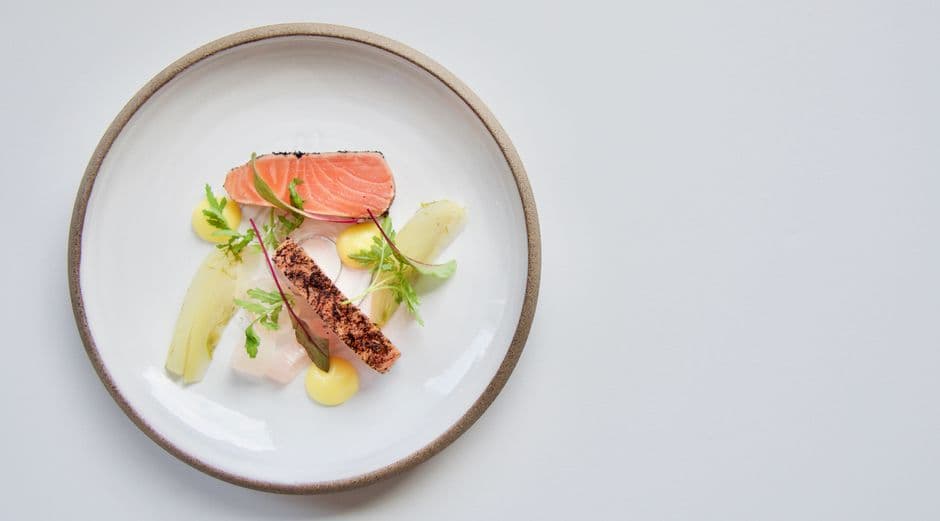
Gravlax — Nordic Cured Salmon
Scandinavian salt-and-sugar cured salmon scented with dill, served paper-thin with mustard sauce on dark rye — no heat required, just patience.
About This Recipe
Gravlax (literally 'buried salmon') is one of Scandinavia's oldest preserved foods, with origins in medieval Sweden and Norway where fishermen cured fish by salting it and burying it in the ground to ferment. Modern gravlax skips the fermentation step, relying on a dry cure of salt, sugar, and abundant fresh dill to transform raw salmon into a silky, jewel-coloured delicacy within 48 hours. It is a centrepiece of the Swedish smörgåsbord and a staple of Nordic holiday tables. The accompanying mustard-dill sauce (hovmästarsås) is inseparable from the dish.
Ingredients
Serves 4
- 600 gsushi-grade salmon fillet(skin on, pin-boned)
- 3 tbspcoarse sea salt
- 2 tbspcaster sugar
- 1 tbspwhite peppercorns(lightly crushed)
- 1 large bunchfresh dill(roughly chopped, stalks included)
- 2 tbspaquavit or vodka(optional but traditional)
- 2 tbspSwedish or Dijon mustard(for sauce)
- 1 tbsphoney
- 3 tbspneutral oil(for sauce)
- 1 tbspwhite wine vinegar
- 2 tbspfresh dill(finely chopped, for sauce)
- 8 slicesdark rye bread (pumpernickel)(for serving)
Instructions
- 1
Prepare the cure
Mix salt, sugar, and crushed white pepper together in a bowl. If using aquavit, rub it over the flesh side of the salmon first. Spread a third of the chopped dill on a sheet of plastic wrap large enough to wrap the fillet.
- 2
Apply the cure
Lay the salmon flesh-side up on the dill. Press the salt-sugar mixture firmly all over the flesh side. Top generously with the remaining dill, covering the entire surface. Fold the plastic wrap tightly around the whole fillet.
Apply extra cure on the thicker parts of the fillet to ensure even curing throughout.
- 3
Weigh and cure
Place the wrapped salmon in a shallow dish. Set a second dish or cutting board on top and weigh it down with heavy cans (about 1 kg of weight). Refrigerate for 48 hours, turning the fillet over every 12 hours. Liquid will accumulate in the dish — this is normal and means the cure is working.
- 4
Make the mustard-dill sauce
In a small bowl, whisk together mustard, honey, and vinegar. Slowly drizzle in the oil while whisking to emulsify into a smooth, creamy sauce. Stir in the chopped dill. Season with salt. Refrigerate until needed.
- 5
Scrape, slice, and serve
Unwrap the gravlax and scrape off the dill and excess cure with the back of a knife. Rinse briefly under cold water and pat dry. Using a long, thin sharp knife, slice very thinly on a diagonal, cutting away from the skin. Arrange overlapping slices on dark rye bread and serve with mustard sauce and lemon wedges.
The sharper your knife, the more paper-thin and elegant the slices. Chill the salmon for 30 minutes before slicing to firm it up.
Did you make this?
Rate it and help other cooks find the recipes that actually work.
One tap to sign in, and we'll save the rating you just picked.
Everything you need to plan your week — free
- Meal calendar
- Grocery list
- AI recipe ideas
Cook this hands-free
Get AI meal plans, step-by-step cooking mode, and your saved recipes in the free Bento app.
Pro Tips
- →
Use sushi-grade or previously frozen salmon to eliminate any parasite risk from raw fish.
- →
The longer the cure (up to 72 hours), the firmer and saltier the texture — 48 hours is the sweet spot.
- →
A fine layer of crushed juniper berries added to the cure is a beautiful modern variation.
- →
Leftover gravlax makes exceptional scrambled eggs, pasta, or blinis topping.
Variations
- •
Beet gravlax: Add 1 small grated raw beet to the cure for a stunning magenta colour and earthy sweetness.
- •
Gin and citrus gravlax: Replace aquavit with a shot of gin and add lemon and orange zest to the cure.
- •
Hot-smoked gravlax: After 24 hours in the cure, finish the salmon in a smoker at 70°C for 2 hours instead of serving raw.
- •
Vegetarian: swap the protein for roasted king oyster mushrooms, smoked tofu or cooked chickpeas — adjust seasoning slightly upward to compensate.
Storage
Once scraped and sliced, gravlax keeps tightly wrapped in the refrigerator for 4–5 days. Unsliced, the whole cured side keeps for up to 1 week. Freeze whole or sliced for up to 2 months — wrap tightly in two layers of plastic and then foil.
History & Origin
Gravlax originated in medieval Scandinavia as a means of preserving abundant salmon during the short fishing season. Fishermen packed the fish in salt and buried it in the cool ground (grav means grave or pit in Old Norse) to allow controlled fermentation. Over centuries the fermentation was abandoned in favour of simple salt-curing, producing the delicate, fresh-tasting product we know today. Gravlax became a cornerstone of the Swedish smörgåsbord tradition in the 19th century.
Frequently Asked Questions
Is it safe to eat homemade gravlax?
Yes, when made with care. Use sushi-grade salmon from a reputable fishmonger, or salmon that has been previously frozen (which kills parasites). The cure does not cook the fish but changes its texture and flavour through osmosis. Pregnant women, young children, the elderly, and immunocompromised individuals should consult a doctor before eating cured raw fish, as with any raw seafood.
Why do you need to weigh the salmon down?
The weight presses the fish into the cure, helping the salt and sugar penetrate the flesh more quickly and evenly. It also expels moisture, which draws out more liquid and concentrates flavour. Without weight, the outer layers cure faster than the centre and you end up with an uneven result. Even a heavy can of tomatoes on a cutting board is sufficient.
What is the difference between gravlax and smoked salmon?
Gravlax is cured with salt, sugar, and aromatics only — no heat or smoke is involved. The result is silky and fresh-tasting with a delicate texture. Hot-smoked salmon is cooked by heat and smoke, giving a flaky, firm result. Cold-smoked salmon is not fully cooked but flavoured with cold smoke, giving it a slightly drier texture and a distinctive smokiness that gravlax lacks. Both are delicious but quite different.
Can I make this ahead of time?
Yes — most of the components can be prepared up to a day in advance and refrigerated separately. Reheat gently and assemble just before serving so textures stay distinct.
Nutrition Facts
Per serving (200g / 7.1 oz) · 4 servings total
Time Summary
Have Questions?
Ask our AI cooking assistant anything about this recipe — substitutions, techniques, scaling.
Chat with AI Chef →Featured in Guides
This recipe is featured in the following curated guides:
More Swedish Recipes
You Might Also Like
Similar dishes from other cuisines around the world.
Browse by Ingredient
More recipes built around the same core ingredients.
Free Kitchen Tools
Calculators and converters that pair with this page — no signup needed.
Put This Into a Plan
Schedule it, shop for it, and track what you already have.
Read Next
Longer reads that go deeper on the ideas behind this dish.
Community
Join the conversation
Sign in to leave a comment and save your favourite recipes