
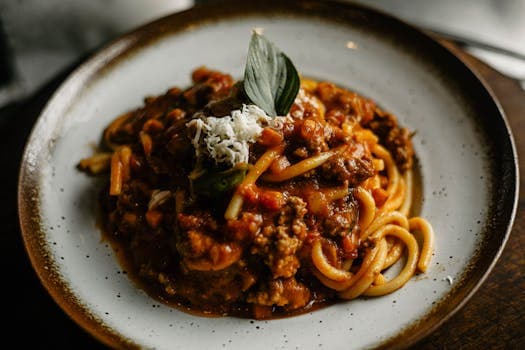
Pasta alla Norma
Sicilian pasta with eggplant, tomatoes, basil, and salty ricotta — Mediterranean summer in a plate.
About This Recipe
Pasta alla Norma is one of Sicily's most beloved pasta dishes and the signature of the city of Catania — short pasta tossed with a bright tomato sauce, golden fried eggplant, and torn basil, then showered with grated ricotta salata, the firm, salty aged cheese that defines the dish. It is a celebration of summer's simplest ingredients at their peak, where the silky, almost custardy fried eggplant plays against the acidity of the tomato and the sharp, salty bite of the cheese. The dish is widely said to be named in honor of Vincenzo Bellini, Catania's native composer, and his opera Norma, evoking something held up as a masterpiece. Naturally vegetarian and deeply satisfying, it relies on good eggplant, ripe tomatoes, and genuine ricotta salata rather than any complex technique.
Ingredients
Serves 4
- 2 mediumeggplants, cut in 2cm cubes
- 1 tbspsalt (for purging eggplant)
- 400 grigatoni or penne
- 400 gcanned San Marzano tomatoes, crushed
- 4 clovesgarlic, sliced
- 1/2 cupolive oil (for frying eggplant)
- 3 tbspolive oil (for sauce)
- 1 bunchfresh basil leaves
- 100 gricotta salata, grated (or use ricotta + 30g pecorino)
- 1 tspsugar
- 1 tspsalt
- 1/2 tspred pepper flakes
Instructions
- 1
Salt eggplant
Toss the eggplant cubes with 1 tbsp salt in a colander and let them drain 30 minutes, then pat them very dry with paper towels. Salting draws out excess moisture and any bitterness and helps them absorb less oil.
Drying the cubes thoroughly is essential — wet eggplant spits in hot oil and soaks up far more of it.
- 2
Fry eggplant
Heat the 1/2 cup olive oil in a skillet and fry the eggplant in batches until deeply golden and meltingly tender, 5-7 minutes per batch, then drain on paper towels. Don't crowd the pan or the cubes steam instead of browning.
- 3
Make sauce
Heat 3 tbsp olive oil in a saucepan, add the sliced garlic and red pepper flakes, and cook 30 seconds until fragrant but not colored, then add the tomatoes, sugar, and salt and simmer 15 minutes until thickened and sweet.
A pinch of sugar rounds out the acidity of canned tomatoes; add it gradually and taste.
- 4
Tear basil
Tear half the basil leaves and stir them into the sauce in the last 5 minutes of simmering so their perfume infuses the tomato without the leaves blackening from long cooking.
- 5
Cook pasta
Cook the rigatoni or penne in well-salted boiling water until al dente, then reserve about 1/2 cup of the starchy pasta water before draining. That water is your tool for loosening and binding the sauce.
- 6
Combine
Toss the hot pasta with the tomato sauce and three-quarters of the fried eggplant, adding a splash of reserved pasta water as needed so the sauce clings and coats every piece without pooling.
- 7
Serve
Plate the pasta and top each portion with the remaining eggplant, a generous grating of ricotta salata, and the rest of the basil. Serve immediately while everything is hot and the cheese is freshly grated.
Did you make this?
Rate it and help other cooks find the recipes that actually work.
One tap to sign in, and we'll save the rating you just picked.
Everything you need to plan your week — free
- Meal calendar
- Grocery list
- AI recipe ideas
Track what you eat
Snap your meal to log calories and macros, run fasting timers and track water in the free SnapCal app.
Pro Tips
- →
Salting the eggplant draws out moisture and bitterness and curbs oil absorption.
- →
Ricotta salata is essential — its firm, salty bite is what defines Norma.
- →
Dry the eggplant well before frying so it browns instead of steaming.
- →
Add basil late so it stays fragrant and green.
- →
Reserve pasta water to loosen the sauce and help it cling.
Variations
- •
Use ripe fresh tomatoes in summer, peeled and crushed, instead of canned.
- •
Add a splash of red wine to the tomato sauce for depth.
- •
Grill or roast the eggplant instead of frying for a lighter version.
- •
Finish with a little grated pecorino alongside the ricotta salata for extra sharpness.
Storage
Refrigerate up to 2 days in a sealed container. Reheat gently in a pan with a splash of water to loosen the sauce, and add the cheese fresh when serving rather than storing it on top, since it can turn rubbery once mixed in and chilled.
History & Origin
Pasta alla Norma comes from Catania in eastern Sicily and is traditionally linked to the city's celebrated composer Vincenzo Bellini and his opera Norma, which premiered in 1831. The story is widely repeated as the source of the name, though as with many dish origins the precise details are uncertain.
Frequently Asked Questions
What is ricotta salata?
Ricotta salata is ricotta that has been salted, pressed, and aged until firm enough to grate or crumble, giving it a milky, tangy, salty flavor quite different from soft fresh ricotta. Look for it at Italian delis or well-stocked cheese counters. A workable substitute is a mix of crumbled feta and grated pecorino.
Do I have to fry the eggplant?
Frying gives the most authentic silky, golden eggplant, but you can roast or grill the salted, oiled cubes for a lighter result. The key in any method is to cook the eggplant until fully tender and well browned, since undercooked eggplant is spongy and bitter and won't melt into the dish the way it should.
Which pasta shape is best?
Short, sturdy shapes that catch the sauce and eggplant work best, with rigatoni, penne, or the Sicilian favorite maccheroni being traditional choices. Their ridges and hollows trap the tomato sauce and bits of eggplant, so each forkful carries all the components together. Avoid delicate long pasta, which doesn't hold the chunky sauce as well.
Nutrition Facts
Per serving (450g / 15.9 oz) · 4 servings total
Time Summary
Have Questions?
Ask our AI cooking assistant anything about this recipe — substitutions, techniques, scaling.
Chat with AI Chef →Featured in Guides
This recipe is featured in the following curated guides:
More Italian Recipes
You Might Also Like
Similar dishes from other cuisines around the world.
Browse by Ingredient
More recipes built around the same core ingredients.
Free Kitchen Tools
Calculators and converters that pair with this page — no signup needed.
Put This Into a Plan
Schedule it, shop for it, and track what you already have.
Read Next
Longer reads that go deeper on the ideas behind this dish.
Community
Join the conversation
Sign in to leave a comment and save your favourite recipes