
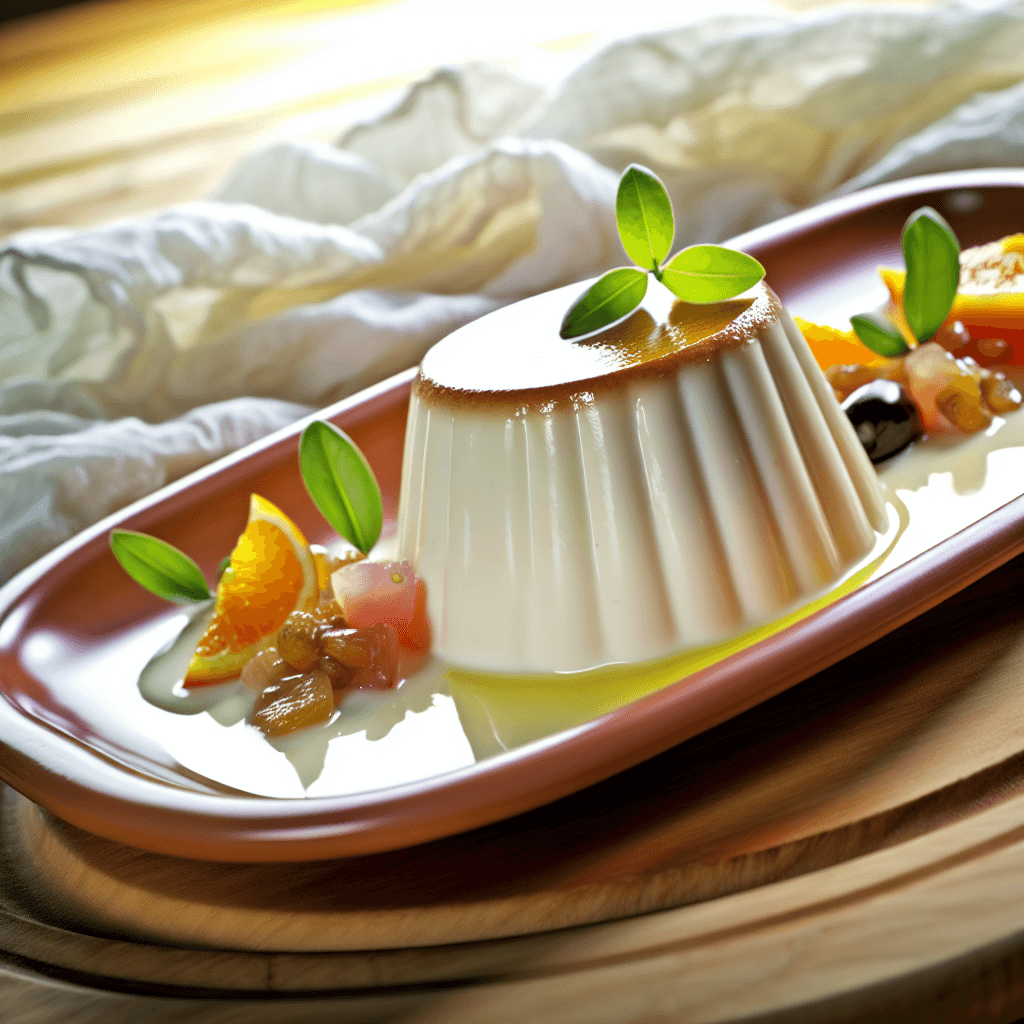
Panna Cotta (Classic Vanilla)
Italy's most elegant simple dessert — just-set cream perfumed with vanilla, served with berry coulis or caramel. Silky, wobbly and effortlessly impressive.
About This Recipe
Panna cotta (cooked cream) is one of the great examples of Italian restraint: the finest cream, a whisper of vanilla and the minimum amount of gelatine needed to give it structure. The perfect panna cotta should barely hold its shape — trembling when you tilt the plate, slipping gently when cut. It should taste purely of good cream and vanilla with a hint of sweetness. It comes from Piedmont in northern Italy and is served in every trattoria across the country. The technique is simple: heat cream with sugar and vanilla, dissolve a measured amount of soaked gelatine into it, pour into moulds and chill. The variables are the ratio of gelatine to cream (less = wobbly, more = firm) and the quality of the cream and vanilla.
Ingredients
Serves 6
- 600 mldouble (heavy) cream
- 150 mlwhole milk
- 60 gcaster sugar
- 1vanilla pod or 1 tsp vanilla extract
- 4gelatine leaves (platinum grade)
- mixed berry coulis or caramel to serve
Instructions
- 1
Soak gelatine
Submerge gelatine leaves in a bowl of cold water for 5 minutes until softened.
- 2
Heat cream
Combine cream, milk and sugar in a saucepan. Split the vanilla pod, scrape the seeds into the cream and add the pod too (or add vanilla extract). Heat over medium heat, stirring, until the sugar dissolves and the mixture just begins to steam — do not boil.
- 3
Add gelatine
Squeeze excess water from the gelatine leaves. Remove cream from heat and stir in the gelatine until completely dissolved.
- 4
Strain and pour
Strain through a fine sieve into a jug (removing the vanilla pod). Pour into lightly oiled dariole moulds or ramekins. Cool to room temperature.
- 5
Set in fridge
Refrigerate for at least 4 hours or overnight until just set.
- 6
Unmould and serve
To unmould, briefly dip the base of each mould in hot water and turn out onto a plate. Spoon berry coulis or caramel around the panna cotta.
Did you make this?
Rate it and help other cooks find the recipes that actually work.
One tap to sign in, and we'll save the rating you just picked.
Everything you need to plan your week — free
- Meal calendar
- Grocery list
- AI recipe ideas
Cook this hands-free
Get AI meal plans, step-by-step cooking mode, and your saved recipes in the free Bento app.
Pro Tips
- →
Use the minimum gelatine for the most elegant result — it should wobble, not bounce.
- →
Lightly oil the moulds for clean unmoulding.
- →
Don't boil the cream — it affects both texture and flavour.
- →
Weigh dry ingredients on a scale instead of using cups — grams are the difference between a tender and a tough crumb.
Variations
- •
Coffee panna cotta: steep 2 tbsp coffee in the hot cream before straining.
- •
Coconut panna cotta: replace half the cream with coconut cream.
- •
Serve with a Amaretto-soaked cherry compote for a Piedmontese flourish.
- •
Vegetarian: swap the protein for roasted king oyster mushrooms, smoked tofu or cooked chickpeas — adjust seasoning slightly upward to compensate.
Storage
Keeps in the fridge for up to 3 days, covered. Do not freeze.
History & Origin
Panna cotta is believed to have originated in Piedmont, northern Italy, in the late 19th or early 20th century. It gained international fame in the 1990s as Italian cuisine became globally fashionable. Its combination of simplicity and elegance made it a restaurant staple worldwide.
Frequently Asked Questions
Why won't my panna cotta unmould cleanly?
It may need more time setting, or the moulds weren't oiled. Try briefly dipping the base in hot water for 5 seconds, then running a knife around the edge.
Can I make this vegetarian (no gelatine)?
Yes — use 2 tsp agar-agar powder instead of gelatine. Note that agar sets firmer — use slightly less for a similar wobble.
Can I make this ahead of time?
Yes — most of the components can be prepared up to a day in advance and refrigerated separately. Reheat gently and assemble just before serving so textures stay distinct.
What can I substitute if I don't have all the ingredients?
Stay close to the role each ingredient plays: swap aromatics for similar ones (shallot for onion, lime for lemon), and keep the fat-acid-salt balance intact. Spice blends can usually be approximated with what's in the cupboard.
Nutrition Facts
Per serving · 6 servings total
Time Summary
Have Questions?
Ask our AI cooking assistant anything about this recipe — substitutions, techniques, scaling.
Chat with AI Chef →Featured in Guides
This recipe is featured in the following curated guides:
More Italian Recipes
You Might Also Like
Similar dishes from other cuisines around the world.
Free Kitchen Tools
Calculators and converters that pair with this page — no signup needed.
Put This Into a Plan
Schedule it, shop for it, and track what you already have.
Read Next
Longer reads that go deeper on the ideas behind this dish.
Community
Join the conversation
Sign in to leave a comment and save your favourite recipes