
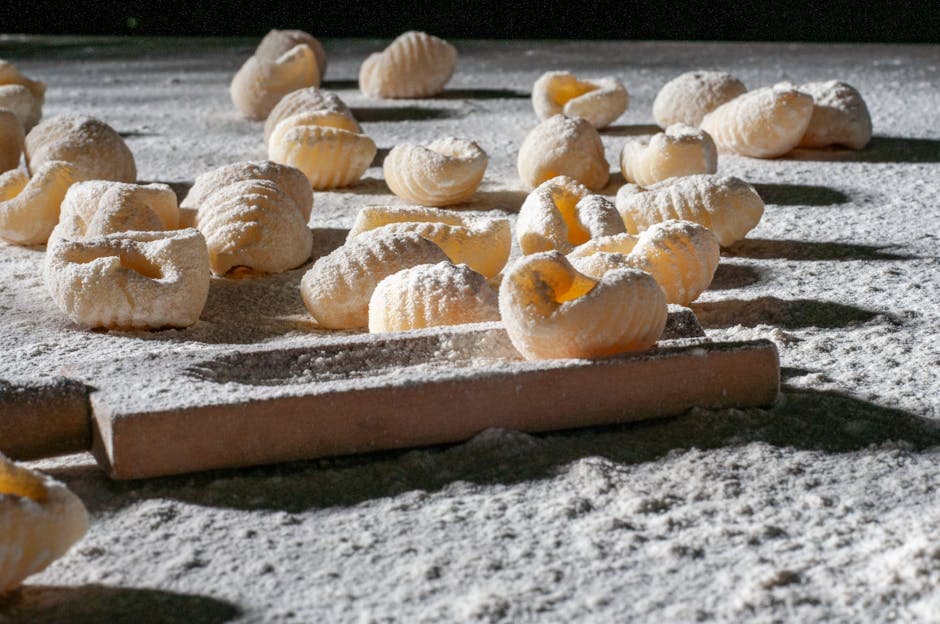
Gnocchi di Patate Fatti in Casa
Pillowy Italian potato dumplings — the technique demands patience but the result is what Italian grandmothers have made for 400 years.
About This Recipe
Gnocchi di patate are the most romantic of Italian dumplings — pillowy little potato pillows boiled briefly, then tossed with a simple butter-sage sauce, melted Gorgonzola, or a deeply reduced ragu. The technique is unforgiving: too much flour and they're leaden; too little and they dissolve in the water; wet potatoes make wet dough; over-worked dough makes gummy gnocchi. Italian grandmothers know within a single touch whether the dough is right. The secret is baking the potatoes (not boiling), ricing them while still warm, working the dough as little as humanly possible, and erring on the side of less flour. Made well, they're so light they nearly float off the plate. Originated in Northern Italy in the 16th century after potatoes arrived from the New World; today every region has its variant.
Ingredients
Serves 4
- 1 kgstarchy potatoes (Russet, Maris Piper, or Désirée)
- 1 largeegg yolk (some traditions skip the egg entirely)
- 180-220 g00 flour or plain flour (less is better)
- 1 tspfine salt
- 1 good gratingfresh nutmeg
- 80 gunsalted butter
- 12 leavesfresh sage
- 60 gParmigiano-Reggiano, finely grated
- freshly ground black pepper
Instructions
- 1
Bake the potatoes
Prick potatoes all over with a fork. Bake at 200°C for 60 minutes, until completely tender. Do NOT boil — boiled potatoes absorb water that ruins the dough.
- 2
Rice while warm
Halve potatoes lengthwise (carefully — they're hot). Scoop out the flesh. Pass through a potato ricer or food mill into a wide pile on a clean work surface. Let cool 5 minutes — just enough to handle, but still warm.
- 3
Add flour and egg carefully
Sprinkle 1 tsp salt and nutmeg over the potato. Add egg yolk. Sprinkle on 150 g of the flour. Using a bench scraper (not your hands), gently fold the flour in just until incorporated. Add 30 g more flour if the dough is too sticky to handle. Stop adding flour the moment the dough can be gathered into a ball.
- 4
Test one
Pinch off a marble of dough, roll into a ball, drop into salted simmering water. If it floats within 60 seconds and holds together, the dough is right. If it falls apart, add 20 g more flour; if it's chewy, you've added too much (start over).
- 5
Shape the gnocchi
Cut the dough into 6 pieces. Roll each into a long 2 cm-thick rope on a floured surface. Cut each rope into 2 cm pillows. Optional: roll each pillow gently down the back of a fork to create ridges that catch sauce. Lay on a floured tray, not touching.
- 6
Cook in batches
Bring a wide pot of well-salted water to a gentle simmer (not a hard boil — they break). Drop in 20 gnocchi at a time. They sink, then float. From the moment they float, cook 30 seconds more. Lift out with a slotted spoon.
- 7
Make the sage butter
Melt butter in a wide pan over medium heat until foaming and faintly nutty. Add sage leaves; they should sizzle and crisp in 30 seconds.
- 8
Marry and serve
Slide drained gnocchi into the sage butter. Toss gently — never aggressively or they break. Add a splash of pasta water if dry. Spoon onto warm plates. Shower with Parmesan and pepper. Eat immediately — gnocchi don't wait.
Did you make this?
Rate it and help other cooks find the recipes that actually work.
One tap to sign in, and we'll save the rating you just picked.
Everything you need to plan your week — free
- Meal calendar
- Grocery list
- AI recipe ideas
Track what you eat
Snap your meal to log calories and macros, run fasting timers and track water in the free SnapCal app.
Pro Tips
- →
Bake the potatoes, don't boil — boiled potatoes absorb water that ruins the dough.
- →
Less flour is better — add the minimum that lets you handle the dough.
- →
Work the dough as little as humanly possible — knead and you create gluten, gluten makes gummy gnocchi.
Variations
- •
Gnocchi al Gorgonzola: toss in a sauce of melted Gorgonzola dolce + a splash of cream + walnuts.
- •
Gnocchi al ragu: toss with a deeply reduced beef-and-tomato ragu.
- •
Spinach gnocchi (gnudi): replace half the potato with finely chopped cooked spinach, squeezed very dry.
Storage
Freeze raw on trays then bag up to 2 months. Cook from frozen with 1 extra minute. Cooked gnocchi don't keep — eat immediately.
History & Origin
Potato gnocchi appeared in Northern Italy in the 16th century after potatoes arrived from the New World, replacing earlier flour-and-water 'gnocchi' that had existed since Roman times. Each Italian region developed its own style; the Piedmontese and Lombard versions with potatoes became dominant.
Frequently Asked Questions
Why are my gnocchi gummy?
Too much flour, or the dough was over-worked. The fix: use less flour and treat the dough like it's about to break.
Can I use a different potato?
Starchy potatoes (Russet, Maris Piper) are best — they're floury and drier. Waxy potatoes (Charlotte, Yukon Gold) make wet dough that needs more flour, which makes leaden gnocchi.
Nutrition Facts
Per serving (320g / 11.3 oz) · 4 servings total
Time Summary
Have Questions?
Ask our AI cooking assistant anything about this recipe — substitutions, techniques, scaling.
Chat with AI Chef →Featured in Guides
This recipe is featured in the following curated guides:
More Italian Recipes
You Might Also Like
Similar dishes from other cuisines around the world.
Browse by Ingredient
More recipes built around the same core ingredients.
Free Kitchen Tools
Calculators and converters that pair with this page — no signup needed.
Put This Into a Plan
Schedule it, shop for it, and track what you already have.
Read Next
Longer reads that go deeper on the ideas behind this dish.
Community
Join the conversation
Sign in to leave a comment and save your favourite recipes