
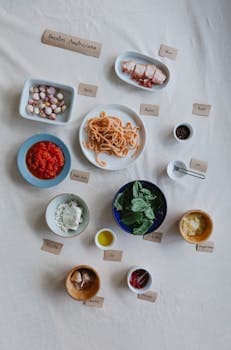
Pasta all'Amatriciana (Roman Tomato and Guanciale Pasta)
Rome's other great pasta — smoky guanciale, San Marzano tomatoes, Pecorino Romano and a pinch of chilli. Bold, simple and deeply satisfying.
About This Recipe
Amatriciana originates from Amatrice, a town in the mountains east of Rome, and is one of Rome's canonical pasta sauces (alongside carbonara, cacio e pepe and gricia). The base is guanciale (cured pig's cheek) rendered in its own fat with a splash of white wine, combined with San Marzano tomatoes, Pecorino Romano and dried chilli (peperoncino). The pasta of choice is rigatoni in Rome; in Amatrice itself it is spaghetti. The sauce is relatively quick to make but the quality of the guanciale is transformative — its fat is silkier and more flavourful than pancetta. Amatriciana became internationally famous after the devastating 2016 earthquake destroyed much of Amatrice, leading to a worldwide tribute to the town through its most famous dish.
Ingredients
Serves 4
- 400 grigatoni or spaghetti
- 200 gguanciale, cut into lardons
- 400 gcanned San Marzano tomatoes, crushed
- 80 gPecorino Romano, grated
- 100 mldry white wine
- 0.5 tspdried chilli flakes (peperoncino)
- to tastesalt
Instructions
- 1
Render guanciale
Cook guanciale in a large pan over medium heat with no added fat. Render slowly until the fat is translucent and the meat is crispy at the edges, about 8 minutes.
- 2
Add wine
Add white wine and simmer until evaporated, about 2 minutes. Add chilli flakes.
- 3
Add tomatoes
Add crushed tomatoes and season with a pinch of salt (Pecorino is salty — be conservative). Simmer for 15 minutes until the sauce thickens slightly.
- 4
Cook pasta
Cook pasta in well-salted boiling water until al dente. Reserve 100 ml pasta water before draining.
- 5
Combine
Add drained pasta to the sauce and toss over low heat for 1–2 minutes, adding a splash of pasta water if needed to loosen.
- 6
Serve
Divide between bowls and top with grated Pecorino and optional extra chilli.
Did you make this?
Rate it and help other cooks find the recipes that actually work.
One tap to sign in, and we'll save the rating you just picked.
Everything you need to plan your week — free
- Meal calendar
- Grocery list
- AI recipe ideas
Track what you eat
Snap your meal to log calories and macros, run fasting timers and track water in the free SnapCal app.
Pro Tips
- →
Do not add olive oil — guanciale provides all the fat the sauce needs.
- →
Never substitute bacon for guanciale if you can avoid it — the flavour is fundamentally different.
- →
The sauce should coat the pasta lightly — it is not a heavy, thick sauce.
- →
Taste and adjust salt at the very end — flavors concentrate as liquids reduce, and a final pinch of flaky salt sharpens the whole dish.
Variations
- •
Add a whole dried chilli while sautéing the guanciale and remove before serving for a more subtle heat.
- •
Vegetarian: swap the protein for roasted king oyster mushrooms, smoked tofu or cooked chickpeas — adjust seasoning slightly upward to compensate.
- •
Spicier: add a finely chopped fresh chile or a teaspoon of crushed Aleppo/Urfa pepper to the aromatics for warm, layered heat instead of a single sharp hit.
- •
Lighter: reduce the fat by a third and finish with a squeeze of citrus or a splash of vinegar to keep brightness without losing body.
Storage
The sauce keeps in the fridge for 3 days. Cook pasta fresh.
History & Origin
Amatriciana evolved from gricia (the same dish without tomato), which predates the arrival of tomatoes in Italy. Tomatoes were added in the 18th or 19th century, creating the sauce we know today. After the 2016 Amatrice earthquake, restaurants worldwide added the dish to their menus in tribute.
Frequently Asked Questions
Can I use pancetta instead of guanciale?
Yes, but the flavour will be leaner and less complex. Guanciale's high fat content is fundamental to the sauce's character.
Should I add garlic or onion?
Authentic Amatriciana contains neither. Both are considered inauthentic additions.
Can I make this ahead of time?
Yes — most of the components can be prepared up to a day in advance and refrigerated separately. Reheat gently and assemble just before serving so textures stay distinct.
What can I substitute if I don't have all the ingredients?
Stay close to the role each ingredient plays: swap aromatics for similar ones (shallot for onion, lime for lemon), and keep the fat-acid-salt balance intact. Spice blends can usually be approximated with what's in the cupboard.
Nutrition Facts
Per serving · 4 servings total
Time Summary
Have Questions?
Ask our AI cooking assistant anything about this recipe — substitutions, techniques, scaling.
Chat with AI Chef →More Italian Recipes
You Might Also Like
Similar dishes from other cuisines around the world.
Browse by Ingredient
More recipes built around the same core ingredients.
Free Kitchen Tools
Calculators and converters that pair with this page — no signup needed.
Put This Into a Plan
Schedule it, shop for it, and track what you already have.
Read Next
Longer reads that go deeper on the ideas behind this dish.
Community
Join the conversation
Sign in to leave a comment and save your favourite recipes