
Smørrebrød — Danish Open Sandwiches
Denmark's art form in edible form: dark rye bread topped with herring, smoked salmon, roast beef or egg, adorned with traditional garnishes — Scandinavian open sandwich culture.
About This Recipe
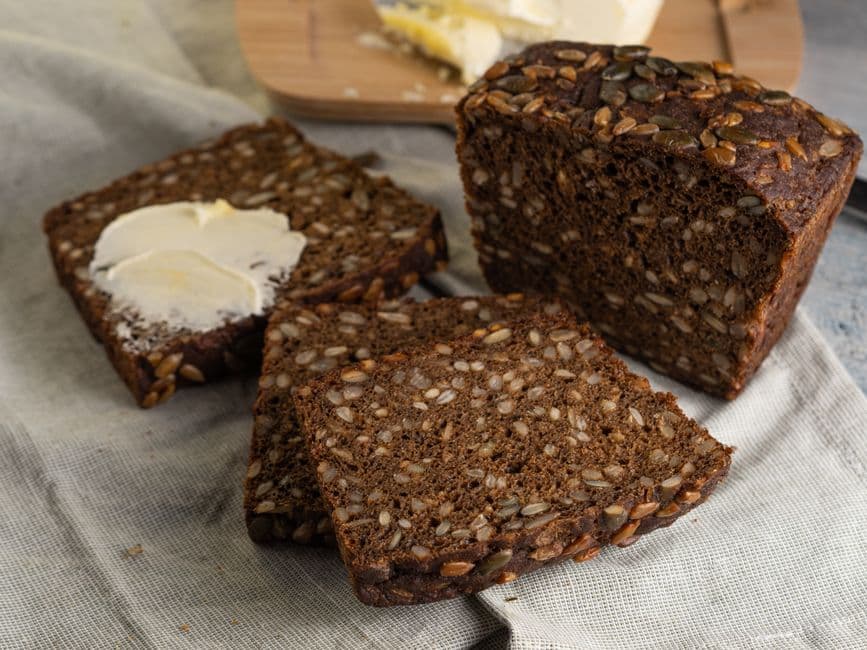
Smørrebrød (literally 'butter bread') is Denmark's most iconic food tradition: dense, dark rye bread (rugbrød) spread with cold-pressed butter and topped with a variety of traditional toppings — pickled herring with onion and capers, smoked salmon with cucumber and dill, roast beef with remoulade and crispy onion, or liver pâté with pickled cucumber. Each smørrebrød is a small work of art, carefully composed with traditional garnish combinations that have been refined for generations. Danish smørrebrød is eaten with a knife and fork, never picked up by hand, and lunch in Denmark traditionally means a selection of two or three different toppings, each served on its own bread slice. The quality of the rye bread is fundamental — it must be dense, slightly sour and able to stand up to wet toppings.
Ingredients
Serves 4
- 8 slicesdark rye bread (rugbrød)(dense and slightly sour)
- 60 gcold butter
- 200 gpickled herring(marinated in onion and bay)
- 1 smallred onion(thinly sliced)
- 2 tablespoonscapers
- 200 gsmoked salmon
- 0.5cucumber(thinly sliced)
- 1 bunchfresh dill
- 2eggs(hard-boiled, sliced)
- 100 gDanish remoulade(or mix of mayo, capers, dill pickle and mustard)
- 4 tablespoonssmoked salmon roe or fish roe
- 1lemon(cut into wedges)
Instructions
- 1
Prepare the bread base
Spread each rye bread slice generously with cold butter — this is the essential base layer that prevents the bread absorbing moisture from the toppings.
- 2
Herring smørrebrød
Lay pickled herring fillets on buttered rye. Top with red onion rings and capers. A sprig of dill completes it.
- 3
Smoked salmon smørrebrød
Lay smoked salmon generously over buttered rye. Add a fan of cucumber slices. Top with a small spoonful of roe and a frond of fresh dill. Squeeze lemon over.
- 4
Egg smørrebrød
Arrange sliced hard-boiled egg on buttered rye. Add a spoonful of remoulade and garnish with dill or chives. A pinch of salt and white pepper over the top.
Did you make this?
Rate it and help other cooks find the recipes that actually work.
One tap to sign in, and we'll save the rating you just picked.
Everything you need to plan your week — free
- Meal calendar
- Grocery list
- AI recipe ideas
Cook this hands-free
Get AI meal plans, step-by-step cooking mode, and your saved recipes in the free Bento app.
Pro Tips
- →
Dense, sour Danish rye bread (rugbrød) is essential — it's the structural foundation.
- →
Cold butter spread thickly is the first rule of smørrebrød — never skip it.
- →
Toppings should be arranged neatly and attractively — smørrebrød is as much visual as it is culinary.
- →
Taste and adjust salt at the very end — flavors concentrate as liquids reduce, and a final pinch of flaky salt sharpens the whole dish.
Variations
- •
Roast beef smørrebrød: thinly sliced cold roast beef with remoulade and crispy onions.
- •
Leverpostej (liver pâté) smørrebrød with pickled cucumber and bacon.
- •
Vegetarian: swap the protein for roasted king oyster mushrooms, smoked tofu or cooked chickpeas — adjust seasoning slightly upward to compensate.
- •
Spicier: add a finely chopped fresh chile or a teaspoon of crushed Aleppo/Urfa pepper to the aromatics for warm, layered heat instead of a single sharp hit.
Storage
Assemble just before serving. All components keep separately for several days.
History & Origin
Smørrebrød has its roots in the peasant tradition of using bread as an edible plate for other foods, dating back centuries in Scandinavian culture. By the 19th century, it had evolved into a refined art form — particularly the 'Copenhagen smørrebrød' developed in the city's specialist restaurants. The tradition of specific topping and garnish combinations (which toppings belong together, which garnishes are traditional) became codified, and a distinct smørrebrød culture developed with its own etiquette and aesthetic.
Frequently Asked Questions
Where can I find Danish rye bread?
Dense, dark Danish rugbrød is available at Scandinavian delicatessens, IKEA food halls and increasingly in supermarkets. German Vollkornbrot is a good substitute. Standard supermarket rye bread is too light and airy for authentic smørrebrød.
Can I make this ahead of time?
Yes — most of the components can be prepared up to a day in advance and refrigerated separately. Reheat gently and assemble just before serving so textures stay distinct.
What can I substitute if I don't have all the ingredients?
Stay close to the role each ingredient plays: swap aromatics for similar ones (shallot for onion, lime for lemon), and keep the fat-acid-salt balance intact. Spice blends can usually be approximated with what's in the cupboard.
How do I know it's authentic?
Authenticity sits on a spectrum — what matters more is honoring the technique and balance of flavors. If the dish tastes harmonious and respects how cooks in its home region would build it, you're on solid ground.
Nutrition Facts
Per serving (180g / 6.3 oz) · 4 servings total
Time Summary
Have Questions?
Ask our AI cooking assistant anything about this recipe — substitutions, techniques, scaling.
Chat with AI Chef →Featured in Guides
This recipe is featured in the following curated guides:
More Danish Recipes
You Might Also Like
Similar dishes from other cuisines around the world.
Browse by Ingredient
More recipes built around the same core ingredients.
Free Kitchen Tools
Calculators and converters that pair with this page — no signup needed.
Put This Into a Plan
Schedule it, shop for it, and track what you already have.
Read Next
Longer reads that go deeper on the ideas behind this dish.
Community
Join the conversation
Sign in to leave a comment and save your favourite recipes