
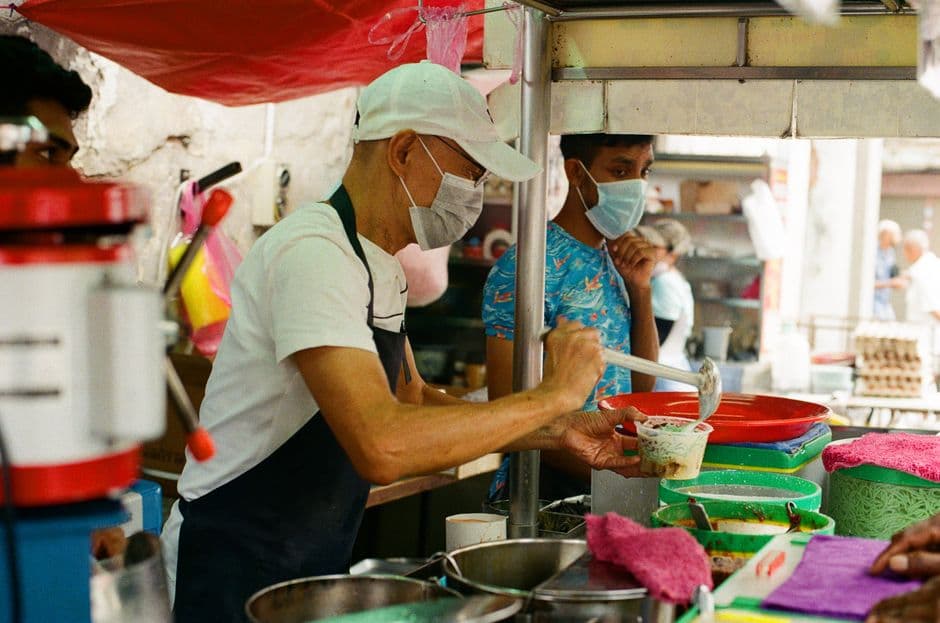
Пенанг Ассам Лакса
Острый, острый рыбный бульон на кислом тамаринде с густой рисовой лапшой, ананасом, зеленью и креветочной пастой — самое знаковое блюдо Пенанга и один из величайших супов с лапшой в мире.
Об этом рецепте
Пенанг ассам лакса — один из самых необычных супов с лапшой в Азии: глубоко кислый, богато ароматный бульон из тамаринда и скумбрии с уникальным острым вкусом хае ко (густой пасты из креветок), который добавляют непосредственно перед едой. Толстая рисовая лапша наполнена свежей мятой, вьетнамским кориандром (даун кесом), тертым огурцом, луком, ананасом и перцем чили «птичий глаз», а затем залита горячим кислым рыбным бульоном. Сочетание кислинки, рыбности, сладости ананаса и острого остроты перца чили создает почти подавляющий вкус, вызывающий сильнейшее привыкание. Пенанг ассам лакса занял 7-е место в списке 50 самых вкусных блюд мира по версии CNN Travel, и как только вы попробуете его, рейтинг покажется консервативным.
Ингредиенты
Служит 4
- 600 гсвежая скумбрия или сардины
- 1.5 литрывода
- 4 столовые ложкитамариндовая паста
- 2 стеблилемонграсс(в синяках)
- 4 ломтикигалангал
- 3сушеный красный перец чили
- 2 teaspoonsкреветочная паста (белакан)
- 1 столовая ложкасахар
- 1 чайная ложкасоль
- 400 гтолстая круглая рисовая лапша
- 100 гсвежий ананас(измельченный или нарезанный кубиками)
- 1 маленькийогурец(жульенированный)
- 1 маленькийкрасный лук(тонко нарезанный)
- 1 пучоксвежая мята
- 2 столовые ложкиХэко (густая паста из креветок)(служить)
Инструкции
- 1
Приготовить рыбу
Тушить скумбрию в воде с лемонграссом и калганом 20 минут. Удалить рыбу, мясо хлопьев, удалив кости и кожу. Запасной бульон.
- 2
Приготовьте бульон
Смешайте сушеный перец чили и белакан до состояния пасты. Обжарьте в небольшом количестве масла в течение 2 минут. Добавьте обратно в оставленный рыбный бульон с тамариндовой пастой, сахаром и солью. Тушить 15 минут. Добавьте рыбные хлопья обратно в бульон.
- 3
Приготовить лапшу
Отварите толстую рисовую лапшу согласно инструкции на упаковке до готовности. Слейте воду и разложите по мискам.
- 4
Собираем и обслуживаем
Залейте лапшу горячим рыбным бульоном. Сверху выложите ананас, огурец, лук и мяту. Сверху положите небольшую ложечку хае ко — гости размешивают ее сами. Подавайте с дополнительным перцем чили.
Вы готовили это блюдо?
Поставьте оценку и помогите другим найти рецепты, которые действительно работают.
Войдите в одно касание, и мы сохраним только что выбранную оценку.
Всё для планирования недели — бесплатно
- Календарь питания
- Список покупок
- Идеи рецептов с ИИ
Следите за питанием
Фотографируйте еду, чтобы записывать калории и макросы, запускайте таймеры голодания и отслеживайте воду в бесплатном приложении SnapCal.
Советы профессионалов
- →
Хэко (густая паста из креветок) — определяющий завершающий штрих — ее можно найти в продуктовых магазинах Малайзии или Азии.
- →
Бульон должен получиться заметно кисловатым и пикантным — тамаринд и соль регулируйте по вкусу.
- →
Даун кесом (вьетнамский кориандр) — настоящая трава, заменитель смеси мяты и обычного кориандра.
- →
В самом конце попробуйте и отрегулируйте соль — вкусы концентрируются по мере уменьшения количества жидкости, а последняя щепотка чешуйчатой соли придает остроту всему блюду.
Вариации
- •
Карри лакса (лемак) — это совершенно другая версия на основе кокоса, еще одна замечательная лакса Пенанга.
- •
Вегетарианцы: замените белок жареными королевскими вешенками, копченым тофу или приготовленным нутом — для компенсации слегка отрегулируйте приправу.
- •
Острее: добавьте к ароматике мелко нарезанный свежий перец чили или чайную ложку измельченного перца Алеппо/Урфа для получения теплого, многослойного остроты вместо одного острого удара.
- •
Легче: уменьшите жирность на треть и добавьте в конце немного цитрусовых или немного уксуса, чтобы сохранить яркость, не теряя при этом насыщенности.
Хранение
Отвар хранится в холодильнике 3 дня. Храните лапшу и начинки отдельно. Собираем свежее.
История и происхождение
Ассам лакса — это уникальное творение Пенанга, разработанное островной общиной Ньонья (перанаканский китайский), которая смешала малайские и китайские кулинарные традиции. Слово «ассам» по-малайски означает «тамаринд». Блюдо отражает мультикультурный характер Пенанга — бывшего британского колониального порта, где на протяжении веков смешивались китайская, малайская, индийская и европейская кулинарные культуры. Пенанг в настоящее время считается одним из лучших гастрономических центров Азии, а Ассам Лакса находится в центре его кулинарной идентичности.
Часто задаваемые вопросы
Где я могу найти Хэ Ко?
Хэ ко (густая паста из креветок) продается в продуктовых магазинах Малайзии и некоторых китайских магазинах. Она густая и черная, отличается от обычной пасты из креветок. Без него блюдо теряет важное вкусовое измерение, которое стоит поискать.
Могу ли я сделать это заранее?
Да, большинство компонентов можно приготовить заранее и хранить в холодильнике отдельно. Аккуратно разогрейте и соберите непосредственно перед подачей на стол, чтобы текстура оставалась четкой.
Чем можно заменить, если у меня нет всех ингредиентов?
Будьте внимательны к роли каждого ингредиента: замените ароматические вещества на аналогичные (шалот на лук, лайм на лимон) и сохраните жирно-кислотно-солевой баланс. Смеси специй обычно можно сравнить с тем, что есть в шкафу.
Как я узнаю, что оно подлинное?
Подлинность зависит от спектра: важнее всего соблюдение техники и баланса вкусов. Если блюдо имеет гармоничный вкус и соответствует тому, как его готовят повара в его родном регионе, вы на твердой почве.
Факты о питании
За порцию (500g) · 4 общее количество порций
Сводка времени
Есть вопросы?
Спросите нашего помощника по кулинарии с искусственным интеллектом что-нибудь об этом рецепте — о заменах, методах, масштабировании.
Чат с AI Chef →Избранное в руководствах
Этот рецепт представлен в следующих руководствах:
Больше рецептов Малазийские
Вам также может понравиться
Похожие блюда из кухонь других стран.
Поиск по ингредиенту
Другие рецепты с теми же основными ингредиентами.
Бесплатные кухонные инструменты
Калькуляторы и конвертеры к этой странице — без регистрации.
Превратить в план
Поставьте в календарь, соберите список покупок и следите за запасами.
Календарь планирования питания
Поставьте этот рецепт на нужный день и спланируйте неделю вокруг него.
Приложение для списка покупок
Превратите этот список ингредиентов в список покупок, сгруппированный по отделам.
Импорт рецептов
Сохраните этот рецепт — и любую ссылку на рецепт — в одной упорядоченной библиотеке.
Читать далее
Развёрнутые материалы об идеях, стоящих за этим блюдом.
Сообщество
Присоединяйтесь к разговору
Войдите, чтобы оставить комментарий и сохранить любимые рецепты.