
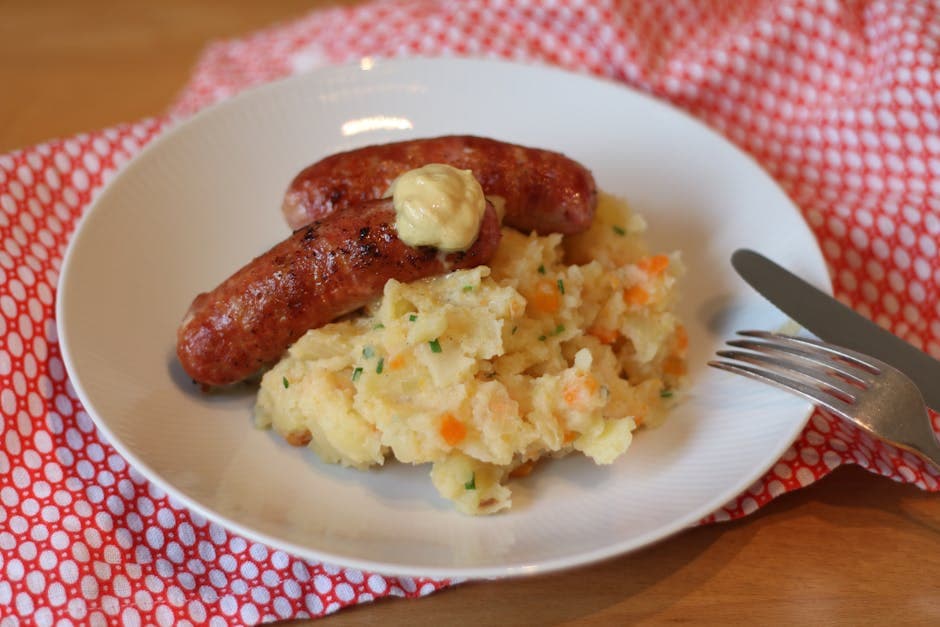
Hutspot (puré neerlandés de zanahoria y cebolla)
El segundo gran plato de los Países Bajos: zanahorias, cebollas y patatas hervidas y machacadas hasta obtener un puré de naranja, dulce y sabroso. Consumido el 3 de octubre para conmemorar la liberación de Leiden.
Acerca de esta receta
Hutspot es el segundo pilar de la tradición holandesa de stamppot junto con el boerenkool y es el plato que se come en todos los Países Bajos el 3 de octubre, el Día Nacional de Ayuda a Leiden, que conmemora el asedio español de Leiden en 1574. La leyenda dice que cuando el ejército español se retiró, dejaron una olla de hutspot; los ciudadanos de Leiden la encontraron y se la comieron, rompiendo una hambruna que había durado meses. Sea cierto o no, el plato se come en esta fecha desde hace 450 años. A diferencia del boerenkool (que es verde), el hutspot es de color naranja dorado debido a las zanahorias y es naturalmente dulce. Tradicionalmente se sirve con costillas de ternera (klapstuk) cocidas a fuego lento en la misma agua de cocción.
Ingredientes
Sirve 4
- 800 gfloury potatoes(pelado y en cuartos)
- 400 gzanahorias(pelado y cortado en rodajas de 2 cm de grosor)
- 2large onions(roughly diced)
- 50 gmantequilla
- 100 mlleche tibia
- 1 cdtasal
- 0.5 cdtapimienta negra
- 0.5 cdtanuez moscada rallada
- 4costillas de res o filete para estofar(opcional, estofado por separado en stock)
Instrucciones
- 1
Hierve todo junto
Coloque las patatas, las zanahorias y las cebollas en una olla grande. Cubrir con agua con sal. Llevar a ebullición y cocinar de 25 a 30 minutos hasta que todo esté completamente suave.
- 2
Escurre y machaca
Escurrir muy bien. Regrese a la olla a fuego lento durante 1 minuto para eliminar el exceso de humedad. Agrega la mantequilla, la leche tibia, la sal, la pimienta y la nuez moscada. Triture en trozos grandes: hutspot debe tener trozos visibles de zanahoria y cebolla, no quedar suave.
Un machacador de patatas da la textura rugosa correcta. Un procesador de alimentos produce un resultado inusualmente suave.
- 3
Prueba y termina
Probar y rectificar de sal. El dulzor de la zanahoria debería notarse claramente.
- 4
Serve
Montículo de choza sobre platos. Cubra con costilla de res estofada si sirve con carne. Vierta los jugos de la carne para estofar sobre el puré como salsa.
¿Has preparado esta receta?
Valórala y ayuda a otros a encontrar las recetas que de verdad funcionan.
Inicia sesión con un toque y guardaremos la valoración que acabas de elegir.
Todo lo que necesitas para planificar tu semana — gratis
- Calendario de comidas
- Lista de compras
- Ideas de recetas con IA
Controla lo que comes
Fotografía tu comida para registrar calorías y macros, usa temporizadores de ayuno y controla tu agua en la app gratuita SnapCal.
Consejos profesionales
- →
Las zanahorias y las cebollas deben estar completamente blandas; los trozos poco cocidos en el puré son un error común.
- →
La nuez moscada es el condimento característico de los platos holandeses de puré de papa; úselo generosamente.
- →
Pruebe y ajuste la sal al final — los sabores se concentran cuando los líquidos se reducen, y un último pellizco de sal escamosa realza todo el plato.
- →
Mise en place se paga a sí mismo: pique, mida y mezcle previamente todo antes de encender el calor, especialmente para cualquier paso que se mueva rápido.
Variaciones
- •
Agregue chirivía junto con las zanahorias para obtener un dulzor más complejo.
- •
Stamppot se encontró con lo peor: agregue salchicha ahumada en rodajas encima
- •
Para una versión más rica, reemplaza la mitad de la leche con crema doble.
- •
Vegetariano: cambie la proteína por champiñones ostra king asados, tofu ahumado o garbanzos cocidos — ajuste el condimento ligeramente hacia arriba para compensar.
Almacenamiento
Se mantiene refrigerado 3 días. Añade un chorrito de leche al recalentar para recuperar la consistencia.
Historia y origen
Hutspot está documentado en fuentes holandesas del siglo XVI. La leyenda del Relieve de Leiden (1574) le dio una dimensión patriótica que aseguró su supervivencia como tradición cultural. La combinación de papa, zanahoria y cebolla del plato refleja el clásico huerto holandés de la Edad de Oro (siglo XVII), cuando estos cultivos eran alimentos básicos en todos los hogares.
Preguntas frecuentes
¿Cuál es la diferencia entre hutspot y boerenkool stamppot?
Hutspot usa zanahoria y cebolla para obtener un puré dulce de color naranja dorado. Boerenkool usa col rizada para obtener un resultado más oscuro, amargo y con motas verdes. Ambos son stamppots (verduras trituradas en puré de papa), pero el perfil de sabor, el color y los acompañamientos tradicionales difieren significativamente. Hutspot es más dulce; El boerenkool es más robusto y sabroso.
¿Puedo hacer esto con anticipación?
Sí — la mayoría de los componentes se pueden preparar hasta un día antes y refrigerar por separado. Recaliente suavemente y ensamble justo antes de servir para que las texturas permanezcan distintas.
¿Qué puedo sustituir si no tengo todos los ingredientes?
Manténgase cerca del papel que juega cada ingrediente: cambie los aromáticos por otros similares (chalota por cebolla, lima por limón) y mantenga el equilibrio de grasa-ácido-sal intacto. Los mezcles de especias generalmente se pueden aproximar con lo que esté en la despensa.
¿Cómo sé que es auténtico?
La autenticidad está en un espectro — lo que importa más es honrar la técnica y el equilibrio de sabores. Si el plato sabe armonioso y respeta cómo los cocineros en su región de origen lo construirían, estás en terreno sólido.
Datos nutricionales
Por porción · 4 porciones totales
Resumen de tiempo
¿Tiene preguntas?
Pregúntele a nuestro asistente de cocina con IA cualquier cosa sobre esta receta: sustituciones, técnicas, escalado.
Chatea con AI Chef →Destacado en Guías
Esta receta aparece en las siguientes guías seleccionadas:
Más recetas de cocina holandesa
También Te Puede Gustar
Platos similares de otras cocinas del mundo.
Explorar por Ingrediente
Más recetas construidas alrededor de los mismos ingredientes principales.
Herramientas de Cocina Gratuitas
Calculadoras y conversores que acompañan a esta página — sin registro.
Conviértelo en un Plan
Prográmalo, haz la compra y controla lo que ya tienes.
Calendario de planificación de comidas
Coloca esta receta en un día y organiza la semana a su alrededor.
App de lista de la compra
Convierte esta lista de ingredientes en una lista de la compra agrupada por pasillo.
Importador de recetas
Guarda esta receta —y cualquier URL de receta— en una biblioteca ordenada.
Sigue Leyendo
Lecturas más largas que profundizan en las ideas detrás de este plato.
Comunidad
Únete a la conversación
Inicia sesión para dejar un comentario y guardar tus recetas favoritas