
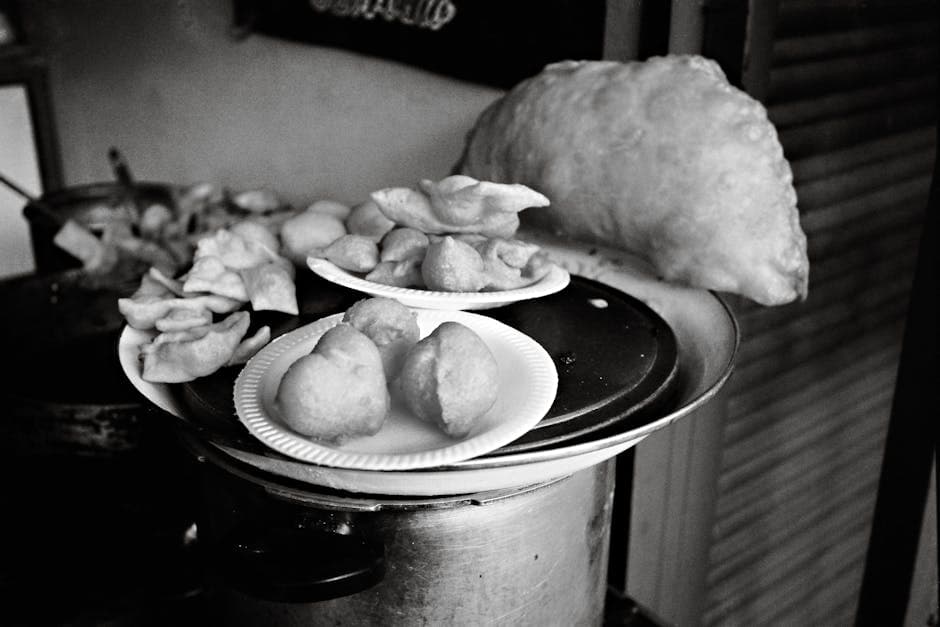
Baursak (Kazakh Fried Dough)
Kazakhstan's beloved fried dough puffs — pillowy, yeast-leavened squares of wheat dough deep-fried in oil until golden and airy inside. Served at every Kazakh celebration with honey, jam or sour cream.
About This Recipe
Baursak (also spelled bawırşaq) are the universal celebratory bread of the Kazakh nomadic tradition — golden, hollow, pillow-soft fried dough pieces that puff dramatically when they hit the oil, creating an airy interior and a thin, crispy skin. They are made for Nauryz (Kazakh New Year, Spring equinox), weddings, religious ceremonies, and Sunday breakfast across Kazakhstan, Kyrgyzstan and the broader Turkic world. The yeast dough is simple — enriched with egg and kefir or sour milk — and the frying is brief at high heat so the outside crisps before the inside dries out. They are always eaten fresh and warm, piled in a large bowl and passed around the table.
Ingredients
Serves 6
- 3 cupsplain flour
- 7 ginstant yeast
- 1 tspsalt
- 1 tspsugar
- 2eggs
- 200 mlkefir or buttermilk(warmed slightly)
- 2 tbspbutter(melted)
- 1 litrevegetable oil(for deep frying)
- honey or jamto serve
Instructions
- 1
Make dough
Combine flour, yeast, salt and sugar. Add eggs, kefir and melted butter. Mix into a soft dough. Knead 5 min. Cover and rest 1 hour until doubled.
- 2
Roll and cut
Roll dough to 1cm thickness on a floured surface. Cut into 4×4cm squares or diamonds.
- 3
Fry
Heat oil to 180°C. Fry baursak in batches — they will puff and inflate immediately. Fry 2–3 min per side until deep golden. They should be hollow inside.
Do not overcrowd — baursak need room to puff. Fry 4–5 at a time in a large pot.
- 4
Drain and serve
Drain briefly on paper towels. Pile in a large bowl and serve immediately while warm with honey, jam or sour cream.
Did you make this?
Rate it and help other cooks find the recipes that actually work.
One tap to sign in, and we'll save the rating you just picked.
Everything you need to plan your week — free
- Meal calendar
- Grocery list
- AI recipe ideas
Track what you eat
Snap your meal to log calories and macros, run fasting timers and track water in the free SnapCal app.
Pro Tips
- →
Kefir or buttermilk gives baursak a slight tang and helps the dough stay tender after frying.
- →
The dough must be properly risen — under-proofed baursak will be dense and not puff properly.
- →
Taste and adjust salt at the very end — flavors concentrate as liquids reduce, and a final pinch of flaky salt sharpens the whole dish.
- →
Mise en place pays for itself: chop, measure and pre-mix everything before the heat goes on, especially for any step that moves fast.
Variations
- •
Savoury version: serve with sour cream only, without sweet accompaniments
- •
Add 1 tsp vanilla to the dough for a dessert version
- •
Smaller baursak (bite-sized): fry 1.5 min per side
- •
Vegetarian: swap the protein for roasted king oyster mushrooms, smoked tofu or cooked chickpeas — adjust seasoning slightly upward to compensate.
Storage
Best eaten the day they are made. Leftover baursak reheat in a 180°C oven for 5 min.
History & Origin
Baursak is one of the oldest breads of the Eurasian steppe — similar fried doughs appear in Turkish, Mongolian and Russian nomadic cooking. The Kazakh version is the most celebrated: it is required at Nauryz and at every life event. Their round, pillow-shaped form is symbolically associated with prosperity and fertility in Kazakh folk tradition.
Frequently Asked Questions
Why do baursak puff hollow?
The yeast-leavened dough produces CO2 gas during the first proof. When the dough pieces hit hot oil, the outside cooks immediately while the gas inside expands rapidly, inflating the interior before the crust sets. This is the same principle as a French beignet or a South Asian puri — fast high heat and yeast leavening.
Can I make this ahead of time?
Yes — most of the components can be prepared up to a day in advance and refrigerated separately. Reheat gently and assemble just before serving so textures stay distinct.
What can I substitute if I don't have all the ingredients?
Stay close to the role each ingredient plays: swap aromatics for similar ones (shallot for onion, lime for lemon), and keep the fat-acid-salt balance intact. Spice blends can usually be approximated with what's in the cupboard.
How do I know it's authentic?
Authenticity sits on a spectrum — what matters more is honoring the technique and balance of flavors. If the dish tastes harmonious and respects how cooks in its home region would build it, you're on solid ground.
Nutrition Facts
Per serving · 6 servings total
Time Summary
Have Questions?
Ask our AI cooking assistant anything about this recipe — substitutions, techniques, scaling.
Chat with AI Chef →Featured in Guides
This recipe is featured in the following curated guides:
More Kazakh Recipes
You Might Also Like
Similar dishes from other cuisines around the world.
Browse by Ingredient
More recipes built around the same core ingredients.
Free Kitchen Tools
Calculators and converters that pair with this page — no signup needed.
Put This Into a Plan
Schedule it, shop for it, and track what you already have.
Read Next
Longer reads that go deeper on the ideas behind this dish.
Community
Join the conversation
Sign in to leave a comment and save your favourite recipes