
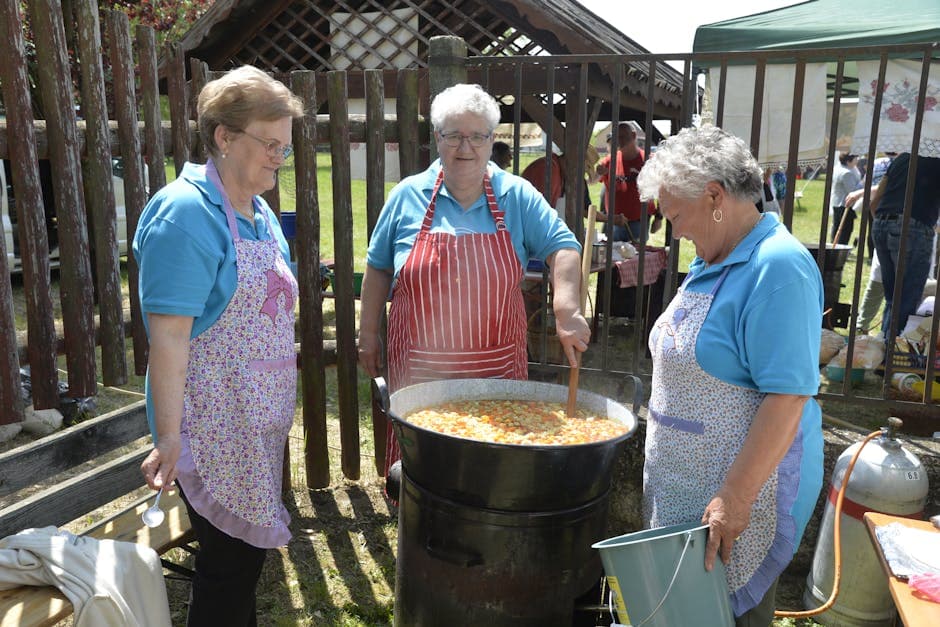
Халасле (венгерский рыбацкий суп)
Острый венгерский суп из карпа, сома или щуки целиком, тушенный в огненном бульоне из красной паприки. Две конкурирующие версии (Баха против Сегеда) и постоянный спор. Оба необыкновенны.
Об этом рецепте
Халасле (рыбацкий суп) — один из величайших супов Европы и самое обсуждаемое блюдо Венгрии. Соперничество между стилями Баха и Сегед продолжается уже более века и не имеет разрешения. Оба используют бульон, богатый паприкой, и пресноводную рыбу из рек Дунай и Тиса; разница в технике. По-сегедски: рыбу варят поэтапно, мелкую рыбу и остатки готовят до полного растворения, бульон процеживают и пропускают через сито, затем снова добавляют крупные куски рыбы для окончательного приготовления. По-баха: не напрягаясь — все собирается вместе в большой кастрюле на открытом огне (бограч), в конце добавляется широкая лапша. Оба имеют выраженную нотку паприки и агрессивную приправу.
Ингредиенты
Служит 4
- 1 кгкарп, сом или щука(почистить, нарезать на стейки)
- 500 грыбная вырезка, голова и кости(для основного бульона)
- 3 ст. л.сладкая венгерская паприка
- 1 ст. л.острая венгерская паприка
- 3лук(грубо нарезанный)
- 2зеленый перец(один для бульона, один нарезанный кубиками, чтобы закончить)
- 2помидоры(грубо нарезанный)
- 1свежий острый перец чили(опционально, для дополнительного тепла)
- 1.5 литрывода
- 2 ч. л.соль
- wide egg noodlesприготовленный отдельно для подачи (стиль Баха)
Инструкции
- 1
Приготовление базового бульона (метод Сегеда)
Поместите рыбные обрезки, голову и кости в кастрюлю с луком, помидорами, одним зеленым перцем, водой и солью. Тушить 40 мин. Процедить через мелкое сито, отжимая все твердые частицы — полученный бульон должен быть ароматным и слегка густым из-за рыбного желатина.
- 2
Добавить перец
Верните процеженный бульон в кастрюлю. Добавьте сладкую и острую паприку. Цвет должен стать глубоким, ярким красным. Доведите до кипения.
Добавьте паприку в жидкость, ненадолго выключите огонь, а затем снова доведите до кипения — это предотвратит подгорание паприки.
- 3
Готовим рыбные стейки
Добавьте рыбные стейки и нарезанный кубиками зеленый перец. Тушите на слабом огне 12–15 минут — рыба должна быть только что приготовлена и сохранять форму.
- 4
Приправьте и подавайте
Попробуйте и отрегулируйте соль и паприку. Халасле должен быть темно-красным, отчетливо пряным и с интенсивным ароматом паприки. Подавайте в глубоких тарелках с белым хлебом и, по желанию, с приготовленной широкой лапшой (в стиле баха).
Вы готовили это блюдо?
Поставьте оценку и помогите другим найти рецепты, которые действительно работают.
Войдите в одно касание, и мы сохраним только что выбранную оценку.
Всё для планирования недели — бесплатно
- Календарь питания
- Список покупок
- Идеи рецептов с ИИ
Следите за питанием
Фотографируйте еду, чтобы записывать калории и макросы, запускайте таймеры голодания и отслеживайте воду в бесплатном приложении SnapCal.
Советы профессионалов
- →
Процеживание основы бульона и продавливание всех твердых частиц рыбы — вот что придает сегедскому халасле характерный густой бульон с интенсивным вкусом.
- →
Не пережаривайте рыбные стейки — они должны быть готовыми и ни в коем случае не разваливаться.
- →
В самом конце попробуйте и отрегулируйте соль — вкусы концентрируются по мере уменьшения количества жидкости, а последняя щепотка чешуйчатой соли придает остроту всему блюду.
- →
Мизанс на месте окупается: измельчите, измерьте и предварительно перемешайте все, прежде чем начнется жара, особенно для любого быстрого этапа.
Вариации
- •
Стиль баха: не процеживать, готовить все вместе, в готовый суп добавить широкую лапшу (чипетке или гюфаметелт).
- •
Для более деликатного результата используйте судака (фогаш — самую ценную венгерскую речную рыбу).
- •
В конце добавьте ложку сметаны, чтобы вариант получился более насыщенным и нежным.
- •
Вегетарианцы: замените белок жареными королевскими вешенками, копченым тофу или приготовленным нутом — для компенсации слегка отрегулируйте приправу.
Хранение
Бульонная основа хранится в холодильнике 3 дня. Рыбные стейки каждый раз готовьте свежими — в бульоне они быстро портятся.
История и происхождение
Халасле на протяжении веков ели венгерские рыбаки на реках Дунай и Тиса. Два конкурирующих стиля отражают географию: Сегед (крупный город на реке Тиса) разработал изысканную сцеженную версию, а Баха (на Дунае) сохранил более деревенский метод «все в одном горшке». Дебаты между двумя городами — один из самых страстных кулинарных споров в Венгрии.
Часто задаваемые вопросы
Должен ли я использовать пресноводную рыбу или можно использовать морскую рыбу?
В традиционном халасле используется пресноводная рыба Дуная и Тисы — карп (понти), сом (харча) и судак (фогаш). Несколько мутный, слегка игровой вкус пресноводной рыбы является частью фирменного стиля блюда. Тем не менее, из морского окуня, красного окуня или морского леща получается более чистый и нежный вариант, который многие считают более вкусным. Используйте самую свежую рыбу, независимо от ее происхождения.
Могу ли я сделать это заранее?
Да, большинство компонентов можно приготовить заранее и хранить в холодильнике отдельно. Аккуратно разогрейте и соберите непосредственно перед подачей на стол, чтобы текстура оставалась четкой.
Чем можно заменить, если у меня нет всех ингредиентов?
Будьте внимательны к роли каждого ингредиента: замените ароматические вещества на аналогичные (шалот на лук, лайм на лимон) и сохраните жирно-кислотно-солевой баланс. Смеси специй обычно можно сравнить с тем, что есть в шкафу.
Как я узнаю, что оно подлинное?
Подлинность зависит от спектра: важнее всего соблюдение техники и баланса вкусов. Если блюдо имеет гармоничный вкус и соответствует тому, как его готовят повара в его родном регионе, вы на твердой почве.
Факты о питании
За порцию · 4 общее количество порций
Сводка времени
Есть вопросы?
Спросите нашего помощника по кулинарии с искусственным интеллектом что-нибудь об этом рецепте — о заменах, методах, масштабировании.
Чат с AI Chef →Больше рецептов Венгерские
Вам также может понравиться
Похожие блюда из кухонь других стран.
Поиск по ингредиенту
Другие рецепты с теми же основными ингредиентами.
Бесплатные кухонные инструменты
Калькуляторы и конвертеры к этой странице — без регистрации.
Превратить в план
Поставьте в календарь, соберите список покупок и следите за запасами.
Календарь планирования питания
Поставьте этот рецепт на нужный день и спланируйте неделю вокруг него.
Приложение для списка покупок
Превратите этот список ингредиентов в список покупок, сгруппированный по отделам.
Импорт рецептов
Сохраните этот рецепт — и любую ссылку на рецепт — в одной упорядоченной библиотеке.
Читать далее
Развёрнутые материалы об идеях, стоящих за этим блюдом.
MyCookingCalendar против Paprika 3: органайзер рецептов или полный планировщик еды с искусственным интеллектом?
9 мин
Приготовление еды с высоким содержанием белка: употребляйте макросы каждый день
16 мин
Дефицит магния: полная информация о том, почему 50% людей страдают его дефицитом и как исправить это с помощью еды
12 мин
Сообщество
Присоединяйтесь к разговору
Войдите, чтобы оставить комментарий и сохранить любимые рецепты.