
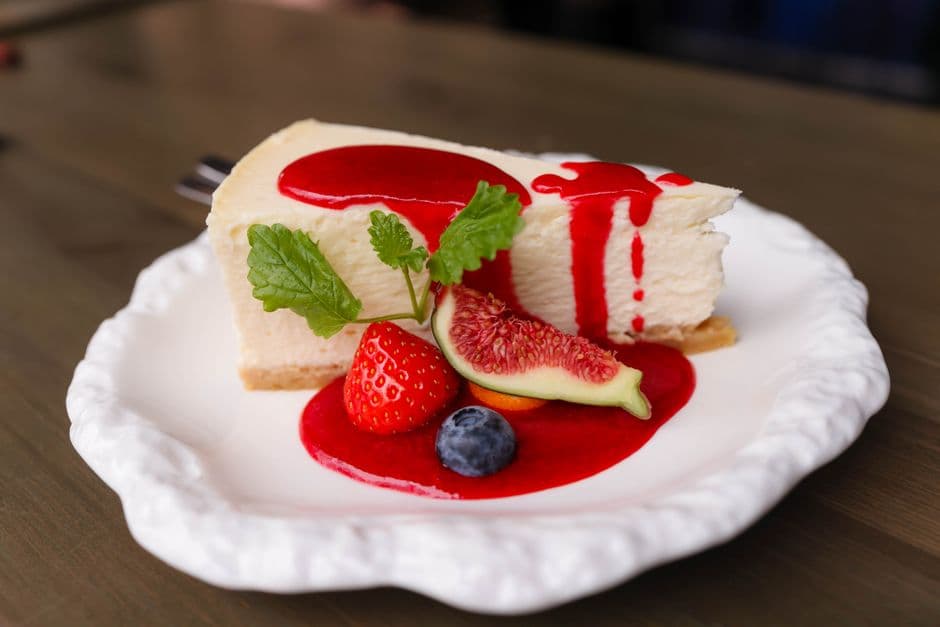
Нью-йоркский чизкейк
Настоящий запеченный чизкейк — невероятно плотный, сливочный и насыщенный, с маслянистой корочкой из крекера «Грэм» и характерным слегка бронзовым верхом.
Об этом рецепте
Чизкейк «Нью-Йорк» отличается от своих более легких европейских собратьев своим чистым, непримиримым богатством. Начинка почти полностью сделана из сливочного сыра — жирного, без компромиссов — обогащенного сметаной, яйцами и достаточным количеством сахара, чтобы сбалансировать привкус. В результате получается плотная, почти похожая на помадку текстура, которая великолепно контрастирует с рассыпчатой маслянистой основой. Запекание на водяной бане гарантирует, что заварной крем застынет медленно и равномерно, не растрескиваясь. Чизкейк необходимо поставить в холодильник на ночь, чтобы его текстура затвердела и вкус раскрылся — терпение не подлежит обсуждению.
Ингредиенты
Служит 12
- 200 гКрекеры Грэма или пищеварительное печенье(измельченный до мелкой крошки)
- 80 гнесоленое сливочное масло(растопленный, для корочки)
- 2 столовые ложкисахарная пудра(для корочки)
- 900 гжирный сливочный сыр(при комнатной температуре)
- 250 гсахарная пудра
- 3 столовые ложкиобычная мука
- 1 чайная ложкаэкстракт ванили
- 3большие яйца(плюс 1 дополнительный желток комнатной температуры)
- 240 млсметана(при комнатной температуре)
Инструкции
- 1
Сделать корочку
Разогрейте духовку до 170°C (конвекция 150°C). Бисквитную крошку смешать с растопленным сливочным маслом и 2 столовыми ложками сахара. Плотно и равномерно прижмите к дну разъемной формы диаметром 23 см. Выпекать 10 минут до застывания. Оставьте остывать.
- 2
Взбить сливочный сыр
Используя электрический миксер на средней скорости, взбивайте сливочный сыр до получения однородной и пышной массы, около 3 минут. Очистите боковые стороны. Добавьте сахар и муку и взбивайте еще 2 минуты до полного растворения.
Очень важен сливочный сыр комнатной температуры — холодный сливочный сыр оставит комочки, которые никогда полностью не разгладятся.
- 3
Добавьте остальные ингредиенты
Добавьте ванильный экстракт. Добавляйте яйца и дополнительный желток по одному, взбивая на низкой скорости, пока каждый из них не смешается. Не перестарайтесь после добавления яиц — излишек воздуха приведет к появлению трещин. Лопаткой вмешайте сметану.
- 4
Подготовьте водяную баню
Плотно оберните разъемную форму снаружи двумя слоями прочной фольги, чтобы предотвратить просачивание воды. Вылейте начинку на остывший корж. Поместите форму в большую жаровню. Налейте в жаровню столько кипятка, чтобы он доходил до краев разъемной формы на 2 см.
- 5
Выпекать
Выпекать 70–80 минут. Чизкейк готов, когда края застыли, но в центре все еще заметно покачивается. Выключите духовку, приоткройте дверцу и оставьте чизкейк внутри на 1 час.
- 6
Холод на ночь
Снимите с водяной бани, проведите тонким ножом по краю формы, чтобы он ослабился, и дайте полностью остыть при комнатной температуре. Накройте крышкой и поставьте в холодильник минимум на 8 часов или на ночь. Выньте из формы и подавайте при комнатной температуре.
Вы готовили это блюдо?
Поставьте оценку и помогите другим найти рецепты, которые действительно работают.
Войдите в одно касание, и мы сохраним только что выбранную оценку.
Всё для планирования недели — бесплатно
- Календарь питания
- Список покупок
- Идеи рецептов с ИИ
Следите за питанием
Фотографируйте еду, чтобы записывать калории и макросы, запускайте таймеры голодания и отслеживайте воду в бесплатном приложении SnapCal.
Советы профессионалов
- →
Все ингредиенты должны быть комнатной температуры, чтобы тесто получилось однородным и без комочков.
- →
Не перемешивайте слишком долго после добавления яиц — из-за воздуха в тесте верхняя часть теста треснет.
- →
Медленное охлаждение в выключенной духовке предотвращает растрескивание от термического удара.
- →
Водяная баня создает пар, который сохраняет чизкейк влажным и предотвращает высыхание верха.
Вариации
- •
Чизкейк с ягодным вихрем: перед выпечкой смешайте 3 столовые ложки малинового или черничного соуса с начинкой.
- •
Лимонный чизкейк: в сырно-сливочную смесь добавьте цедру и сок 2 лимонов.
- •
Чизкейк «Бискофф»: замените основу для крекера «Грэм» измельченным «Лотос Бискофф» и добавьте в начинку 2 столовые ложки пасты «Бискофф».
- •
Вегетарианцы: замените белок жареными королевскими вешенками, копченым тофу или приготовленным нутом — для компенсации слегка отрегулируйте приправу.
Хранение
Охладите под крышкой до 5 дней. Чизкейк можно заморозить (без начинки) на срок до 2 месяцев — разморозить в холодильнике на ночь.
История и происхождение
Чизкейк в нью-йоркском стиле ассоциируется с Арнольдом Рубеном, который утверждал, что создал его в начале двадцатого века, хотя американские пекари еврейского происхождения в Нью-Йорке уже несколько десятилетий пекут насыщенные торты со сливочным сыром. Этот стиль популяризировал ресторан Lindy's в центре Манхэттена.
Часто задаваемые вопросы
Почему мой чизкейк треснул?
Трещины обычно возникают в результате чрезмерного перемешивания (слишком много воздуха), слишком высокой температуры в духовке или слишком быстрого охлаждения. Водяная баня и медленное охлаждение в духовке предотвращают появление большинства трещин.
Можно ли обойтись без водяной бани?
Да, но вероятность растрескивания выше. Выпекайте при чуть более низкой температуре (160°C) и постепенно охлаждайте при приоткрытой дверце духовки.
Могу ли я сделать это заранее?
Да, большинство компонентов можно приготовить заранее и хранить в холодильнике отдельно. Аккуратно разогрейте и соберите непосредственно перед подачей на стол, чтобы текстура оставалась четкой.
Чем можно заменить, если у меня нет всех ингредиентов?
Будьте внимательны к роли каждого ингредиента: замените ароматические вещества на аналогичные (шалот на лук, лайм на лимон) и сохраните жирно-кислотно-солевой баланс. Смеси специй обычно можно сравнить с тем, что есть в шкафу.
Факты о питании
За порцию · 12 общее количество порций
Сводка времени
Есть вопросы?
Спросите нашего помощника по кулинарии с искусственным интеллектом что-нибудь об этом рецепте — о заменах, методах, масштабировании.
Чат с AI Chef →Избранное в руководствах
Этот рецепт представлен в следующих руководствах:
Больше рецептов Американские
Вам также может понравиться
Похожие блюда из кухонь других стран.
Поиск по ингредиенту
Другие рецепты с теми же основными ингредиентами.
Бесплатные кухонные инструменты
Калькуляторы и конвертеры к этой странице — без регистрации.
Превратить в план
Поставьте в календарь, соберите список покупок и следите за запасами.
Сообщество
Присоединяйтесь к разговору
Войдите, чтобы оставить комментарий и сохранить любимые рецепты.