
Смёрребрёд
Датские сэндвичи с открытым лицом на темном ржаном хлебе с изысканной начинкой — форма искусства, лежащая в основе датской кулинарной культуры.
Об этом рецепте
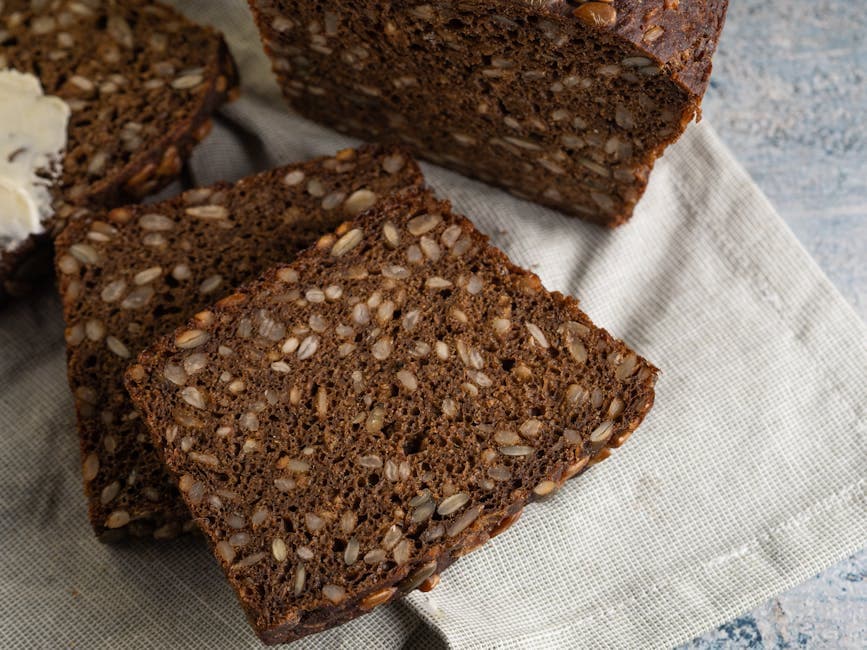
Смёрребрёд (хлеб с маслом) — это не просто сэндвич, это величайшая форма кулинарного искусства Дании. Толстый ломтик плотного темного ржаного хлеба регбрёд обильно намазывают маслом, а затем покрывают точно расположенными ингредиентами в соответствии со строгим эстетическим кодексом: селедка на одном хлебе, леверпостей на другом, креветки всегда с лимоном и укропом. Смёрребрёд, который едят ножом и вилкой (никогда вручную), является традиционным датским обедом и предметом многовековых традиций, инноваций и ожесточённых эстетических дебатов.
Ингредиенты
Служит 4
- 8 thick slicesДатский регбрёд (темный ржаной хлеб)
- 80 гсоленое масло(смягченный)
- 200 гмаринованная селедка(сушеный, с луковыми кольцами)
- 200 гхолодный ростбиф(тонко нарезанный)
- 100 глеверпостей (датский паштет из печени)(или качественный печеночный паштет)
- 200 гприготовленные североморские креветки (рейер)
- 4 ст. л.Датский ремулад
- 2яйца вкрутую(нарезанный)
- 1 пучоксвежий укроп
- 1лимон(нарезать клиньями)
- 100 гхрустящий жареный лук (ristet løg)
- 4корнишоны или ломтики маринованных огурцов
Инструкции
- 1
Сдобный хлеб
Обильно смажьте маслом каждый ломтик ржаного хлеба до самых краев — слой масла является барьером для влаги, а не приправой.
- 2
Сельдь смёрребрёд
На два ломтика выложите кусочки маринованной селедки, несколько колец лука, веточку укропа и ломтик сваренного вкрутую яйца. Подавайте с долькой лимона.
- 3
Ростбиф смёрребрёд
Нарезанный веером ростбиф на два ломтика. Сверху выложите ремулад, хрустящий жареный лук и корнишон.
- 4
Леверпостей смёрребрёд
Обильно распределите печеночный паштет на два ломтика. Сверху выложите обжаренные грибы, полоску хрустящего бекона и маринованный огурец.
- 5
Креветки смёрребрёд
Сложите креветки на два ломтика. Сверху полейте майонезом, придавленным долькой лимона и большой веточкой укропа.
Вы готовили это блюдо?
Поставьте оценку и помогите другим найти рецепты, которые действительно работают.
Войдите в одно касание, и мы сохраним только что выбранную оценку.
Всё для планирования недели — бесплатно
- Календарь питания
- Список покупок
- Идеи рецептов с ИИ
Готовьте, не касаясь экрана
Получите ИИ-планы питания, пошаговый режим готовки и сохранённые рецепты в бесплатном приложении Bento.
Советы профессионалов
- →
Подавайте смёрребрёд на охлажденной тарелке — комнатной температуры или тёплой — неправильно.
- →
Порядок употребления традиционный: сначала селедка, затем мясо, в последнюю очередь креветки.
- →
Каждая начинка должна полностью покрывать хлеб — никаких голых углов.
- →
В самом конце попробуйте и отрегулируйте соль — вкусы концентрируются по мере уменьшения количества жидкости, а последняя щепотка чешуйчатой соли придает остроту всему блюду.
Вариации
- •
Стьернескуд («падающая звезда») — роскошный смёрребрёд с жареными и холодными креветками, копченым лососем и икрой.
- •
Рождественский смёрребрёд включает в себя рибенштег (жареную свиную грудинку) с красной капустой и маринованными огурцами.
- •
Вегетарианцы: замените белок жареными королевскими вешенками, копченым тофу или приготовленным нутом — для компенсации слегка отрегулируйте приправу.
- •
Острее: добавьте к ароматике мелко нарезанный свежий перец чили или чайную ложку измельченного перца Алеппо/Урфа для получения теплого, многослойного остроты вместо одного острого удара.
Хранение
Собирайте непосредственно перед подачей на стол — смёрребрёд нельзя хранить в собранном виде.
История и происхождение
Смёрребрёд восходит к датским сельскохозяйственным рабочим XIX века, которые приносили на обед регбрёд и холодные начинки. В начале 20-го века оно было возведено в ранг искусства благодаря ресторанам Копенгагена, наиболее известным из которых является Ида Дэвидсен, где в меню перечислены сотни сортов. ЮНЕСКО включила датскую кулинарную культуру, в том числе смёрребрёд, в список нематериального наследия.
Часто задаваемые вопросы
Могу ли я использовать обычный хлеб для сэндвичей вместо регбрёда?
Можно, но это не смёрребрёд — плотный, слегка кисловатый регбрёд важен как по структуре, так и по вкусу. Рожь на закваске является ближайшим широко доступным заменителем за пределами Скандинавии.
Могу ли я сделать это заранее?
Да, большинство компонентов можно приготовить заранее и хранить в холодильнике отдельно. Аккуратно разогрейте и соберите непосредственно перед подачей на стол, чтобы текстура оставалась четкой.
Чем можно заменить, если у меня нет всех ингредиентов?
Будьте внимательны к роли каждого ингредиента: замените ароматические вещества на аналогичные (шалот на лук, лайм на лимон) и сохраните жирно-кислотно-солевой баланс. Смеси специй обычно можно сравнить с тем, что есть в шкафу.
Как я узнаю, что оно подлинное?
Подлинность зависит от спектра: важнее всего соблюдение техники и баланса вкусов. Если блюдо имеет гармоничный вкус и соответствует тому, как его готовят повара в его родном регионе, вы на твердой почве.
Факты о питании
За порцию · 4 общее количество порций
Сводка времени
Есть вопросы?
Спросите нашего помощника по кулинарии с искусственным интеллектом что-нибудь об этом рецепте — о заменах, методах, масштабировании.
Чат с AI Chef →Избранное в руководствах
Этот рецепт представлен в следующих руководствах:
Больше рецептов Датские
Вам также может понравиться
Похожие блюда из кухонь других стран.
Поиск по ингредиенту
Другие рецепты с теми же основными ингредиентами.
Бесплатные кухонные инструменты
Калькуляторы и конвертеры к этой странице — без регистрации.
Превратить в план
Поставьте в календарь, соберите список покупок и следите за запасами.
Читать далее
Развёрнутые материалы об идеях, стоящих за этим блюдом.
Сообщество
Присоединяйтесь к разговору
Войдите, чтобы оставить комментарий и сохранить любимые рецепты.