
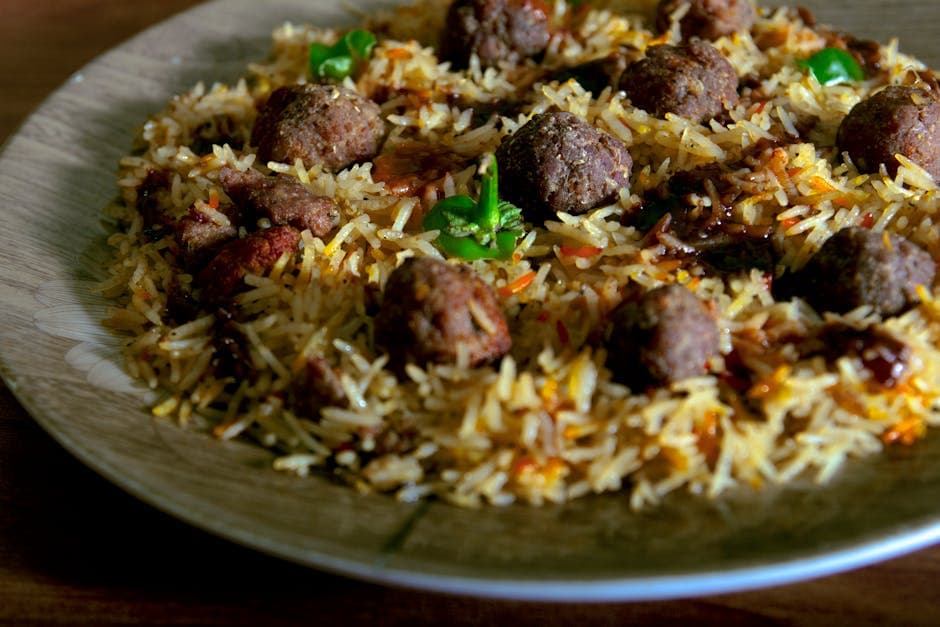
Nihari (Estofado de Carne Lenta Paquistaní)
El estofado más celebrado de Pakistán - carne de res braseada toda la noche hasta que el colágeno se derrita en una salsa espesa y profundamente especiada. La institución dominical por la mañana de Lahore.
Acerca de esta receta
Nihari (del árabe "nahar", que significa mañana/día) es uno de los grandes platos de la cocina musulmana del sur de Asia - un estofado de carne braseada toda la noche que originalmente se preparaba en ollas de barro selladas (cocción dum) y se vendía en la Vieja Delhi y Lahore al amanecer, consumido después de la oración Fajr (matutina). Después de la partición de India y Pakistán en 1947, el plato viajó a Lahore y Karachi y se convirtió profundamente arraigado en la cultura culinaria paquistaní, donde ahora se come cada viernes y domingo por la mañana con naan o kulcha. La mezcla de especias - nihari masala - incluye canela entera, cardamomo negro, clavo, anís estrellado, jengibre seco y nuez moscada, produciendo un sabor que es simultáneamente terroso, floral y cálido. Los garnishes de finalización - jengibre en juliana fina, chile verde fresco, limón, cilantro y un chorrito de ghee - son innegociables.
Ingredientes
Sirve 6
- 1.2 kgcaña de res (nalli)(con hueso, cortada en rondas gruesas)
- 4 cdaghee o aceite
- 2cebollas(finamente rebanadas y fritas hasta dorado-marrón (birista))
- 1 cdapasta de jengibre
- 1 cdapasta de ajo
- 3 cdaharina simple (atta)(para espesar)
- 1.5 litrosagua
- 2 cdtasal
- 2 cdtanihari masala(o combinar: 1 cucharadita de hinojo, 0.5 cucharadita de cardamomo negro, 0.5 cucharadita de canela, 0.25 cucharadita de clavo, 0.25 cucharadita de nuez moscada, 0.5 cucharadita de jengibre seco)
- 1 cdtapolvo de chile rojo
- 0.5 cdtacúrcuma
- 1 cdajengibre fresco(en juliana, para servir)
- 2chiles verdes(rebanados, para servir)
- 1limón(gajos, para servir)
- 4 cdacilantro fresco(picado, para servir)
- 1 cdaghee(para rociar encima)
Instrucciones
- 1
Hacer birista (cebollas fritas)
Freír cebollas rebanadas en ghee a fuego medio durante 20 minutos, revolviendo, hasta que estén profundamente doradas. Retirar con una cuchara ranurada y reservar. Mantener el ghee en la olla.
- 2
Sellar la carne
En el mismo ghee, dorar la caña de res en tandas a fuego alto 4 minutos por lado.
- 3
Construir la base de especias
Añadir pasta de jengibre y pasta de ajo a la olla. Revolver 1 minuto. Añadir nihari masala, chile rojo, cúrcuma y la mitad de las cebollas fritas. Revolver 2 minutos.
- 4
Brasear largo
Devolver toda la carne. Añadir agua. Llevar a hervor, quitar la espuma. Reducir el fuego al más bajo posible. Cubrir y cocinar 3-4 horas hasta que la carne se caiga del hueso y el caldo esté profundamente sabroso.
El nihari auténtico se cocina a fuego lento toda la noche. Incluso 3 horas da resultados dramáticamente mejores que cocción rápida.
- 5
Espesar con harina
Mezclar harina con 4 cucharadas de agua fría en una papilla suave. Revolver en el braseado. Cocinar a fuego lento sin cubrir 15 minutos - la salsa debe espesarse para cubrir el dorso de una cuchara.
- 6
Servir
Servir con cucharón en tazones profundos. Cubrir con cebollas doradas restantes, juliana de jengibre, chile verde rebanado y cilantro. Rociar ghee encima. Servir con un gajo de limón y pan naan o kulcha.
¿Has preparado esta receta?
Valórala y ayuda a otros a encontrar las recetas que de verdad funcionan.
Inicia sesión con un toque y guardaremos la valoración que acabas de elegir.
Todo lo que necesitas para planificar tu semana — gratis
- Calendario de comidas
- Lista de compras
- Ideas de recetas con IA
Cocina con las manos libres
Consigue planes de comida con IA, modo de cocina paso a paso y tus recetas guardadas en la app gratuita Bento.
Consejos profesionales
- →
La caña de res con hueso es esencial - la médula se derrite en el caldo durante la cocción larga y es un elemento definitorio del nihari.
- →
El espesamiento con atta (harina) es tradicional - da una consistencia característicamente espesa y de salsa diferente de los estofados espesados por reducción.
- →
Prueba y ajusta la sal al final - los sabores se concentran conforme los líquidos se reducen, y un último toque de sal en copos agudiza todo el plato.
- →
La mise en place se paga por sí sola: pica, mide y premezla todo antes de encender el fuego, especialmente para cualquier paso que sea rápido.
Variaciones
- •
Nihari de cordero: usar hueso-en cordero o carnero - la versión tradicional fuera de Pakistán
- •
Añadir 1 cucharada de yogur revuelta al final para una versión más ácida y ligeramente más cremosa
- •
Terminar con un templado (tarka) de ghee, comino y chile rojo seco vertido encima
- •
Vegetariano: cambiar la proteína por hongos rey ostra asados, tofu ahumado o garbanzos cocidos - ajustar el condimento ligeramente hacia arriba para compensar.
Almacenamiento
Se considera que el nihari es mejor en el día 2 y 3 conforme las especias se desarrollan. Se conserva 5 días refrigerado. Se congela bien por 3 meses (sin garnishes).
Historia y origen
Nihari fue creado en las cocinas reales del Emperador Mogol Aurangzeb en Delhi en el área de la Jama Masjid en el siglo XVIII como una comida matutina para trabajadores reales. Después de 1947, el plato migró a Lahore con familias musulmanas de Delhi y se volvió tan arraigado en la cultura paquistaní que cada ciudad importante tiene su propia calle de nihari. El Nihari de la Vieja Delhi y el Nihari de Lahore se consideran dos estilos regionales distintos.
Preguntas frecuentes
¿Puedo hacer nihari en una olla a presión?
Sí - cocinar a presión máxima durante 45 minutos, luego liberar. El sabor es menos profundo que cocinar a fuego lento toda la noche pero aún excelente. Dejar que la presión disminuya naturalmente - no liberar a la fuerza o la carne se apretará.
¿Puedo hacer esto con anticipación?
Sí - la mayoría de los componentes pueden prepararse hasta un día antes y refrigerarse por separado. Recalentar suavemente y ensamblar justo antes de servir para que las texturas se mantengan distintas.
¿Qué puedo sustituir si no tengo todos los ingredientes?
Manténgase cerca del papel de cada ingrediente: cambie ingredientes aromáticos por similares (chalota por cebolla, lima por limón), y mantenga intacto el balance de grasa-ácido-sal. Las mezclas de especias generalmente se pueden aproximar con lo que tengas en la alacena.
¿Cómo sé si es auténtico?
La autenticidad está en un espectro - lo que importa más es honrar la técnica y el balance de sabores. Si el plato sabe armonioso y respeta cómo los cocineros en su región de origen lo construirían, estás en terreno sólido.
Datos nutricionales
Por porción · 6 porciones totales
Resumen de tiempo
¿Tiene preguntas?
Pregúntele a nuestro asistente de cocina con IA cualquier cosa sobre esta receta: sustituciones, técnicas, escalado.
Chatea con AI Chef →Destacado en Guías
Esta receta aparece en las siguientes guías seleccionadas:
Más recetas de cocina pakistaní
También Te Puede Gustar
Platos similares de otras cocinas del mundo.
Explorar por Ingrediente
Más recetas construidas alrededor de los mismos ingredientes principales.
Herramientas de Cocina Gratuitas
Calculadoras y conversores que acompañan a esta página — sin registro.
Conviértelo en un Plan
Prográmalo, haz la compra y controla lo que ya tienes.
Sigue Leyendo
Lecturas más largas que profundizan en las ideas detrás de este plato.
La Dieta Cetogénica: Guía Científica Completa, Beneficios, Riesgos y Quién Debe Evitarla
14 mín.
Comidas bajas en carbohidratos para diabéticos: guía completa para una alimentación respetuosa con el azúcar en sangre
14 mín.
Macronutrientes explicados: carbohidratos, proteínas y grasas: lo que realmente necesita
12 mín.
Comunidad
Únete a la conversación
Inicia sesión para dejar un comentario y guardar tus recetas favoritas