
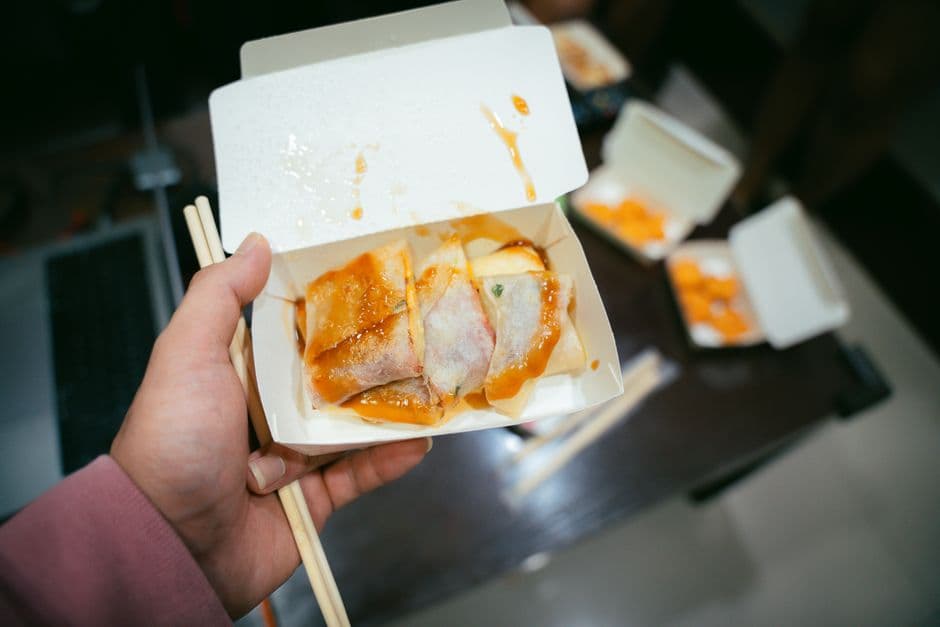
Cong You Bing
Taiwan's irresistible street-food scallion pancakes — flaky, chewy, layered flatbreads studded with fragrant spring onions, pan-fried until crisp and golden.
About This Recipe
Cong You Bing (葱油饼, 'spring onion oil flatbread') — known internationally as scallion pancakes — are one of Taiwan's most beloved street foods and a staple of breakfast stalls, night markets and home kitchens alike. What makes them extraordinary is their unique laminated texture: a simple unleavened dough is rolled out, brushed with sesame oil and scattered with spring onions, rolled into a log, coiled into a spiral, then re-rolled flat. This process creates multiple layers within the dough, so when the pancake is cooked in a hot pan, it develops a shatteringly crispy exterior and a flaky, chewy, multi-layered interior simultaneously. In Taiwan, scallion pancakes are often served wrapped around a fried egg (蛋餅, dan bing), or eaten with a thin soy-sesame dipping sauce, or used as a wrap for other fillings at night markets.
Ingredients
Serves 4
- 300 gplain flour(plus extra for dusting)
- 180 mlboiling water(plus a little cold water)
- 0.5 teaspoonsalt
- 3 tablespoonssesame oil
- 2 tablespoonsvegetable oil(plus more for frying)
- 6spring onions (scallions)(very finely sliced)
- 1 teaspoonfive-spice powder(optional)
- 1 teaspoonsalt(for filling)
- 3 tablespoonssoy sauce(for dipping sauce)
- 1 tablespoonrice vinegar(for dipping sauce)
- 1 teaspoonsesame oil(for dipping sauce)
Instructions
- 1
Make the dough
Place the flour and salt in a bowl. Pour in the boiling water and stir quickly with chopsticks or a fork until a shaggy dough forms. Add a tablespoon of cold water if it seems dry. When cool enough to handle, knead for 5–6 minutes until smooth. Cover with a damp cloth and rest for 30 minutes.
Using boiling water partially gelatinises the starch, giving the dough a supple, slightly chewy texture that is essential to the finished pancake. Do not substitute cold water.
- 2
Divide and roll
Divide the rested dough into 4 equal portions. On a lightly floured surface, roll each portion into a thin rectangle, about 25cm x 15cm.
- 3
Apply filling and create layers
Mix the sesame oil and vegetable oil. Brush the surface of each dough rectangle generously with the oil mixture. Scatter with a generous pinch of salt, a pinch of five-spice (if using) and a quarter of the spring onions. Roll the rectangle tightly lengthwise into a log. Coil the log into a spiral (like a snail) and tuck the end underneath. Press gently to flatten, then re-roll on a floured surface to a circle about 5mm thick.
- 4
Pan-fry
Heat 1–2 tablespoons of vegetable oil in a frying pan over medium heat. Cook the pancakes one at a time for 3–4 minutes per side until golden brown and crispy, pressing gently with a spatula. The pancake should be deeply golden with crispy, slightly charred patches.
- 5
Fluff and serve
While still hot, use two spatulas to smash the pancake together from both sides — this action separates the layers and makes them fluffy and dramatic. Mix together the dipping sauce ingredients. Cut into wedges and serve immediately with the dipping sauce.
Did you make this?
Rate it and help other cooks find the recipes that actually work.
One tap to sign in, and we'll save the rating you just picked.
Everything you need to plan your week — free
- Meal calendar
- Grocery list
- AI recipe ideas
Cook this hands-free
Get AI meal plans, step-by-step cooking mode, and your saved recipes in the free Bento app.
Pro Tips
- →
Boiling water is the key to the distinctive soft-yet-chewy texture — never use cold water for this dough.
- →
The coiling and re-rolling step creates the laminated layers — take your time and do it properly.
- →
Smashing the hot pancake apart with two spatulas immediately after cooking creates the fluffy, flaky layered effect.
- →
Taste and adjust salt at the very end — flavors concentrate as liquids reduce, and a final pinch of flaky salt sharpens the whole dish.
Variations
- •
Dan Bing wraps a fried egg inside the pancake — Taiwan's most popular breakfast.
- •
Use lard instead of vegetable oil in the filling for a richer, more traditional flavour.
- •
Vegetarian: swap the protein for roasted king oyster mushrooms, smoked tofu or cooked chickpeas — adjust seasoning slightly upward to compensate.
- •
Spicier: add a finely chopped fresh chile or a teaspoon of crushed Aleppo/Urfa pepper to the aromatics for warm, layered heat instead of a single sharp hit.
Storage
Raw pancakes can be frozen in layers separated by baking paper. Cook from frozen — no need to defrost. Cooked pancakes are best eaten immediately.
History & Origin
Scallion pancakes (cong you bing) are one of the oldest street foods in Chinese culinary history and have been made across China for centuries. In Taiwan, they became a signature street food and breakfast staple, and the dan bing version (with egg) is one of the most iconic Taiwanese breakfast foods, sold from stalls throughout the island.
Frequently Asked Questions
Why did my pancake turn hard instead of flaky?
The dough was likely overworked after re-rolling, or the oil layer was insufficient. Use a generous amount of oil mixture and handle the re-rolled discs gently. Also ensure the resting time of 30 minutes is not skipped.
Can I make this ahead of time?
Yes — most of the components can be prepared up to a day in advance and refrigerated separately. Reheat gently and assemble just before serving so textures stay distinct.
What can I substitute if I don't have all the ingredients?
Stay close to the role each ingredient plays: swap aromatics for similar ones (shallot for onion, lime for lemon), and keep the fat-acid-salt balance intact. Spice blends can usually be approximated with what's in the cupboard.
How do I know it's authentic?
Authenticity sits on a spectrum — what matters more is honoring the technique and balance of flavors. If the dish tastes harmonious and respects how cooks in its home region would build it, you're on solid ground.
Nutrition Facts
Per serving (180g / 6.3 oz) · 4 servings total
Time Summary
Have Questions?
Ask our AI cooking assistant anything about this recipe — substitutions, techniques, scaling.
Chat with AI Chef →Featured in Guides
This recipe is featured in the following curated guides:
More Taiwanese Recipes
You Might Also Like
Similar dishes from other cuisines around the world.
Browse by Ingredient
More recipes built around the same core ingredients.
Free Kitchen Tools
Calculators and converters that pair with this page — no signup needed.
Put This Into a Plan
Schedule it, shop for it, and track what you already have.
Read Next
Longer reads that go deeper on the ideas behind this dish.
Community
Join the conversation
Sign in to leave a comment and save your favourite recipes