
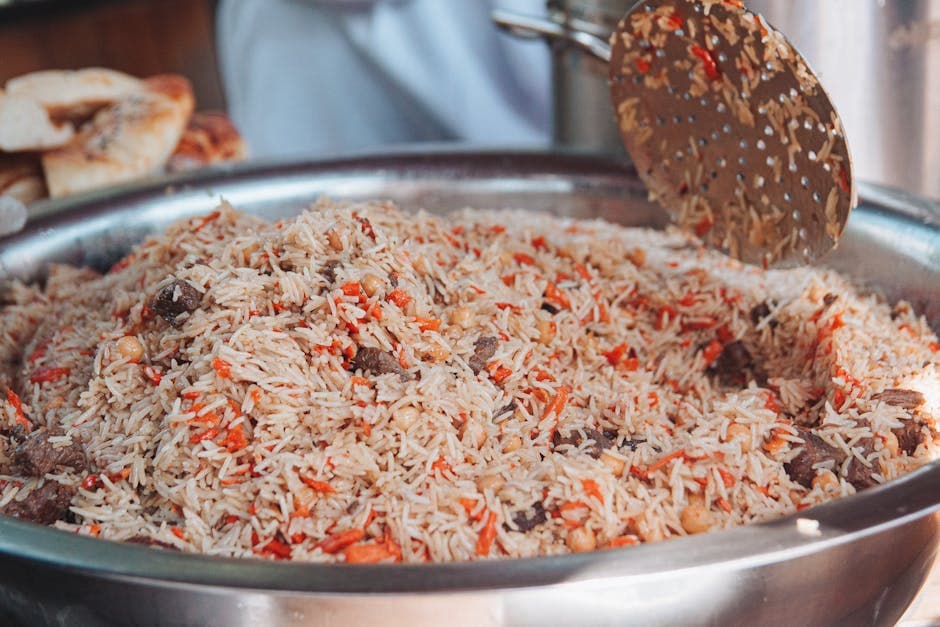
Norin
Özbeklerin at eti ve et suyuyla elde kestiği eriştesi, düğünlerde ve Nevruz'da servis edilen bir kutlama yemeğidir.
Bu Tarif Hakkında
Norin, Özbekistan'ın en eski ve törensel açıdan en önemli yemeklerinden biridir; kıyılmış at eti (veya dana eti) ile üst üste dizilmiş ince elle haddelenmiş erişteler ve masaya dökülen zengin, berrak et suyu. Yemek en önemli günler için hazırlanır: düğünler, cenazeler ve Navruz'un bahar Yeni Yıl kutlaması. Erişteler Özbek aşçılar tarafından kağıt inceliğinde yuvarlanır, istiflenir ve olağanüstü bir ustalıkla ince şeritler halinde kesilir. İpeksi erişte ve yumuşak kızarmış etin berrak et suyunda birleşimi aldatıcı derecede basit ve son derece tatmin edicidir.
Malzemeler
Porsiyonlar 6
- 400 gsade un
- 200 mlılık su
- 2yumurtalar
- 1 çay kaşığıtuz
- 800 gsığır eti veya at eti(kemikli veya dana incik kullanın)
- 2 büyüksoğan(biri et suyu için ikiye bölünmüş, biri garnitür için ince dilimlenmiş)
- 2 ortahavuç
- 1 çay kaşığıkarabiber
- 2defne yaprağı
- 1 çay kaşığıtuz(et suyu için)
- 2 yemek kaşığıbitkisel yağ
- 2 yemek kaşığıtaze maydanoz veya dereotu(servis etmek için doğranmış)
Yapılışı
- 1
Et suyu yap
Eti, ikiye bölünmüş soğanı, havuçları, karabiberleri ve defne yapraklarını geniş bir tencereye koyun. Soğuk suyla örtün. Kaynatın, köpüğü alın. Et iyice yumuşayana kadar 1,5-2 saat kapağı kapalı olarak pişirin. Et suyunu süzün ve rezerve edin. Eti elinizle ince ince kıyın.
- 2
Erişte hamuru yapın
Yumurtaları su ve tuzla çırpın. Unla karıştırın. 10 dakika kadar pürüzsüz, sert bir hamur yoğurun. Kapalı olarak 30 dakika dinlendirin.
- 3
Makarna eriştesi
Hamuru 4 parçaya bölün. Her parçayı hafifçe unlanmış bir yüzeyde kağıt inceliğinde yuvarlayın. Rulo tabakaları istifleyin, aralarına un serpin. Yığını yuvarlayın ve 2-3 mm genişliğinde çok ince şeritler halinde kesin. Gevşek sallayın.
- 4
Soğan kızartın
Kalan soğanı ince ince dilimleyin. Derin altın rengi kahverengi olana kadar yağda kızartın. Bir kenara koyun.
- 5
Erişte pişirin
Erişteleri kaynar tuzlu suda yumuşayana kadar 3-4 dakika pişirin. Boşaltmak.
- 6
Birleştir
Erişteleri kaselere paylaştırın. Üzerine kıyılmış et ve kızarmış soğan halkalarını ekleyin. Üzerine sıcak et suyunu dökün. Maydanozla süsleyin.
Bunu pişirdin mi?
Puanla ve diğer kullanıcıların gerçekten işe yarayan tarifleri bulmasına yardım et.
Tek dokunuşla giriş yap, az önce seçtiğin puanı biz kaydedelim.
Haftanı planlamak için gereken her şey — ücretsiz
- Yemek takvimi
- Market listesi
- Yapay zeka tarif önerileri
Ne yediğini takip et
Öğününün fotoğrafını çekerek kalori ve makroları kaydet, aralıklı oruç zamanlayıcısı kullan ve su takibi yap — ücretsiz SnapCal uygulamasında.
Profesyonel İpuçları
- →
Erişte hamurunun sert olması gerekir; daha yumuşak bir hamur, ince bir şekilde kesilemeyen yumuşak erişteler verir.
- →
Hamuru dinlendirmek isteğe bağlı değildir; bu, yuvarlanmayı mümkün kılan glüteni geliştirir.
- →
Hamurun mümkün olduğu kadar ince (neredeyse içini görecek şekilde) yuvarlanması, karakteristik ipeksi norin dokusunu verir.
- →
En sonunda tuzu tadın ve ayarlayın; sıvılar azaldıkça tatlar yoğunlaşır ve son bir tutam pul pul tuz tüm yemeği keskinleştirir.
Varyasyonlar
- •
At eti yoksa dana incik kullanın; tadı ve tekniği neredeyse aynıdır.
- •
Altın rengi için et suyuna bir tutam zerdeçal ekleyin.
- •
Vejetaryen: proteini kavrulmuş kral istiridye mantarı, füme tofu veya pişmiş nohutla değiştirin; telafi etmek için baharatı biraz yukarı doğru ayarlayın.
- •
Baharat: Tek bir keskin vuruş yerine sıcak, katmanlı ısı için aromatiklere ince kıyılmış taze şili veya bir çay kaşığı ezilmiş Halep/Urfa biberi ekleyin.
Depolama
Et suyu ve et 4 gün buzdolabında saklanır. Erişteler en iyi şekilde taze yapılır; kurutulup oda sıcaklığında 2 gün saklanabilir.
Tarih ve Köken
Norin'in İpek Yolu'ndan öncesine ait olduğu ve polonun (pilav) ortaya çıkmasından çok önce hazırlanan Orta Asya'nın en eski erişte yemeklerinden biri olduğuna inanılıyor. Orta Asya'da kutlanan İran Yeni Yılı Navruz ile olan ilişkisi, onu binlerce yıllık İslam öncesi tarım takvimi geleneklerine bağlıyor.
Sıkça Sorulan Sorular
At eti otantik norin için gerekli midir?
Özbekistan'da evet; at eti (kazy) geleneksel tercihtir ve yemeğe kendine özgü zengin lezzetini verir. Orta Asya dışında sığır incik standart ikame maddesidir ve mükemmel sonuçlar verir.
Bunu önceden yapabilir miyim?
Evet — bileşenlerin çoğu bir gün önceden hazırlanıp ayrı olarak soğutulabilir. Dokuların farklı kalması için servis yapmadan hemen önce yavaşça tekrar ısıtın ve birleştirin.
Tüm malzemelere sahip değilsem yerine ne koyabilirim?
Her bir bileşenin oynadığı role yakın kalın: aromatikleri benzerleriyle değiştirin (soğan için arpacık soğanı, limon için limon) ve yağ-asit-tuz dengesini sağlam tutun. Baharat karışımları genellikle dolapta bulunanlarla karşılaştırılabilir.
Orijinal olduğunu nasıl bilebilirim?
Özgünlük bir yelpazede yer alır; daha önemli olan tekniğe ve tatların dengesine saygı göstermektir. Yemeğin tadı uyumluysa ve kendi bölgesindeki aşçıların onu nasıl yapacağına saygı duyuyorsa, sağlam bir zemindesiniz demektir.
Besin Değerleri
Porsiyon başına · 6 toplam porsiyon
Zaman Özeti
Sorularınız mı var?
Yapay zekalı pişirme asistanımıza bu tarifle ilgili her şeyi sorun (değiştirmeler, teknikler, ölçeklendirme).
AI Chef ile sohbet et →Kılavuzlarda Öne Çıkanlar
Bu tarif aşağıdaki seçilmiş kılavuzlarda yer almaktadır:
Daha Fazla Özbek Tarifi
Bunları da Beğenebilirsiniz
Dünyanın diğer mutfaklarından benzer yemekler.
Malzemeye Göre Keşfet
Aynı temel malzemelerle hazırlanan diğer tarifler.
Ücretsiz Mutfak Araçları
Bu sayfayla birlikte kullanabileceğiniz hesaplayıcılar ve çeviriciler — kayıt gerekmez.
Bunu Bir Plana Dönüştür
Takvime ekle, alışveriş listesi çıkar, elindekileri takip et.
Sıradaki Okuma
Bu yemeğin arkasındaki fikirleri derinleştiren uzun yazılar.
Topluluk
Sohbete katılın
Yorum bırakmak ve favori tariflerinizi kaydetmek için oturum açın