
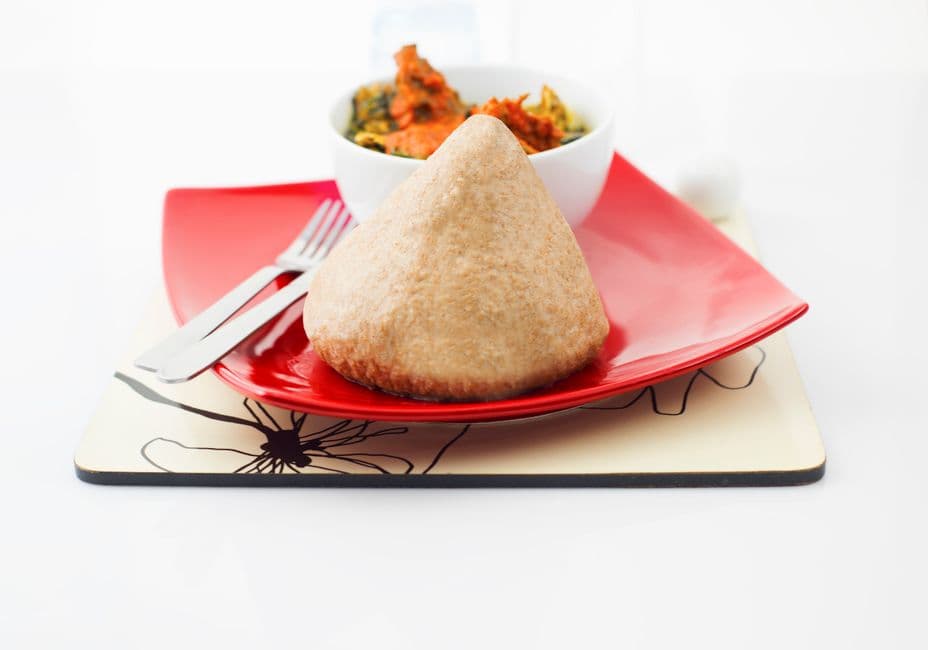
Fufu na Madesu
Smooth, starchy fufu paired with a hearty Congolese bean stew in palm oil and spices—a filling, everyday staple.
About This Recipe
Fufu na Madesu is daily sustenance for millions of Congolese people, combining the pillowy, elastic fufu with madesu—a robust kidney bean stew cooked in palm oil with onions and tomatoes. Fufu is made by boiling and pounding starchy vegetables (cassava, plantain, or yam) until completely smooth, and in Congo it is typically formed into a ball used to scoop up stew. Madesu provides the essential protein counterpart, and the dish is a model of affordable, nutritious cooking born from the resourcefulness of Congolese home cooks. It is eaten at lunch and dinner across all social strata.
Ingredients
Serves 4
- 400 gdried kidney beans, soaked overnight
- 3 tbspred palm oil
- 1 largeonion, diced
- 2 mediumtomatoes, diced
- 3 clovesgarlic, minced
- 1 wholechili pepper, chopped
- 1 tspsalt
- 1 cubevegetable stock cube
- 500 gcassava flour (for fufu)
- 3 cupsboiling water (for fufu)
Instructions
- 1
Cook the beans
Drain soaked beans and place in a pot with fresh water. Boil for 45–60 minutes until very tender. Drain, reserving the cooking liquid.
- 2
Make the stew
Heat palm oil in a pan, sauté onion 6 minutes. Add garlic, chili, and tomatoes and cook 5 minutes until tomatoes break down. Add cooked beans, stock cube, and enough cooking liquid to make a thick stew. Simmer 15 minutes. Season with salt.
- 3
Make fufu
Bring 3 cups water to a rolling boil in a pot. Gradually pour in cassava flour while stirring rapidly with a wooden spoon to prevent lumps. Reduce heat to low and continue stirring vigorously for 8–10 minutes until smooth, elastic, and pulling away from the pot sides.
- 4
Serve
Wet your hands and shape fufu into smooth balls or mounds. Serve alongside the madesu stew for dipping and scooping.
Did you make this?
Rate it and help other cooks find the recipes that actually work.
One tap to sign in, and we'll save the rating you just picked.
Everything you need to plan your week — free
- Meal calendar
- Grocery list
- AI recipe ideas
Track what you eat
Snap your meal to log calories and macros, run fasting timers and track water in the free SnapCal app.
Pro Tips
- →
Stir the fufu energetically and continuously—lazy stirring leads to lumps.
- →
Properly cooked fufu should be smooth, elastic, and slightly shiny.
- →
Add a pinch of baking soda to the bean cooking water to speed up softening.
- →
Taste and adjust salt at the very end — flavors concentrate as liquids reduce, and a final pinch of flaky salt sharpens the whole dish.
Variations
- •
Use black-eyed peas instead of kidney beans.
- •
Make fufu from plantain powder for a slightly sweeter flavor.
- •
Add smoked fish to the bean stew for extra protein and flavor.
- •
Vegetarian: swap the protein for roasted king oyster mushrooms, smoked tofu or cooked chickpeas — adjust seasoning slightly upward to compensate.
Storage
Bean stew keeps well for 4 days refrigerated. Fufu is best fresh; it hardens on standing.
History & Origin
Fufu has been central to Central and West African cooking for centuries, each country and region using whatever starchy ingredient grows locally. In Congo, cassava is king, and cassava fufu became dominant after the plant's introduction from South America.
Frequently Asked Questions
Can I use canned kidney beans?
Yes—use two 400g cans, drained and rinsed, and reduce bean cooking time. Add directly to the stew.
Can I make this ahead of time?
Yes — most of the components can be prepared up to a day in advance and refrigerated separately. Reheat gently and assemble just before serving so textures stay distinct.
What can I substitute if I don't have all the ingredients?
Stay close to the role each ingredient plays: swap aromatics for similar ones (shallot for onion, lime for lemon), and keep the fat-acid-salt balance intact. Spice blends can usually be approximated with what's in the cupboard.
How do I know it's authentic?
Authenticity sits on a spectrum — what matters more is honoring the technique and balance of flavors. If the dish tastes harmonious and respects how cooks in its home region would build it, you're on solid ground.
Nutrition Facts
Per serving (500g / 17.6 oz) · 4 servings total
Time Summary
Have Questions?
Ask our AI cooking assistant anything about this recipe — substitutions, techniques, scaling.
Chat with AI Chef →Featured in Guides
This recipe is featured in the following curated guides:
More Congolese Recipes
You Might Also Like
Similar dishes from other cuisines around the world.
Free Kitchen Tools
Calculators and converters that pair with this page — no signup needed.
Put This Into a Plan
Schedule it, shop for it, and track what you already have.
Read Next
Longer reads that go deeper on the ideas behind this dish.
Community
Join the conversation
Sign in to leave a comment and save your favourite recipes