
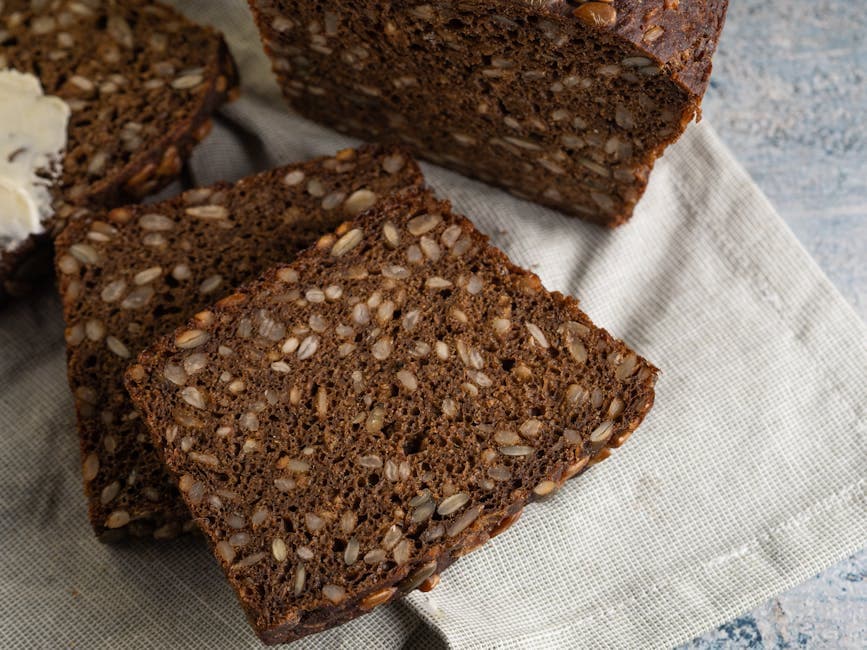
Smørrebrød
Sándwiches daneses abiertos sobre pan de centeno oscuro con aderezos elaborados: la forma de arte en el corazón de la cultura gastronómica danesa.
Acerca de esta receta
Smørrebrød (pan de mantequilla) no es simplemente un sándwich: es la forma de arte culinaria más importante de Dinamarca. Una rebanada gruesa de pan de centeno rugbrød, denso y oscuro, se unta generosamente con mantequilla y luego se cubre con ingredientes ordenados con precisión según un estricto código estético: arenque en un tipo de pan, palanca en otro, camarones siempre con limón y eneldo. Comido con cuchillo y tenedor (nunca con la mano), el smørrebrød es el almuerzo danés definitivo y objeto de siglos de tradición, innovación y feroz debate estético.
Ingredientes
Sirve 4
- 8 thick slicesRugbrød danés (pan de centeno oscuro)
- 80 gsalted butter(softened)
- 200 gpickled herring(escurrido, con aros de cebolla)
- 200 gcold roast beef(thinly sliced)
- 100 gLeverpostej (paté de hígado danés)(o paté de hígado de buena calidad)
- 200 gcamarones cocidos del Mar del Norte (rejer)
- 4 cdaremoulade danesa
- 2huevos duros(sliced)
- 1 manojoeneldo fresco
- 1limón(cut into wedges)
- 100 gcebollas fritas crujientes (ristet løg)
- 4pepinillos o rodajas de pepino encurtido
Instrucciones
- 1
Unta el pan con mantequilla
Unte generosamente con mantequilla cada rebanada de pan de centeno hasta los bordes; la capa de mantequilla es una barrera contra la humedad, no un condimento.
- 2
Arenque smørrebrød
Cubra dos rodajas con trozos de arenque en escabeche, unos aros de cebolla, una ramita de eneldo y una rodaja de huevo duro. Servir con una rodajita de limón.
- 3
Rosbif smørrebrød
Abanique el rosbif en rodajas sobre dos rebanadas. Cubra con remoulade, cebollas fritas crujientes y un pepinillo.
- 4
Smørrebrød de paté de hígado
Distribuya generosamente el paté de hígado en dos rebanadas. Cubra con champiñones salteados, una tira de tocino crujiente y un pepinillo.
- 5
Smørrebrød de camarones
Apila los camarones en dos rebanadas. Cubra con mayonesa, una rodaja de limón prensada y una ramita grande de eneldo.
¿Has preparado esta receta?
Valórala y ayuda a otros a encontrar las recetas que de verdad funcionan.
Inicia sesión con un toque y guardaremos la valoración que acabas de elegir.
Todo lo que necesitas para planificar tu semana — gratis
- Calendario de comidas
- Lista de compras
- Ideas de recetas con IA
Cocina con las manos libres
Consigue planes de comida con IA, modo de cocina paso a paso y tus recetas guardadas en la app gratuita Bento.
Consejos profesionales
- →
Sirva el smørrebrød en un plato frío; a temperatura ambiente o tibio no es correcto.
- →
El orden de alimentación es tradicional: primero el arenque, luego la carne y por último los camarones.
- →
Cada cobertura debe cubrir el pan por completo, sin esquinas descubiertas.
- →
Prueba y ajusta la sal al final — los sabores se concentran cuando los líquidos se reducen.
Variaciones
- •
Stjerneskud ("estrella fugaz") es un smørrebrød de lujo con camarones fritos y fríos, salmón ahumado y caviar.
- •
El smørrebrød navideño presenta ribbensteg (panceta de cerdo asada) con col lombarda y pepino encurtido.
- •
Vegetariano: cambia la proteína por champiñones de ostra rey asados, tofu ahumado o garbanzos cocidos.
- •
Más picante: agrega un chile fresco finamente picado o una cucharadita de pimienta de Alepo/Urfa molida.
Almacenamiento
Ensamble justo antes de servir; el smørrebrød no se puede almacenar una vez ensamblado.
Historia y origen
Smørrebrød se remonta a los trabajadores agrícolas daneses del siglo XIX que llevaban rugbrød y aderezos fríos para el almuerzo. Fue elevado a la categoría de arte a principios del siglo XX por los restaurantes de Copenhague, el más famoso Ida Davidsen, donde el menú incluye cientos de variedades. La UNESCO inscribió la cultura gastronómica danesa, incluido el smørrebrød, en la lista del Patrimonio Inmaterial.
Preguntas frecuentes
¿Puedo usar pan de sándwich normal en lugar de rugbrød?
Puedes hacerlo, pero no es smørrebrød: el rugbrød denso y ligeramente ácido es esencial desde el punto de vista estructural y de sabor. El centeno de masa madre es el sustituto más cercano y disponible fuera de Escandinavia.
¿Puedo preparar esto con anticipación?
Sí — la mayoría de los componentes se pueden preparar hasta un día de anticipación. Recalienta suavemente y monta justo antes de servir.
¿Qué puedo sustituir si no tengo todos los ingredientes?
Mantente cerca del rol de cada ingrediente: cambia los aromáticos por similares, y mantén intacto el equilibrio.
¿Cómo sé que es auténtico?
La autenticidad está en un espectro — lo que importa más es honrar la técnica y el equilibrio de sabores.
Datos nutricionales
Por porción · 4 porciones totales
Resumen de tiempo
¿Tiene preguntas?
Pregúntele a nuestro asistente de cocina con IA cualquier cosa sobre esta receta: sustituciones, técnicas, escalado.
Chatea con AI Chef →Destacado en Guías
Esta receta aparece en las siguientes guías seleccionadas:
Más recetas de cocina danesa
También Te Puede Gustar
Platos similares de otras cocinas del mundo.
Explorar por Ingrediente
Más recetas construidas alrededor de los mismos ingredientes principales.
Herramientas de Cocina Gratuitas
Calculadoras y conversores que acompañan a esta página — sin registro.
Conviértelo en un Plan
Prográmalo, haz la compra y controla lo que ya tienes.
Sigue Leyendo
Lecturas más largas que profundizan en las ideas detrás de este plato.
Comunidad
Únete a la conversación
Inicia sesión para dejar un comentario y guardar tus recetas favoritas