Ethiopian Doro Wat — Spiced Chicken Stew
Ethiopia's national dish — slow-cooked chicken in a rich, deeply red berbere spiced onion sauce with hard-boiled eggs, served on injera sourdough flatbread.
Injera, doro wat, misir: antiguos guisos especiados del Cuerno de África.
La cocina etíope se desarrolló en un notable aislamiento en el Cuerno de África, nunca colonizado por mucho tiempo, y se centra en dos productos nativos domesticados: el teff, el diminuto grano rico en hierro fermentado durante días para obtener injera (el pan plano, esponjoso y amargo que sirve como plato, utensilio y almidón) y el café, que se originó en los bosques de Kaffa. Las comidas son comunitarias: los guisos (wot) se sirven con un cucharón en una ronda compartida de injera, y los comensales cortan pedazos para sacarlos, a veces alimentándose unos a otros en el gesto afectuoso llamado gursha.
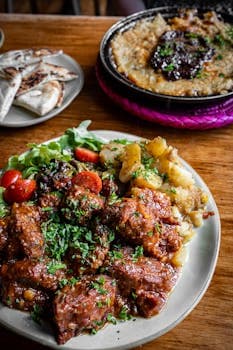
El sabor se basa en berbere, una mezcla compleja de chiles secos, fenogreco, korarima (cardamomo etíope) y una docena de otras especias, y en niter kibbeh, mantequilla clarificada con ajo, jengibre y albahaca sagrada besobela. El doro wot (muslos de pollo y huevos duros estofados en cebollas cocidas a fuego lento y berbere) es el plato nacional de celebración. Los aproximadamente 200 días de ayuno anuales de la Iglesia Ortodoxa Etíope, que prohíben los productos animales, produjeron un profundo repertorio vegano: misir wot (lentejas rojas), shiro (guiso de harina de garbanzos), verduras gomen y el plato combinado beyaynetu.
La cocina casera comienza con cebollas: picadas finas y cocidas en seco en cantidad, a menudo sin aceite al principio, hasta que se reduzcan profundamente: la base de todo wot. La elaboración de injera es un arte especializado que consiste en fermentar masa de teff durante varios días y cocinarla en una plancha de arcilla hasta que la superficie forme sus característicos "ojos". La ceremonia del café (granos verdes tostados, molidos y preparados en una olla jebena, servidos en tres rondas) sigue siendo un acto diario de hospitalidad.
Injera y Teff
La masa de teff fermentado cocinada en un pan plano esponjoso y agrio sirve simultáneamente como plato, utensilio y base de la comida.
bereber
La mezcla característica de chiles, fenogreco, korarima y una docena de especias da color y sabor a la mayoría de los guisos rojos (key wot).
Niter Kibbeh
La mantequilla clarificada especiada con ajo, jengibre y hierbas enriquece el doro wot, el kitfo y la mayoría de los platos sin ayuno.
Familia de estofado Wot
Los guisos cocinados a fuego lento elaborados con cebollas muy reducidas (doro wot, misir wot, siga wot) son el ancla de cada comida.
Ayuno y tradición vegana
Alrededor de 200 días de ayuno ortodoxos al año crearon el plato beyaynetu de shiro, lentejas y verduras, una cocina vegana completa.
La Ceremonia Del Café
Los granos tostados, molidos y preparados en una olla jebena, servidos en tres rondas, forman un ritual diario de hospitalidad en el lugar de nacimiento del café.
Cocina con las manos libres
Consigue planes de comida con IA, modo de cocina paso a paso y tus recetas guardadas en la app gratuita Bento.
Planifica tus comidas, controla tu ayuno y crea tu lista de compras — gratis
El panel de MyCookingCalendar funciona directamente en tu navegador, sin descargas.

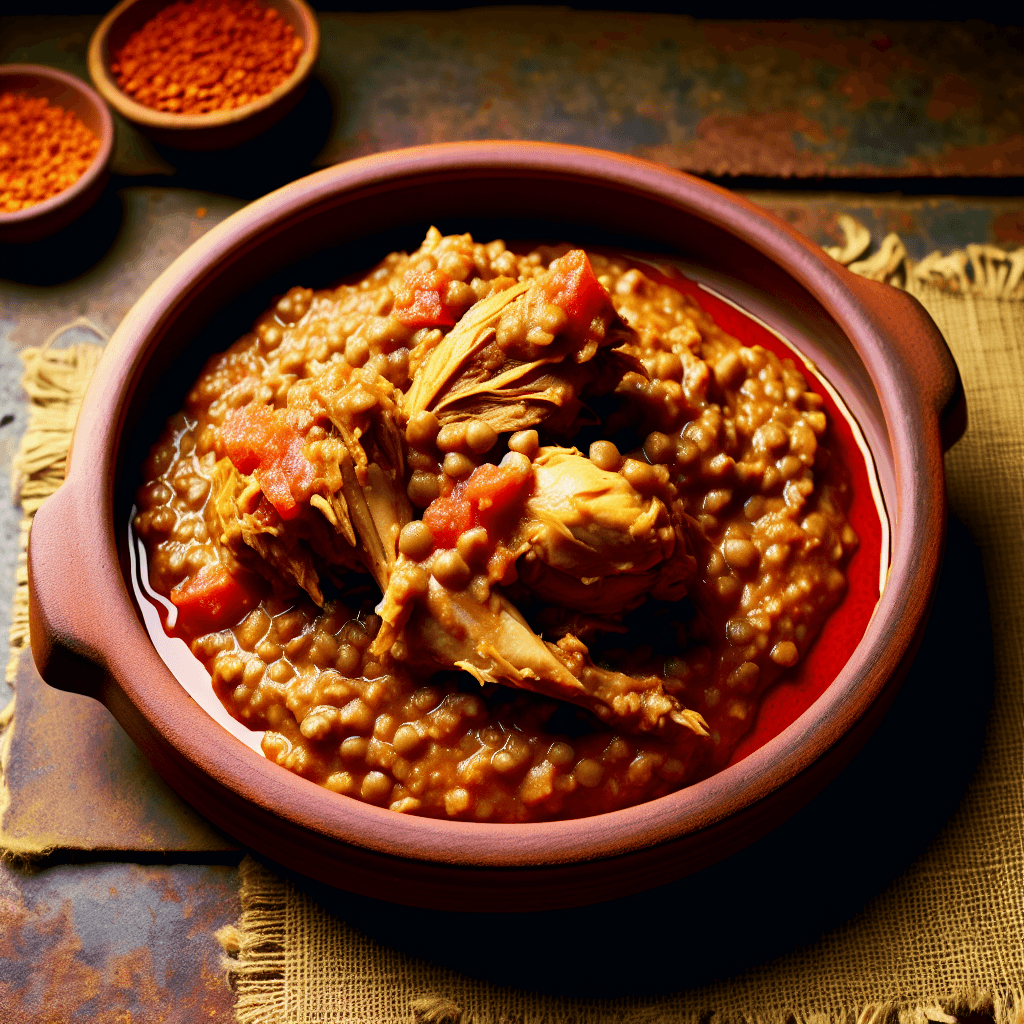
Ethiopia's national dish — slow-cooked chicken in a rich, deeply red berbere spiced onion sauce with hard-boiled eggs, served on injera sourdough flatbread.

Slow-cooked chicken in rich berbere spice sauce, served on spongy sourdough injera flatbread — Ethiopia's national dish.

A flavorful Ethiopian lentil stew infused with spices.

A savory Ethiopian stir-fry with tender beef and spices.

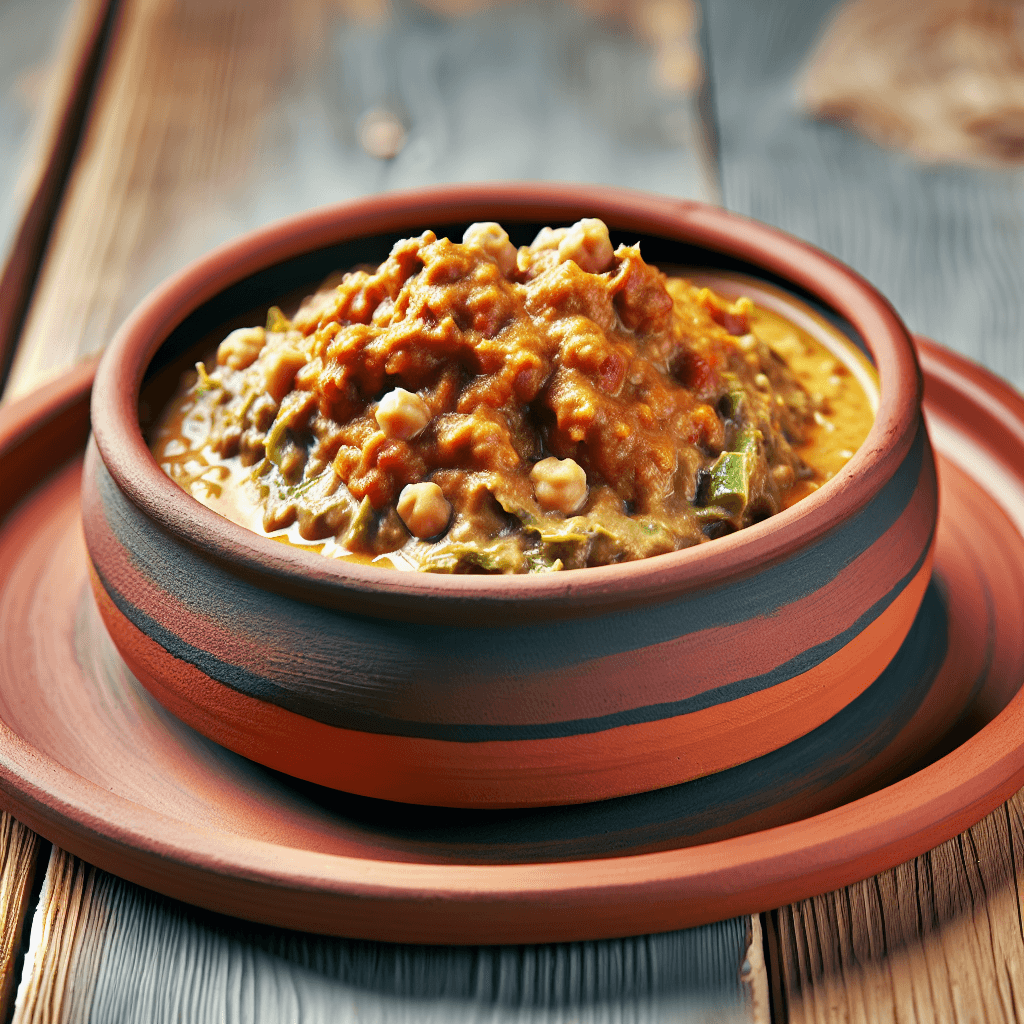
A creamy Ethiopian chickpea stew with earthy flavors.

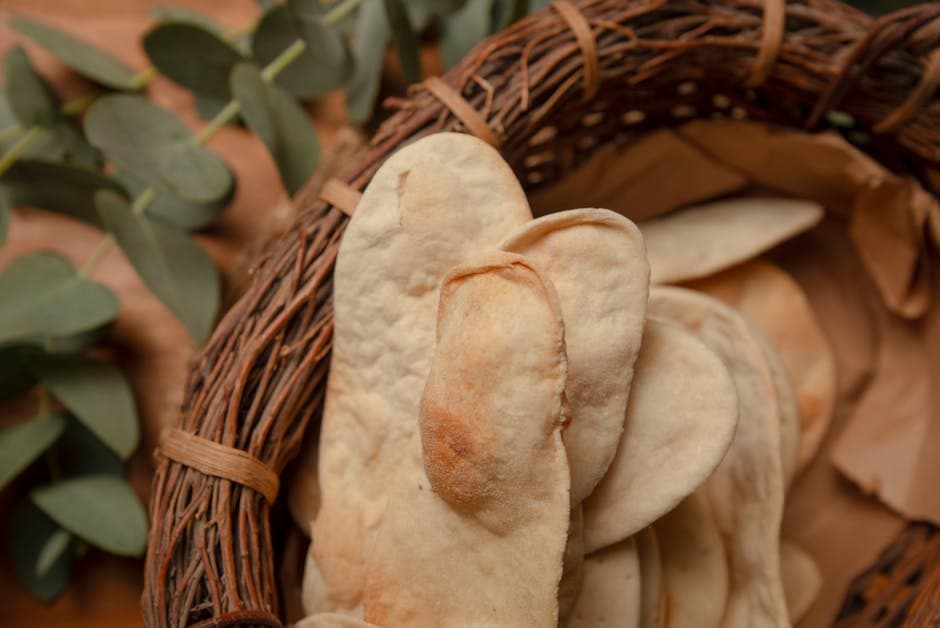
Ethiopia's tangy, spongy sourdough flatbread — the edible plate for all Ethiopian dishes.

Spicy Ethiopian red lentil stew simmered in berbere spice — a cornerstone of Ethiopian cuisine.

Ethiopian steak tartare seasoned with mitmita spice and niter kibbeh (spiced butter) — a celebratory delicacy.

A smooth, creamy Ethiopian chickpea flour stew spiced with berbere — hearty, vegan, and deeply satisfying.

Ethiopian collard greens stewed with garlic and spiced butter.

Ethiopia's iconic spiced chicken stew with hard-boiled eggs, served on spongy injera flatbread for a communal feast.

Velvety Ethiopian spiced red lentils slow-cooked with berbere, niter kibbeh and aromatics — a cornerstone of the Ethiopian feast platter.

Sizzling Ethiopian sautéed lamb with caramelised onions, tomatoes and green chillies — a fast, fiery and deeply aromatic dish served on injera.

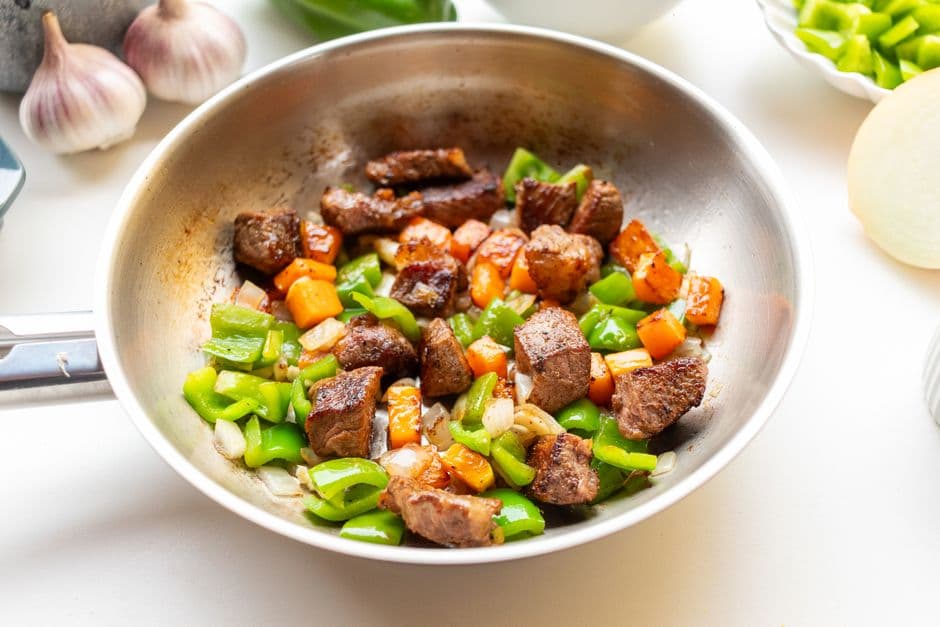
Tender beef cubes quickly sautéed with onion, jalapeño, rosemary and niter kibbeh spiced butter — Ethiopia's most popular restaurant dish, served on injera.

Large, spongy fermented teff flatbread with characteristic bubbles and a pleasantly sour flavour — Ethiopia's edible plate and daily bread.

Tender collard greens slowly cooked with onion, garlic, ginger and niter kibbeh until deeply flavoured and silky — an essential component of the Ethiopian spread.

Ethiopian sautéed meat with onions, peppers, and mitmita — quick-cooked and intensely flavoured, served on injera.

Ethiopian braised collard greens with garlic, ginger and niter kibbeh — the essential vegetable dish of any injera spread.

Ethiopian ground chickpea and spiced flour dip — velvety and addictive.

Ethiopian raw minced beef with spiced butter and cheese — a luxurious delicacy.

Ethiopian sautéed chicken with spiced butter, vegetables, and lime — a quick, bright dinner.

Ethiopian roasted lentil snack with spiced butter and garlic — crunchy, addictive finger food.

Ethiopian vegan red lentil stew with chili and spiced oil — comfort during fasting periods.

Ethiopian spiced clarified butter — the soul of Ethiopian cooking.

Ethiopian spongy fermented flatbread — the foundation of all Ethiopian meals.

Ethiopian mild split pea stew with turmeric and butter — comfort in a bowl.

Ethiopian sautéed beets with onions and spiced butter — sweet, earthy, vibrant.

Ethiopian fermented grain porridge with honey and butter — ancient breakfast of champions.

Ethiopian pan-seared lamb with vegetables and spiced butter — a quick, tender celebration.

Ethiopian fresh cheese curds with herbs and oil — simple, fresh, sharp.

Ethiopian hot chili powder blend — the fire condiment of Ethiopian cuisine.

Ethiopian chickpea paste with spiced butter and herbs — hearty, savory, luxurious.

Ethiopian vegan lentil and vegetable stew with spices — the fasting classic.

Ethiopian chicken and red lentil stew — rich, spiced, deeply warming.

Ethiopian mixed legume paste — extra protein, extra flavor.

Ethiopian sautéed red lentils with spices and vegetables — quick and deeply flavored.

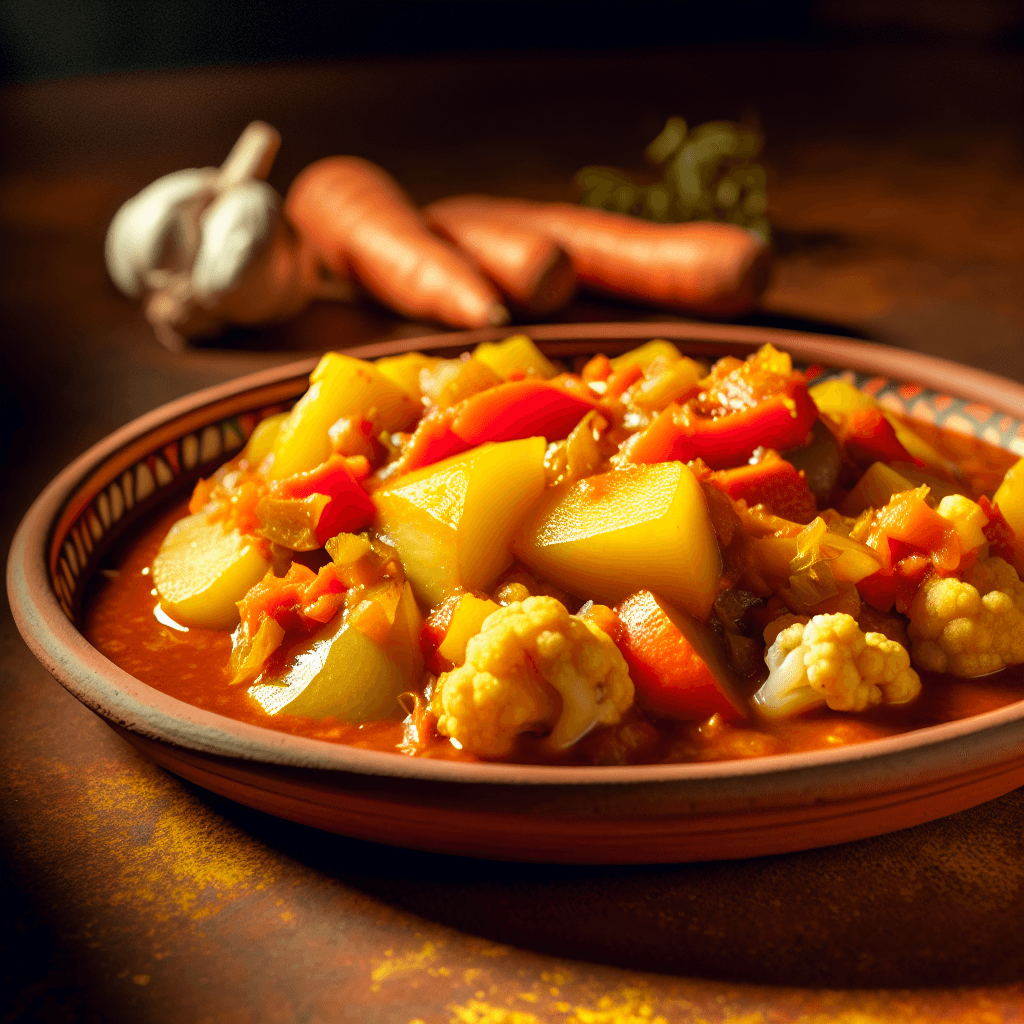
Ethiopian spiced vegetable and potato stew — hearty, warming, vegan-friendly.

Ethiopian teff sourdough flatbread — spongy, tangy, edible-plate companion to every stew.

Ethiopian sautéed chicken — chunks of marinated chicken stir-fried with onion, rosemary, niter kibbeh, and berbere over high heat.

Silky Eritrean stew of ground chickpea flour, berbere, and clarified butter — vegan-adaptable comfort food.

Ethiopia's everyday comfort food — chickpea or fava flour whisked into berbere-spiced onion oil to make a deeply flavored, silky vegan stew eaten with injera.

Ethiopia's celebratory minced raw beef warmed in spiced niter kibbeh butter with mitmita chili — served with injera, ayib cheese and gomen greens.

Cubes of beef seared hard with onion, garlic and the fiery red berbere spice blend, finished with niter kibbeh spiced butter — Ethiopia's beloved celebration dish for guests and Sundays.

Addis Berbere Lentil Rice Bowl brings ethiopian flavor into a practical home recipe with chicken thighs, berbere, niter kibbeh, lentils and ginger, and a finish of cilantro.

Harar Ginger Chicken Soup brings ethiopian flavor into a practical home recipe with white fish, berbere, niter kibbeh, lentils and ginger, and a finish of cilantro.

Tigray Chickpea Tomato Skillet Dinner brings ethiopian flavor into a practical home recipe with lamb mince, berbere, niter kibbeh, lentils and ginger, and a finish of cilantro.

Bahir Dar Spiced Fish Salad brings ethiopian flavor into a practical home recipe with roasted carrots, berbere, niter kibbeh, lentils and ginger, and a finish of cilantro.

Gondar Honey Teff Dessert brings ethiopian flavor into a practical home recipe with almonds, berbere, niter kibbeh, lentils and ginger, and a finish of cilantro.

Addis Lemon Herb Grain Bowl turns ethiopian pantry flavors into a complete grain bowl with salmon, berbere, niter kibbeh, lentils and ginger, and a fresh cilantro finish.

Harar Smoky Tomato Soup turns ethiopian pantry flavors into a complete soup with white fish, berbere, niter kibbeh, lentils and ginger, and a fresh cilantro finish.

Tigray Sesame Lime Stew turns ethiopian pantry flavors into a complete stew with chicken legs, berbere, niter kibbeh, lentils and ginger, and a fresh cilantro finish.

Bahir Dar Charred Pepper Noodles turns ethiopian pantry flavors into a complete noodle dish with wheat noodles, berbere, niter kibbeh, lentils and ginger, and a fresh cilantro finish.

Gondar Green Herb Salad turns ethiopian pantry flavors into a complete salad with grilled chicken, berbere, niter kibbeh, lentils and ginger, and a fresh cilantro finish.

Oromo Lemon Herb Flatbread turns ethiopian pantry flavors into a complete flatbread with flatbread dough, berbere, niter kibbeh, lentils and ginger, and a fresh cilantro finish.

Dire Dawa Smoky Tomato Traybake turns ethiopian pantry flavors into a complete traybake with sweet potatoes, berbere, niter kibbeh, lentils and ginger, and a fresh cilantro finish.

Awasa Sesame Lime Fritters turns ethiopian pantry flavors into a complete fritters with salted fish, berbere, niter kibbeh, lentils and ginger, and a fresh cilantro finish.

Lalibela Charred Pepper Breakfast Plate turns ethiopian pantry flavors into a complete breakfast plate with yogurt, berbere, niter kibbeh, lentils and ginger, and a fresh cilantro finish.

Afar Green Herb Dessert turns ethiopian pantry flavors into a complete dessert with coconut, berbere, niter kibbeh, lentils and ginger, and a fresh cilantro finish.
Ethiopian Market Lemon Herb Rice Bowl brings ethiopian flavor to a practical rice bowl built with chicken thighs, berbere, niter kibbeh, lentils and ginger, and a fresh cilantro finish.
Ethiopian Village Smoky Tomato Soup brings ethiopian flavor to a practical soup built with mushrooms, berbere, niter kibbeh, lentils and ginger, and a fresh cilantro finish.
Ethiopian Garden Sesame Lime Skillet brings ethiopian flavor to a practical skillet dinner built with cauliflower, berbere, niter kibbeh, lentils and ginger, and a fresh cilantro finish.
Ethiopian Harbor Charred Pepper Noodles brings ethiopian flavor to a practical noodle dish built with rice noodles, berbere, niter kibbeh, lentils and ginger, and a fresh cilantro finish.
Ethiopian Mountain Green Herb Salad brings ethiopian flavor to a practical salad built with grilled chicken, berbere, niter kibbeh, lentils and ginger, and a fresh cilantro finish.
Ethiopian Festival Lemon Herb Flatbread brings ethiopian flavor to a practical flatbread built with flatbread dough, berbere, niter kibbeh, lentils and ginger, and a fresh cilantro finish.
Ethiopian Homestyle Smoky Tomato Traybake brings ethiopian flavor to a practical traybake built with sweet potatoes, berbere, niter kibbeh, lentils and ginger, and a fresh cilantro finish.
Ethiopian Street Sesame Lime Fritters brings ethiopian flavor to a practical fritters built with salted fish, berbere, niter kibbeh, lentils and ginger, and a fresh cilantro finish.
Ethiopian Golden Charred Pepper Breakfast Plate brings ethiopian flavor to a practical breakfast plate built with beans, berbere, niter kibbeh, lentils and ginger, and a fresh cilantro finish.
Ethiopian Weeknight Green Herb Dessert brings ethiopian flavor to a practical dessert built with coconut, berbere, niter kibbeh, lentils and ginger, and a fresh cilantro finish.
Turmeric-spiced rice topped with berbere-spiced red lentils, a quick weekday adaptation of Ethiopian misir wot flavors.
A smooth, deeply spiced Ethiopian stew made from roasted chickpea flour, simmered with berbere until thick and richly flavored.
Chicken slow-braised in a deeply spiced berbere and onion sauce with hard-boiled eggs, widely considered Ethiopia's national dish.
Collard greens sauteed with onion, garlic and ginger until tender, a simple, fresh-tasting Ethiopian side served warm or at room temperature.
A spongy, slightly sour fermented flatbread made from teff flour, the essential base and utensil for nearly every Ethiopian meal.
Diced chicken sauteed hot and fast with onion, jalapeno and rosemary, a quicker, drier alternative to Ethiopia's slow-braised stews.
Crisp fried pastry triangles filled with spiced ground beef or lentils, an Ethiopian snack with roots tracing back along ancient trade routes.
Torn pieces of injera tossed with berbere sauce, onion and clarified butter, a satisfying way to use up day-old bread for breakfast.
A moist honey cake flavored with warm spices reminiscent of tej, Ethiopia's traditional honey wine, finished with a honey glaze.
Finely minced beef seasoned with mitmita spice and niter kibbeh, traditionally served raw but easily seared for a warm version.
Sauteed spiced beef strips rolled in injera with fresh vegetables, a portable take on Ethiopia's popular tibs dish for a quick lunch.
Thin strips of beef marinated in berbere and grilled until charred, served with sauteed rosemary and jalapeno, a beloved Ethiopian grill dish.
Bell peppers stuffed with berbere-spiced lentils and rice, baked until tender, a vegetarian Ethiopian-inspired dinner.
Cooked green lentils tossed with mustard, jalapeno and red onion in a lemon dressing, a bright, protein-rich Ethiopian cold salad.
Lamb slow-braised in a rich berbere sauce with a long-cooked onion base, a warming Ethiopian stew traditionally served over injera.
Cabbage, carrots and potato simmered with turmeric and gentle spices, a mild vegetable dish that balances Ethiopia's spicier fare.
Small, crunchy fried or baked wheat dough pieces seasoned with berbere and a touch of sugar, a popular Ethiopian snack and coffee accompaniment.
Turmeric-spiced rice cooked with carrots, green beans and a mild alicha-style seasoning, a gentle, aromatic Ethiopian one-pot dinner.
Crisp spiced lentil sambusas tucked into injera or flatbread with fresh vegetables, a portable take on Ethiopia's beloved fried pastry.
Finely minced raw or lightly warmed beef seasoned with mitmita spice and spiced clarified butter, a delicacy from Ethiopia's Gurage region.
A gentle, turmeric-tinted Ethiopian split pea stew, mild and comforting compared to its spicier berbere-based counterparts.
Soft scrambled eggs cooked with tomato, onion, jalapeno, and Ethiopian spices, a warmly seasoned breakfast dish served with injera.
A thick, mounded Ethiopian barley or wheat porridge served with a well of spiced niter kibbeh butter in the center, a hearty breakfast dish.
White fish simmered in a deeply spiced berbere and onion sauce, a hearty Ethiopian stew often eaten during fasting periods.
A flaky, layered Ethiopian flatbread often filled with egg and honey, pan-fried until golden, popular as a hearty breakfast or snack.
A refreshing Ethiopian salad of diced tomato, onion, and jalapeno dressed simply with lemon juice and olive oil, served alongside spicy wats.
Chicken slow-simmered in a deeply spiced berbere sauce with hard-boiled eggs, Ethiopia's most iconic and celebrated national dish.
A colorful Ethiopian vegetable stew of carrots, potatoes, green beans, and cabbage, gently sauteed with garlic and ginger, mildly spiced.
Small, crunchy fried wheat dough pieces seasoned with berbere or sugar, a popular Ethiopian snack eaten with coffee.
Torn spiced flatbread pieces tossed in berbere-infused niter kibbeh, an Ethiopian breakfast classic.
A hearty bowl of nutty teff grain topped with spiced red lentil stew and crispy fried herbs.
Firm white fish simmered in a berbere-spiced onion sauce, served over rice with fresh herbs.
Deeply spiced Ethiopian red lentil stew served over rice, brightened with a scatter of fresh mint.
Bell peppers filled with berbere-spiced ground beef and onions, baked until tender and fragrant.
Bone-in chicken baked in a rich berbere and onion sauce, finished with hard-boiled eggs and herbs.
A juicy beef burger seasoned with berbere and mitmita, topped with spiced butter and fresh mint.
A warm semolina pudding flavored with Ethiopian coffee and honey, dusted with cardamom.
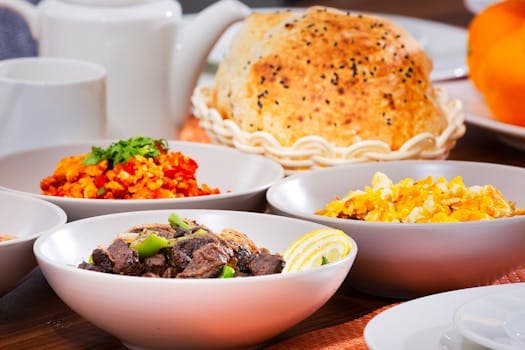
A festive Ethiopian platter of spiced chicken stew, sauteed collard greens and injera flatbread.
La comida etíope es conocida por la injera (pan plano de teff agrio y esponjoso que se utiliza como plato y utensilio) y los guisos (wot) que se sirven en él, especialmente el pollo doro wot con especias berbere. También se destaca por su extensa tradición vegana, desde las prácticas de ayuno ortodoxo, la comida comunitaria hecha a mano en un plato compartido y la ceremonia del café, apropiada para el país de origen del café.
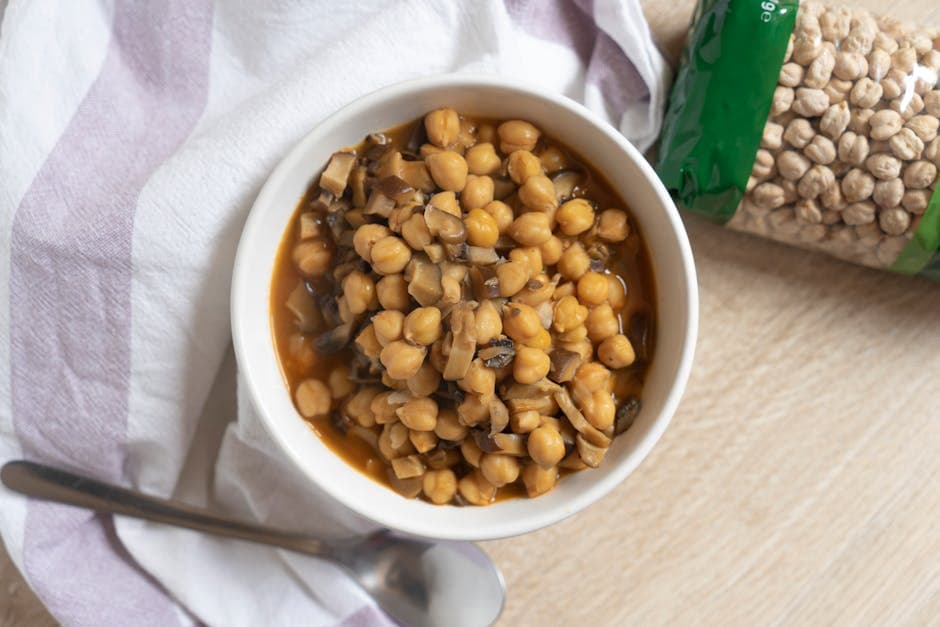
A menudo, pero no de manera uniforme. Los guisos rojos a base de bereber aportan una calidez real, y la mitmita (una mezcla más picante) acompaña al kitfo. Sin embargo, los platos de alicha son deliberadamente suaves, condimentados con cúrcuma y jengibre en lugar de chile, y un plato de beyaynetu mezcla ambos estilos. La injera agria y los frecuentes platos de legumbres también atenúan el picante, por lo que la mayoría de los paladares pueden disfrutar de una comida etíope completa.
Con la mano derecha, sin utensilios. Los guisos y ensaladas se sirven directamente sobre una ronda grande de injera, con panecillos adicionales a un lado. Arranca un trozo de injera, úsalo para picar un bocado de guiso y cómelo. Darle a un compañero un bocado selecto (gursha) es un gesto de afecto. La injera empapada en estofado que se encuentra debajo se come al final.
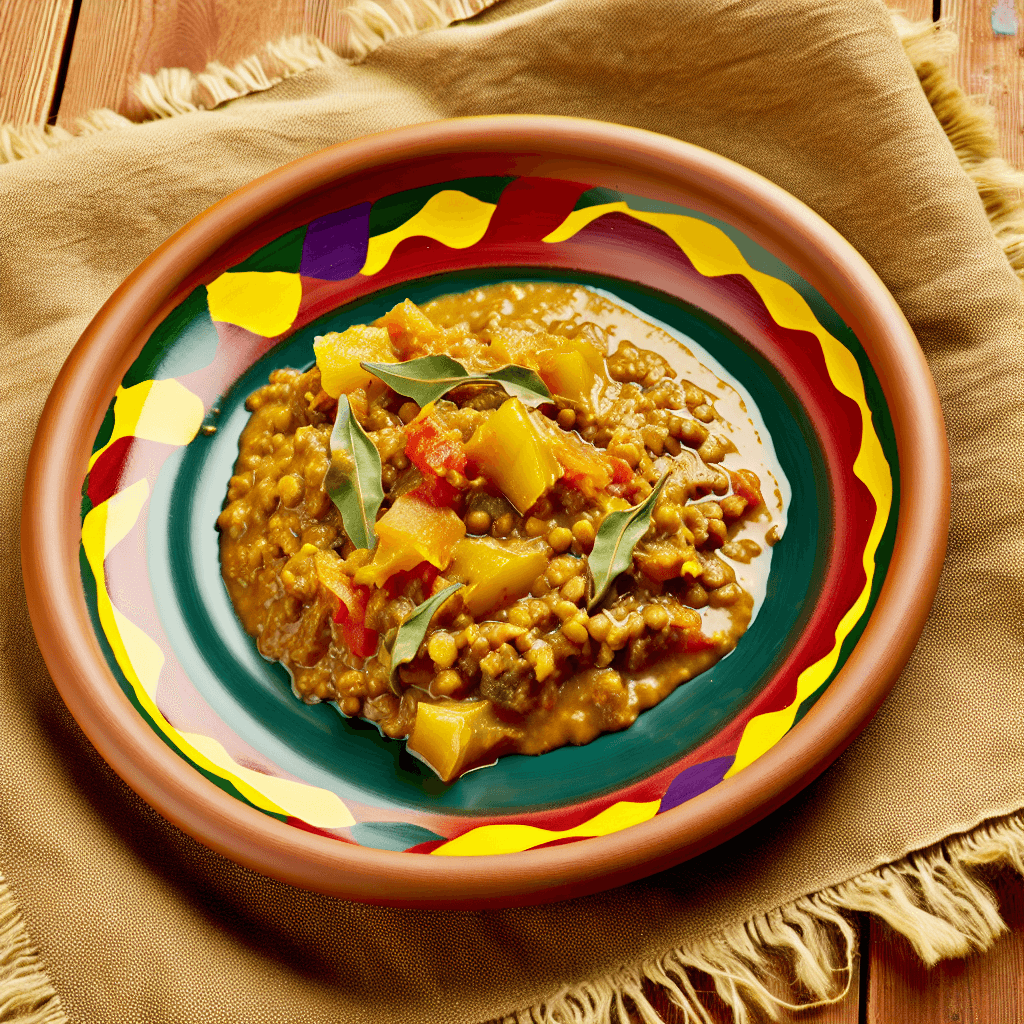
Misir wot, lentejas rojas cocidas a fuego lento con berbere y una base de cebolla reducida a fuego lento, enseña el método básico del wot con ingredientes baratos. El gomen (berza con ajo y jengibre) y el shiro (guiso de harina de garbanzos) siguen fácilmente. Al principio, compre injera en un mercado etíope: fermentar y asar masa de teff es una habilidad que vale la pena aprender más adelante. Doro wot es el siguiente paso gratificante.
Excepcionalmente. El calendario ortodoxo etíope incluye aproximadamente 200 días de ayuno que prohíben todos los productos animales, por lo que la cocina evolucionó hacia un repertorio vegano completo en lugar de adaptaciones: shiro, misir wot, kik alicha guisantes partidos, verduras gomen, verduras atkilt wot y ensalada de lentejas azifa. Al pedir 'comida de ayuno' (yetsom beyaynetu) se obtiene un plato combinado totalmente vegano en cualquier restaurante etíope.