Tafelspitz
Vienna's most elegant dish — prime beef simmered in a fragrant vegetable broth until silky tender, served with creamed spinach, rösti and apple-horseradish sauce.
Wiener schnitzel, Tafelspitz, Kaiserschmarrn: refinada cocina centroeuropea.
La cocina austriaca es la cocina de un imperio. La Viena de los Habsburgo absorbió platos de Hungría (gulasch), Bohemia (knödel dumplings y powidl), los Balcanes (reisfleisch al estilo serbio) y más allá, refinándolos hasta convertirlos en la Wiener Küche, una de las pocas cocinas que llevan el nombre de una ciudad. Wiener schnitzel es su bandera: una chuleta de ternera finamente machacada, rebozada en harina, huevo y migas finas, frita en mantequilla clarificada hasta que la corteza se separa de la carne, servida con ensalada de limón y patatas aderezada con caldo y vinagre, nunca nata.
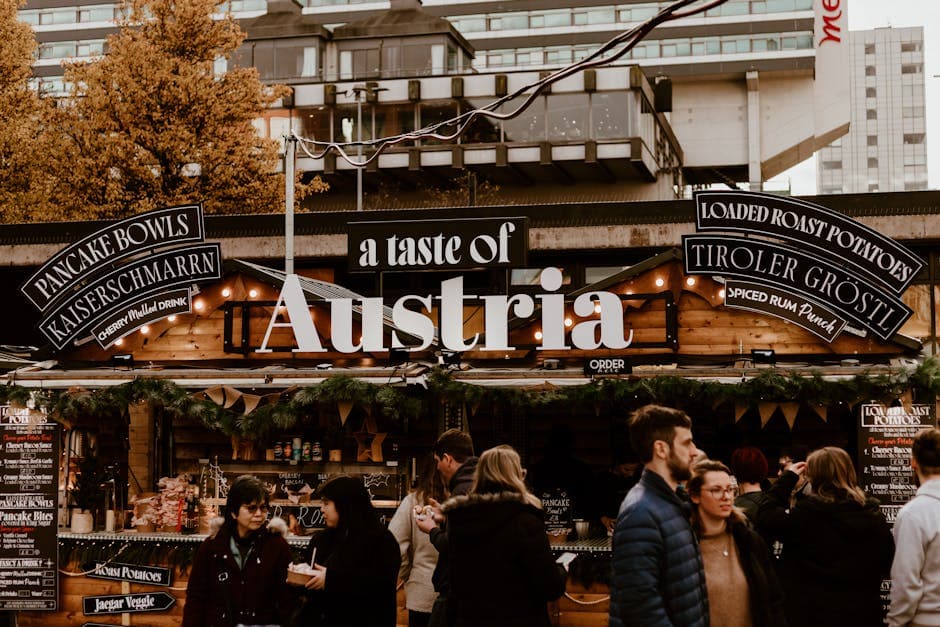
La carne de vacuno goza de un prestigio inusitado. El tafelspitz, carne de res hervida de un corte específico, servida con salsa de manzana, rábano picante y cebollino, además de papas estilo rösti, era el plato favorito del emperador Francisco José y sigue siendo el plato definitorio de Viena. A su alrededor se encuentra una abundante capa alpina: Tiroler gröstl (sartén con tocino y patatas con huevo frito), pollo frito en Estiria con ensalada de aceite de semillas de calabaza y Käsespätzle en las provincias occidentales. El fiakergulasch rico en pimentón, servido con salchicha y huevo frito, muestra la herencia húngara plenamente naturalizada.
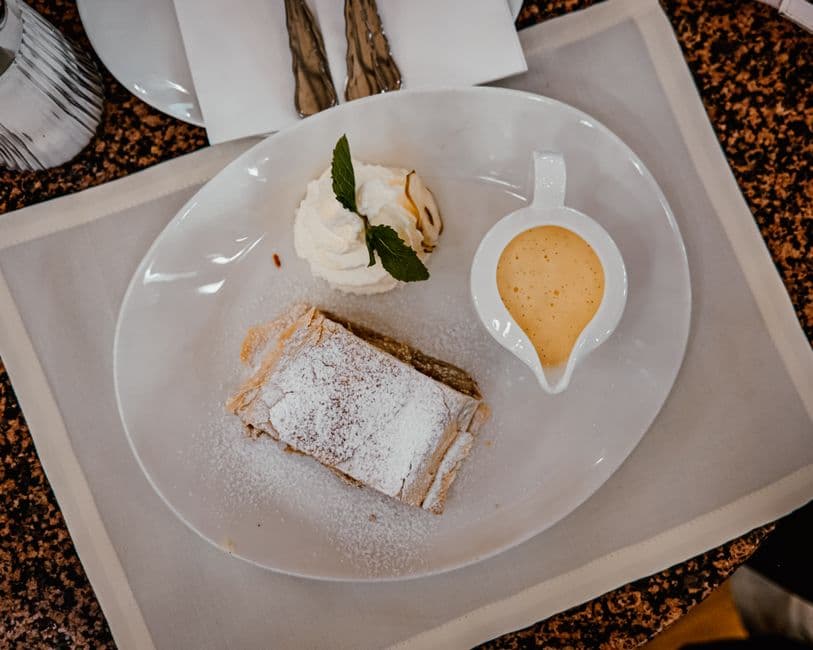
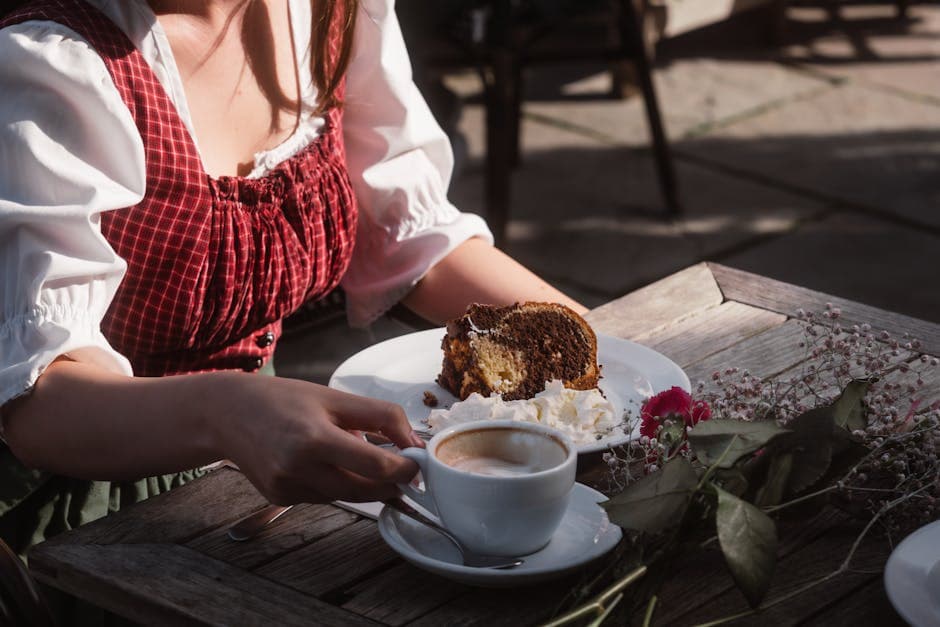
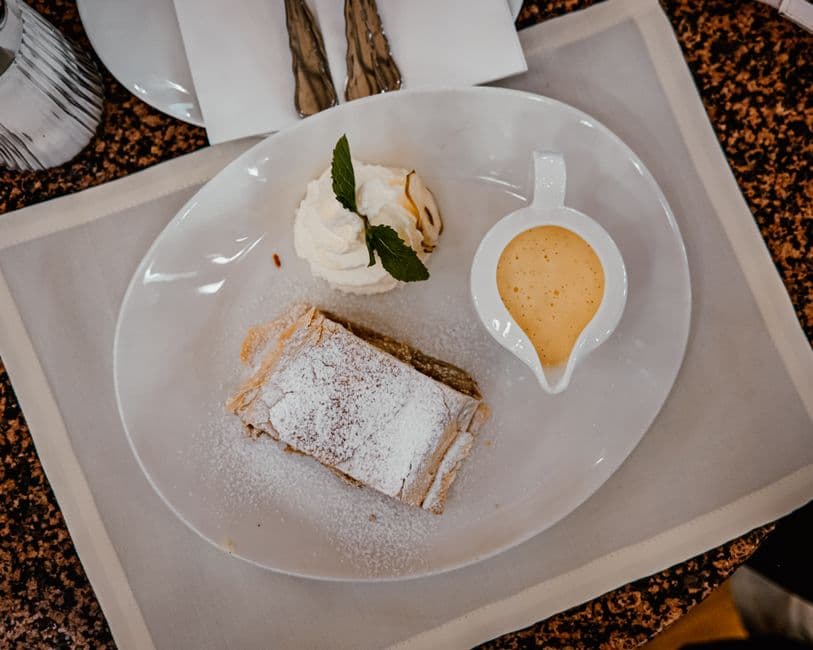
Ninguna tradición eclipsa a los Mehlspeisen, los dulces austriacos a base de harina que confunden el postre y el plato principal. Apfelstrudel exige que la masa se estire hasta que se pueda leer el periódico; La tarta Sacher (pastel de chocolate con mermelada de albaricoque, nacida de una improvisación culinaria de Franz Sacher en 1832) desató una famosa batalla legal sobre la autenticidad; Kaiserschmarrn, panqueque caramelizado rallado con compota de ciruela, era el homónimo del emperador. La cultura de los cafés vieneses, declarada Patrimonio de la Humanidad por la UNESCO, lo enmarca todo con mesas de mezcla y mármol.
Schnitzel vienés
Ternera machacada, empanizada y frita en mantequilla clarificada para que la corteza se hinche; según la ley austriaca, solo las versiones de ternera pueden llevar ese nombre.
Tafelspitz y ternera hervida
La tradición imperial de la carne de vacuno de Viena: tafelspitz cocido a fuego lento con tubérculos, servido con salsa de manzana, rábano picante y cebollino.
Mehlspeisen
El canon de los dulces de harina (apfelstrudel, Kaiserschmarrn, palatschinken, Sachertorte) donde los postres pueden ser legítimamente la cena.
Cultura Knodel
Empanadillas de herencia bohemia en todos los registros: semmelknödel de pan junto a asados, knödel tirolés relleno de motas, marillenknödel de albaricoque de postre.
Gulasch, estilo vienés
Gulyás húngaro naturalizado en un guiso espeso de ternera con cebolla y pimentón, servido como fiakergulasch con salchicha, huevo frito y pepinillo.
Tradición del café
Los cafés vieneses declarados Patrimonio de la Humanidad por la UNESCO sirven melange y einspänner con strudel y torta: instituciones para quedarse, no para llevar.
Cocina con las manos libres
Consigue planes de comida con IA, modo de cocina paso a paso y tus recetas guardadas en la app gratuita Bento.
Planifica tus comidas, controla tu ayuno y crea tu lista de compras — gratis
El panel de MyCookingCalendar funciona directamente en tu navegador, sin descargas.
German & Austrian Cuisine: 28 Traditional Recipes
Explore hearty German and Austrian cooking with 28 traditional recipes from breads to schnitzel to strudel.
8 Recipes to Use Up Leftover Egg Whites
Made a custard, carbonara, or lemon curd and now have a bowl of egg whites with nowhere to go? Eight real recipes — meringue, macarons, pavlova, an omelette — built specifically around egg whites.
8 Recipes to Use Up Leftover Mashed Potatoes
Made too much mash for dinner? Eight real recipes — shepherd's pie, colcannon, boxty, potato-filled dumplings — that are actually built around already-mashed potato.

Vienna's most elegant dish — prime beef simmered in a fragrant vegetable broth until silky tender, served with creamed spinach, rösti and apple-horseradish sauce.

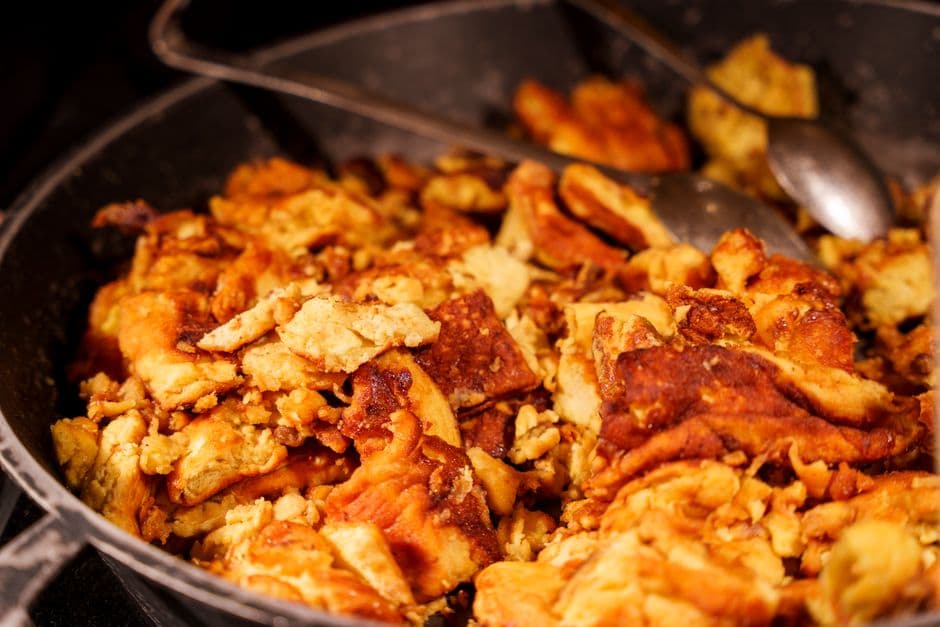
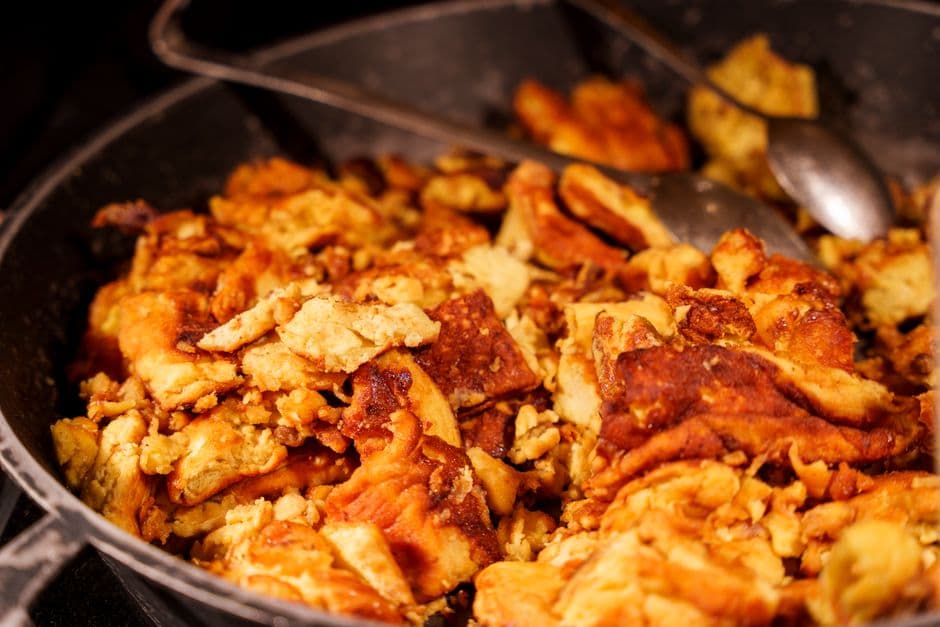
Austria's imperial torn pancake — a golden, airy, rum-soaked scrambled pancake dusted with icing sugar and served with warm plum compote.

Austria's most iconic dish: veal escalope pounded paper-thin, breaded in a soufflé-light coating and fried in clarified butter until golden with the characteristic 'souffle' — served with lemon and lingonberry jam.

A thick, torn and caramelised pancake with raisins, dusted in icing sugar and served with plum compote — Austria's most beloved dessert with a royal history.

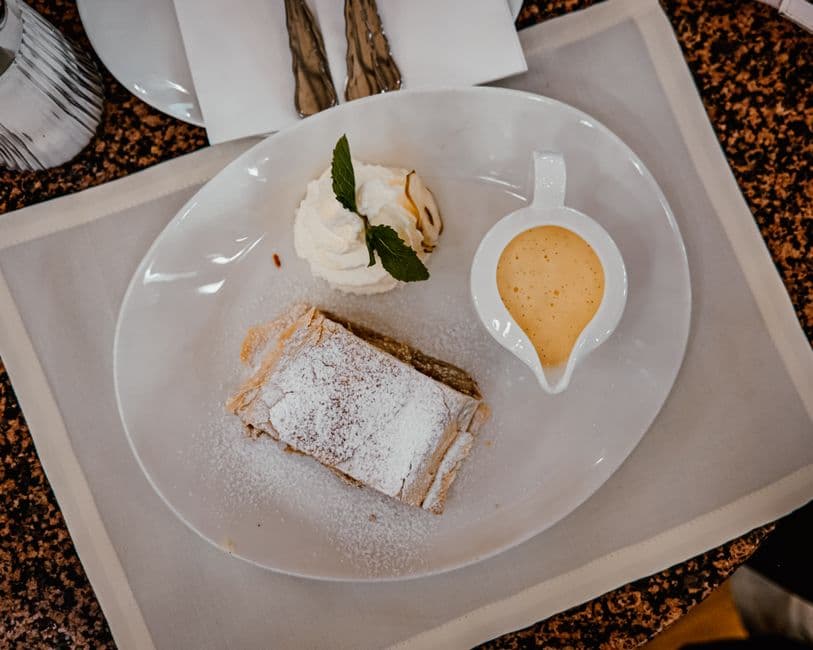
Paper-thin hand-pulled dough filled with spiced apples, raisins and breadcrumbs — the crown jewel of Viennese pastry.

A rich, deeply paprika-spiced beef stew that defines Viennese coffeehouse cooking — darker, silkier and richer than its Hungarian cousin.

Vienna's most elegant boiled beef dish — tender prime boiled beef simmered in aromatic broth with root vegetables, served with horseradish cream and chive sauce.

Emperor's torn pancake — a thick, caramelized shredded pancake with raisins dusted with icing sugar, served with plum compote; Austria's most beloved dessert.

The definitive Wiener Schnitzel — veal escalope coated in just flour, egg, and breadcrumbs then pan-fried in clarified butter until the breading puffs and rises from the meat.

Austria's most iconic dish — veal pounded impossibly thin, breaded, and fried in clarified butter until golden and puffy.

Classic Viennese apple strudel — paper-thin pastry filled with cinnamon apples, raisins, and walnuts.

Vienna's beloved beef sirloin topped with a mountain of crispy fried onion rings in a rich beef jus.

Vienna's most elegant cake — hazelnut-almond meringue layers sandwiched with rum buttercream, topped with fondant.

Vienna's beloved boiled beef with marrow bones, served with apple-horseradish sauce and chive sauce.

Viennese boiled beef served with apple-horseradish sauce and roasted bone marrow — Austria's most refined main course.

Three golden soufflé dumplings representing the mountains around Salzburg — Austria's most dramatic dessert.

Austrian potato goulash with paprika, onions and frankfurt sausages — a hearty Viennese meatless weeknight dish.

Austrian cream cheese strudel with raisins and vanilla in wafer-thin flaky pastry — a Viennese coffeehouse classic.

Austria's most famous veal cutlet — pounded thin, breaded, fried in butter, served with lemon and parsley potatoes.

Vienna's icon — milk-fed veal pounded paper-thin, dredged in flour-egg-breadcrumb, swim-fried in foaming butter until golden and crisp.

Austria's torn caramelised pancake — fluffy whisked batter with rum-plumped raisins, cooked in butter, ripped into ragged pieces, dusted with icing sugar and served with plum compote.
Austrian Market Lemon Herb Rice Bowl brings austrian flavor to a practical rice bowl built with chicken thighs, butter, poppy seeds, apples and breadcrumbs, and a fresh chives finish.
Austrian Village Smoky Tomato Soup brings austrian flavor to a practical soup built with mushrooms, butter, poppy seeds, apples and breadcrumbs, and a fresh chives finish.
Austrian Garden Sesame Lime Skillet brings austrian flavor to a practical skillet dinner built with cauliflower, butter, poppy seeds, apples and breadcrumbs, and a fresh chives finish.
Austrian Harbor Charred Pepper Noodles brings austrian flavor to a practical noodle dish built with rice noodles, butter, poppy seeds, apples and breadcrumbs, and a fresh chives finish.
Austrian Mountain Green Herb Salad brings austrian flavor to a practical salad built with grilled chicken, butter, poppy seeds, apples and breadcrumbs, and a fresh chives finish.
Austrian Festival Lemon Herb Flatbread brings austrian flavor to a practical flatbread built with flatbread dough, butter, poppy seeds, apples and breadcrumbs, and a fresh chives finish.
Austrian Homestyle Smoky Tomato Traybake brings austrian flavor to a practical traybake built with sweet potatoes, butter, poppy seeds, apples and breadcrumbs, and a fresh chives finish.
Austrian Street Sesame Lime Fritters brings austrian flavor to a practical fritters built with salted fish, butter, poppy seeds, apples and breadcrumbs, and a fresh chives finish.
Austrian Golden Charred Pepper Breakfast Plate brings austrian flavor to a practical breakfast plate built with beans, butter, poppy seeds, apples and breadcrumbs, and a fresh chives finish.
Austrian Weeknight Green Herb Dessert brings austrian flavor to a practical dessert built with coconut, butter, poppy seeds, apples and breadcrumbs, and a fresh chives finish.
A thin, pounded veal cutlet coated in a delicate, puffy breadcrumb crust, fried until golden and served with lemon.
Slow-poached beef in a rich vegetable broth, sliced thin and served with apple-horseradish sauce and chive sauce.
A fluffy pancake torn into caramelized pieces while cooking, dusted with powdered sugar and served with plum compote.
A deeply savory paprika-braised beef stew with a mountain of caramelized onions, thicker and less soupy than its Hungarian cousin.
Paper-thin hand-stretched pastry rolled around spiced apples, raisins and breadcrumbs, baked until golden and flaky.
Half-moon dumplings filled with a tangy farmer's cheese, potato and mint mixture, boiled and served with browned butter.
A dense chocolate sponge cake layered with apricot jam and coated in a glossy dark chocolate glaze, Vienna's most famous cake.
A classic Viennese beef goulash topped with a fried egg, a sliced frankfurter and a tangy pickled cucumber.
A clear beef broth studded with soft, tender semolina dumplings, a simple, comforting first course of Austrian home cooking.
Thinly sliced warm potatoes dressed in a tangy broth, vinegar and mustard dressing, the classic Austrian companion to schnitzel.
Whole fresh apricots wrapped in a soft potato or quark dough, boiled, then rolled in buttery cinnamon breadcrumbs.
A pan-seared beef steak topped with a mountain of crispy fried onions, a classic Viennese restaurant staple.
Soft, pillowy yeasted rolls baked close together and filled with apricot or plum jam, brushed with butter, a beloved Austrian teatime treat.
A crumbly, spiced ground-almond and hazelnut pastry shell filled with tart red currant jam and topped with a lattice crust.
Rye bread topped with a paprika-spiced cheese spread flecked with caraway and onion — a beloved Austrian tavern snack, liptauer.
Torn caramelized pancake pieces baked with a custard until golden — a bread-pudding-style take on Austria's beloved kaiserschmarrn.
Tender beef and pork patties seasoned with marjoram and black pepper, pan-fried until golden — Austria's everyday fleischlaberl.
A hearty bean soup simmered with smoked sausage and a touch of paprika-driven heat — a warming Austrian farmhouse stew.
A soft, folded omelette filled with a generous mix of fresh garden herbs and a touch of sour cream — a simple, refined Austrian breakfast.
Light, fluffy semolina dumplings simmered in a clear beef broth with fresh chives — a beloved Austrian soup, grießnockerlsuppe.
Whole trout baked and finished with a nutty brown butter and toasted almonds — an Alpine Austrian fish dish, forelle blau style adapted.
Thin, delicate crepes filled with sugar and a squeeze of fresh lemon, rolled and dusted with powdered sugar — Austria's beloved palatschinken.
Warm sliced potatoes dressed in a tangy vinegar and mustard dressing with chives — Austria's classic no-mayonnaise potato salad, erdäpfelsalat.
A whole chicken rubbed with marjoram, garlic and black pepper and roasted until deeply golden — a straightforward Austrian Sunday dinner.
Roasted peppers, onion and potatoes baked with a warm paprika and caraway seasoning — a hearty Austrian vegetable side dish.
Buttery almond crescent cookies rolled in vanilla sugar — Austria's beloved Christmas cookie, vanillekipferl.
Torn, caramelized Austrian pancake pieces brightened with lemon zest and fresh herbs, dusted with powdered sugar.
A hearty Austrian pearl barley bowl with roasted garlic, mushrooms and melted Alpine cheese.
Pan-seared Alpine lake fish over buttery pepper rice, finished with a squeeze of lime and fresh dill.
A tangy Austrian lentil salad with lemon, mustard vinaigrette, red onion and fresh herbs, served warm or at room temperature.
Classic Austrian stuffed peppers filled with rice, ground beef and roasted garlic, simmered in a light tomato sauce.
A creamy Austrian paprika chicken casserole with bell peppers, baked with a light sour cream and lime finish.
A crisp breaded pork schnitzel served burger-style with a bright lemon and fresh herb sauce.
A warm Austrian semolina pudding, lightly spiced with cracked pepper, topped with a tart lime-berry compote.
A festive Austrian roast goose plate with red cabbage and crisp turmeric-golden roasted potatoes.
Encabeza el Wiener Schnitzel, seguido del Tafelspitz de ternera hervida, el gulasch, las albóndigas de pan, el Käsespätzle y una excepcional tradición de postres: apfelstrudel, Sachertorte, Kaiserschmarrn y Salzburger nockerl. La cultura vienesa de los cafés (melange, einspänner, mesas de mármol, periódicos) está reconocida por la UNESCO. La cocina combina herencias húngaras, bohemias, italianas y balcánicas refinadas en la Viena imperial.
Comparten escalopes, albóndigas, salchichas y cerveza, pero la cocina austriaca es la heredera más cosmopolita del imperio de los Habsburgo: pimentón gulasch de Hungría, knödel y powidl de Bohemia y una cultura de postres mucho más profunda (Mehlspeisen). El wiener schnitzel debe ser ternera, mientras que el schweineschnitzel alemán es cerdo. Austria también prefiere platos de carne hervida como el Tafelspitz, poco común en los menús alemanes, y el aceite de semilla de calabaza en Estiria.
Ternera: en Austria, la denominación «Wiener schnitzel» está protegida legalmente y sólo puede designar una chuleta de ternera empanizada. La misma preparación con carne de cerdo debe llevar la etiqueta 'Schnitzel Wiener Art' (estilo Viena). Las características distintivas son una chuleta fina y uniformemente machacada, un empanizado ligero que se hincha y se arruga lejos de la carne (soufflieren) y se fríe en abundante mantequilla clarificada, servido simplemente con limón.
El Kaiserschmarrn es indulgente y rápido: una masa espesa para panqueques con pasas, cocida en mantequilla, cortada en trozos, caramelizada con azúcar y servida con compota de ciruelas (zwetschkenröster). Para lo salado, pruebe el Tiroler gröstl: patatas fritas, cebollas y tocino coronado con un huevo frito. El propio Schnitzel también es apto para principiantes si mantienes el aceite caliente y la chuleta fina.
En 1832, el aprendiz Franz Sacher, de dieciséis años, improvisó un denso pastel de chocolate con mermelada de albaricoque y glaseado de chocolate cuando su jefe de cocina enfermó antes de un banquete para el príncipe Metternich. Más tarde, su hijo fundó el Hotel Sacher, y una batalla judicial de décadas con la pastelería Demel por el título "original" terminó en 1963: el Hotel Sacher ganó el derecho al sello, mientras que Demel vende su propia versión.