
Nuevocena
Stamppot Boerenkool
La comida reconfortante invernal por excelencia de Holanda: puré de patata cremoso batido con col rizada y servido con salchicha ahumada y un charco de salsa.
50 min520 kcalFácil
★4.6(876)
Stamppot, erwtensoep, stroopwafels: cocina holandesa robusta y reconfortante.
Más recetas construidas alrededor de los mismos ingredientes principales.
Controla lo que comes
Fotografía tu comida para registrar calorías y macros, usa temporizadores de ayuno y controla tu agua en la app gratuita SnapCal.
Planifica tus comidas, controla tu ayuno y crea tu lista de compras — gratis
El panel de MyCookingCalendar funciona directamente en tu navegador, sin descargas.
La comida reconfortante invernal por excelencia de Holanda: puré de patata cremoso batido con col rizada y servido con salchicha ahumada y un charco de salsa.

La legendaria sopa espesa de guisantes partidos de los Países Bajos con codillo de cerdo ahumado, apionabo y puerro: tan espesa que una cuchara se mantiene de pie en ella.

Sopa de guisantes partidos extraordinariamente espesa con codillo de cerdo ahumado, apionabo, puerro y salchicha rookworst — el plato de invierno más querido de los Países Bajos.

Bolas crujientes y doradas con un interior fundente de rico ragú de ternera — el aperitivo de bar más querido de los Países Bajos, servido con mostaza picante.

Un contundente puré holandés de patata, zanahoria y cebolla con mantequilla, servido junto a ternera estofada — el plato nacional de los Países Bajos con profundas raíces históricas.

Dos finas y crujientes obleas de gofre rellenas de un grueso y cálido relleno de caramelo — la galleta más querida de los Países Bajos y uno de los grandes dulces de Europa.
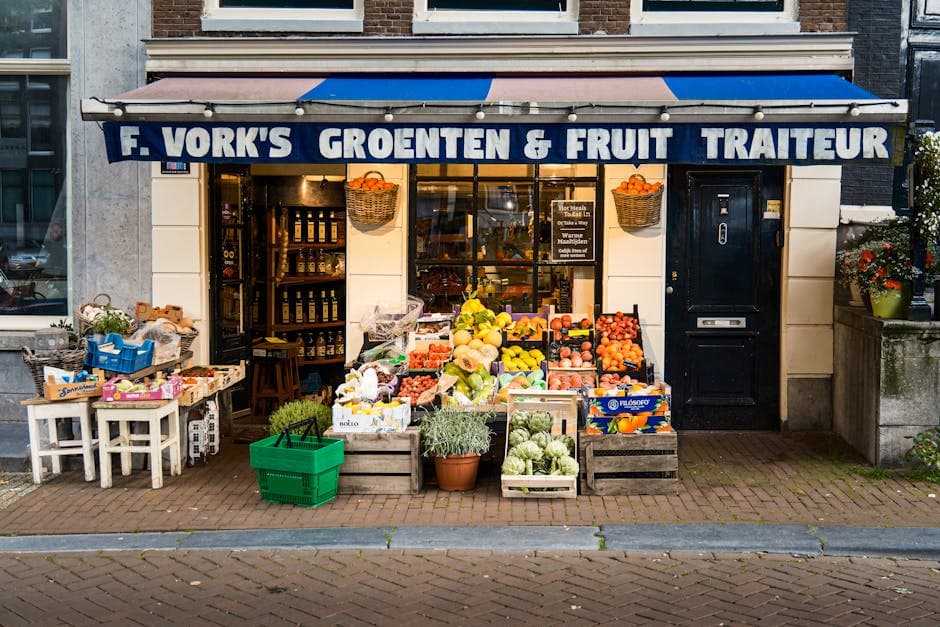
La comida reconfortante invernal por excelencia de Holanda: puré de papa cremoso combinado con verduras de hoja (tradicionalmente col rizada o endivia) y servido con salchicha ahumada.
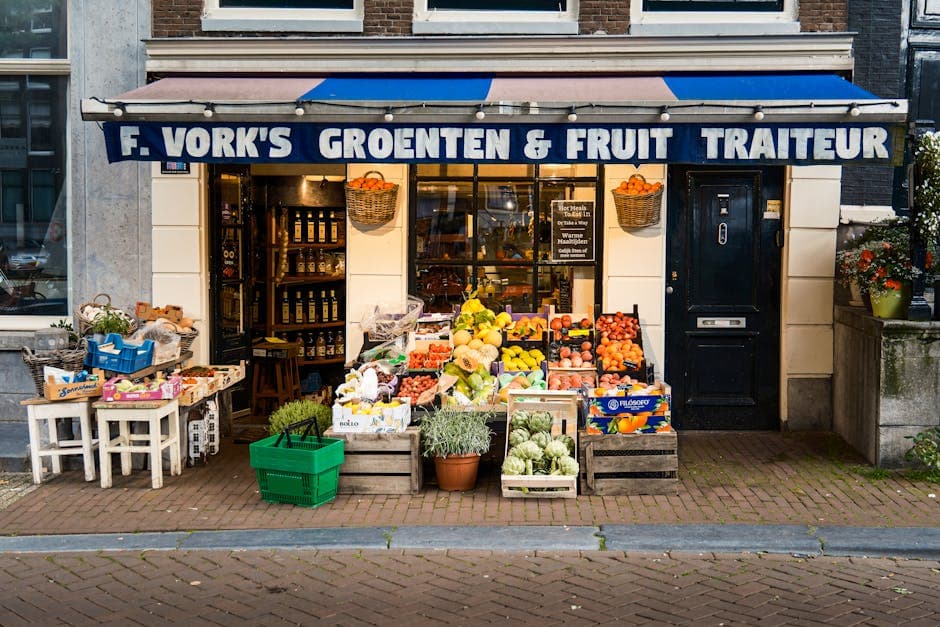
El stamppot neerlandés más icónico: puré de patatas cremoso enérgicamente mezclado con col rizada braseada, servido con salchicha ahumada rookworst y panceta crujiente.
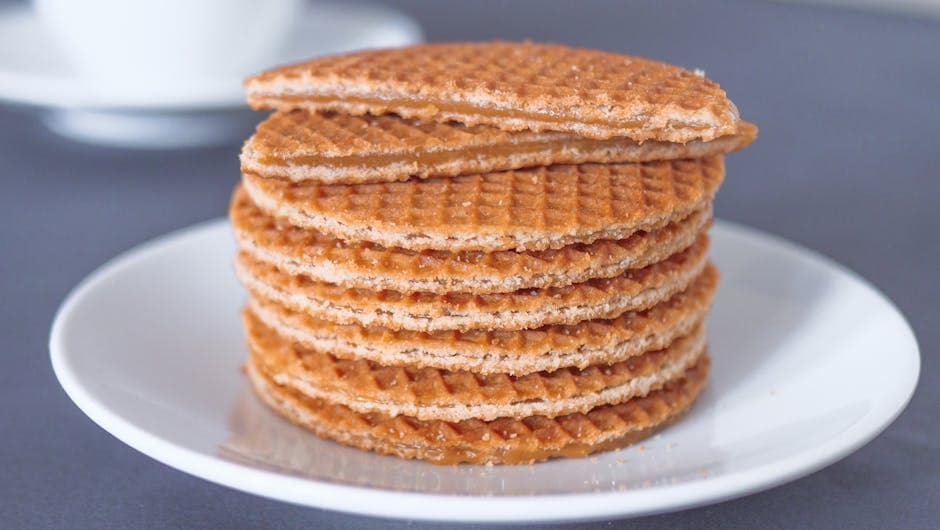
Galletas tipo gofre finas intercaladas con una capa de almíbar de caramelo: el dulce más emblemático de los Países Bajos.
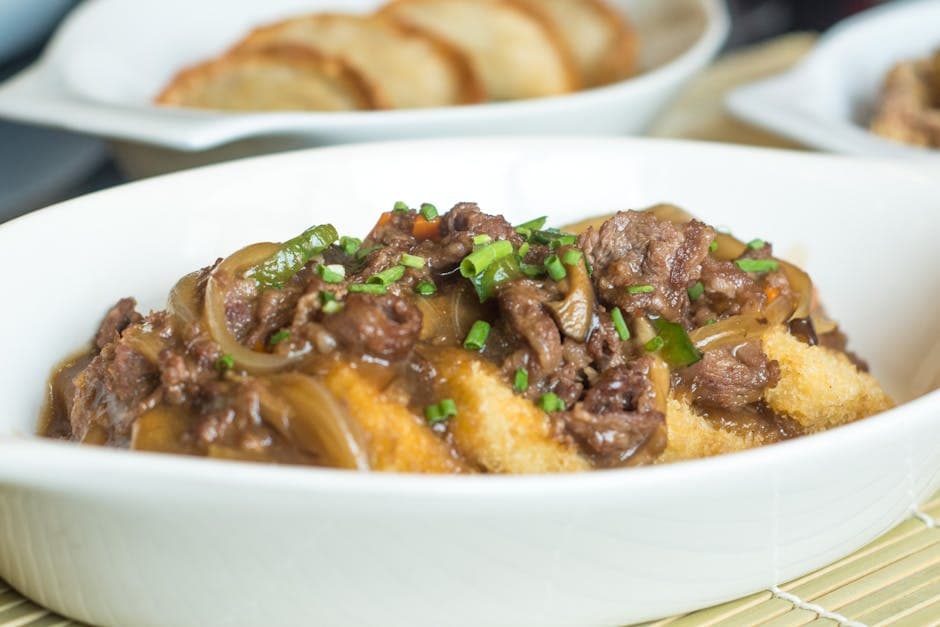
Estofado de ternera holandés, rico y picante, estofado lentamente con una montaña de cebollas, vinagre y hojas de laurel.
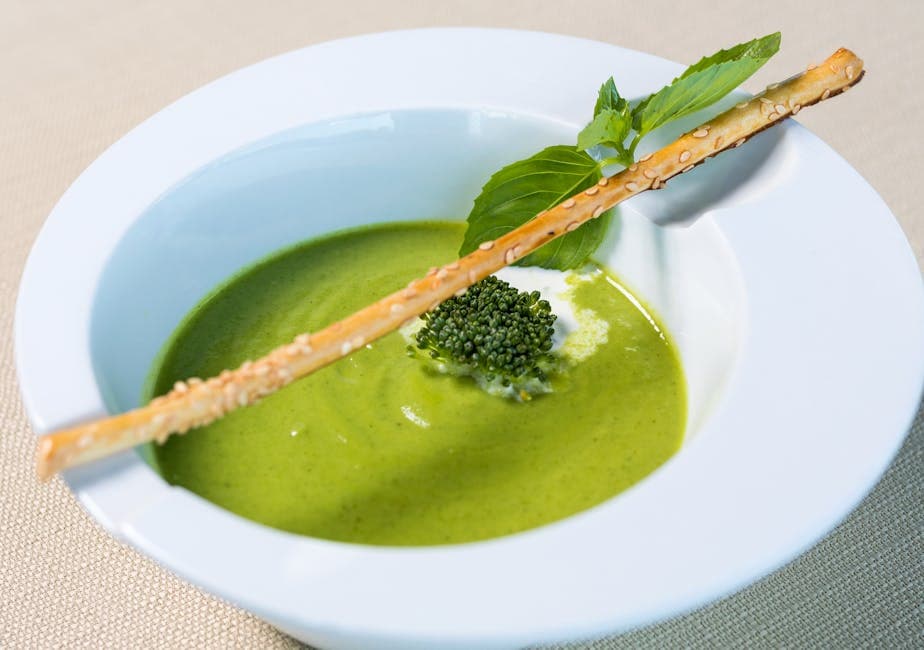
La espesa sopa de invierno de color verde militar de los Países Bajos, tan sustanciosa que contiene una cuchara, cargada de carne de cerdo y salchicha ahumada.

Bolas de ragú de carne holandesa fritas y crujientes: el mejor refrigerio de café, siempre servido con mostaza.
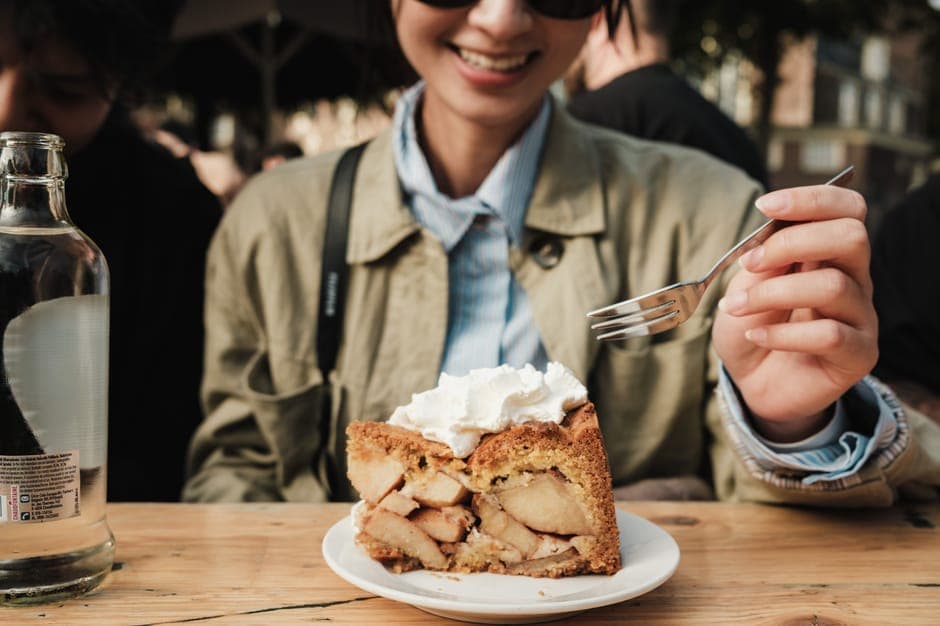
Tarta de manzana holandesa rellena con masa quebrada mantecosa, manzanas con canela y una superficie enrejada: cultura del café en una rebanada.
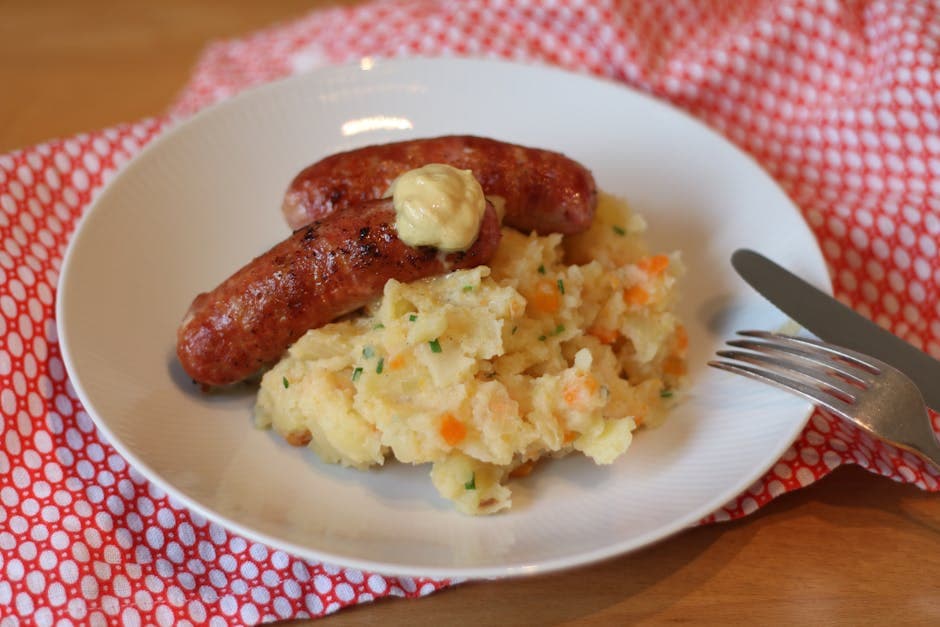
El segundo gran plato de los Países Bajos: zanahorias, cebollas y patatas hervidas y machacadas hasta obtener un puré de naranja, dulce y sabroso. Consumido el 3 de octubre para conmemorar la liberación de Leiden.
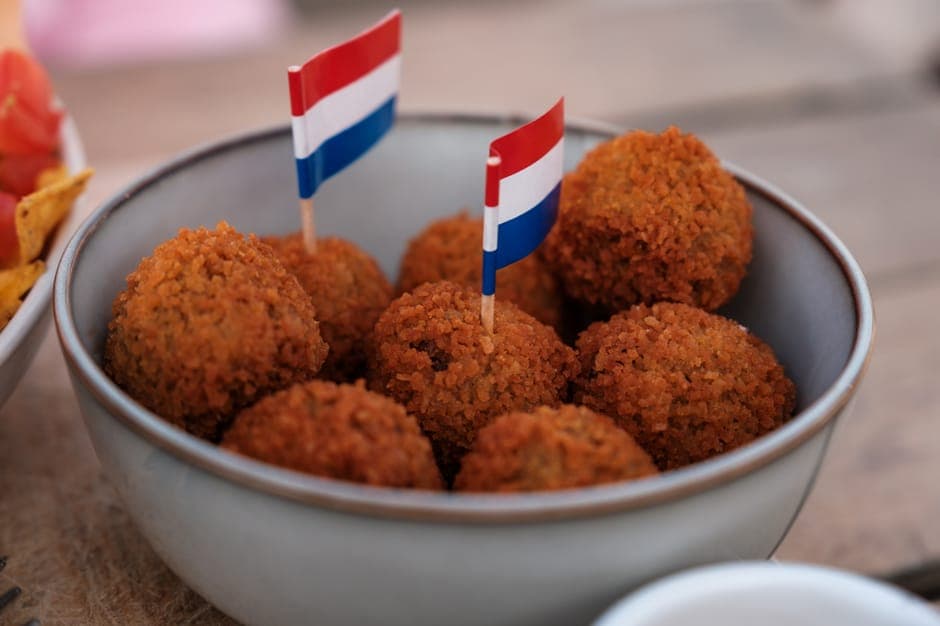
El snack de bar más popular de los Países Bajos: bolas doradas y crujientes fritas con un centro de ragú de carne fundida. Servido con mostaza holandesa en todas las cafeterías y fiestas de cumpleaños. El bocado holandés imprescindible.
Sopa holandesa de guisante partida espesa con salchicha ahumada y cerdo — tan espesa que una cuchara se levanta en ella.
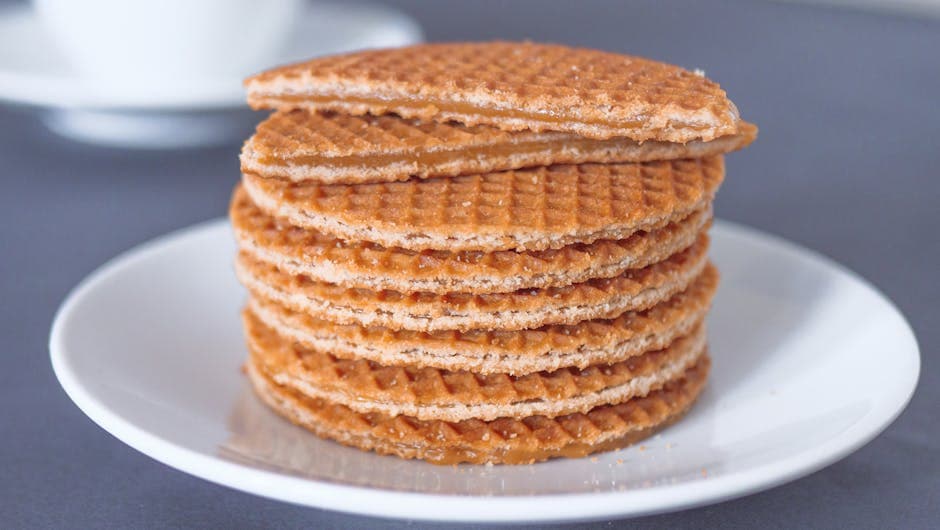
Galletas holandesas finas de waffle sándwich con relleno de sirope de caramelo — diseñadas para calentarse en una taza de café.
El tazón de arroz con hierbas y limón de Dutch Market aporta sabor holandés a un práctico tazón de arroz elaborado con muslos de pollo, mantequilla, papas, queso y mostaza, y un acabado de perejil fresco.
La sopa de tomate ahumado Dutch Village aporta sabor holandés a una sopa práctica preparada con champiñones, mantequilla, patatas, queso y mostaza, y un acabado de perejil fresco.
La sartén Dutch Garden Sesame Lime Skillet aporta sabor holandés a una práctica cena en sartén preparada con coliflor, mantequilla, papas, queso y mostaza, y un acabado de perejil fresco.
Los fideos con pimiento carbonizado de Dutch Harbor aportan sabor holandés a un práctico plato de fideos elaborado con fideos de arroz, mantequilla, patatas, queso y mostaza, y un acabado de perejil fresco.
La ensalada holandesa de hierbas verdes de montaña aporta sabor holandés a una práctica ensalada preparada con pollo asado, mantequilla, patatas, queso y mostaza, y un acabado de perejil fresco.
Dutch Festival Lemon Herb Flatbread aporta sabor holandés a un práctico pan plano elaborado con masa de pan plano, mantequilla, patatas, queso y mostaza, y un acabado de perejil fresco.
El horneado en bandeja de tomate ahumado estilo casero holandés aporta sabor holandés a un práctico horneado en bandeja elaborado con batatas, mantequilla, patatas, queso y mostaza, y un acabado de perejil fresco.
Los buñuelos de lima y sésamo de Dutch Street aportan sabor holandés a unos prácticos buñuelos elaborados con pescado salado, mantequilla, patatas, queso y mostaza, y un acabado de perejil fresco.
El plato de desayuno Dutch Golden Charred Pepper aporta sabor holandés a un práctico plato de desayuno elaborado con frijoles, mantequilla, papas, queso y mostaza, y un acabado de perejil fresco.
El postre de hierbas verdes Dutch Weeknight aporta sabor holandés a un postre práctico elaborado con coco, mantequilla, patatas, queso y mostaza, y un acabado de perejil fresco.
Dos discos de gofre finos y crujientes intercalados alrededor de un relleno de jarabe de caramelo masticable, tradicionalmente calentados sobre una bebida caliente.
Un puré dulce y abundante de zanahorias, cebollas y patatas servido junto con carne de res estofada a fuego lento, históricamente ligada al asedio de Leiden.
Pequeñas bolitas crujientes de ragú de ternera cremoso, un clásico refrigerio holandés servido con mostaza para mojar.
Pequeños panqueques con levadura, cocidos en una sartén especial con hoyuelos, servidos calientes espolvoreados con azúcar en polvo y mantequilla.
Mejillones frescos de Zelanda cocidos al vapor en vino blanco con apio, puerro y cebolla, servidos con un gran plato de patatas fritas.
Empanadas de hojaldre crujientes y hojaldradas rellenas de manzana cortada en cubitos y pasas condimentadas con canela, una delicia muy apreciada en las ferias holandesas.
Una variación regional de la sopa holandesa de guisantes enriquecida con anguila ahumada en hojuelas, una especialidad de las vías fluviales de los Países Bajos.
Bolas de masa con levadura fritas, salpicadas de pasas y grosellas, espolvoreadas con azúcar en polvo, una delicia muy apreciada en Nochevieja.
Una crujiente croqueta de ragú de ternera frita metida en un suave panecillo blanco con mostaza, un clásico del almuerzo holandés.
Un puré cremoso de patatas con escarola rizada cruda que se marchita con el calor y cubierto con trocitos de tocino crujiente.
Galletas de azúcar moreno, crujientes y muy especiadas, estampadas con formas tradicionales de molinos de viento o figuras, un clásico navideño de Sinterklaas.
Un postre frío en capas de natillas de vainilla y yogur de frutas, una delicia nostálgica estilo supermercado holandés hecha desde cero.
Trozos de carne estofados a fuego lento con una montaña de cebollas, hojas de laurel y vinagre hasta obtener un sabor profundamente sabroso y dulce.
Grandes albóndigas de carne molida ligeramente condimentadas, estofadas en una rica salsa, un plato holandés por excelencia para la cena dominical.
Trozos de pescado blanco, crujientes y rebozados con cerveza, del tamaño de un bocado, un clásico refrigerio holandés de puesto en el mercado servido con salsa de ajo y hierbas.
Arenque crudo curado suave en panecillo con pepinillos y cebolla cruda: el querido sándwich de arenque de la comida callejera de los Países Bajos, broodje haring.
Endivia belga estofada envuelta en jamón y horneada con salsa bechamel y queso: una amada cazuela holandesa reconfortante.
Sustanciosas albóndigas de carne de res y cerdo sazonadas con nuez moscada y clavo, doradas y cocidas a fuego lento en una rica salsa: una clásica cena casera holandesa.
Frijoles dorados cocidos a fuego lento con tocino, manzana y pimienta negra en un guiso espeso y abundante: un plato reconfortante tradicional holandés.
Una tortilla esponjosa envuelta alrededor de manzana salteada y un chorrito de almíbar especiado holandés: un cálido desayuno otoñal elaborado con productos básicos clásicos de la despensa holandesa.
Gachas cremosas de trigo sarraceno rematadas con una sabrosa mantequilla de hierbas: una papilla de cereales tradicional holandesa con un final más sabroso que dulce.
Filetes de bacalao horneados bajo una costra de mostaza, hierbas y pan rallado: una sencilla cena de pescado holandesa de inspiración costera.
Una tarta de manzana alta, profundamente condimentada, con una corteza enrejada y pasas: el querido appeltaart de los Países Bajos, más denso y parecido a una natilla que las versiones estadounidenses.
Una ensalada picada de patatas, remolacha, manzana y pepinillos encurtidas con un ligero aderezo de mayonesa: la clásica huzarensalada holandesa.
Un pollo entero untado con nuez moscada, clavo y tomillo y asado hasta que esté dorado: un asado dominical holandés cálidamente condimentado elaborado con las especias clásicas de la despensa del país.
Puré de patatas, zanahorias y cebollas al horno con pimienta negra y mantequilla: el lugar histórico de Holanda, vinculado a la liberación de Leiden.
Galletas finas tipo gofre partidas y rellenas con un almíbar de caramelo tibio: el adorado stroopwafel de los Países Bajos, que se come mejor recién hecho en una plancha en el mercado.
Panqueques holandeses finos y de gran tamaño, salpicados con manzana salteada y calentados con canela, cocinados al estilo sartén.
Un cálido cuenco de cereales elaborado con los sabores del boerenkool holandés: cebada, col rizada, salchicha ahumada y nuez moscada.
Mejillones al estilo de Zelanda cocinados al vapor en vino blanco, ajo y limón, el plato de marisco más emblemático de los Países Bajos, servidos sobre arroz.
Erwtensoep, la espesa sopa de guisantes de invierno de los Países Bajos con salchicha ahumada, se sirvió como un plato abundante.
Pimientos rellenos de carne molida estilo gehaktbal holandés con especias cálidas, horneados en una salsa de tomate con aroma a nuez moscada.
Una cremosa cazuela holandesa horneada de escarola estofada, puré de patatas y queso derretido, aderezada con ajo y limón.
Una hamburguesa de ternera con especias holandesas, sazonada como gehaktballen con nuez moscada y pimienta de Jamaica, cubierta con queso picante Old Amsterdam.
Sedoso pudín de natillas holandesas vla cubierto con una compota de frutas de color limón y una crujiente miga de galleta de especias speculaas.
Un estofado festivo holandés de pollo (tradicionalmente conejo) con ciruelas pasas, naranja y un toque cálido de jengibre.
La cocina holandesa surgió de un clima marítimo frío y húmedo y de una sospecha calvinista del exceso: comida sencilla, abundante y bien hecha. El núcleo histórico es la familia stamppot: patatas machacadas con verduras como col rizada (boerenkool), chucrut o escarola, servidas con salchicha ahumada y salsa de grajo, junto con erwtensoep, una sopa de guisantes partidos lo suficientemente espesa como para meter una cuchara, que se come después de patinar en invierno. El arenque es muy importante: Hollandse nieuwe, la primera pesca de la temporada ligeramente en salmuera, que se come cruda con cebolla, es un rito nacional cada mes de junio.
La Edad de Oro holandesa y la época colonial dejaron una segunda capa. El comercio de especias convertía la nuez moscada, la canela y el clavo en especias para hornear todos los días; de ahí las galletas speculaas y las ontbijtkoek. Los vínculos con Indonesia incorporaron la comida indoholandesa a la dieta nacional: nasi goreng, satay con salsa de maní y rijsttafel, un elaborado formato de mesa de arroz con muchos platos que en realidad fue una invención colonial holandesa. El roti y el broodje pom de Surinam son habituales en Ámsterdam y Rotterdam.
La alimentación diaria es famosa por su pragmatismo: pan con queso o hagelslag (chocolate granulado) para el desayuno y el almuerzo, y una comida cocinada por la noche. El queso es la gran exportación y el orgullo: el Gouda y el Edam envejecidos desde jóvenes (jong) hasta oud cristalinos, cortados en rodajas finas con el queso plano que los holandeses hicieron propio. La cultura callejera y de los snacks proporciona la alegría: stroopwafels calientes, poffertjes con mantequilla y azúcar en polvo, bitterballen crujientes con mostaza y patatas fritas con mayonesa.
pote de sello
Puré de patatas con col rizada, chucrut, escarola o hutspot de zanahoria y cebolla, coronado con grajo ahumado: la cena de invierno definitiva.
Artesanía de queso
Gouda y Edam envejecidos desde jong hasta oud quebradizo con notas de caramelo, y se comen a diario en finas rebanadas cepilladas sobre pan.
Arenque y el mar
Arenque holandés crudo con cebolla picada, además de kibbeling y anguila ahumada, anclan el lado marítimo de la mesa.
Herencia indonesia
La historia colonial hizo que el satay, el nasi goreng, el sambal y el rijsttafel fueran elementos permanentes de la comida en los hogares y restaurantes holandeses.
Especias y dulces para hornear
Las especulaas de sabor, el ontbijtkoek y el stroopwafel relleno de caramelo se comercializan con especias: nuez moscada, canela y clavo.
Cultura de bocadillos fritos
Bitterballen y kroketten con mostaza, patatas fritas con mayonesa y poffertjes definen la hora del borrel y la comida callejera.
Primero el queso (gouda y edam), luego stroopwafels, arenque crudo con cebolla, stamppot con grajo, sopa de guisantes (erwtensoep), bitterballen, poffertjes y patatas fritas con mayonesa. Gracias a la historia colonial, los platos indonesios como el satay y el nasi goreng también son parte genuina de la gastronomía holandesa, al igual que el roti de Surinam en las grandes ciudades.
El plato principal tradicional es suave y reconfortante (papas, queso, pan, salchichas ahumadas), pero la mesa holandesa completa es más picante que su reputación. La comida indonesio-holandesa lleva el sambal y el satay especiado a los hogares comunes, la cocina surinamesa agrega pimienta picante madame jeanette y los quesos añejos, el pescado ahumado, el arenque crudo y la mostaza tienen mucha intensidad por sí solos.
El gouda se elabora con leche entera, lo que le da un cuerpo más rico y cremoso que desarrolla notas de caramelo y caramelo con crujientes cristales de tirosina a medida que envejece. Edam utiliza leche parcialmente desnatada, por lo que es más firme, con menos grasa y más suave, tradicionalmente con forma de bolas enceradas de color rojo. Ambos llevan el nombre de las ciudades cuyos mercados los vendían, y ambos varían desde jóvenes hasta mayores (overjarig).
Stamppot boerenkool: hervir las patatas con col rizada picada, triturarlas con mantequilla, leche y un chorrito de vinagre o mostaza, y servir con una salchicha ahumada calentada en la sartén y un chorrito de salsa. Es un bote y treinta minutos. Erwtensoep (guisantes partidos cocidos a fuego lento con carne de cerdo, puerro, apio y grajo) es el segundo proyecto natural.
Rijsttafel ("mesa de arroz") es un formato de la era colonial holandesa para servir comida indonesia: arroz rodeado por una docena o más de platos pequeños (rendang de res, satay, gado-gado, sambal goreng, pepinillos acar) que cubren el espectro de suave a picante. Fue elaborado por los holandeses en la Indonesia colonial en lugar de ser una tradición nativa, y hoy sobrevive principalmente en los restaurantes holandeses de Indonesia.
Calculadoras y conversores que acompañan a esta página — sin registro.
Calculadora para escalar recetas
Reduce a la mitad o duplica cada cantidad de esta receta sin hacer cuentas mentales.
Conversor de medidas
Convierte tazas, gramos, onzas y mililitros en ambos sentidos.
Conversor para freidora de aire
Convierte el tiempo y la temperatura del horno a ajustes de freidora de aire.