
Nuevocena
Plov
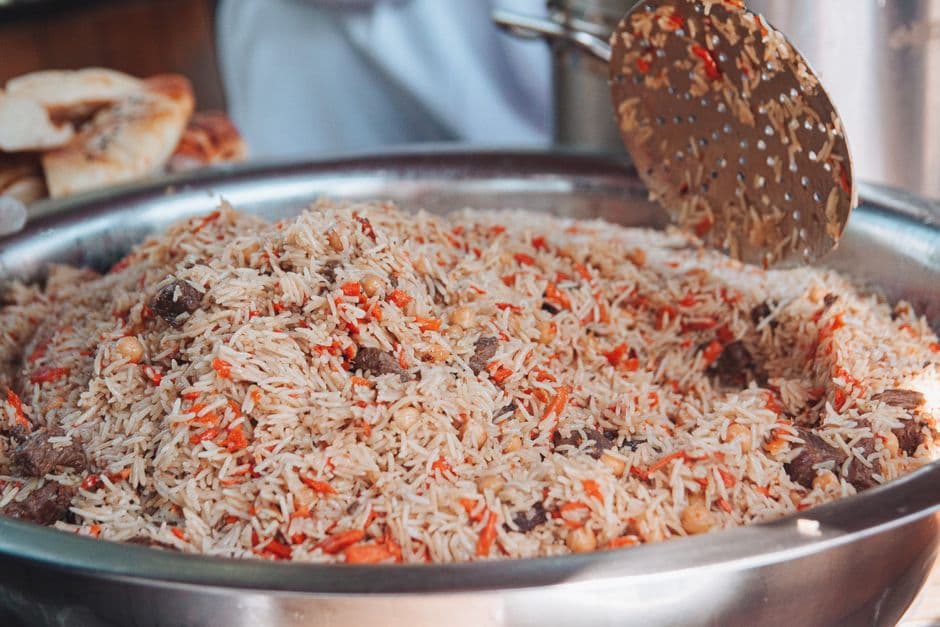
El legendario pilaf de arroz de Uzbekistán: cordero, zanahorias, cebolla y caldo especiado cocidos juntos en un kazán para crear el plato más querido de Asia Central.
115 min680 kcalMedio
★4.9(654)
Plov, samsa, lagman: abundante cocina de la Ruta de la Seda procedente del corazón de Asia Central.
Más recetas construidas alrededor de los mismos ingredientes principales.
Controla lo que comes
Fotografía tu comida para registrar calorías y macros, usa temporizadores de ayuno y controla tu agua en la app gratuita SnapCal.
Planifica tus comidas, controla tu ayuno y crea tu lista de compras — gratis
El panel de MyCookingCalendar funciona directamente en tu navegador, sin descargas.
El legendario pilaf de arroz de Uzbekistán: cordero, zanahorias, cebolla y caldo especiado cocidos juntos en un kazán para crear el plato más querido de Asia Central.

Un caldo de cordero claro y dorado con garbanzos, papa, zanahoria, cebolla y hierbas frescas: la sopa más querida y nutritiva de Asia Central.
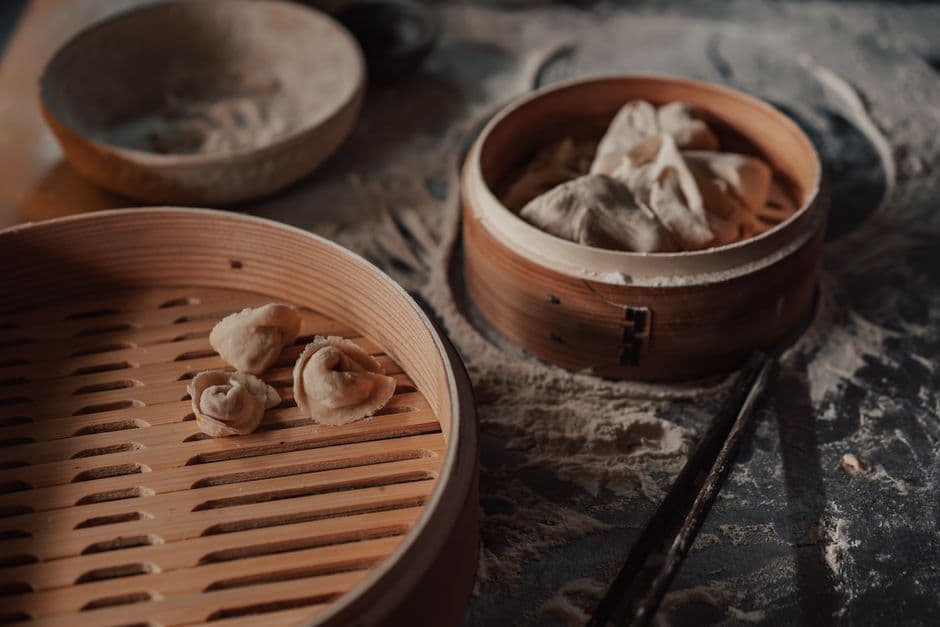
Empanadillas al vapor de tamaño generoso rellenas de cordero especiado, cebolla y calabaza, servidas con crema agria y salsa de hierbas: el plato real de la cocina centroasiática.

Un guiso uzbeko sin remover de cordero, papa, zanahoria, cebolla y hierbas en capas, sellado herméticamente y cocinado lentamente en su propio vapor: engañosamente sencillo y profundamente sabroso.
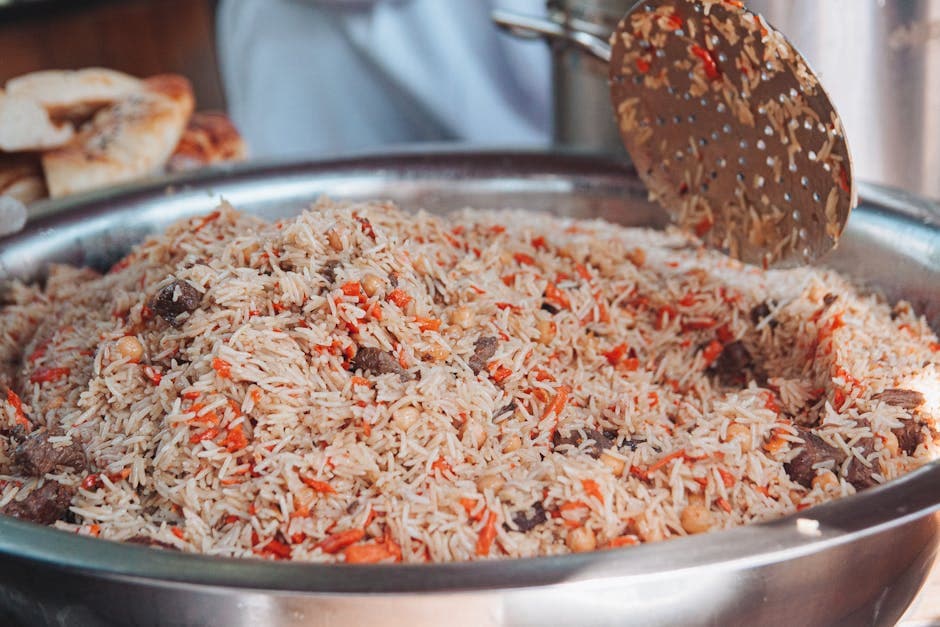
El antiguo plato de arroz de Samarcanda: cordero y arroz cocinados en un kazan con los característicos granos secos y sueltos del plov uzbeko, fragante con comino y coronado con ajo entero y membrillo.
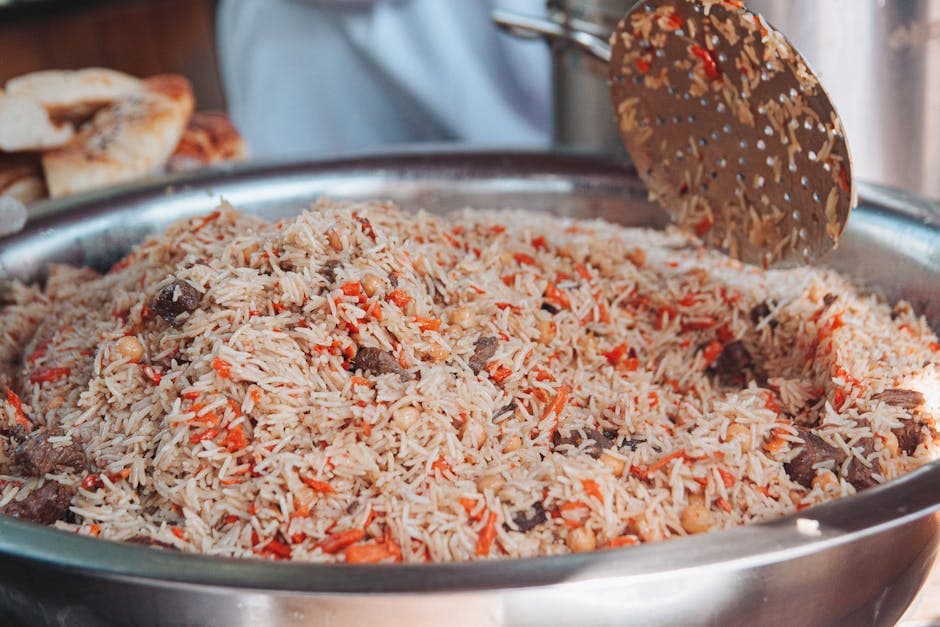
Empanadas uzbekas de cordero al horno del tandoor: empanadas triangulares hojaldradas rellenas de cordero especiado y cebolla, horneadas en un horno de barro hasta que el exterior se quiebra y el interior chisporrotea.
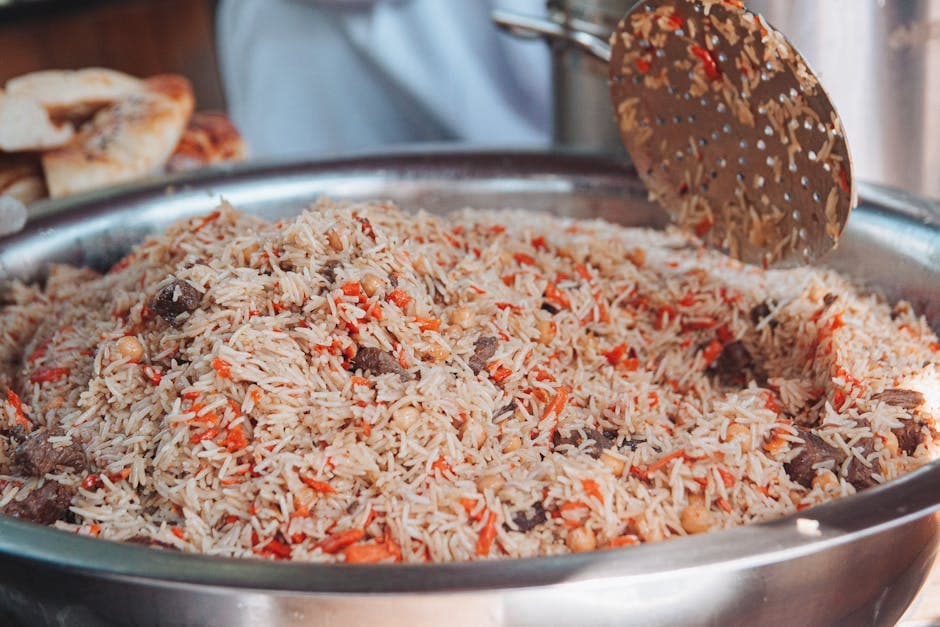
El plato de fideos nómada de Uzbekistán: fideos cortados a mano servidos con carne de caballo o cordero hervida en un caldo claro y aromático, adornado con cebollas fritas doradas.

La gran sopa de cordero y verdura de Asia Central — rica, aromática y profundamente nutritiva.

Pequeños dumplings uzbekos rellenos de cordero y cebolla, servidos en caldo claro o yogur — la comida reconfortante de Asia Central.

Sopa de arroz uzbeka con cordero tierno, tomates y garbanzos — un primo más ligero y caldo de plov.

Halva de sémola rico y mantecoso uzbeko fragante con mantequilla y vainilla — un dulce de celebración sin igual.

Guiso uzbeko en capas de cordero, verduras y hierbas cocido completamente sellado — sin líquido añadido, solo vapor natural.
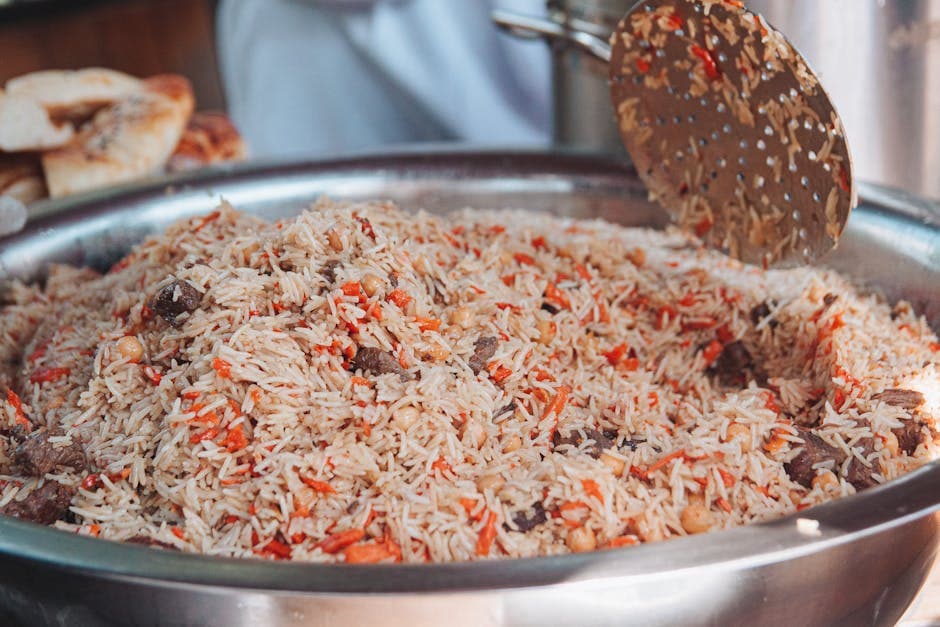
El mejor plato de arroz de Asia Central: cordero, zanahoria y cebolla cocinados juntos en un gran kazán de hierro fundido, luego cubierto con arroz y cocido al vapor en los jugos de la carne. El plato nacional de Uzbekistán, que se come en todas las celebraciones.
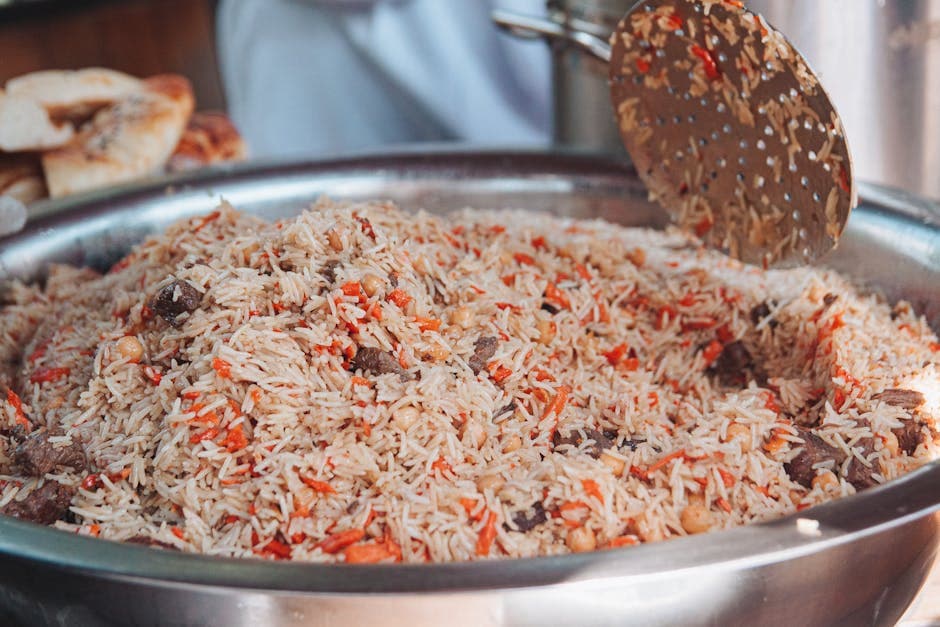
Suculenta sopa uzbeka de cordero y verduras: un caldo cocinado a fuego lento con verduras enteras y tierno cordero con hueso.

Hojaldres horneados rellenos de cordero especiado y cebolla: la respuesta de Asia Central a la samosa.
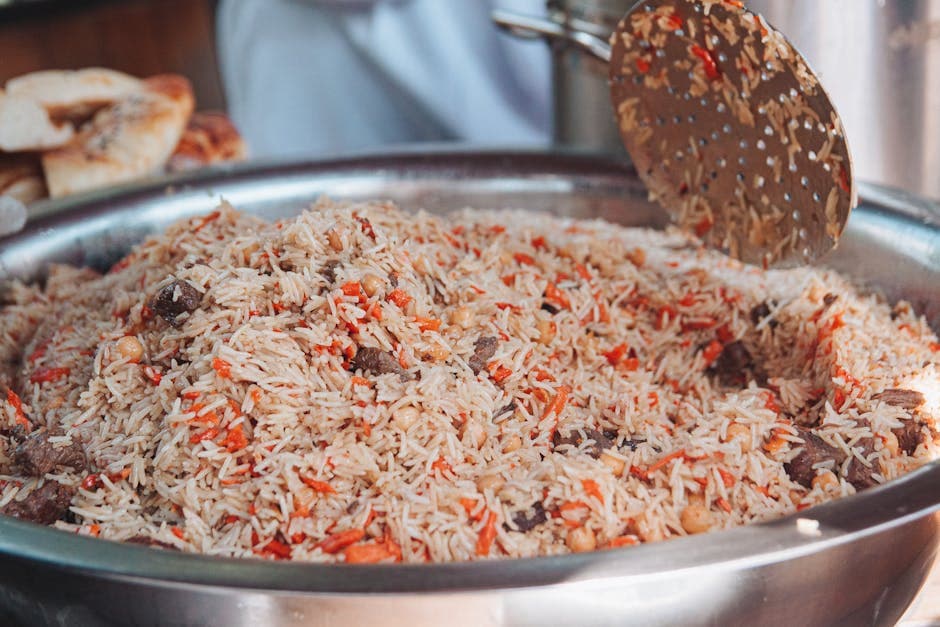
Cazuela uzbeka en capas de carne y verduras cocida al vapor en su propio jugo: un sencillo festín en una sola olla.

Dumplings al vapor rellenos de cordero especiado y cebolla — la respuesta uzbeka a los dim sum chinos, comidos en cada celebración.
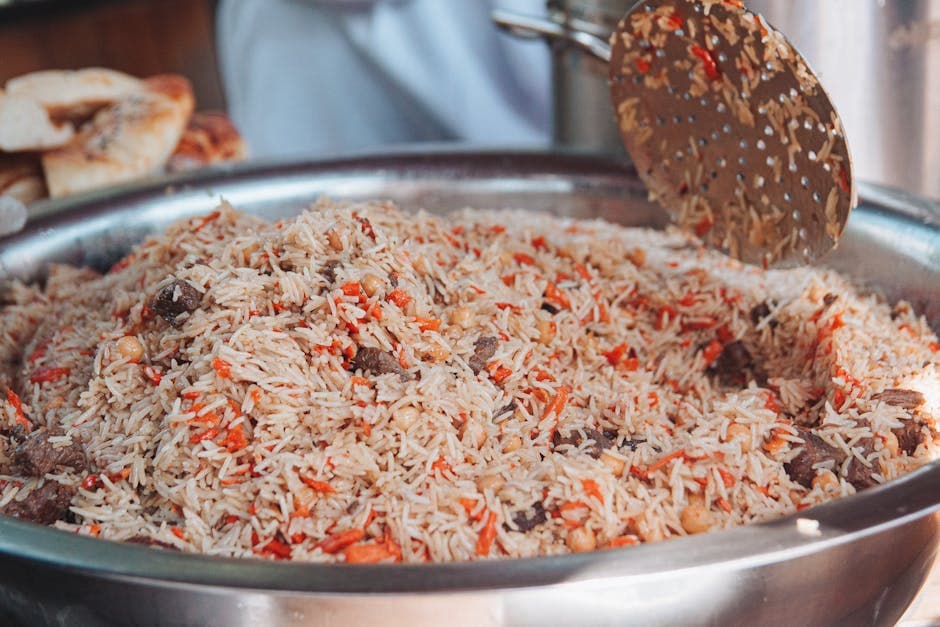
Fideos cortados a mano uzbekos con carne de caballo y caldo — un plato celebratorio que se sirve en bodas y Navruz.
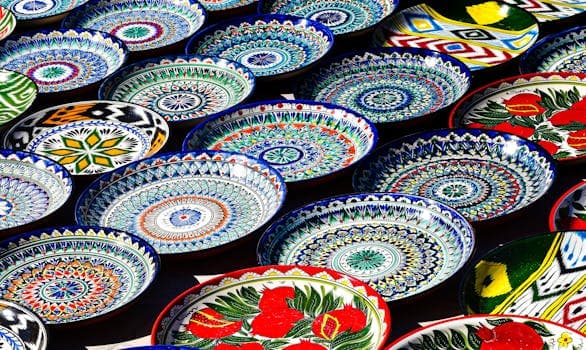
La sustanciosa sopa de fideos estirados de Uzbekistán — fideos de trigo estirados a mano en un caldo rico de cordero y verduras con comino y pimiento dulce.
El plato de arroz nacional de Uzbekistán: cordero, zanahorias y arroz cocidos a fuego lento en un solo kazán hasta que cada grano brilla con grasa dorada.
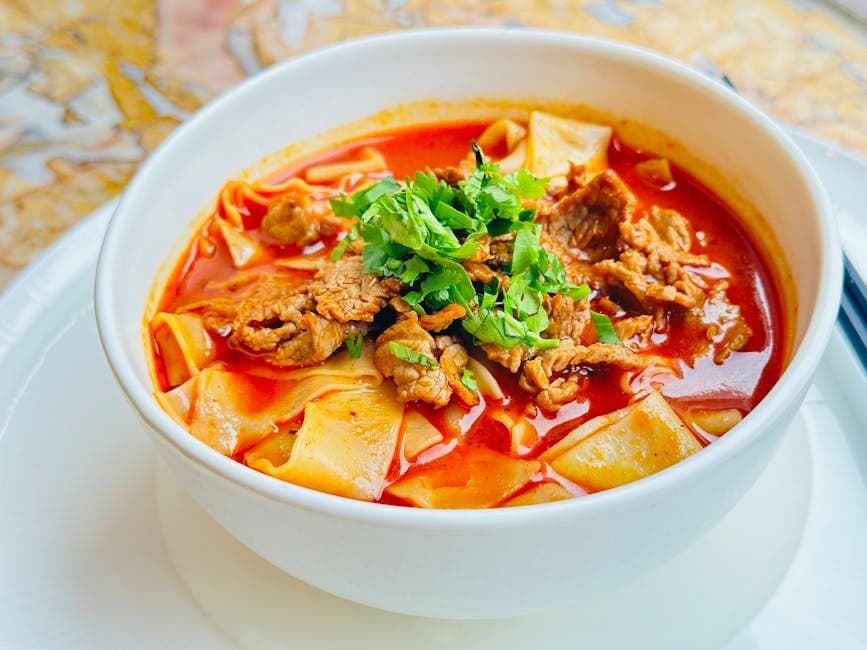
Fideos de trigo desmenuzados a mano de Uzbekistán en un guiso de sopa de cordero y verduras profundamente condimentado: el plato de fideos más emblemático de la Ruta de la Seda.
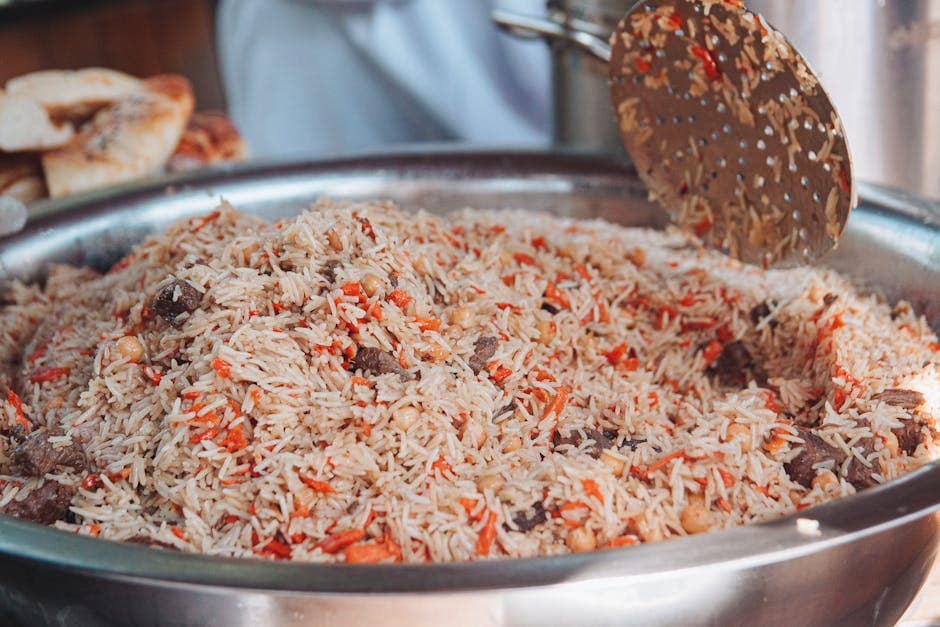
El plato nacional de Uzbekistán: cordero, zanahorias, comino y arroz cocinados en un solo caldero profundo hasta que cada grano brilla con grasa especiada y la carne se deshace.
El tazón de arroz con hierbas y limón del mercado uzbeko aporta el sabor uzbeko a un práctico tazón de arroz elaborado con muslos de pollo, comino, zanahorias, cordero y cebolla, y un acabado de eneldo fresco.
La sopa de tomate ahumado Uzbek Village aporta sabor uzbeko a una sopa práctica preparada con champiñones, comino, zanahorias, cordero y cebolla, y un acabado de eneldo fresco.
La sartén Uzbek Garden Sesame Lime Skillet aporta sabor uzbeko a una práctica cena en sartén preparada con coliflor, comino, zanahorias, cordero y cebolla, y un acabado de eneldo fresco.
Los fideos con pimiento carbonizado del puerto de Uzbekistán aportan el sabor uzbeko a un práctico plato de fideos elaborado con fideos de arroz, comino, zanahorias, cordero y cebolla, y un acabado de eneldo fresco.
La ensalada de hierbas verdes de montaña uzbeka aporta el sabor uzbeko a una práctica ensalada preparada con pollo asado, comino, zanahorias, cordero y cebolla, y un acabado de eneldo fresco.
El pan plano con hierbas y limón del festival uzbeko aporta sabor uzbeko a un práctico pan plano elaborado con masa de pan plano, comino, zanahorias, cordero y cebolla, y un acabado de eneldo fresco.
El horneado en bandeja de tomate ahumado estilo casero uzbeko aporta sabor uzbeko a un práctico horneado en bandeja elaborado con batatas, comino, zanahorias, cordero y cebollas, y un acabado de eneldo fresco.
Los buñuelos de lima y sésamo de Uzbek Street aportan el sabor uzbeko a unos prácticos buñuelos elaborados con pescado salado, comino, zanahorias, cordero y cebolla, y un acabado de eneldo fresco.
El plato de desayuno uzbeko con pimiento dorado carbonizado aporta sabor uzbeko a un práctico plato de desayuno elaborado con frijoles, comino, zanahorias, cordero y cebollas, y un acabado de eneldo fresco.
El postre de hierbas verdes Uzbek Weeknight aporta sabor uzbeko a un postre práctico elaborado con coco, comino, zanahorias, cordero y cebolla, y un acabado de eneldo fresco.
Arroz cocinado en una sola olla sobre zanahorias caramelizadas y cordero dorado, sazonado con comino, un plato considerado el tesoro nacional de Uzbekistán.
Triángulos de hojaldre en capas, rellenos de cordero molido especiado y cebolla, horneados en un horno estilo tandoor hasta que estén profundamente dorados.
Grandes bolas de masa al vapor rellenas de cordero molido graso, cebolla y calabaza, servidas con una cucharada de yogur y mantequilla.
Un caldo de cordero claro y abundante cocinado a fuego lento con trozos de verduras como patatas, zanahorias y pimientos, un reconfortante alimento básico de Asia Central.
Un pan plano redondo y masticable con un centro decorativo estampado y bordes inflados y ampollados, horneado tradicionalmente pegado a las paredes de un tandoor caliente.
Fideos finos cortados a mano mezclados con carne hervida en rodajas finas y cebolla, un plato frío distintivo que se sirve tradicionalmente en las celebraciones uzbecas.
Pequeñas bolas de masa rellenas de carne molida sazonada, hervidas en un caldo claro y servidas con una cucharada de crema agria y eneldo fresco.
Cordero, patatas, zanahorias y repollo en capas en una olla pesada y cocinados en su propio jugo sin agua añadida, lo que da como resultado sabores profundamente concentrados.
Un dulce denso y esponjoso elaborado con harina tostada unida con un almíbar caliente de azúcar y mantequilla, salpicado de nueces, un dulce tradicional uzbeko.
Trozos de cordero y patatas fritos a fuego lento juntos en un caldero pesado hasta que estén bien dorados y tiernos, un abundante favorito rústico uzbeko.
Tomates y cebollas en rodajas finas mezclados con hierbas frescas y un aderezo ligero, una contraparte simple y refrescante de los ricos platos principales uzbekos.
Cordero en cubos frito con cebolla, patatas y pimientos morrones hasta que esté bien dorado, una cena rústica y abundante en una sartén uzbeka.
Bolsitas de masa fina rellenas con una mezcla de huevo crudo y mantequilla, fritas hasta que estén crujientes, lo que da como resultado un interior suave y cremoso.
Una abundante sopa de arroz, verduras y carne teñida de tomate, similar a una prima más ligera y espesa del plov.
Pequeños trozos de masa frita cubiertos con almíbar de miel tibio y prensados hasta obtener una forma festiva, pegajosa y amontonada, un dulce muy apreciado en Asia Central.
Hojaldres horneados rellenos con una mezcla verde vibrante de hierbas frescas y cebolla, un primo vegetariano más ligero del samsa de carne.
Un pollo entero marinado en yogur y especias, asado tradicionalmente en un horno tandoor hasta que la piel se vuelve profundamente dorada y crujiente.
Arroz cocinado con hígado finamente picado y una generosa cantidad de hierbas frescas, lo que le da al plato un distintivo verde intenso, una especialidad judía-uzbeka de Bujará.
Arroz cocido a fuego lento en una pesada olla kazán con cordero, cebolla dorada, montañas de zanahorias y pasas, el plato nacional icónico de Uzbekistán, el plov.
Cálido, horneado en tandoor, sin pan desmenuzado y relleno de espesa crema kaymak, un sencillo y querido sándwich de desayuno uzbeko que se disfruta con té caliente.
Albóndigas de cordero hechas a mano cocidas a fuego lento en un caldo de tomate picante, un plato uzbeko casero que recuerda los sabores del querido guiso dimlama del país.
Los frijoles mungo y el arroz se cocinan a fuego lento hasta formar una papilla suave y sabrosa con cebolla frita y comino, un reconfortante plato uzbeko que se come tradicionalmente durante una enfermedad o en ayunas.
Bolsitas de masa fina rellenas con huevos revueltos, hierbas y un toque de queso, dobladas y fritas hasta que estén crujientes, un sabroso bocadillo uzbeko.
Un pudín naturalmente dulce, cocinado a fuego lento y elaborado enteramente con trigo germinado, que la comunidad cocina tradicionalmente durante la noche para celebrar Navruz.
Carpa entera rellena de cebolla y eneldo, untada con comino y horneada hasta que esté tierna, una abundante preparación uzbeka para el pescado de agua dulce que se encuentra en los ríos y lagos del país.
Triángulos de hojaldre en capas, rellenos de cordero molido especiado y cebolla, horneados en un horno estilo tandoor hasta que estén profundamente dorados, el querido somsa de Uzbekistán.
Tomate y cebolla en rodajas finas, mezclados con hierbas frescas y un toque de vinagre, la sencilla y omnipresente ensalada uzbeka que se sirve junto con plov y carnes a la parrilla.
Pequeñas bolas de masa rellenas de carne cocidas a fuego lento en un caldo claro y sazonado, la amada sopa chuchvara de Uzbekistán, a menudo servida con una cucharada de yogur o vinagre.
Un pollo entero asado con un aderezo de comino y bañado en un picante glaseado de tomate, aportando los sabores característicos del plov a un sencillo asado familiar.
Capas de carne, papa, zanahoria, repollo y tomate se cocinan a fuego lento sin agregar líquido hasta que estén tiernas y derretidas, el querido guiso uzbeko conocido como dimlama.
Pequeños trozos de masa frita cubiertos con almíbar de miel tibio y prensados con semillas de sésamo, el dulce chak-chak uzbeko y centroasiático de celebración.
Esponjosos panqueques al estilo uzbeko elaborados con leche fermentada horneada, pimienta negra y un toque de miel, fritos hasta que estén dorados.
Un fragante plato de arroz al estilo uzbeko con pimentón dulce, zanahorias caramelizadas y comino, que recuerda los sabores del clásico plov.
Un fragante plato de arroz con camarones de inspiración uzbeka, terminado con una refrescante salsa de yogur con hierbas (estilo katyk) como acompañamiento.
Un reconfortante cuenco uzbeko estilo gachas de arroz y frijoles mungo, sazonado con comino, pimienta negra y cebolla caramelizada.
Pimientos morrones al estilo uzbeko rellenos de arroz especiado y cordero, cocidos a fuego lento en un caldo de tomate y pimentón ligeramente dulce.
Una cazuela de arroz horneada de inspiración uzbeka en capas, carne de res sazonada y salsa de yogur con hierbas y ajo, horneada hasta que burbujee.
Una jugosa hamburguesa de ternera con especias uzbekas, sazonada con comino, pimienta negra y cebolla, servida estilo hamburguesa con salsa de yogur con ajo.
Un postre denso y masticable inspirado en el caramelo de nuez sujukh de Asia Central, presentado en una hogaza estilo pudín con miel y nueces.
Un plato festivo de plov uzbeko con cordero tierno, cebollas caramelizadas, arroz teñido de azafrán y frutos secos.
La cocina uzbeka creció a lo largo de la Ruta de la Seda, alimentando a las caravanas en Samarcanda, Bukhara y el valle de Fergana, y su pieza central es el plov (osh), arroz cocinado en un kazán de hierro fundido con cordero, zanahorias amarillas, cebollas, comino y cabezas de ajo enteras, en capas y nunca revueltas. Plov está tan codificado que cada ciudad reclama su propio canon, los maestros cocineros llamados oshpaz lo preparan para bodas en lotes de cientos de personas y la UNESCO lo incluye como patrimonio cultural.
Más allá del plov, el repertorio se centra en la grasa de cordero (dumba, de oveja de cola gorda), los fideos hechos a mano y los hornos tandyr. Los fideos Lagman llegaron con los cocineros dungan y uigures y se convirtieron en un alimento básico nacional en forma de sopa o frito (kovurma); samsa (hojuelas de cordero y cebolla) horneadas pegadas a las paredes de tandyr como el sabroso primo del naan indio; Los manti, grandes bolas de masa hervida al vapor hechas de cordero y cebolla picados a mano, se comen con yogur suzma.
La cocina casera es estacional y respetuosa con el pan: el non, el pan tandyr redondo estampado, nunca se coloca boca abajo ni se corta con un cuchillo, sólo se desgarra. Las comidas comienzan con chai, melón y ensaladas como achichuk (tomate, cebolla, chile), y el kazán hace la mayor parte del trabajo: la misma olla hace plov, shurpa (sopa de cordero y verduras) y dimlama, el estofado al vapor en capas de carne y verduras de finales del verano.
Plov (osh)
Arroz con capas de cordero, zanahorias amarillas, comino y ajo entero en un kazán; cada región (Samarcanda, Tashkent, Fergana) tiene su propia versión canónica.
el kazán
Un pesado caldero de hierro fundido que se utiliza para plov, shurpa y dimlama; su retención de calor define la técnica uzbeka de capas y cocción al vapor.
Panes tandyr y samsa
Panes sin molde estampados y hojaldres de samsa de cordero y cebolla horneados pegados a las paredes de un horno tandyr de barro.
Fideos y dumplings hechos a mano
Lagman sacó fideos en sopa o fritos, además de manti al vapor y pequeñas albóndigas de chuchvara hervidas.
Grasa de cordero y tonta
Las ovejas de cola gruesa proporcionan la carne y la grasa de la cola extraída que aporta sabor al plov, samsa y kebabs (shashlik).
Cultura del té y el melón.
El té verde servido en tazones de piala y los famosos melones dulces uzbekos enmarcan cada comida de principio a fin.
La cocina uzbeka es conocida por el plov (arroz cocinado con cordero, zanahorias amarillas y comino en un kazán de hierro fundido), junto con los fideos lagman hechos a mano, las albóndigas manti al vapor, los pasteles samsa y sin pan horneados en tandyr y los pinchitos. Es la cultura gastronómica más famosa de Asia Central, moldeada por el comercio de la Ruta de la Seda a través de Samarcanda y Bukhara.
El plov uzbeko se prepara en estrictas capas sin revolver en un kazán: grasa de cordero extraída, luego carne, cebollas y una gruesa capa de zanahorias amarillas cortadas en juliana, con arroz y agua encima. Se sazonan cabezas de ajo enteras y comino, y nunca se mezcla hasta el momento de servir. El polo persa enfatiza la crujiente corteza de tahdig y las hierbas; El pulao y el biryani indios utilizan muchas más especias y arroz basmati.
No. La cocina uzbeka es más sabrosa y rica que picante, y está condimentada principalmente con comino (zira), pimienta negra, semillas de cilantro y agracejo. El chile fresco aparece en la ensalada achichuk y lagman puede tomar un condimento de chile y ajo (laza), lo que refleja la influencia uigur, pero el picante siempre es opcional. La riqueza proviene de la grasa de la cola de cordero y de Dumba, equilibrada con té verde, ensaladas y yogur.
Comience con un plov casero en una olla: dore el cordero o la carne de res en aceite, agregue las cebollas y una capa generosa de palitos de zanahoria, sazone con comino, anide en una cabeza de ajo, luego agregue arroz y agua y cocine al vapor sin tocar. Enseña la técnica de capas centrales. La shurpa, la sopa de cordero y verduras, es aún más sencilla: simplemente se cuece a fuego lento.
Lo esencial es arroz de grano medio (devzira es tradicional; calrose funciona), cordero o ternera, muchas zanahorias y cebollas, semillas enteras de comino, cilantro, pimienta negra y agracejos secos para el plov. Un horno holandés pesado sustituye al kazán. Para un repertorio más amplio, agregue harina para fideos y albóndigas, yogur natural (como suzma) y grasa de cordero o un aceite neutro.
Calculadoras y conversores que acompañan a esta página — sin registro.
Calculadora para escalar recetas
Reduce a la mitad o duplica cada cantidad de esta receta sin hacer cuentas mentales.
Conversor de medidas
Convierte tazas, gramos, onzas y mililitros en ambos sentidos.
Conversor para freidora de aire
Convierte el tiempo y la temperatura del horno a ajustes de freidora de aire.