
Postre
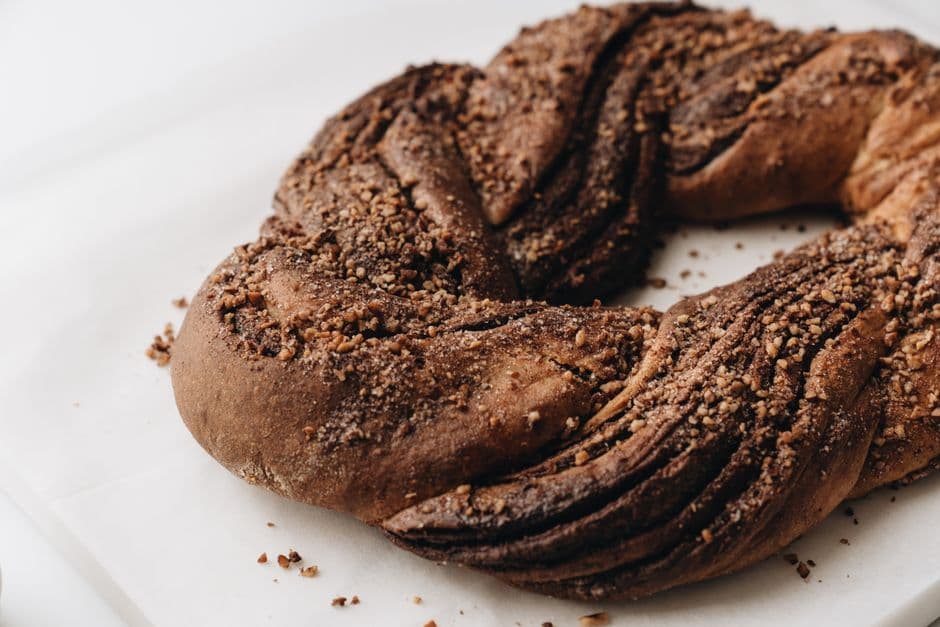
Babka
Pan de levadura butiroso del Este de Europa arremolinado con chocolate y horneado en una hogaza trenzada brillante.
75 min380 kcalDifícil
★4.7(1,791)
Bigos, pierogi, żurek: comida reconfortante y reconfortante de Europa Central.
Más recetas construidas alrededor de los mismos ingredientes principales.
Controla lo que comes
Fotografía tu comida para registrar calorías y macros, usa temporizadores de ayuno y controla tu agua en la app gratuita SnapCal.
Planifica tus comidas, controla tu ayuno y crea tu lista de compras — gratis
El panel de MyCookingCalendar funciona directamente en tu navegador, sin descargas.
Pan de levadura butiroso del Este de Europa arremolinado con chocolate y horneado en una hogaza trenzada brillante.
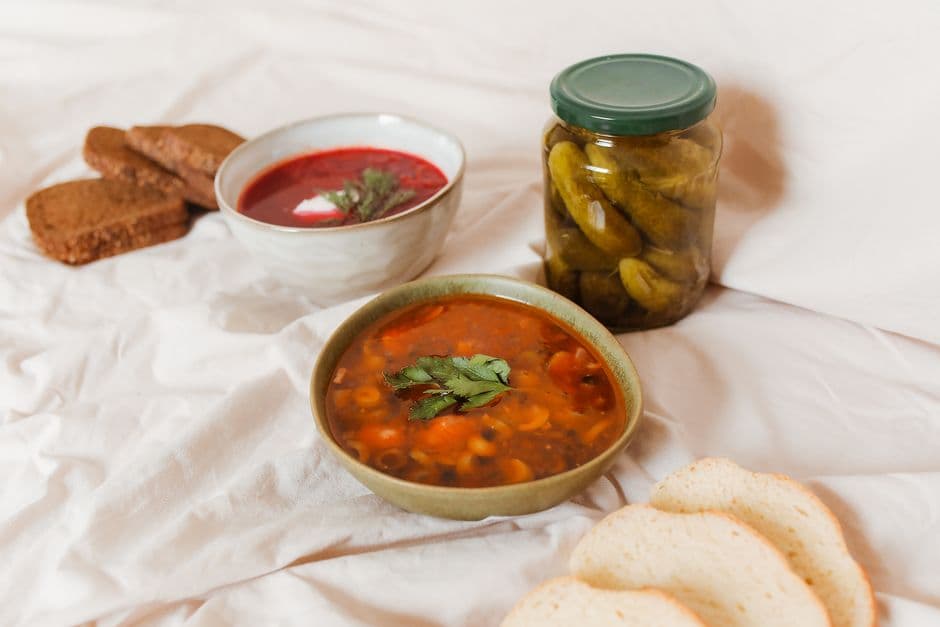
Una sopa espesa, cremosa e intensamente ácida hecha con harina de centeno fermentada, coronada con huevo duro, salchicha blanca y rábano picante — la sopa de Pascua más icónica de Polonia.
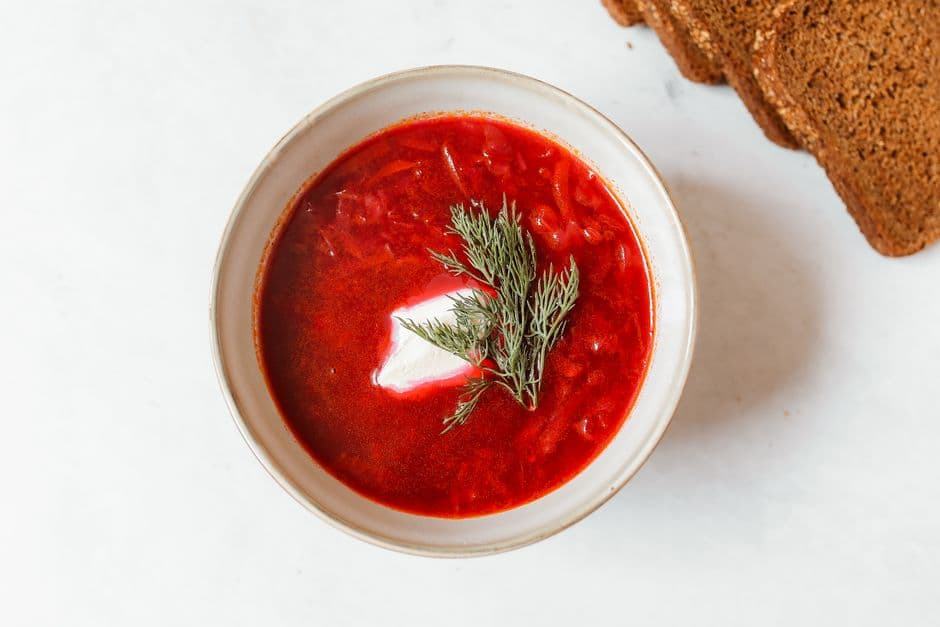
Un consomé de remolacha de un carmesí brillante, intensamente sabroso, con un gusto limpio y agridulce — la sopa de Nochebuena de Polonia, servida con empanadillas de seta.
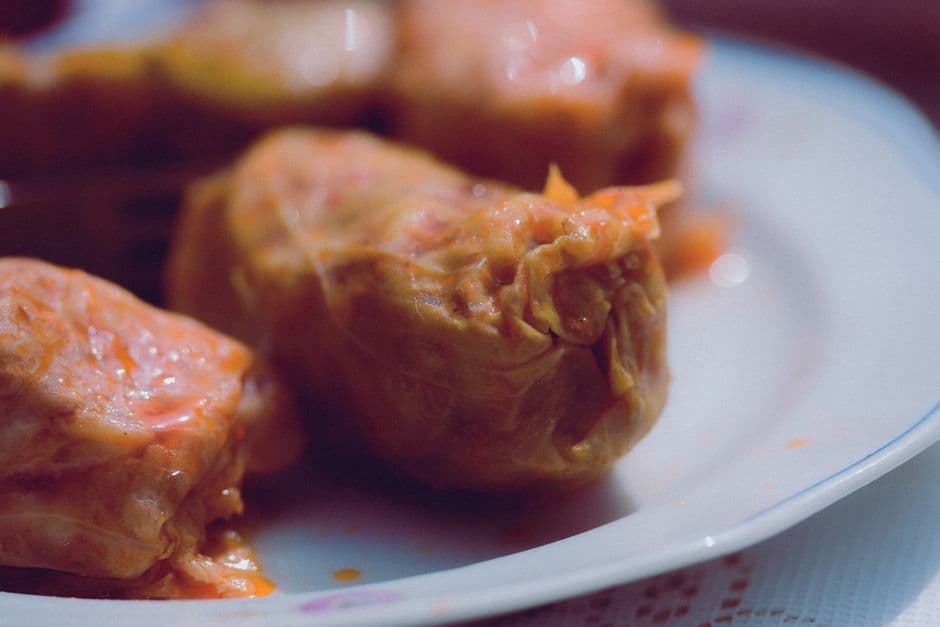
Tiernas hojas de col rellenas de cerdo especiado y arroz, estofadas lentamente en una rica salsa de tomate — el plato reconfortante familiar más querido de Polonia.
La clásica sopa de callos de Polonia: callos de res cocidos a fuego lento en un caldo rico y especiado con pimentón, con verduras y mejorana, un plato sustancioso y reconfortante con siglos de historia.
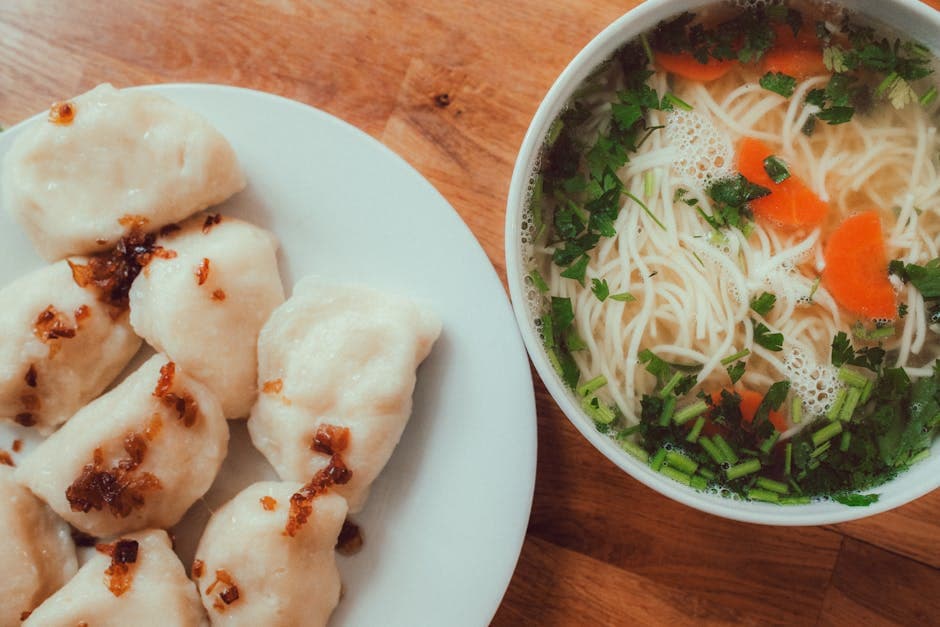
La sopa dorada del domingo polaco — un caldo cristalino y profundamente nutritivo de pollo con fideos delgados.
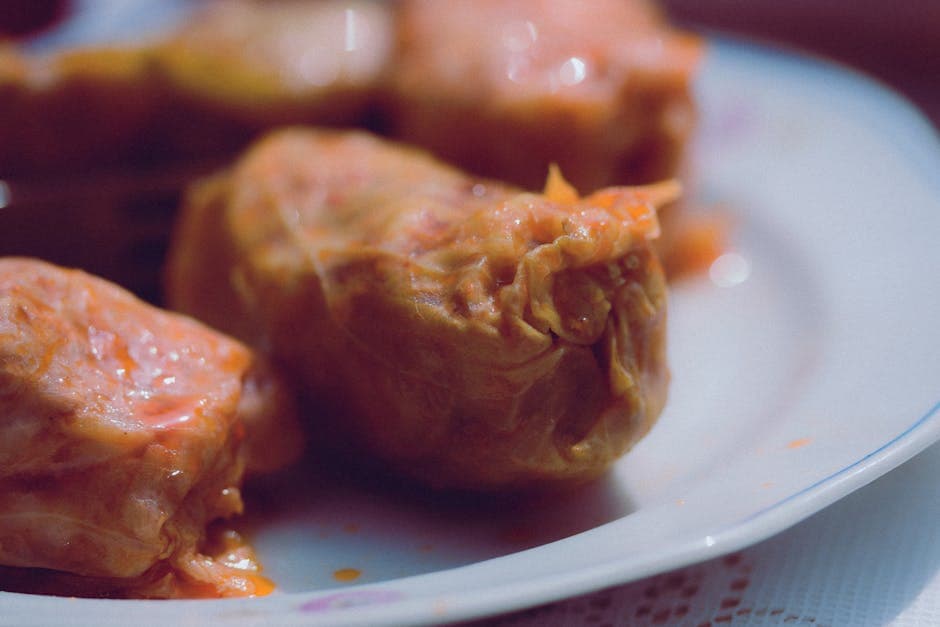
Hojas de repollo tiernas envueltas alrededor de cerdo especiado y arroz, horneadas lentamente en una salsa de tomate rica - comida de confort polaca en su máxima expresión.
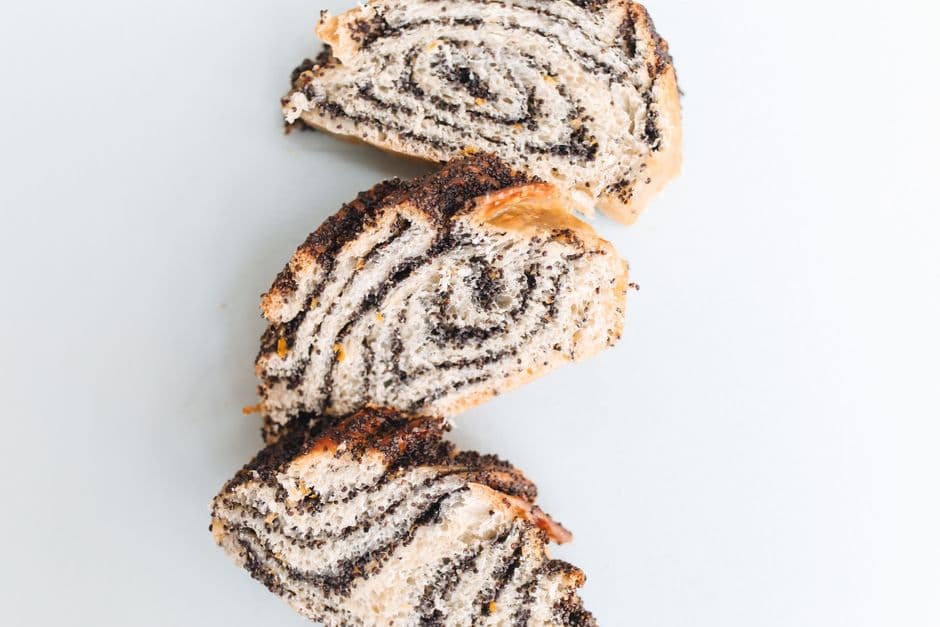
Festivo panecillo polaco con levadura relleno de una rica y dulce pasta de semillas de amapola: la pieza central de las mesas navideñas.

La querida sopa cremosa de tomate con arroz de Polonia: la mejor sopa reconfortante de la infancia polaca entre semana.
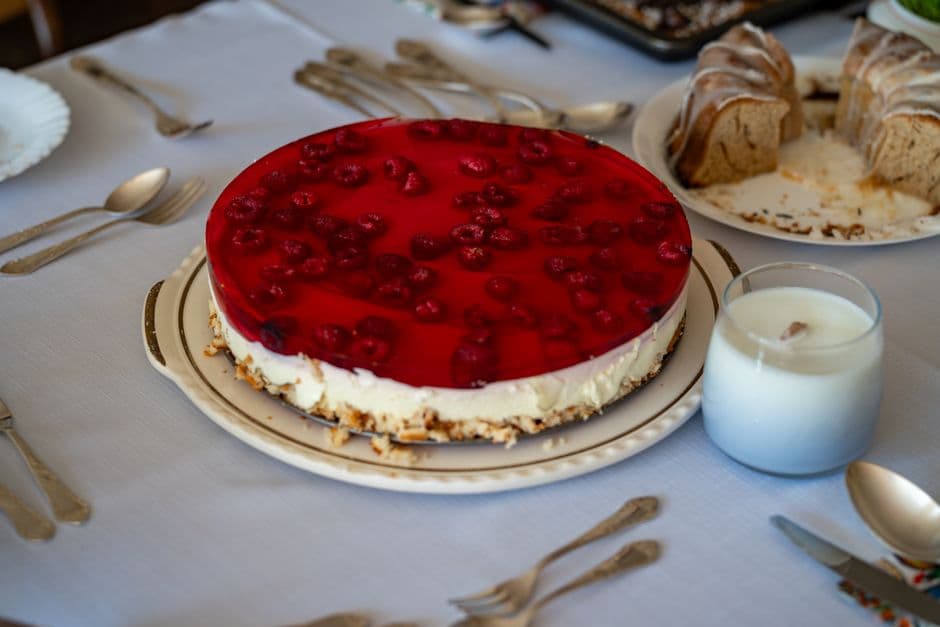
La icónica tarta de queso de Polonia hecha con queso de granjero twaróg: densa, picante y completamente distinta de cualquier otra tarta de queso.
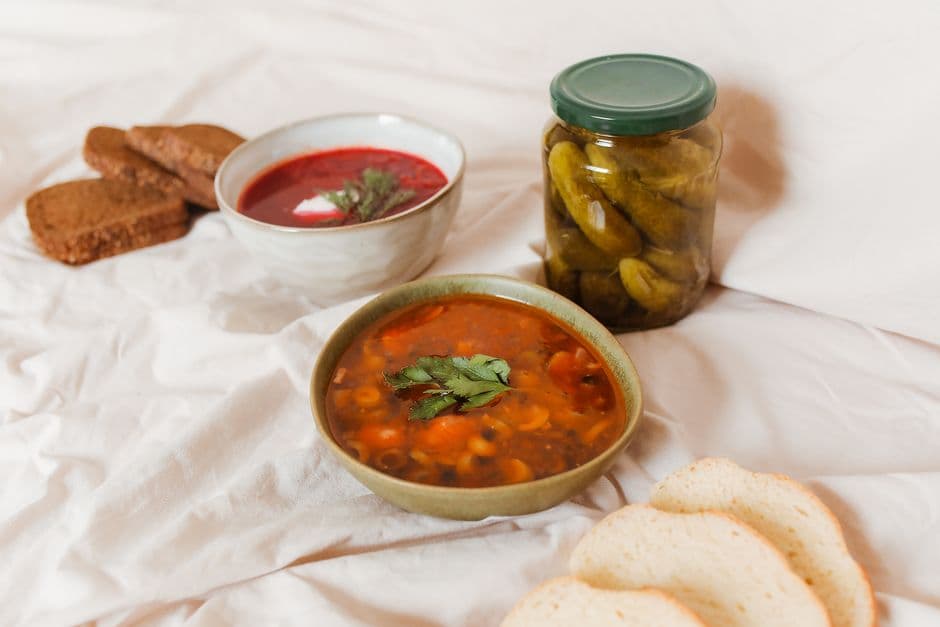
La icónica sopa agria de centeno de Polonia: un caldo singularmente ácido fermentado a partir de harina de centeno, servido con huevo duro, salchicha blanca y rábano picante, el plato central de la Pascua polaca.
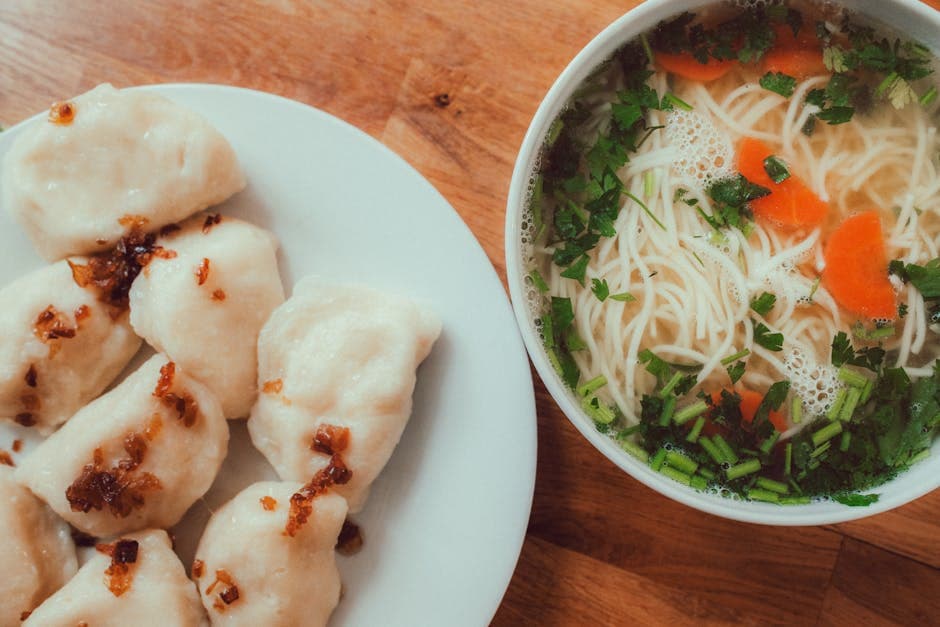
Sopa polaca de remolacha color rubí, vibrante, servida clara o con albóndigas de champiñones uszka: la joya de la Nochebuena polaca.
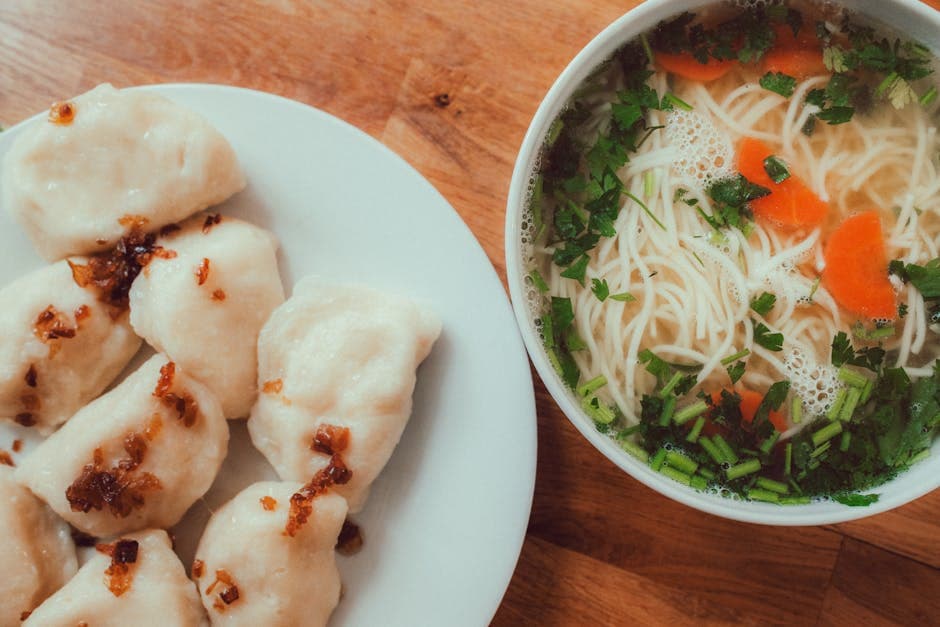
Rollitos de repollo rellenos polacos con cerdo y arroz en una rica salsa de tomate, horneados hasta que estén tiernos y reconfortantes.
Chuleta de cerdo rebozada polaca — La respuesta de Polonia al Wiener Schnitzel, comida en cada cena familiar de domingo.
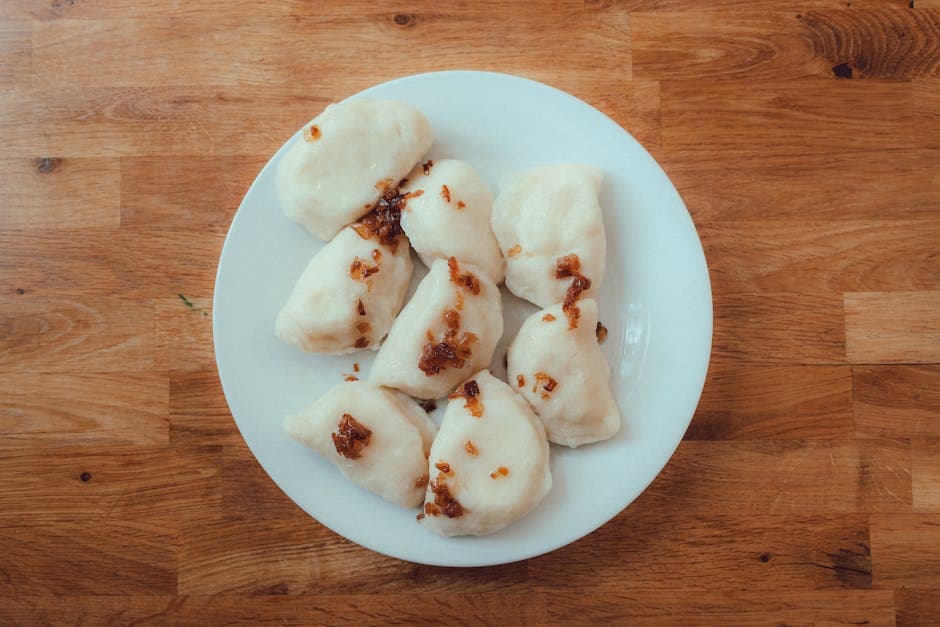
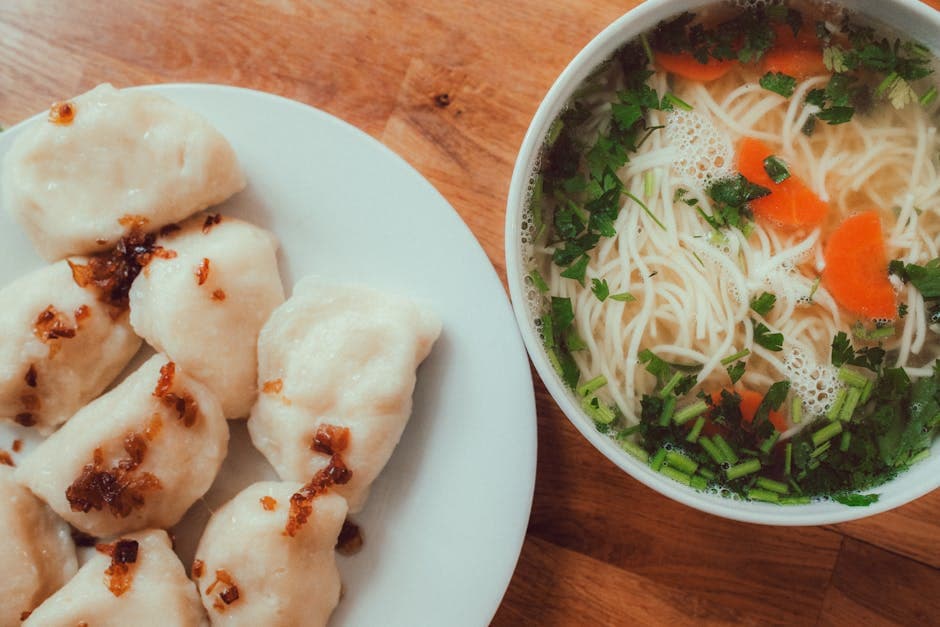
Dumplings polacos rellenos de papa, queso twaróg y cebolla — hervidos, luego fritos en mantequilla.

Albóndigas polacas de Nochebuena rellenas de champiñones silvestres, cebolla y un susurro de mejorana: terrosas, ahumadas y profundamente estacionales.
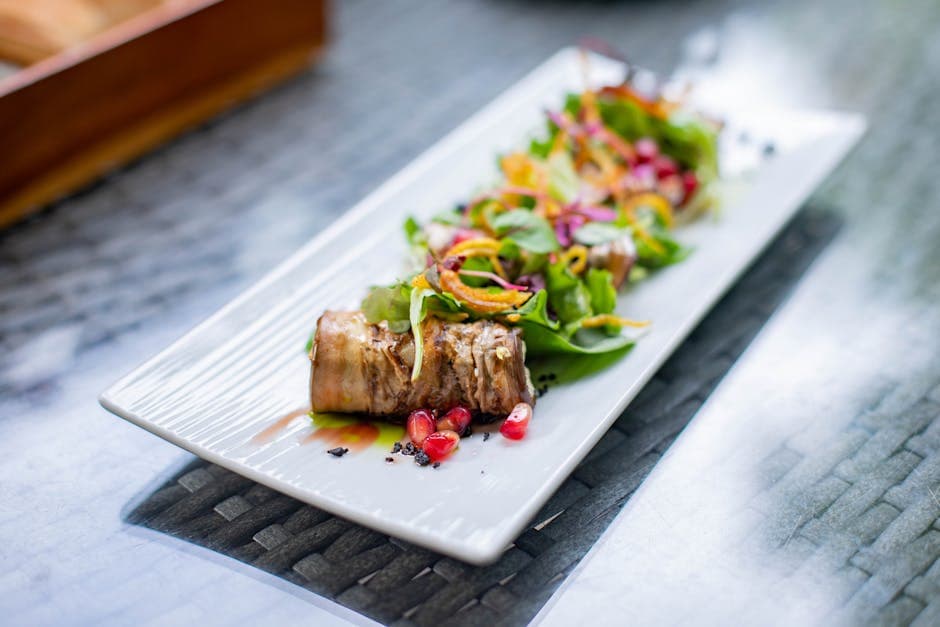
Clásico dominical de Silesia: carne de res finamente machacada enrollada sobre tocino, pepinillos y cebolla, estofada a fuego lento en salsa oscura con col lombarda y albóndigas.

El icónico 'estofado de cazador' de Polonia: chucrut y repollo fresco cocidos lentamente durante horas con cerdo, kielbasa ahumada, champiñones, ciruelas pasas y vino tinto hasta lograr un color caoba profundo.
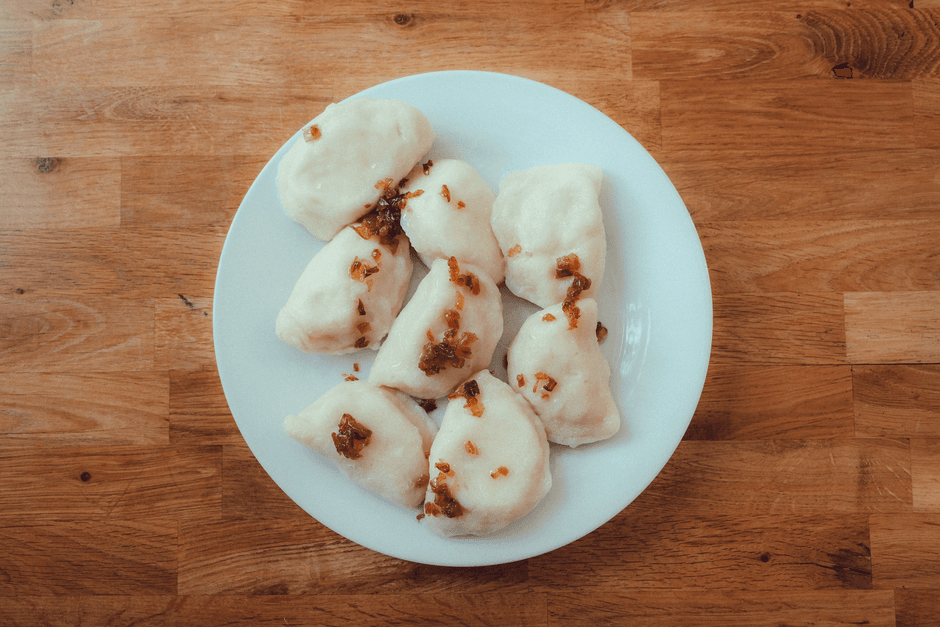
Empanadillas de media luna rellenas de cremoso de papa y queso, servidas con cebolla caramelizada y crema agria.
El tazón de arroz con hierbas y limón de Polish Market aporta sabor polaco a un práctico tazón de arroz elaborado con muslos de pollo, eneldo, crema agria, repollo y champiñones, y un acabado de eneldo fresco.
La sopa de tomate ahumado Polish Village aporta sabor polaco a una sopa práctica preparada con champiñones, eneldo, crema agria, repollo y champiñones, y un acabado de eneldo fresco.
La sartén Polish Garden Sesame Lime Skillet aporta un sabor polaco a una práctica cena en sartén preparada con coliflor, eneldo, crema agria, repollo y champiñones, y un acabado de eneldo fresco.
Los fideos con pimienta carbonizada de Polish Harbor aportan un sabor polaco a un práctico plato de fideos elaborado con fideos de arroz, eneldo, crema agria, repollo y champiñones, y un acabado de eneldo fresco.
La ensalada de hierbas verdes de la montaña polaca aporta un sabor polaco a una ensalada práctica preparada con pollo asado, eneldo, crema agria, repollo y champiñones, y un acabado de eneldo fresco.
El pan plano con hierbas y limón del festival polaco aporta un sabor polaco a un práctico pan plano elaborado con masa de pan plano, eneldo, crema agria, repollo y champiñones, y un acabado de eneldo fresco.
El horneado en bandeja de tomate ahumado estilo casero polaco aporta un sabor polaco a un práctico horneado en bandeja elaborado con batatas, eneldo, crema agria, repollo y champiñones, y un acabado de eneldo fresco.
Los buñuelos de lima y sésamo de Polish Street aportan un sabor polaco a unos prácticos buñuelos elaborados con pescado salado, eneldo, crema agria, repollo y champiñones, y un acabado de eneldo fresco.
El plato de desayuno polaco dorado con pimiento carbonizado aporta un sabor pulido a un práctico plato de desayuno elaborado con frijoles, eneldo, crema agria, repollo y champiñones, y un acabado de eneldo fresco.
El postre polaco de hierbas verdes entre semana aporta un sabor polaco a un postre práctico elaborado con coco, eneldo, crema agria, repollo y champiñones, y un acabado de eneldo fresco.
Una sopa picante, fermentada y agria de centeno, con salchicha ahumada, patatas y un huevo duro, que a menudo se sirve en un bol de pan.
Pepinos en rodajas finas, salados, escurridos y aderezados con una ligera crema agria y salsa de eneldo, un acompañamiento refrescante de verano.
Crujientes tortitas de papa rallada fritas, atadas con huevo y un toque de harina, servidas con crema agria o azúcar.
Hojas tiernas de repollo enrolladas alrededor de carne molida sazonada y arroz, cocidas a fuego lento en una salsa a base de tomate hasta que estén suaves.
Una tarta de queso horneada alta y densa hecha con queso de granjero twaróg, más ligera y menos rica que las versiones al estilo de Nueva York.
Una chuleta de cerdo machacada, empanizada y frita, la respuesta polaca al schnitzel, servida con patatas y repollo cocido.
Un caldo de remolacha claro, de color rojo intenso, agriado con jugo de remolacha fermentado, que se sirve tradicionalmente con albóndigas rellenas de champiñones en Nochebuena.
Una abundante sopa de callos picante cocinada a fuego lento durante horas con tubérculos y mejorana hasta que los callos se vuelven sedosos y tiernos.
Un pan dulce con levadura enrollado alrededor de un relleno denso y oscuro de semillas de amapola, cortado en rodajas para las fiestas.
Albóndigas de patata suaves y esponjosas con forma de pequeñas pezuñas, hervidas y fritas con mantequilla y pan rallado.
Grandes y densas bolas de masa de patata rellenas de carne molida sazonada, hervidas y servidas con mantequilla derretida y tocino crujiente.
Crepes finas enrolladas alrededor de un sabroso relleno de carne y champiñones, empanizadas y fritas hasta que estén doradas y crujientes.
Filetes de arenque curados con sal marinados en una cremosa y picante salsa de crema agria y cebolla, un clásico aperitivo frío.
Rebanadas de morcilla de trigo sarraceno fritas, servidas con manzanas dulces caramelizadas y cebollas fritas.
Un caldo de pollo claro y de intenso sabor cocido a fuego lento con tubérculos, colado y servido sobre finos fideos de huevo.
Delicados pasteles de masa frita en forma de cinta, ligeros y crujientes, espolvoreados con abundante azúcar en polvo para la temporada de Carnaval.
Kielbasa polaca a la parrilla sobre centeno con mostaza, pepinillos y cebolla caramelizada: un abundante sándwich abierto elaborado con la salchicha favorita de Polonia.
Patatas en capas y arenque en escabeche al horno en una salsa cremosa de eneldo: una versión costera polaca del clásico horneado de patatas.
Tiernas albóndigas de cerdo y ternera cocidas a fuego lento en una salsa de cebolla profundamente caramelizada: el klopsiki casero de Polonia, servido sobre kasza o patatas.
Frijoles blancos cocidos a fuego lento con salchicha ahumada y tocino en salsa de tomate y pimentón: el abundante guiso de frijoles polaco, a pesar de que su nombre suena francés.
Una abundante tortilla repleta de kielbasa ahumada cortada en cubitos, patatas y pimienta negra: un abundante desayuno rural polaco.
Mijo tostado cocinado a fuego lento en una papilla cremosa con manzana guisada y un chorrito de miel: un plato tradicional polaco de cereales para el desayuno.
Trucha entera horneada con una generosa mantequilla de hierbas, un guiño a la tradición polaca de pesca de agua dulce y al amor por el eneldo.
Pepinos en rodajas finas mezclados con una ligera crema agria y aderezo de eneldo: la ensalada de verano más sencilla y querida de Polonia, la mizeria.
Un caldo de pollo dorado cocido a fuego lento con finos fideos de huevo y eneldo fresco: la clásica sopa dominical polaca, rosół.
Un pollo entero untado con mejorana y asado sobre cebollas profundamente caramelizadas: un plato central dominical elaborado con la sabrosa hierba característica de Polonia.
Repollo en capas y patatas al horno con semillas de alcaravea y una salsa de crema ligera: un horneado de verduras de granja polaco elaborado a partir de dos productos básicos de la despensa.
Tiras finas y retorcidas de masa fritas hasta que estén crujientes y espolvoreadas con azúcar en polvo: el famoso pastel polaco de la temporada de carnaval, el faworki.
Crujientes tortitas de patata polacas, frescas ralladas y doradas fritas, servidas con una cucharada de crema agria de eneldo.
Granos de trigo sarraceno polaco tostado (kasza gryczana) mezclados con kielbasa dorada, manzana caramelizada y eneldo fresco.
Fideos de huevo al estilo polaco salteados con salmón en salsa de eneldo y crema agria, un plato reconfortante de la costa báltica.
Una abundante sopa polaca de guisantes grochówka, espesa y servida en forma de tazón con kielbasa ahumada y mejorana.
Pimientos rellenos con el clásico relleno polaco de gołąbki, compuesto por carne de cerdo, arroz y mejorana, horneados en salsa de tomate y crema agria.
Coliflor entera hervida horneada bajo una capa de pan rallado dorado con mantequilla, una guarnición polaca sencilla y clásica.
Una hamburguesa polaca de cerdo y ternera estilo kotlet mielony, unida con pan remojado y mejorana, frita en mantequilla y servida en un panecillo.
Kisiel polaco sedoso, un pudín espesado con frutas elaborado con frutos rojos y almidón de patata, servido frío con crema.
Un plato polaco de Nochebuena Wigilia de barras de remolacha rubí transparentes servido junto con pierogi de champiñones sin carne y chucrut.
La cocina polaca fue forjada por inviernos duros, llanuras fértiles y siglos en la encrucijada de Europa. Sus bases son los cereales, la carne de cerdo, el repollo, la remolacha, los champiñones y los lácteos, conservados mediante fermentación, ahumado y encurtido. Los sabores ácidos son una firma nacional: żurek, una sopa agria con entrante de centeno fermentado; barszcz de remolacha fermentada; kapusta kiszona (chucrut) en bigos, el guiso del cazador que combina repollo fresco y agrio con varias carnes y setas del bosque secas, que tradicionalmente mejora con el paso de días de recalentamiento.
Los pierogi son los embajadores globales: bolas de masa en forma de media luna rellenas de papa y queso de granjero (ruskie), chucrut y champiñones, carne o fruta de temporada, hervidas y a menudo fritas en mantequilla con cebolla. A su alrededor se alza un abundante canon: kotlet schabowy, la chuleta de cerdo empanizada de las cenas dominicales; gołąbki, rollitos de col en salsa de tomate; kiełbasa en docenas de formas regionales ahumadas; y placki ziemniaczane, tortitas de patata crujientes. Los hilos culinarios judíos, lituanos, ucranianos y alemanes lo atraviesan todo, lo que refleja la amplitud de la antigua Commonwealth.
El ritmo importa en la comida polaca. Obiad, la comida principal, llega a media tarde y comienza con sopa casi sin excepción: rosół (caldo de pollo dorado con fideos) los domingos, sopa de pepinillos o sopa de tomate entre semana. La Nochebuena (Wigilia) exige doce platos sin carne, entre ellos carpa, barszcz con albóndigas uszka y kutia. La búsqueda de hongos sigue siendo un auténtico pasatiempo nacional, y el eneldo, la mejorana, la pimienta de Jamaica y la crema agria completan los platos de todo el repertorio.
Pierogi
Albóndigas de media luna hervidas con rellenos que van desde ruskie de patata, queso hasta chucrut y champiñones, terminadas en mantequilla y cebolla frita.
sopas primero
Żurek, barszcz, rosół y sopa de pepinillos abren casi todas las cenas polacas; los agentes acidificantes como el centeno fermentado y la remolacha son el sello distintivo de la tradición.
Repollo y fermentación
El chucrut potencia el guiso de cazador de bigos y los rellenos de pierogi, mientras que el repollo fresco envuelve los rollos de gołąbki en salsa de tomate.
Kiełbasa y carnes ahumadas
La cultura de las salchichas de Polonia abarca desde la kiełbasa jałowcowa ahumada con enebro hasta la biała fresca con ajo, a la parrilla, hervida en sopas o al horno con repollo.
Patatas y Lácteos
Las tortitas de patata, las albóndigas de Silesia y el kopytka se combinan con crema agria, queso de granjero twaróg y eneldo en toda la cocina.
Setas del bosque
Los borowiki (porcini) secos profundizan en bigos, barszcz y Christmas uszka: la búsqueda de comida sigue siendo un ritual estacional vivo.
A la cabeza se encuentran las albóndigas pierogi, las salchichas kiełbasa, el estofado de cazador bigos, los rollitos de col gołąbki, el kotlet schabowy (chuleta de cerdo empanizada), la sopa agria de centeno żurek y la sopa de remolacha barszcz. La cocina es abundante y se centra en carne de cerdo, repollo, patatas, champiñones y sabores ácidos fermentados, con crema agria y eneldo como toques finales constantes.
Pierogi y varenyky ucraniano son primos cercanos: ambos dumplings más grandes con rellenos cocidos como papa, queso, repollo o fruta, hervidos y, a menudo, untados con mantequilla. Los pelmeni rusos son más pequeños, de piel más fina y están rellenos de carne cruda sazonada que se cocina dentro de la bola de masa y se sirve con caldo, crema agria o vinagre. El 'ruskie' en pierogi ruskie se refiere a la histórica Rutenia Roja, no a Rusia.
Los platos tradicionales de celebración (bigos, chuletas empanizadas, salchichas) son ricos, pero la comida polaca cotidiana incluye platos mucho más ligeros: caldo rosado claro, ensaladas de pepino y tomate (mizeria, surówki) en cada cena, vegetales fermentados, kéfir y suero de leche, y sopas de frutas de verano. Los alimentos fermentados como el chucrut, el centeno agrio y los encurtidos le dan a la cocina una acidez brillante que reduce la riqueza.
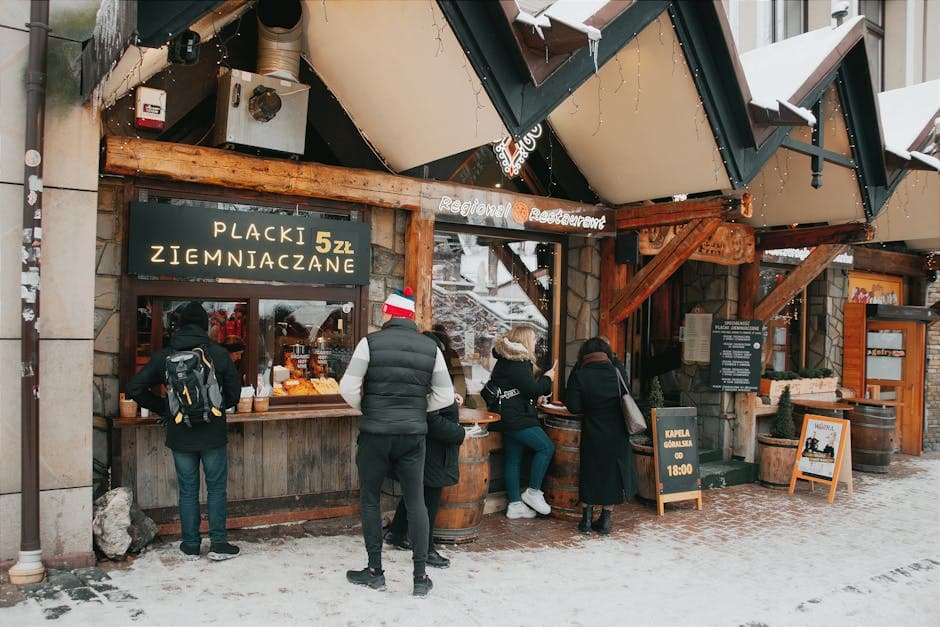
Las tortitas de patata (placki ziemniaczane) son casi infalibles: patatas y cebolla ralladas, huevo, harina, crujientes fritas y servidas con crema agria. Para un proyecto emblemático, haga pierogi ruskie: la masa es solo harina, agua y un poco de grasa, y el relleno de papa, queso y queso es indulgente. Hervir y luego dorar en mantequilla con cebolla.
La Wigilia, la cena de Nochebuena, se prepara tradicionalmente sin carne y consta de doce platos: barzcz de remolacha clara con albóndigas uszka rellenas de champiñones, carpa frita o en gelatina, arenque en aceite o nata, chucrut con champiñones, pierogi, kutia o fideos con semillas de amapola y compota de frutos secos. La comida comienza cuando aparece la primera estrella y comienza compartiendo la oblea opłatek.
Calculadoras y conversores que acompañan a esta página — sin registro.
Calculadora para escalar recetas
Reduce a la mitad o duplica cada cantidad de esta receta sin hacer cuentas mentales.
Conversor de medidas
Convierte tazas, gramos, onzas y mililitros en ambos sentidos.
Conversor para freidora de aire
Convierte el tiempo y la temperatura del horno a ajustes de freidora de aire.