
Nuevocena
Gulash Húngaro
El icónico guiso húngaro de ternera y patata rojo por el pimentón: profundamente sabroso, cálidamente especiado y cocinado a fuego lento hasta que la ternera queda tierna y deshecha.
170 min390 kcalFácil
★4.8(1,956)
Goulash, pollo al pimentón y lángos: atrevida cocina de los Cárpatos condimentada con pimentón.
Más recetas construidas alrededor de los mismos ingredientes principales.
Controla lo que comes
Fotografía tu comida para registrar calorías y macros, usa temporizadores de ayuno y controla tu agua en la app gratuita SnapCal.
Planifica tus comidas, controla tu ayuno y crea tu lista de compras — gratis
El panel de MyCookingCalendar funciona directamente en tu navegador, sin descargas.
15 comidas para congelar y recalentar que de verdad quedan bien
15 guisos, estofados, curris y platos al horno de todo el mundo, bien valorados, que se congelan sin perder textura, más la técnica de porcionado, descongelado y recalentado para que sepan recién hechos.
10 sopas de invierno de todo el mundo
Sopas abundantes para climas fríos en todo el mundo, con los clásicos turcos de çorba (mercimek, tarhana y beyran) a la cabeza.
El icónico guiso húngaro de ternera y patata rojo por el pimentón: profundamente sabroso, cálidamente especiado y cocinado a fuego lento hasta que la ternera queda tierna y deshecha.
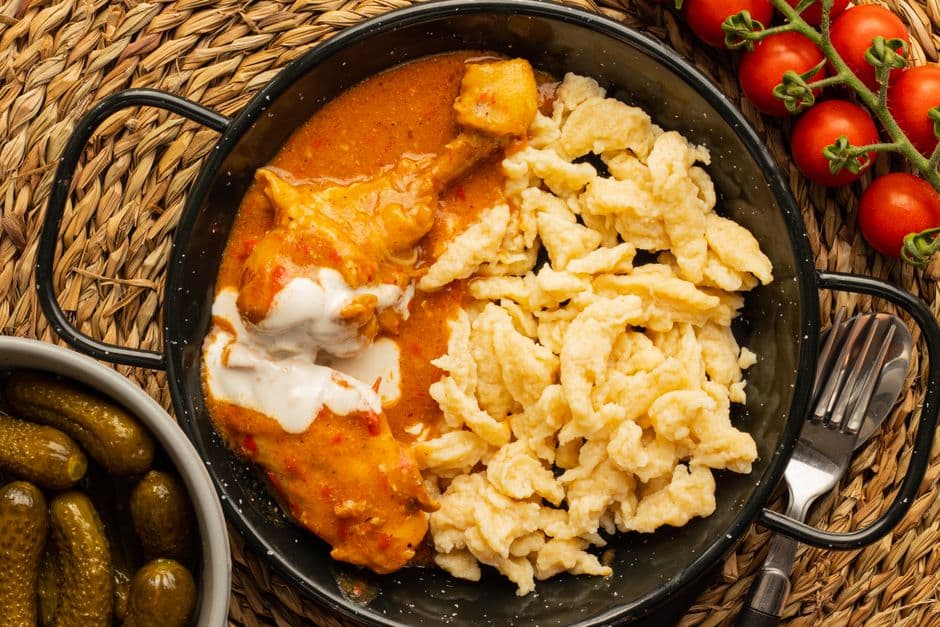
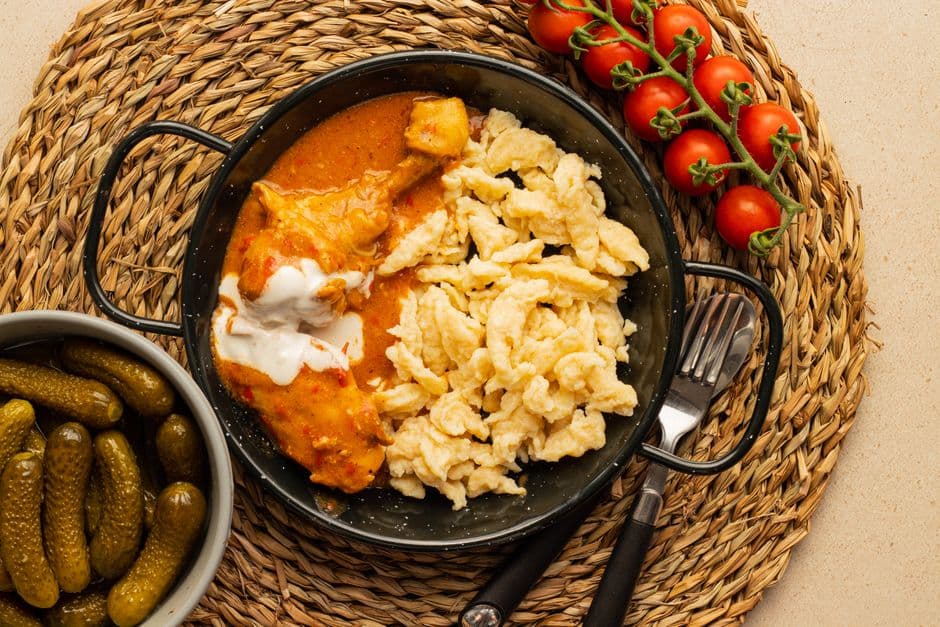
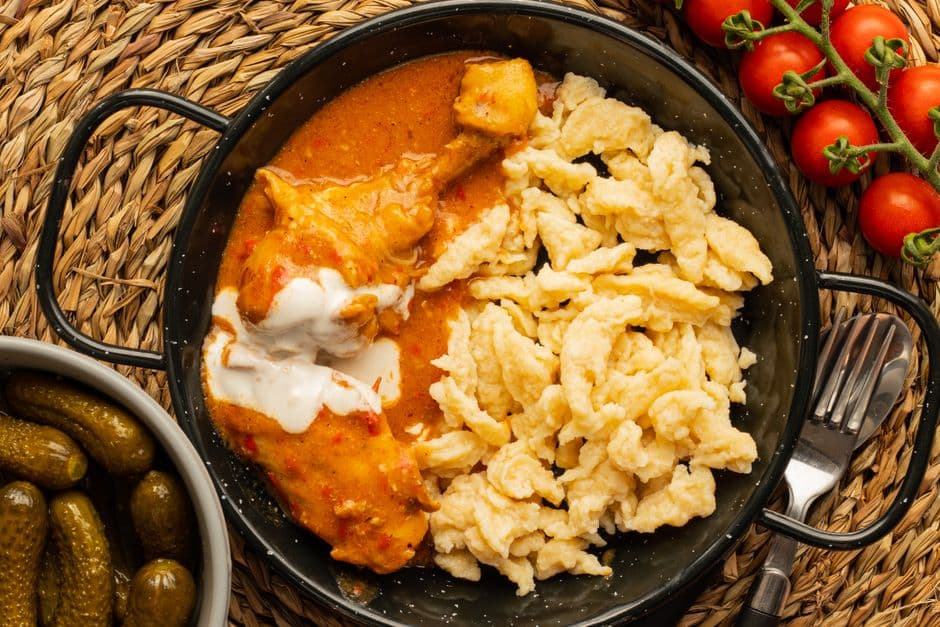
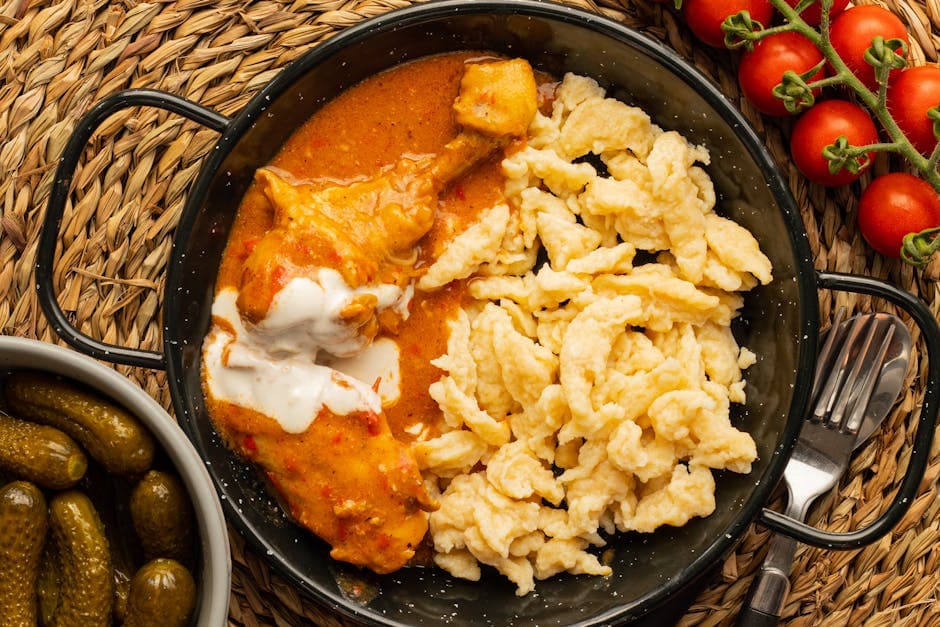
Csirkepaprikás: tiernos contramuslos de pollo estofados en una aterciopelada salsa perfumada de pimentón y terminada con crema agria, servida con fideos de huevo.

El gulyás húngaro auténtico: una sopa clara de ternera y patata rica en pimentón — no el guiso espeso occidental, sino una sopa reconfortante y elegante que es el plato nacional de Hungría.
La comida callejera más querida de Hungría: un gran pan plano leudado, frito hasta quedar dorado y esponjoso, coronado con nata agria y queso rallado.

Rollos de col rellenos de cerdo y arroz, estofados lentamente en chucrut con cerdo ahumado y pimentón — el mejor plato invernal de Hungría y una tradición navideña.
El alma de la cocina húngara: un estofado de res y papa cocinado a fuego lento, de un rojo brillante gracias a generosas cantidades de pimentón dulce húngaro, contundente y profundamente reconfortante.

El plato de pollo más célebre de Hungría: pollo con hueso cocido a fuego lento en una vibrante salsa de pimentón terminada con crema agria, servido con ñoquis de huevo (nokedli).

Rollos de col rellenos húngaros: hojas tiernas de col envueltas alrededor de carne picada de cerdo y arroz, cocidas a fuego lento en un caldo de chucrut y tomate hasta quedar deshaciéndose de tiernas.

Ardiente sopa de pescado húngara del Danubio, de color rojo pimentón: atrevida, rica y profundamente satisfactoria.
El querido strudel húngaro estirado a mano, relleno de guindas y nueces: capas finas como papel de masa crujiente.
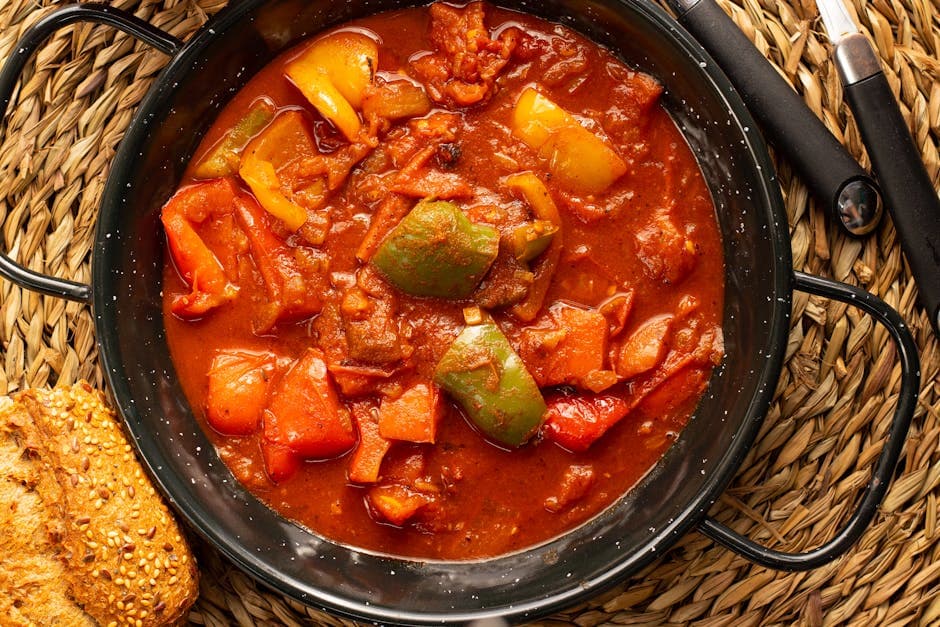
El versátil guiso húngaro de pimientos, tomates y cebolla con pimentón y salchicha, que se come como plato principal o acompañamiento.

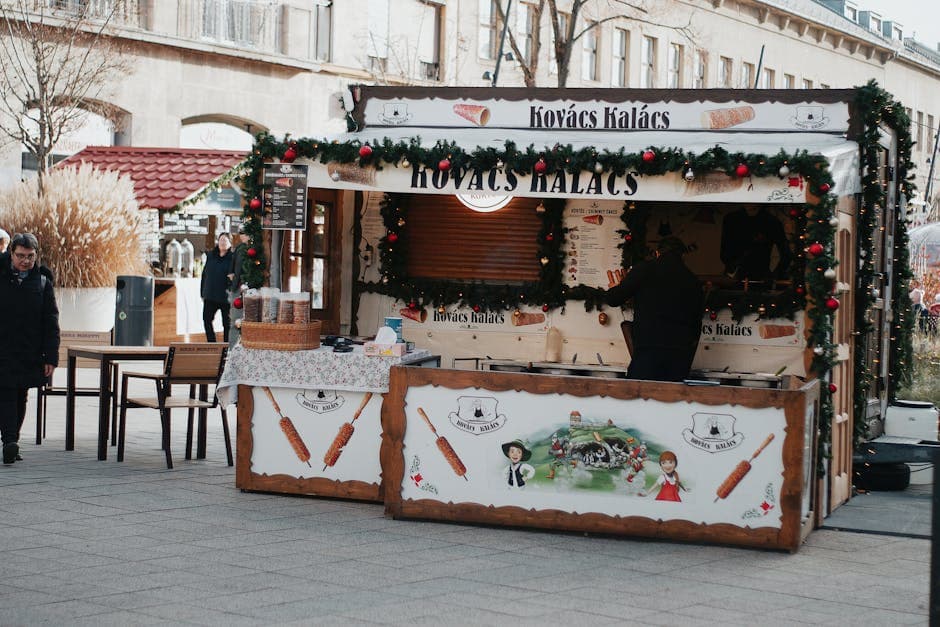
La querida masa dulce asada en forma de cilindro de Hungría recubierta de azúcar caramelizada y nueces.

Pimientos morrones húngaros rellenos de carne de cerdo especiada y arroz, cocidos a fuego lento en una rica salsa de tomate.

El plato nacional de Hungría: un guiso de carne y patatas rico en pimentón con un caldo claro y de sabor intenso que técnicamente es una sopa, no el guiso espeso que se exporta al mundo. La auténtica versión de Budapest.
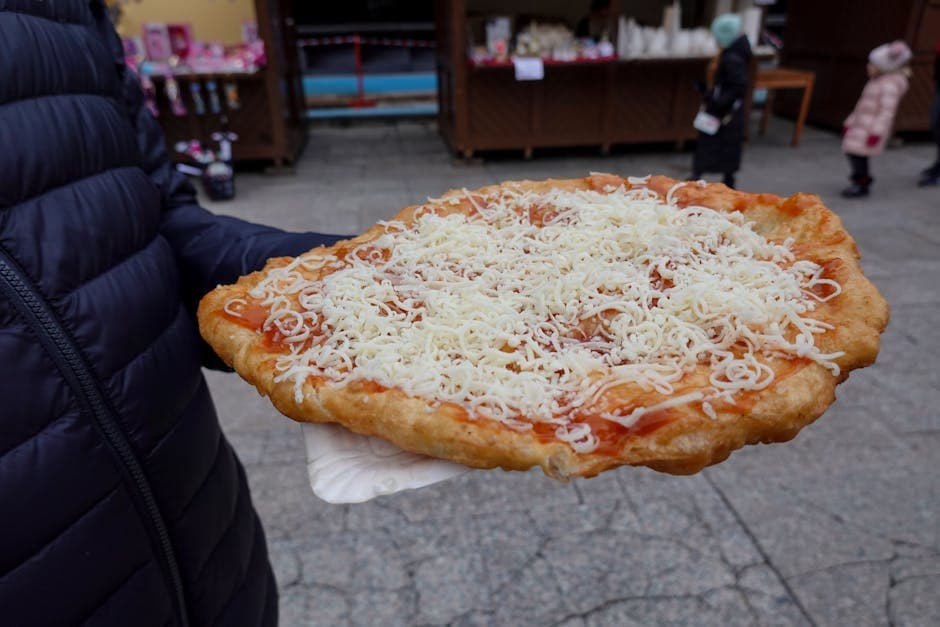
La icónica comida callejera de Hungría: un disco de masa frita coronado con crema agria y queso rallado, crujiente por fuera, aireado por dentro y absolutamente irresistible.

La espectacular tarta de capas de Hungría: finas capas de bizcocho rellenas de crema de mantequilla de chocolate, coronadas con un crujiente de caramelo, un icono de los cafés vieneses del siglo XIX.
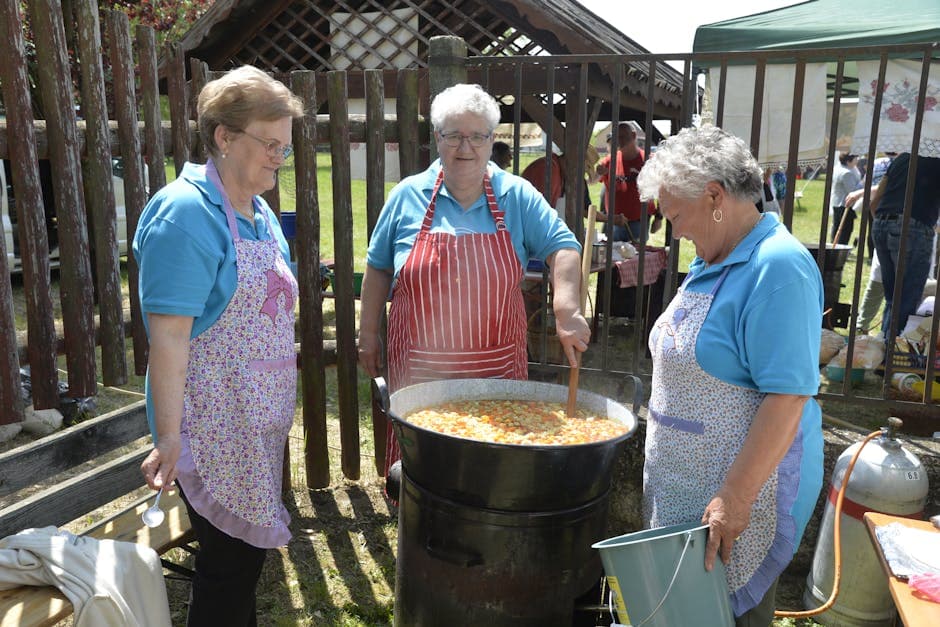
La espectacular sopa de pescado picante de Hungría: carpa entera, bagre o lucio cocidos a fuego lento en un ardiente caldo de pimentón rojo. Dos versiones en competencia (Baja vs. Szeged) y una discusión permanente. Ambos son extraordinarios.
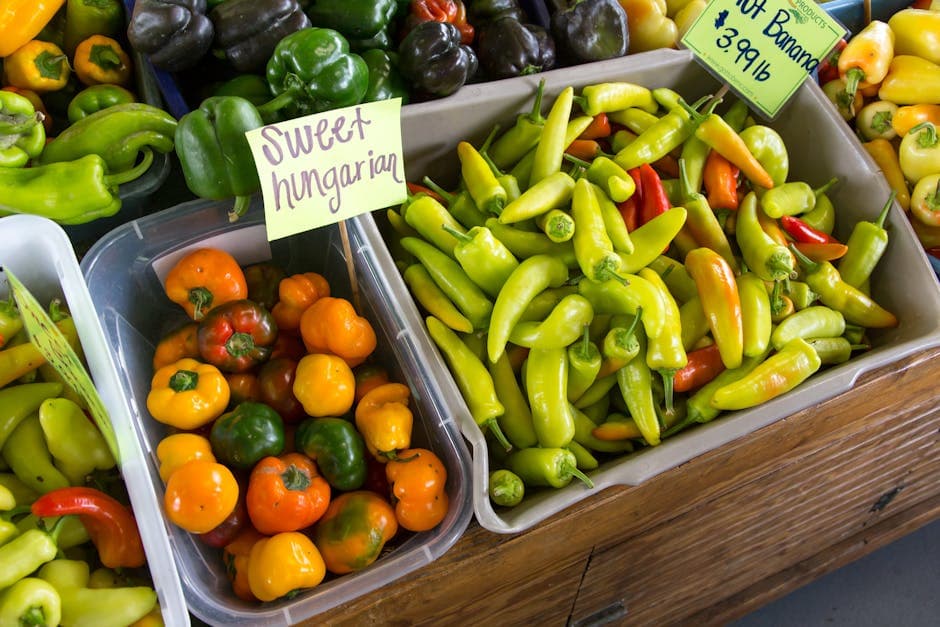
Estofado húngaro de pimiento y tomate con tocino y huevos - el plato vegetal de verano quintaesencial de la cocina húngara.

Sopa fría húngara de cereza ácida - una sopa fría y ácida-dulce a base de crema comida como primer plato en verano.
Hungría's national stew — carne de res, sweet pimentón, cebollas, and papas cocido a fuego lento into a fragante red soup.
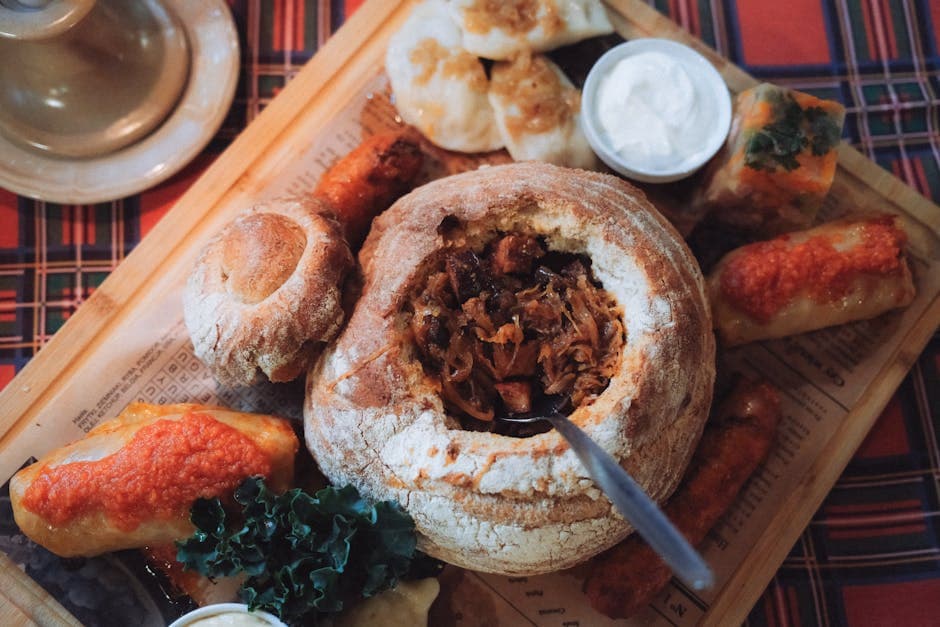
Gulash húngaro de chucrut y cerdo con crema agria y alcaravea: el cálido clásico invernal del sureste de Hungría.

El verdadero gulyás de Hungría: una sopa de res y papa rica en páprika, cocida lenta y suavemente con comino, cebollas ablandadas en manteca, pimientos y tomate, servida de una olla sobre fuego abierto.
El tazón de arroz con hierbas y limón del mercado húngaro aporta sabor húngaro a un práctico tazón de arroz elaborado con muslos de pollo, pimentón, crema agria, alcaravea y pimientos, y un acabado de perejil fresco.
La sopa de tomate ahumado del pueblo húngaro aporta sabor húngaro a una sopa práctica preparada con champiñones, pimentón, crema agria, alcaravea y pimientos, y un final de perejil fresco.
La sartén de lima y sésamo del jardín húngaro aporta sabor húngaro a una práctica cena en sartén preparada con coliflor, pimentón, crema agria, alcaravea y pimientos, y un acabado de perejil fresco.
Los fideos húngaros con pimiento carbonizado aportan sabor húngaro a un práctico plato de fideos elaborado con fideos de arroz, pimentón, crema agria, alcaravea y pimientos, y un acabado de perejil fresco.
La ensalada húngara de hierbas verdes de montaña aporta sabor húngaro a una ensalada práctica preparada con pollo asado, pimentón, crema agria, alcaravea y pimientos, y un acabado de perejil fresco.
El pan plano con hierbas y limón del festival húngaro aporta sabor húngaro a un práctico pan plano elaborado con masa de pan plano, pimentón, crema agria, alcaravea y pimientos, y un acabado de perejil fresco.
El horneado en bandeja de tomate ahumado estilo casero húngaro aporta sabor húngaro a un práctico horneado en bandeja elaborado con batatas, pimentón, crema agria, alcaravea y pimientos, y un acabado de perejil fresco.
Los buñuelos de lima y sésamo de Hungría Street aportan sabor húngaro a unos prácticos buñuelos elaborados con pescado salado, pimentón, crema agria, alcaravea y pimientos, y un acabado de perejil fresco.
El plato de desayuno húngaro con pimiento dorado carbonizado aporta sabor húngaro a un práctico plato de desayuno elaborado con frijoles, pimentón, crema agria, alcaravea y pimientos, y un acabado de perejil fresco.
El postre húngaro de hierbas verdes entre semana aporta sabor húngaro a un postre práctico elaborado con coco, pimentón, crema agria, alcaravea y pimientos, y un acabado de perejil fresco.
Una sopa de carne y verduras con pimentón rojo ladrillo, más parecida a un guiso abundante, cocinada a fuego lento y lento con pimentón dulce húngaro.
Pollo con hueso estofado en una rica salsa de crema agria y pimentón, servido tradicionalmente sobre albóndigas de fideos con huevo (nokedli).
Un guiso sencillo y vibrante de pimientos morrones, tomates y cebollas guisados, a menudo terminado con salchicha y un huevo frito.
Crepes finas y saladas rellenas de pollo estofado con pimentón, cubiertas con una salsa cremosa de pimentón.
Un bizcocho alto, con muchas capas finas, relleno de crema de chocolate y coronado con un disco de caramelo desmenuzable.
Una sopa de pescado picante a base de pimentón rojo hecha con pescado de río, cocida a fuego lento hasta que el caldo se vuelve profundo y rico en sabor.
Pasta ancha mezclada con queso fresco de granjero, crema agria y trocitos de tocino crujiente, un plato reconfortante muy apreciado por los húngaros.
Capas de bizcocho empapado en ron, salsa de chocolate, natillas de vainilla y crema batida, un postre en capas muy apreciado por los húngaros.
Una cazuela horneada de patatas en rodajas, huevos duros y salchichas cubiertas con crema agria, dorada y burbujeante por encima.
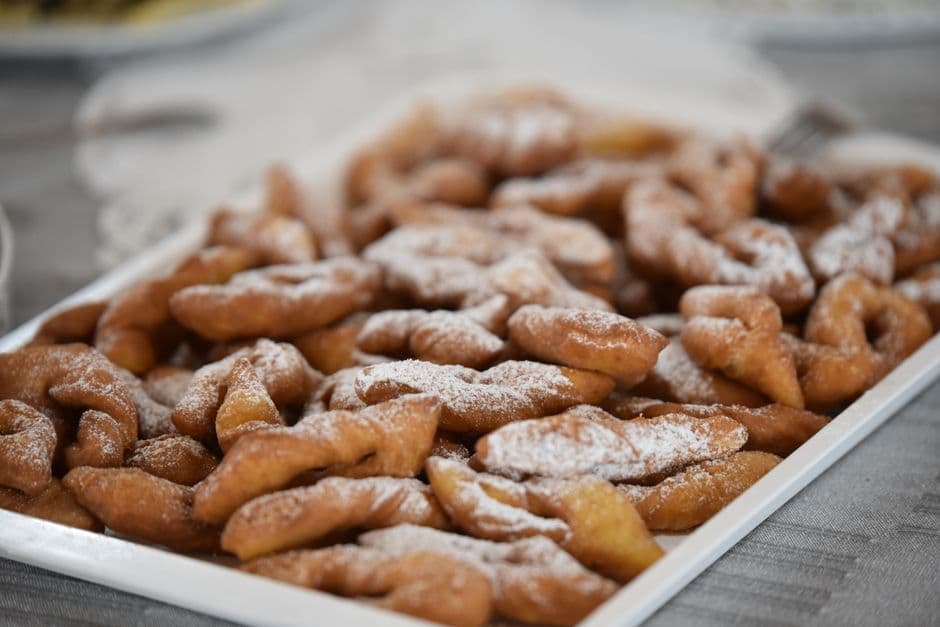
Una masa con levadura enrollada alrededor de un asador de madera, asada a fuego abierto o en un horno hasta que esté dorada y enrollada en azúcar y aderezos.
Un rico guiso de cerdo y chucrut cocido a fuego lento en una salsa con pimentón y terminado con un toque de crema agria.
Pan plano con levadura frito, crujiente por fuera y masticable por dentro, cubierto con crema agria, queso rallado y ajo.
Una sopa fría de cerezas agridulces, enriquecida con crema agria y un toque de canela, que se sirve como entrante de verano.
Una abundante sopa de frijoles cocida a fuego lento con carne de cerdo ahumada y tubérculos, espesada con pimentón roux.
Lonchas gruesas de queso semiduro empanizadas y fritas hasta que la corteza se rompe y el centro se derrite.
Albóndigas suaves hechas con queso fresco de granjero, hervidas y enrolladas en pan rallado con mantequilla, servidas con crema agria y azúcar.
Masa de papa frita cubierta con ajo, crema agria y queso rallado, doblada como un sándwich: la amada comida callejera de feria de Hungría.
Patatas en capas, huevos duros y salchichas ahumadas horneadas en una salsa de crema agria condimentada con pimentón: la querida cazuela de rakott krumpli de Hungría.
Tiernas albóndigas de cerdo y ternera cocidas a fuego lento en una rica salsa de crema de pimentón dulce: una cena casera húngara elaborada con la especia característica del país.
Una abundante sopa de frijoles cocida a fuego lento con corvejón de jamón ahumado y pimentón, terminada con crema agria: los clásicos bableves de Hungría.
Una tortilla suave envuelta alrededor de lecsó (los clásicos pimientos, tomates y cebolla guisados de Hungría), un desayuno casero elaborado con el guiso de verduras favorito del país.
Gachas de sémola cremosas cocidas a fuego lento en leche y terminadas con mantequilla y azúcar: un desayuno húngaro sencillo y reconfortante para las mañanas frías.
Carpa entera horneada con mantequilla de pimentón y limón: un plato de pescado tradicional húngaro de Nochebuena con especias intensas y cálidas.
Masa de strudel estirada, fina como el papel, envuelta alrededor de un relleno dulce de queso de granjero: los queridos túrós rétes de Hungría, un elemento característico de la cultura de las cafeterías.
Pepinos en rodajas finas con un aderezo picante de crema agria con pimentón: una clásica ensalada húngara de verano, uborkasaláta.
Un pollo entero untado con pimentón dulce y asado hasta que esté profundamente dorado: una versión asada simplificada del amado sabor del pimentón húngaro.
Manzanas enteras sin corazón y horneadas con relleno de nueces, miel y canela: un postre húngaro sencillo al estilo de la huerta.
Bizcocho de chocolate y vainilla en capas con nueces, almíbar de ron y crema batida, en forma de bocado: el querido somlói galuska de Hungría.
Delgadas crepes húngaras rellenas de pollo al pimentón (paprikás csirke), enrolladas y cubiertas con más de la misma salsa cremosa de pimentón.
Un plato húngaro de inspiración bableves con frijoles condimentados con pimentón y jamón ahumado, espesado con alcaravea y terminado con crema agria.
Un arroz con mariscos al estilo húngaro con pimentón elaborado sobre un alapmártás adecuado y terminado con pimienta negra molida y crema agria.
Un cremoso guiso de lentejas húngaro, al estilo lencsefőzelék, espesado con pimentón roux y terminado con crema agria.
Pimentón töltött clásico húngaro: pimientos rellenos de arroz y carne de cerdo, cocidos a fuego lento en un caldo de ajo asado, tomate y pimentón.
Rakott krumpli, el querido horneado de patatas en capas de Hungría con huevos duros, salchichas y salsa de crema agria de pimienta negra.
Una hamburguesa de ternera con especias húngaras, sazonada con pimentón dulce y alcaravea, cubierta con cebollas profundamente caramelizadas y cocidas a fuego lento.
Un sedoso pudín de farina húngaro, pudín grízes, cubierto con guindas calientes especiadas con pimienta negra.
Un clásico plato festivo húngaro de pollo paprikás y bolas de masa nokedli enrolladas a mano, rematadas con crema agria.
La cocina húngara se basa en una tríada: pimentón, manteca de cerdo o carne de cerdo rica en grasas y crema agria (tejföl). El pimentón llegó a través de los turcos otomanos en el siglo XVI, pero se volvió húngaro en Szeged y Kalocsa, donde los pimientos se secan y muelen en grados que van desde dulces (édesnemes) hasta picantes (erős). Gulyás comenzó como el estofado de los pastores de ganado magiares de la Gran Llanura (ternera, cebolla, pimentón y agua cocinados en un bogrács a fuego abierto) y sigue siendo una sopa en Hungría, no el espeso 'goulash' de los menús extranjeros.
La técnica que define la cocina es la base de pörkölt: las cebollas se sudan lentamente en grasa, se retira la olla del fuego, se agrega pimentón (se quema y se vuelve amargo en segundos) y luego se agrega la carne para estofar en su propio jugo. De esta base provienen el pörkölt y el paprikás; este último rematado con crema agria, como en el pollo paprikash con nokedli en forma de bola de masa. Halászlé, la sopa de pescadores de carpa y pimentón picante cocinada a lo largo del Tisza y el Danubio, puede ser el plato más picante de Europa Central.
Más allá del pimentón, a la cocina húngara le encantan las cosas rellenas y en capas: töltött káposzta (col rellena con chucrut y cerdo ahumado), rakott krumpli (patatas en capas, huevos y salchichas) y lecsó, el guiso de tomate y pimiento que se come durante todo el verano. La tradición pastelera es seria: rétes (strudel) con masa fina como papel estirada a mano, torta Dobos con caramelo, pastel de chimenea (kürtőskalács) y la cultura del café de Budapest que rivalizaba con la de Viena en su apogeo.
pimentón
Los pimientos molidos de Szeged y Kalocsa, desde dulces hasta picantes, dan color y sabor a toda la cocina, siempre añadidos fuera del fuego para evitar el amargor.
Pörkölt y pimentones
La técnica madre: cebollas engrasadas, pimentón y luego carne estofada lentamente; Terminar con crema agria y se convierte en paprikás.
Gulyás
La sopa de los pastores, hecha con carne de res, cebolla, pimentón, papa y fideos csipetke, es una sopa en Hungría, nunca un guiso espeso.
Crema agria (Tejföl)
La espesa crema agria húngara enriquece el pimentón, cubre el repollo relleno y los lángos, y equilibra la calidez del pimentón en todo el repertorio.
Lecsó y Pimientos
Un guiso de verano de pimientos, tomates y cebollas húngaros, que se come solo, con salchicha o con huevos mezclados.
Strudel y pastelería de cafetería
Las rétes estiradas a mano, la torta Dobos y la somlói galuska descienden de la cultura de los cafés de la época dorada de Budapest.
Platos a base de pimentón sobre todo: gulyás (sopa gulash), pollo al pimentón con albóndigas nokedli, estofados de pörkölt y sopa de pescador (halászlé). Más allá de eso, repollo relleno, lángos (masa frita con crema agria y queso), guiso de pimiento lecsó y pasteles como strudel, torta Dobos y pastel de chimenea. La firma del sabor es el pimentón, la cebolla cocida en grasa y la crema agria.
En Hungría, el gulyás es una sopa de ternera condimentada con pimentón, patatas, zanahorias y fideos csipetke pellizcados, que se come con cuchara. El pörkölt es el estofado espeso (carne guisada en una base de cebolla y pimentón con un mínimo de líquido) que los extranjeros suelen denominar "goulash". Agregue crema agria a un estofado estilo pörkölt y se convertirá en paprikás, como en el pollo paprikash.
Generalmente tibio en lugar de caliente. La mayor parte de la cocina utiliza pimentón dulce (édesnemes), que proporciona un sabor intenso a pimienta y un color rojo sin mucho picante. El pimentón picante y los pimientos cherry frescos aparecen como condimentos de mesa, en particular la pasta Erős Pista, por lo que los comensales se adaptan individualmente. La excepción es el halászlé, la sopa de pescador de río, que es tradicionalmente picante.
Paprikash de pollo: sudar abundante cebolla en grasa, agregar el pimentón dulce fuera del fuego, estofar los muslos de pollo en la base resultante y terminar con crema agria templada con un poco de harina. Sirva sobre nokedli (albóndigas de huevo rápidas raspadas en agua hirviendo) o fideos de huevo. Lecsó es aún más sencillo: pimientos, tomates, cebolla, pimentón y una sartén.
El pimentón molido es rico en azúcares que se queman en segundos en grasa caliente, volviendo el plato amargo y de color marrón turbio. Los cocineros húngaros retiran la olla del fuego, agregan pimentón a las cebollas blandas y la grasa, luego agregan inmediatamente carne o líquido para bajar la temperatura. Este único hábito marca la diferencia entre el pimentón de sabor auténtico y una imitación amarga.
Calculadoras y conversores que acompañan a esta página — sin registro.
Calculadora para escalar recetas
Reduce a la mitad o duplica cada cantidad de esta receta sin hacer cuentas mentales.
Conversor de medidas
Convierte tazas, gramos, onzas y mililitros en ambos sentidos.
Conversor para freidora de aire
Convierte el tiempo y la temperatura del horno a ajustes de freidora de aire.