
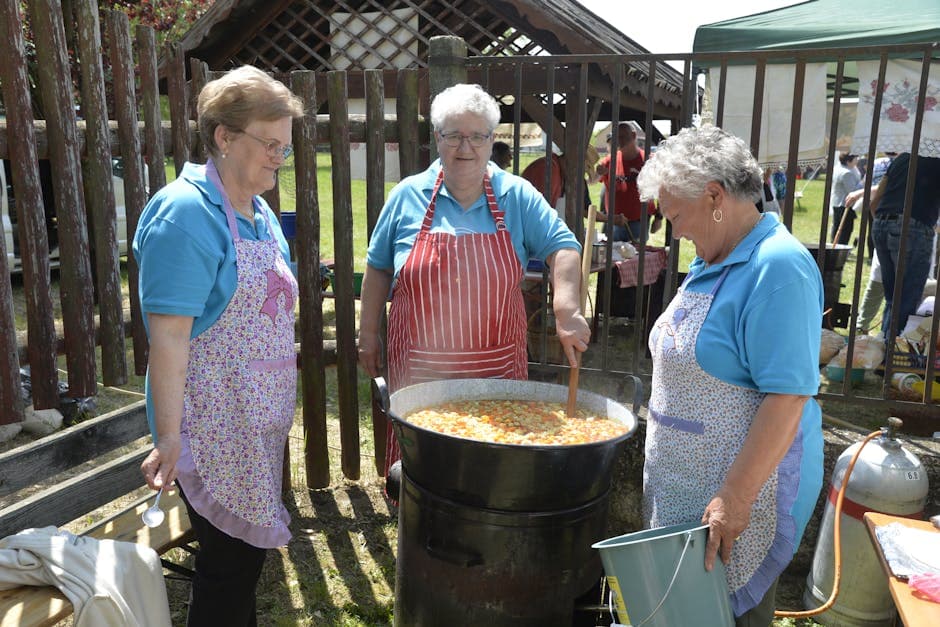
Halászlé (Hungarian Fisherman's Soup)
La espectacular sopa de pescado picante de Hungría: carpa entera, bagre o lucio cocidos a fuego lento en un ardiente caldo de pimentón rojo. Dos versiones en competencia (Baja vs. Szeged) y una discusión permanente. Ambos son extraordinarios.
Acerca de esta receta
Halászlé (sopa de pescador) es una de las grandes sopas de Europa y el plato más debatido de Hungría: la rivalidad entre los estilos Baja y Szeged ha continuado durante más de un siglo sin resolución. Ambos utilizan caldo rico en pimentón y pescado de agua dulce de los ríos Danubio y Tisza; la diferencia es la técnica. Al estilo Szeged: el pescado se hierve por etapas, el pescado más pequeño y los recortes se cocinan hasta que se disuelvan, el caldo se cuela y se pasa por un colador, luego se vuelven a agregar los trozos grandes de pescado para la cocción final. Estilo baja: sin colar: todo se pone junto en una olla grande sobre un fuego abierto (bogrács), y se añaden fideos anchos al final. Ambos tienen un poderoso toque de pimentón y agresivamente especiados.
Ingredientes
Sirve 4
- 1 kgcarpa, bagre o lucio(limpio, cortado en filetes)
- 500 grecortes de pescado, cabeza y espinas(para el caldo base)
- 3 cdapimentón dulce húngaro
- 1 cdapimentón húngaro picante
- 3cebollas(roughly chopped)
- 2green peppers(uno para caldo, otro cortado en cubitos para terminar)
- 2tomates(roughly chopped)
- 1chile fresco y picante(opcional, para calor adicional)
- 1.5 litrosagua
- 2 cdtasal
- wide egg noodlescocido por separado, para servir (estilo Baja)
Instrucciones
- 1
Construir caldo base (método Szeged)
Coloque los recortes de pescado, la cabeza y las espinas en una olla con la cebolla, los tomates, un pimiento verde, agua y sal. Cocine a fuego lento 40 min. Colar a través de un colador fino, presionando todos los sólidos; el caldo resultante debe ser sabroso y ligeramente espeso debido a la gelatina de pescado.
- 2
Añade el pimentón
Regrese el caldo colado a la olla. Agrega pimentón dulce y picante. El color debe tornarse de un rojo intenso y vibrante. Llevar a fuego lento.
Agregue pimentón al líquido alejado del fuego directo brevemente y luego vuelva a hervir a fuego lento; esto evita que el pimentón se queme.
- 3
cocinar filetes de pescado
Agrega los filetes de pescado y el pimiento verde cortado en cubitos. Cocine a fuego lento durante 12 a 15 minutos; el pescado debe estar bien cocido y aún manteniendo su forma.
- 4
Sazonar y servir
Probar y rectificar de sal y pimentón. El halászlé debe tener un color rojo intenso, claramente especiado y con un intenso sabor a pimentón. Sirva en tazones hondos con pan blanco para mojar y, opcionalmente, fideos anchos cocidos al lado (estilo Baja).
¿Has preparado esta receta?
Valórala y ayuda a otros a encontrar las recetas que de verdad funcionan.
Inicia sesión con un toque y guardaremos la valoración que acabas de elegir.
Todo lo que necesitas para planificar tu semana — gratis
- Calendario de comidas
- Lista de compras
- Ideas de recetas con IA
Controla lo que comes
Fotografía tu comida para registrar calorías y macros, usa temporizadores de ayuno y controla tu agua en la app gratuita SnapCal.
Consejos profesionales
- →
Colar la base del caldo y presionar todos los sólidos del pescado es lo que le da al Szeged halászlé su característico caldo espeso y de sabor intenso.
- →
No cocines demasiado los filetes de pescado; deben estar recién cocidos y sin desmoronarse.
- →
Pruebe y ajuste la sal al final — los sabores se concentran cuando los líquidos se reducen, y un último pellizco de sal escamosa realza todo el plato.
- →
Mise en place se paga a sí mismo: pique, mida y mezcle previamente todo antes de encender el calor, especialmente para cualquier paso que se mueva rápido.
Variaciones
- •
Estilo baja: omita el colado, cocine todo junto, agregue fideos anchos (csipetke o gyufametélt) a la sopa terminada
- •
Utilice lucioperca (fogasch, el pez de río húngaro más preciado) para obtener un resultado más delicado
- •
Agregue una cucharada de crema agria al final para obtener una versión más rica y suave.
- •
Vegetariano: cambie la proteína por champiñones ostra king asados, tofu ahumado o garbanzos cocidos — ajuste el condimento ligeramente hacia arriba para compensar.
Almacenamiento
La base de caldo se conserva refrigerada 3 días. Cocine los filetes de pescado frescos cada vez; se deterioran rápidamente en el caldo.
Historia y origen
El halászlé ha sido consumido por los pescadores húngaros en los ríos Danubio y Tisza durante siglos. Los dos estilos en competencia reflejan la geografía: Szeged (una ciudad importante en el río Tisza) desarrolló la versión refinada y colada, mientras que Baja (en el Danubio) conservó el método más rústico de olla todo en uno. El debate entre las dos ciudades es una de las discusiones culinarias más apasionantes en Hungría.
Preguntas frecuentes
¿Debo utilizar pescado de agua dulce o puedo utilizar pescado de agua salada?
El halászlé tradicional utiliza específicamente peces de agua dulce del Danubio y Tisza: carpa (ponty), bagre (harcsa) y lucioperca (fogasch). El sabor algo turbio y ligeramente picante del pescado de agua dulce es parte de la identidad del plato. Dicho esto, la lubina, el pargo o la dorada producen una versión más limpia y delicada que muchos encuentran más apetecible. Utilice el pescado más fresco disponible independientemente de su origen.
¿Puedo hacer esto con anticipación?
Sí — la mayoría de los componentes se pueden preparar hasta un día antes y refrigerar por separado. Recaliente suavemente y ensamble justo antes de servir para que las texturas permanezcan distintas.
¿Qué puedo sustituir si no tengo todos los ingredientes?
Manténgase cerca del papel que juega cada ingrediente: cambie los aromáticos por otros similares (chalota por cebolla, lima por limón) y mantenga el equilibrio de grasa-ácido-sal intacto. Los mezcles de especias generalmente se pueden aproximar con lo que esté en la despensa.
¿Cómo sé que es auténtico?
La autenticidad está en un espectro — lo que importa más es honrar la técnica y el equilibrio de sabores. Si el plato sabe armonioso y respeta cómo los cocineros en su región de origen lo construirían, estás en terreno sólido.
Datos nutricionales
Por porción · 4 porciones totales
Resumen de tiempo
¿Tiene preguntas?
Pregúntele a nuestro asistente de cocina con IA cualquier cosa sobre esta receta: sustituciones, técnicas, escalado.
Chatea con AI Chef →Más recetas de cocina húngara
También Te Puede Gustar
Platos similares de otras cocinas del mundo.
Explorar por Ingrediente
Más recetas construidas alrededor de los mismos ingredientes principales.
Herramientas de Cocina Gratuitas
Calculadoras y conversores que acompañan a esta página — sin registro.
Conviértelo en un Plan
Prográmalo, haz la compra y controla lo que ya tienes.
Calendario de planificación de comidas
Coloca esta receta en un día y organiza la semana a su alrededor.
App de lista de la compra
Convierte esta lista de ingredientes en una lista de la compra agrupada por pasillo.
Importador de recetas
Guarda esta receta —y cualquier URL de receta— en una biblioteca ordenada.
Sigue Leyendo
Lecturas más largas que profundizan en las ideas detrás de este plato.
MyCookingCalendar vs Paprika 3: ¿Organizador de recetas o planificador de comidas completo con IA?
9 mín.
Preparación de comidas ricas en proteínas: realice sus macros todos los días
16 mín.
Deficiencia de magnesio: explicación completa de por qué el 50% de las personas tienen niveles bajos y cómo solucionarlo a través de los alimentos
12 mín.
Comunidad
Únete a la conversación
Inicia sesión para dejar un comentario y guardar tus recetas favoritas