

Nuevocena
Beef Stroganoff clásico
La exportación más famosa de Rusia: tiras tiernas de ternera salteadas con champiñones y cebolla en una sedosa salsa de crema agria, servidas sobre fideos al huevo o arroz.
35 min490 kcalFácil
★4.6(3,640)
Stroganoff de ternera, borscht, pelmeni: rica y cálida cocina de Europa del Este.
Más recetas construidas alrededor de los mismos ingredientes principales.
Controla lo que comes
Fotografía tu comida para registrar calorías y macros, usa temporizadores de ayuno y controla tu agua en la app gratuita SnapCal.
Planifica tus comidas, controla tu ayuno y crea tu lista de compras — gratis
El panel de MyCookingCalendar funciona directamente en tu navegador, sin descargas.
La exportación más famosa de Rusia: tiras tiernas de ternera salteadas con champiñones y cebolla en una sedosa salsa de crema agria, servidas sobre fideos al huevo o arroz.
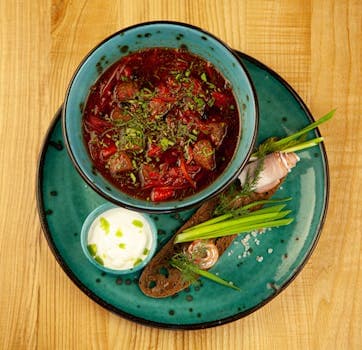
Sopa de remolacha de un rojo carmesí intenso con ternera tierna, col y hortalizas de raíz, coronada con crema agria y eneldo fresco.
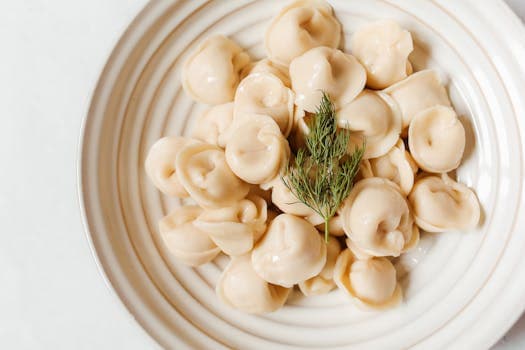
Bolsitas de fina masa de pasta rellenas de una mezcla de cerdo y ternera, hervidas y servidas con mantequilla y crema agria.

Una sustanciosa y ácida sopa rusa con carnes curadas.

Delicados panqueques rusos perfectos para coberturas tanto dulces como saladas.

Una tradicional sopa rusa de repollo, sustanciosa y reconfortante.

Doradas tortitas rusas de requesón fritas en sartén, servidas con crema agria y mermelada de frutos rojos para el desayuno.
Delicadas tortitas de trigo sarraceno con caviar y crème fraîche.

Empanadillas polacas hechas a mano rellenas de puré de patata cremoso y queso fresco, hervidas y salteadas en mantequilla con cebollas caramelizadas.

Un pan plano georgiano en forma de barca relleno de queso fundido y coronado con un huevo crudo y mantequilla: reconfortante y espectacular.
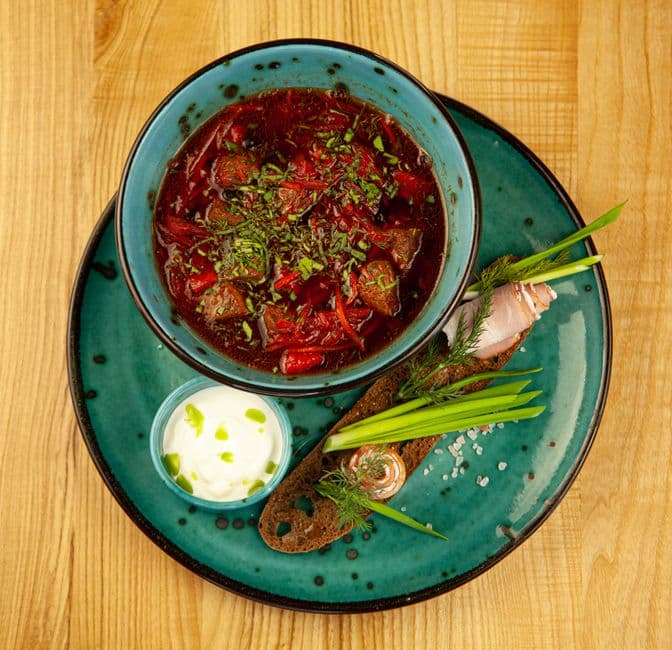
La icónica sopa rusa de remolacha de un intenso carmesí, rica con col, patata y tierna carne de vacuno, rematada con una generosa cucharada de crema agria smetana.
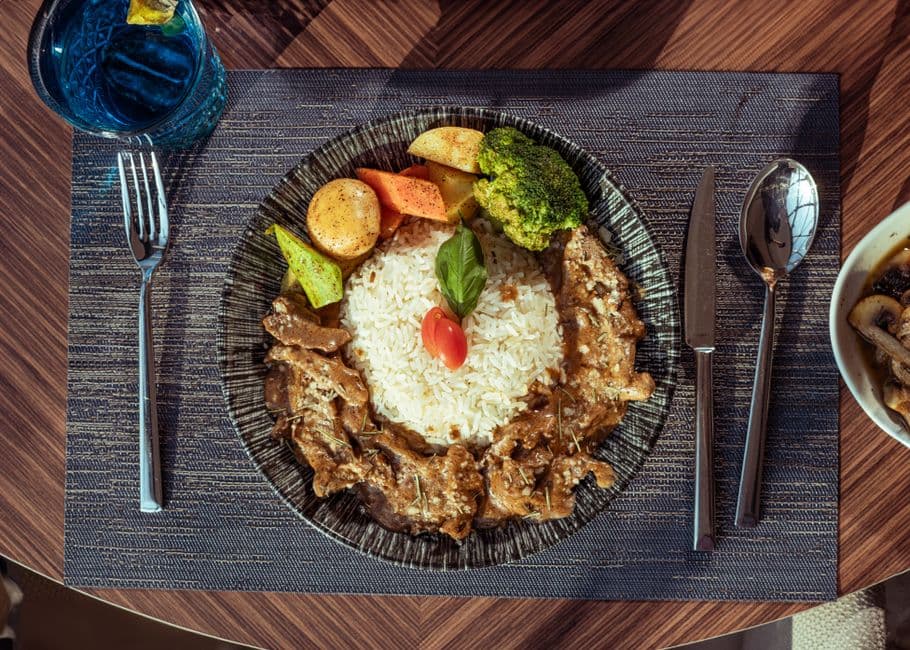
Tiras tiernas de carne de vacuno en una rica salsa ácida de crema agria y mostaza con champiñones salteados: el legendario clásico ruso querido en todo el mundo.

Las icónicas empanadillas de carne dobladas a mano de Siberia: una masa fina tipo pasta rellena de una mezcla sazonada de cerdo y vacuno, hervida y servida con crema agria y mantequilla.

La ensalada favorita de celebración de Rusia — papas en dados, zanahorias, guisantes, encurtidos, huevos y pollo o mortadela, ligada en un aderezo de mayonesa cremosa.

Un towering pastel de miel ruso con capas delgadas de esponja con miel y un abundante glasé de crema agria sedoso — un impresionante que mejora durante la noche.

Remolachas asadas a fuego lento y ahumadas sobre heno o madera de manzano, servidas con crema agria de rábano picante, semillas de mostaza encurtidas y eneldo fresco.

Pequeños dumplings rusos rellenos de carne hervidos hasta tiernos, terminados con mantequilla, vinagre o smetana.

El plato original de San Petersburgo del siglo XIX — tiras de carne de res dorada en salsa de mostaza y smetana, servida sobre papas crujientes tipo cerilla.
El tazón de arroz con hierbas y limón del mercado ruso aporta sabor ruso a un práctico tazón de arroz elaborado con muslos de pollo, eneldo, crema agria, trigo sarraceno y champiñones, y un acabado de eneldo fresco.
La sopa de tomate ahumado Russian Village aporta sabor ruso a una sopa práctica preparada con champiñones, eneldo, crema agria, trigo sarraceno y champiñones, y un acabado de eneldo fresco.
Russian Garden Sesame Lime Skillet aporta sabor ruso a una práctica cena en sartén preparada con coliflor, eneldo, crema agria, trigo sarraceno y champiñones, y un acabado de eneldo fresco.
Russian Harbor Charred Pepper Noodles aporta sabor ruso a un práctico plato de fideos elaborado con fideos de arroz, eneldo, crema agria, trigo sarraceno y champiñones, y un acabado de eneldo fresco.
La ensalada rusa de hierbas verdes de montaña aporta sabor ruso a una ensalada práctica preparada con pollo asado, eneldo, crema agria, trigo sarraceno y champiñones, y un acabado de eneldo fresco.
El pan plano con hierbas y limón del festival ruso aporta sabor ruso a un práctico pan plano elaborado con masa de pan plano, eneldo, crema agria, trigo sarraceno y champiñones, y un acabado de eneldo fresco.
El horneado en bandeja de tomate ahumado estilo casero ruso aporta sabor ruso a un práctico horneado en bandeja elaborado con batatas, eneldo, crema agria, trigo sarraceno y champiñones, y un acabado de eneldo fresco.
Russian Street Sesame Lime Buñuelos aporta sabor ruso a unos prácticos buñuelos elaborados con pescado salado, eneldo, crema agria, trigo sarraceno y champiñones, y un acabado de eneldo fresco.
El plato de desayuno ruso con pimiento carbonizado dorado aporta sabor ruso a un práctico plato de desayuno elaborado con frijoles, eneldo, crema agria, trigo sarraceno y champiñones, y un acabado de eneldo fresco.
El postre ruso de hierbas verdes entre semana aporta sabor ruso a un postre práctico elaborado con coco, eneldo, crema agria, trigo sarraceno y champiñones, y un acabado de eneldo fresco.
Granos de trigo sarraceno tostados cocidos a fuego lento con champiñones salteados y cebolla, un acompañamiento básico en casi todas las mesas rusas.
Una colorida ensalada fría de remolacha cortada en cubitos, patatas, zanahorias y pepinillos, aderezada simplemente con aceite de girasol y vinagre.
Jugosas hamburguesas de carne de res y cerdo fritas untadas con pan remojado, un alimento básico de la cocina casera que se encuentra en casi todas las cocinas rusas.
Tortitas de papa ralladas con bordes crujientes fritas hasta que estén doradas, servidas calientes con crema agria, un clásico ruso y de Europa del Este.
Un imponente pastel de miel ruso con capas finas como el papel y un glaseado de crema agria picante, ablandado durante la noche hasta convertirlo en algo tiernamente derretido.
Blini ruso de trigo sarraceno, fino y de encaje, enrollado alrededor de salmón ahumado y crema agria, un clásico aperitivo de celebración.
Trozos de carne de cerdo marinados en cebolla y vinagre, ensartados en brochetas y asados sobre brasas hasta que estén carbonizados y jugosos.
Hojas de repollo envueltas alrededor de un relleno de arroz y carne molida, estofadas lentamente en una salsa de tomate y crema agria hasta que estén tiernas.
La ensalada de papa, zanahoria, pepinillo, huevo y mortadela cortada en cubitos y envuelta en mayonesa que es el ancla de todas las mesas rusas de Año Nuevo.
Una sopa picante de arroz y carne con ajo, aromatizada con nueces y ciruela agria, popular en toda Rusia debido a sus raíces georgianas.
Albóndigas suaves rellenas de puré de patatas y queso granjero, hervidas y terminadas con cebolla caramelizada y crema agria.
Empanadas doradas y fritas rellenas de repollo o papa, un refrigerio básico en las calles y mercados rusos.
Granos de trigo sarraceno tostados cocinados a fuego lento con champiñones y cebollas salteados: el acompañamiento de cereales cotidiano de Rusia se volvió lo suficientemente abundante como para una comida.
Centeno oscuro con mantequilla y cubierto con salchicha rusa en rodajas finas, queso y un poco de mostaza: el sándwich abierto que se ve en todas las mesas de té rusas.
Empanadas de pollo suaves y jugosas unidas con pan empapado en leche, fritas en sartén hasta obtener una corteza dorada y terminadas cubiertas hasta que estén bien cocidas.
Frijoles blancos cocidos a fuego lento con champiñones muy dorados y cebolla en una salsa de eneldo y crema agria hasta que estén espesos y se peguen a las costillas.
Una tortilla de huevo suave enrollada alrededor de floretes de coliflor dorada en mantequilla y terminada con abundante eneldo fresco y crema agria.
Gachas de sémola cremosas cocinadas lentamente en leche hasta que estén sedosas, terminadas con mantequilla y un toque de mermelada de frutos rojos.
Pescado blanco a la plancha cubierto con una marinada de zanahoria, cebolla y tomate estofada y picante y dulce, que se sirve tradicionalmente frío o caliente.
Un pastel rústico de una sola masa con pescado blanco hojaldrado, cebolla salteada y eneldo horneado bajo un entramado de hojaldre dorado.
Lentejas cocidas terrosas mezcladas con crujientes pepinillos encurtidos, cebolla morada y un aderezo de mostaza y vinagre para una abundante ensalada fría.
Pequeñas bolas de masa rellenas de champiñones cocidas a fuego lento en un caldo claro y terroso, terminadas con eneldo y una cucharada de crema agria.
Carne de res en rodajas finas y champiñones dorados en una sedosa salsa de crema agria, sobre fideos de huevo con mantequilla.
Patatas en capas, repollo y zanahorias horneadas bajo una sabrosa crema agria y natillas de huevo hasta que estén doradas: la respuesta rusa a una reconfortante cazuela de verduras.
Galletas suaves de miel y especias glaseadas con jarabe de azúcar: el dulce ruso centenario a la hora del té con canela y clavo calientes.
Blini fino y de encaje de trigo sarraceno rematado con un chorrito de mantequilla dorada con nueces, un clásico desayuno ruso.
Granos de trigo sarraceno tostados se cocinan a fuego lento hasta que estén tiernos y se cubren con champiñones salteados y cebolla, un alimento básico reconfortante ruso.
Salmón a la plancha servido sobre arroz mantecoso con eneldo fresco, un plato sencillo y elegante arraigado en el amor de Rusia por el salmón y el eneldo.
Una abundante sopa de lentejas cocida a fuego lento con salchicha ahumada, zanahorias y laurel, reconfortante comida invernal de las cocinas rusas.
Pimientos morrones rellenos de carne molida, arroz y cebolla, cocidos a fuego lento en una salsa ligera de tomate y crema agria hasta que estén tiernos.
Una versión horneada del pollo Kiev, con pechugas de pollo rellenas de mantequilla con ajo y hierbas sobre una cama de arroz con mantequilla.
Jugosas hamburguesas kotleti al estilo ruso, hechas con pan empapado en leche, servidas estilo hamburguesa con mostaza y pepinillos.
Un pudín de queso de granjero horneado con una superficie dorada y una unión de sémola, un reconfortante desayuno y postre ruso.
Una variedad festiva de ensalada Olivier, arenque bajo un abrigo de piel y pelmeni, los tradicionales centros de mesa del Año Nuevo ruso.
La cocina rusa fue diseñada por el clima: una corta temporada de cultivo y largos inviernos construyeron una cocina en torno a pan de centeno, verduras en conserva, kasha (gachas de trigo sarraceno) y la estufa de mampostería (el pech), cuyo calor lento y descendente dio forma a una preferencia nacional por los estofados, las gachas horneadas y las sopas en lugar de las frituras. La lactofermentación está en todas partes: chucrut, pepinillos en salmuera (no en vinagre) y kvas, la bebida de pan de centeno fermentado que también sirve como base para la sopa fría de okroshka en verano.
El repertorio se divide entre líneas campesinas y aristocráticas. El canon campesino ofrece shchi (sopa de repollo), borscht (compartido con Ucrania, de donde es originario), pelmeni de los Urales y bliny servido con smetana. La aristocracia del siglo XIX, empleando chefs franceses, producía carne de res Stroganoff, sharlotka y ensaladas en capas (sobre todo la ensalada Olivier) que todavía dominan la mesa de Nochevieja, la fiesta gastronómica más importante del año ruso.
La cocina casera sigue siendo sopa (una comida adecuada del mediodía comienza con una sopa caliente casi todo el año) y está saturada de eneldo, con smetana (crema agria) en todo, desde borscht hasta pelmeni. La tradición zakuski de aperitivos fríos (encurtidos, pescado curado, ensaladas) que acompañan al vodka estructura las comidas festivas, y el té del samovar con varenye (conservas de frutas) las cierra, un ritual que data de la llegada del té en el siglo XVII a través del comercio con China.
sopas
Borscht, shchi, solyanka y ukha constituyen la comida diaria; un plato de sopa caliente en el almuerzo sigue siendo estándar en los hogares rusos durante todo el año.
Fermentación y decapado
Los pepinos, el chucrut y el kvas fermentados en salmuera reflejan una tradición de conservación que aporta acidez y vitaminas durante el invierno.
Pelmeni y masas rellenas
Las albóndigas de carne siberianas, los vareniki y los pirozhki (bollos rellenos horneados o fritos) forman una vasta familia de masa rellena en todo el antiguo imperio.
Kasha y centeno
El kasha de trigo sarraceno y el pan denso de masa madre de centeno son la columna vertebral histórica de carbohidratos, horneados al fuego lento de la tradicional estufa pech.
Smetana y lácteos
La crema agria completa las sopas, adereza las albóndigas y enriquece la repostería; tvorog (queso de granjero) rellena tortitas syrniki y bollos vatrushka.
mesa zakuski
La variedad de aperitivos fríos (pepinillos, arenque, ensalada Olivier, pescado curado) abre las comidas festivas y tradicionalmente acompaña al vodka.
La cocina rusa es conocida por sopas abundantes como borscht y shchi, albóndigas pelmeni, ternera Stroganoff, bliny con crema agria o caviar y una fuerte tradición de encurtido y fermentación. Es una comida reconfortante de clima frío elaborada a base de pan de centeno, trigo sarraceno, patatas, eneldo y smetana, con rituales festivos como la mesa de aperitivos zakuski y la ensalada Olivier de Año Nuevo.
El borscht es una sopa a base de remolacha, originalmente ucraniana, que normalmente incluye repollo, patatas y, a menudo, carne de res, servida con smetana y eneldo. Shchi es la sopa de repollo nativa más antigua de Rusia, hecha con repollo fresco en verano o chucrut (entonces llamado shchi agrio) en invierno, sin remolacha. Ambas son sopas cotidianas, pero el shchi es anterior al borscht en las cocinas rusas por siglos.
Los desayunos habituales son kasha (gachas de trigo sarraceno, avena o sémola con mantequilla), syrniki (tortitas fritas de queso de granjero con smetana o mermelada), bliny o simplemente pan con mantequilla, queso y kolbasa. El té, no el café, es la bebida tradicional de la mañana. Los huevos aparecen en tortilla o pasados por agua. El desayuno tiende a ser abundante, lo que refleja el patrón de una comida abundante al mediodía.
La ensalada Olivier se prepara para preparar, no para cocinar: patatas hervidas, zanahorias, huevos, pepinillos encurtidos, guisantes y mayonesa. Syrniki solo necesita queso granjero, huevo, harina y una sartén. Beef Stroganoff es un salteado de 30 minutos con salsa de crema agria. Una olla de borscht enseña el método de la sopa en capas y mejora durante la noche. Pelmeni desde cero es un proyecto de fin de semana que vale la pena, tradicionalmente elaborado en grandes lotes y congelado.
No. La cocina tradicional rusa evita casi por completo el picante del chile; El sabor proviene del eneldo, el ajo, la pimienta negra, la hoja de laurel, el rábano picante y la mostaza; los dos últimos proporcionan picante en lugar de calor de capsaicina. La acidez de los encurtidos fermentados, el chucrut y la smetana es el acento dominante. Los platos más picantes que se encuentran en Rusia, como el kharcho georgiano o los condimentos de plov de Asia Central, se toman prestados de las cocinas vecinas.
Calculadoras y conversores que acompañan a esta página — sin registro.
Calculadora para escalar recetas
Reduce a la mitad o duplica cada cantidad de esta receta sin hacer cuentas mentales.
Conversor de medidas
Convierte tazas, gramos, onzas y mililitros en ambos sentidos.
Conversor para freidora de aire
Convierte el tiempo y la temperatura del horno a ajustes de freidora de aire.