Argentinian Chimichurri Steak (Asado)
Grass-fed beef grilled over high heat, sliced and drowned in vivid, herby chimichurri sauce — Argentina's asado at home.
Asado, chimichurri, empanadas: la cultura BBQ de las pampas.
La cocina argentina se forjó en los pastizales pampeanos, donde la cultura ganadera gaucha hizo de la carne de vacuno la identidad nacional. El asado, un ritual de asado lento sobre brasas de leña en una parrilla, sigue siendo el evento social definitorio del país, que se elabora a través de chorizo y morcilla, mollejas, costillas (asado de tira) y cortes de falda, aderezados solo con sal y terminados con chimichurri de perejil, ajo, orégano y vinagre. Argentina estuvo durante mucho tiempo entre los mayores consumidores de carne vacuna per cápita del mundo.
La inmigración masiva de italianos y españoles entre 1880 y 1930 remodeló la alimentación cotidiana. Los italianos aportaban chuletas empanizadas a la milanesa, pasta fresca los domingos, ñoquis el 29 de cada mes y fugazzeta, la pizza de cebolla y queso de Buenos Aires con una corteza gruesa a diferencia de la de Nápoles. Los españoles trajeron la empanada, que evolucionó hacia formas ferozmente regionales: carne jugosa cortada a mano en Salta, versiones más dulces con pasas y aceitunas en Tucumán. El norte comparte platos andinos como el locro, un guiso de maíz y calabaza que se come en las fiestas patrias.
La vida hogareña se basa en yerba mate, la infusión amarga y con cafeína que se bebe a través de una pajita de bombilla y se pasa en círculo, más un ritual social que una bebida. Dulce de leche, caramelo de leche, alfajores rellenos, galletas, bollería y tostadas de desayuno. El asado dominical o la pasta con la familia extendida sigue siendo la comida estructural de la semana, y el Malbec de Mendoza es el acompañante predeterminado de la carne de res.
Asado y parrillada
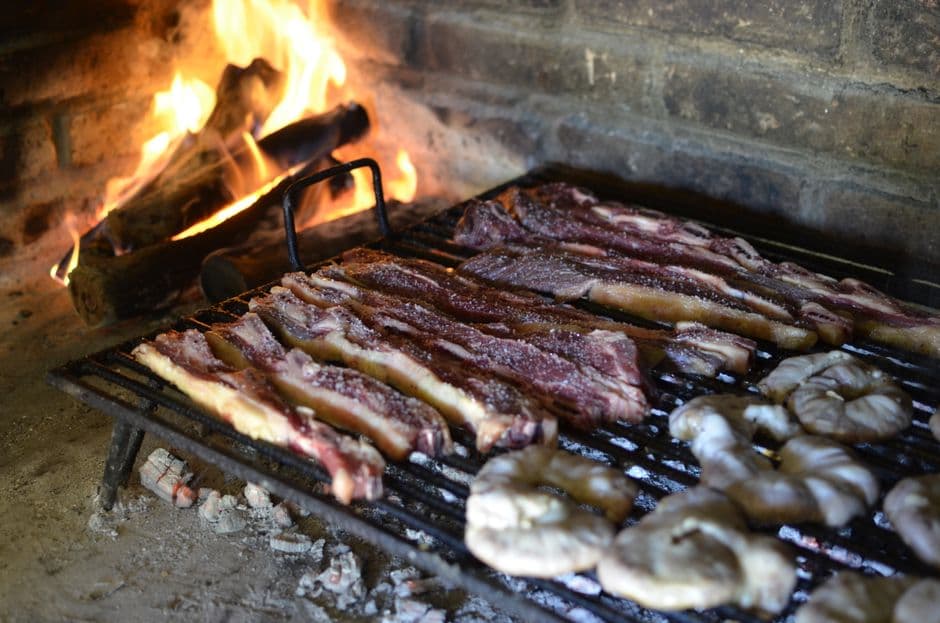
El asado lento a brasas de leña de cortes de carne, salchichas y despojos es el ritual nacional, sazonado únicamente con sal y paciencia.
Chimichurri
La salsa de perejil, ajo, orégano, vinagre y aceite es el condimento esencial del asado y se sirve sobre carnes asadas en lugar de marinarlas.
Empanadas
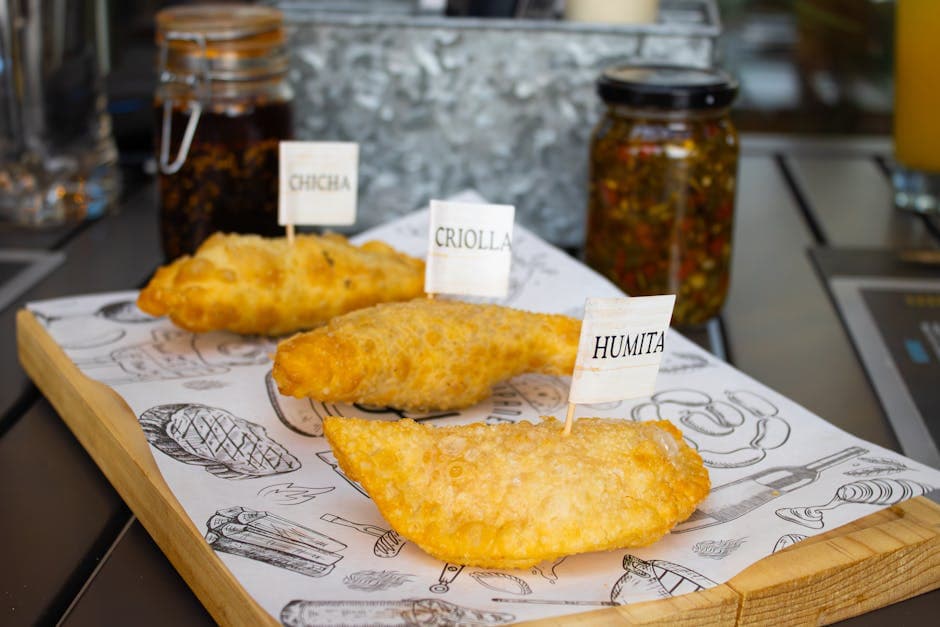
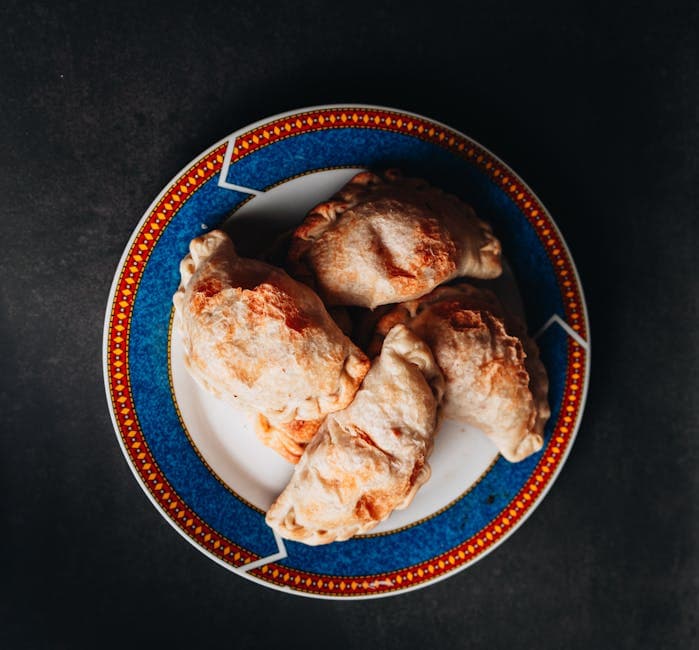
Los pasteles rellenos horneados o fritos varían según la provincia: la carne de res cortada a mano de Salta con papa, la de Tucumán con pasas y aceitunas.
herencia italiana
Las milanesas, la pasta fresca, los ñoquis del 29 y la pizza fugazzeta de masa gruesa llegaron con la inmigración italiana masiva y se convirtieron en productos básicos nacionales.
dulce de leche
El caramelo de leche cocido a fuego lento rellena alfajores, facturas y postres, y se consume en cantidades incomparables en otros lugares.
Yerba Mate
La amarga infusión compartida, sorbida a través de una bombilla de calabaza, estructura la vida social desde el desayuno.
Cocina con las manos libres
Consigue planes de comida con IA, modo de cocina paso a paso y tus recetas guardadas en la app gratuita Bento.
Planifica tus comidas, controla tu ayuno y crea tu lista de compras — gratis
El panel de MyCookingCalendar funciona directamente en tu navegador, sin descargas.
Latin American Cuisine: Recipes from Mexico to Argentina
Explore the diverse flavors of Latin America with 40+ authentic recipes from Mexico, Peru, Brazil, and beyond.
14 Real Recipes With 5 Ingredients or Less
14 well-rated recipes from around the world that use five ingredients or fewer — proof that a short ingredient list doesn't mean a compromise on flavor.
14 High-Protein Recipes With the Numbers to Prove It
14 real recipes from our database with genuinely high protein per serving — verified against actual nutrition data, spanning chicken, beef, lamb, pork, fish, and plant-based sources.

Grass-fed beef grilled over high heat, sliced and drowned in vivid, herby chimichurri sauce — Argentina's asado at home.

Golden pastry parcels filled with spiced beef, olives, egg and raisins — Argentina's beloved street food.

Flaky hand-crimped pastry pockets filled with spiced ground beef, olives, hard-boiled egg and raisins — the ultimate snack.

A hearty and traditional Argentinian stew perfect for cold days.

A delicious breaded meat cutlet topped with ham, cheese, and tomato sauce.

Delightful sandwich cookies filled with dulce de leche and coated in chocolate.

Fluffy Argentine pancakes generously filled and topped with dulce de leche — a simple national treat.

Traditional Argentine wood-fire grilled beef.

Baked pastry pockets filled with seasoned beef.

Sweet Argentine crescent pastries.

Dulce de leche sandwich cookies coated in coconut.

Grilled provolone cheese with oregano and chili.

Argentinian breaded beef steak topped with a fried egg.

Crispy fried dough sticks filled with Argentine caramel.

Hearty Argentine white bean and pork stew for cold weather.

Argentina's sacred fire ritual — whole cuts of beef, short ribs, and chorizo slow-cooked over smouldering hardwood coals until gloriously charred and impossibly juicy.

Thin-cut beef skirt steak grilled fiercely over high heat and blanketed with vibrant, herby chimichurri — the definitive weeknight asado.

The definitive South American barbecue — thick-cut beef ribs and flank steak cooked low and slow over wood embers, served with the vibrant herb sauce that is Argentina's gift to the world.

Argentina's beloved stuffed pastries — flaky hand-crimped crescents filled with spiced ground beef, hard-boiled egg and olives, baked or fried to golden perfection.

Argentina's thick, rustic national stew — white corn hominy, white beans, squash, pork and chorizo simmered for hours into a rich, warming one-pot meal. The dish of Argentina's national holidays.

Argentina's greatest street food — grilled chorizo in a crusty baguette roll with chimichurri and salsa criolla.

Grilled provolone cheese with oregano and chilli — Argentina's classic asado starter, crispy on the outside and molten within.

Argentinian breaded-beef cutlet topped with tomato sauce, ham, and melted mozzarella — Buenos Aires comfort food.

Argentina's iconic herb-and-garlic sauce — finely chopped parsley, oregano, garlic, vinegar, and olive oil for every grilled meat.

Argentine flaky beef empanadas with cumin, paprika, hard-boiled egg, and a single olive — the asado's perfect handheld companion.

The Mendoza-style beef empanada — flaky baked or fried pastry filled with hand-cut beef, onion, hard-boiled egg, green olive and a generous pinch of cumin, served with a glass of Malbec.

The legendary Argentine grill — beef short ribs, flank steak and chorizo slow-cooked over wood embers, dressed with herbaceous chimichurri sauce.

Argentinian stuffed flank steak rolled with eggs, vegetables, and herbs — sliced for stunning presentation.

Argentinian creamy fresh corn stew with sweet basil and goat cheese — comforting Andean classic.

Argentinian shepherd's pie with seasoned ground beef and creamy mashed potatoes — family Sunday classic.

The iconic Latin American celebration cake: a light sponge soaked in a mixture of three milks until saturated and trembling, topped with billowy whipped cream.

Argentina's sacred weekend ritual: beef ribs, chorizo, and offal cooked low-and-slow over hardwood embers on a parrilla, served with chimichurri.

Flaky hand-crimped pastry half-moons filled with spiced beef, hard-boiled egg, and green olives — Argentina's most beloved savoury snack, baked golden.

A thin Argentine flank steak rolled around hard-boiled eggs, peppers, and herbs, then braised or grilled until tender — served sliced to reveal a mosaic cross-section.

Argentine grilled veal sweetbreads — cleaned, grilled over hardwood coals until golden and crunchy outside, creamy within. The prized first course of every asado.

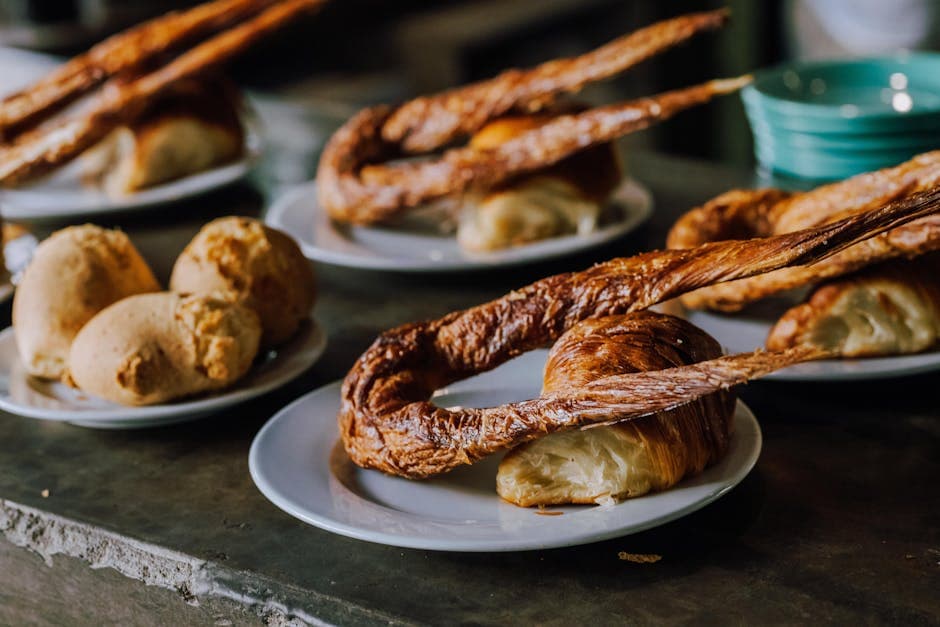
The flaky, sweet pastries of Buenos Aires panaderías: medialunas de manteca, vigilantes, and cañoncitos filled with dulce de leche or quince paste.

Argentina's national spread: whole milk and sugar cooked for hours until deeply caramel, silky, and bronzed — the building block of all Argentine desserts.

Crumbly cornstarch cookies sandwiched with dulce de leche and rolled in desiccated coconut or dipped in dark chocolate — Argentina's most beloved everyday treat.
Argentinian Market Lemon Herb Rice Bowl brings argentinian flavor to a practical rice bowl built with chicken thighs, chimichurri, beef, oregano and red wine vinegar, and a fresh parsley finish.
Argentinian Village Smoky Tomato Soup brings argentinian flavor to a practical soup built with mushrooms, chimichurri, beef, oregano and red wine vinegar, and a fresh parsley finish.
Argentinian Garden Sesame Lime Skillet brings argentinian flavor to a practical skillet dinner built with cauliflower, chimichurri, beef, oregano and red wine vinegar, and a fresh parsley finish.
Argentinian Harbor Charred Pepper Noodles brings argentinian flavor to a practical noodle dish built with rice noodles, chimichurri, beef, oregano and red wine vinegar, and a fresh parsley finish.
Argentinian Mountain Green Herb Salad brings argentinian flavor to a practical salad built with grilled chicken, chimichurri, beef, oregano and red wine vinegar, and a fresh parsley finish.
Argentinian Festival Lemon Herb Flatbread brings argentinian flavor to a practical flatbread built with flatbread dough, chimichurri, beef, oregano and red wine vinegar, and a fresh parsley finish.
Argentinian Homestyle Smoky Tomato Traybake brings argentinian flavor to a practical traybake built with sweet potatoes, chimichurri, beef, oregano and red wine vinegar, and a fresh parsley finish.
Argentinian Street Sesame Lime Fritters brings argentinian flavor to a practical fritters built with salted fish, chimichurri, beef, oregano and red wine vinegar, and a fresh parsley finish.
Argentinian Golden Charred Pepper Breakfast Plate brings argentinian flavor to a practical breakfast plate built with beans, chimichurri, beef, oregano and red wine vinegar, and a fresh parsley finish.
Argentinian Weeknight Green Herb Dessert brings argentinian flavor to a practical dessert built with coconut, chimichurri, beef, oregano and red wine vinegar, and a fresh parsley finish.
Seared beef strips tossed in fresh chimichurri over rice with roasted potatoes — a quick take on classic Argentine flavors.
A creamy Argentinian-style squash and sweet potato soup, finished with olive oil, oregano and a swirl of yogurt.
Crispy pan-seared tofu tossed in chimichurri with roasted potatoes and peppers, an Argentine-inspired vegetarian skillet.
A hearty warm potato and shrimp salad tossed in fresh chimichurri, finished with mint and parsley.
Oven-baked black beans with charred onions and roasted potatoes, finished with a spoonful of fresh chimichurri.
Golden pan-fried pumpkin fritters with melty cheese, seasoned simply and served with fresh chimichurri for dipping.
A thick, Argentine-style potato and spinach tortilla, sliced into wedges for a hearty breakfast or brunch plate.
Layers of creamy yogurt, rich dulce de leche and toasted nuts — a quick, no-bake Argentinian-style parfait.
A homestyle Argentinian chicken and potato guiso, simmered slow in a paprika-tomato broth and finished with lemon and parsley.
Smoky grilled mushrooms tossed in fresh chimichurri, wrapped with roasted potatoes for an Argentine-inspired vegetarian lunch.
Thick cauliflower steaks grilled hard until charred, doused in bright chimichurri and served with roasted potatoes.
Bell peppers stuffed with seasoned rice, ground beef and herbs, baked until tender — an Argentine home-kitchen classic.
A warm potato and chickpea salad dressed in bright chimichurri, an Argentine-style side that works hot or at room temperature.
Argentine grilled flank steak, salted simply and finished with chimichurri, the way it comes off a real parrilla.
A thick disk of aged provolone grilled directly over the fire until it's blistered outside and molten within.
A grilled chorizo sandwich piled with chimichurri, Argentina's classic street-food snack from every asado stand.
A one-pot Argentine chicken and rice dinner built on a slow sofrito base, simmered until the rice soaks up every drop of broth.
Grilled chorizo split and stuffed into crusty bread with a bright, garlicky chimichurri given an unusual saffron twist.
Simmered beef meatballs in a rich tomato sauce, finished with a bright mint-forward chimichurri drizzle.
A hearty pot of white beans, corn, squash and beef simmered low and slow, finished with a bright lemon-pepper touch.
A thick potato and onion omelet, Spanish-Argentine style, finished with a generous handful of fresh parsley and chives.
Creamy stone-ground polenta topped with slowly caramelized onions and parmesan, a comforting northern Italian-Argentine dish.
Whole hake fillets baked with a toasted cumin-paprika crust and lemon, a simple Patagonian coastal preparation.
A large, shareable version of Argentina's classic beef empanada filling, baked open in one pan instead of individual pockets.
A tangy chopped tomato, onion and pepper salad, the classic Argentine grill-side salad, topped with herb butter croutons.
Whole chicken roasted until deeply golden, served with a bright, herby chimichurri that leans on fresh mint alongside parsley.
Grill-style roasted vegetables baked with melted provoleta cheese and a sharp lemon-pepper finish, an asado side turned main.
Two soft, crumbly cookies sandwiching thick dulce de leche, given an unexpected herbal warmth from a hint of fresh thyme.
Thin, delicate crepes rolled around dulce de leche, a classic Argentinian breakfast and dessert.
A hearty bowl of quinoa, grilled vegetables and chimichurri, drawing on Argentina's love of open-flame cooking.
Garlic shrimp and rice finished with a bright chimichurri drizzle, a coastal-leaning take on Argentina's beloved sauce.
A hearty lentil and chorizo stew simmered with tomato, paprika and vegetables, classic Argentinian winter comfort food.
Bell peppers stuffed with seasoned ground beef, rice and olives, baked in a light tomato sauce.
A layered beef and potato bake similar to shepherd's pie, seasoned with cumin, olives and hard-boiled egg.
A grilled chorizo patty topped with chimichurri and salsa criolla, inspired by Argentina's iconic choripan sandwich.
A silky baked custard topped with dulce de leche instead of the usual caramel, Argentina's favorite twist on flan.
A festive spread of grilled short ribs, chorizo and chimichurri, Argentina's traditional celebration meal built around the parrilla.
Argentina es conocida sobre todo por la carne de res: asado asado a la parrilla sobre brasas de leña, filetes como el bife de chorizo y salsa chimichurri. Más allá de la carne de res, sus firmas son las empanadas, las milanesas, el dulce de leche, las galletas de alfajores y la yerba mate. La fuerte inmigración italiana también hizo que la pasta, los ñoquis y una distintiva pizza de masa gruesa formaran parte de la dieta nacional.
El asado asa la carne lentamente sobre brasas de madera dura (sin llama directa ni cámaras de humo), sazonada solo con sal gruesa, sin frotar ni salsa durante la cocción. Es un evento social de varias horas que avanza a través de embutidos, despojos y cortes como el asado de tira. La barbacoa americana ahuma carne con aderezos y salsas; El único condimento del asado, el chimichurri, se añade en la mesa.
No, se encuentra entre las cocinas menos picantes de América Latina. El condimento se basa en sal, ajo, perejil, orégano y pimentón; El chimichurri tiene un sabor picante y a hierbas, pero prácticamente no tiene picor. Incluso los rellenos de empanadas usan pimentón dulce y comino en lugar de chile. Cualquier persona sensible a las especias puede comer cómodamente todo el repertorio argentino.
El chimichurri tarda cinco minutos y transforma cualquier bistec a la parrilla. Las milanesas (chuletas de pollo o ternera empanizadas y fritas) son sencillas entre semana y a menudo están cubiertas con tomate y queso como la milanesa napolitana. Las empanadas de ternera al horno son un proyecto satisfactorio de fin de semana con discos de masa (tapas) comprados en la tienda. Alfajores con dulce de leche cubren postre sin habilidad avanzada de repostería.
La yerba mate es una infusión con cafeína de la planta Ilex paraguariensis, que se bebe caliente de una calabaza (mate) a través de una pajita de metal filtrada (bombilla). Una persona, el cebador, rellena la calabaza con agua caliente (nunca hirviendo, alrededor de 70-80°C) y la pasa en círculo; cada bebedor termina la calabaza antes de volver a llenarla. Es herbáceo, amargo y tiene tanto ritual social como una bebida.