Svíčková na Smetaně (Czech Beef Sirloin in Cream Sauce)
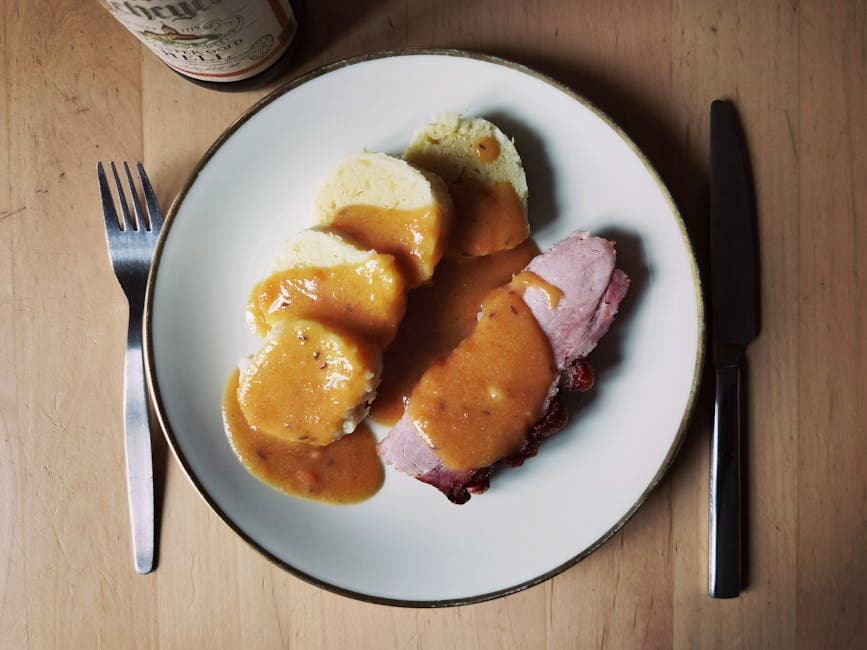
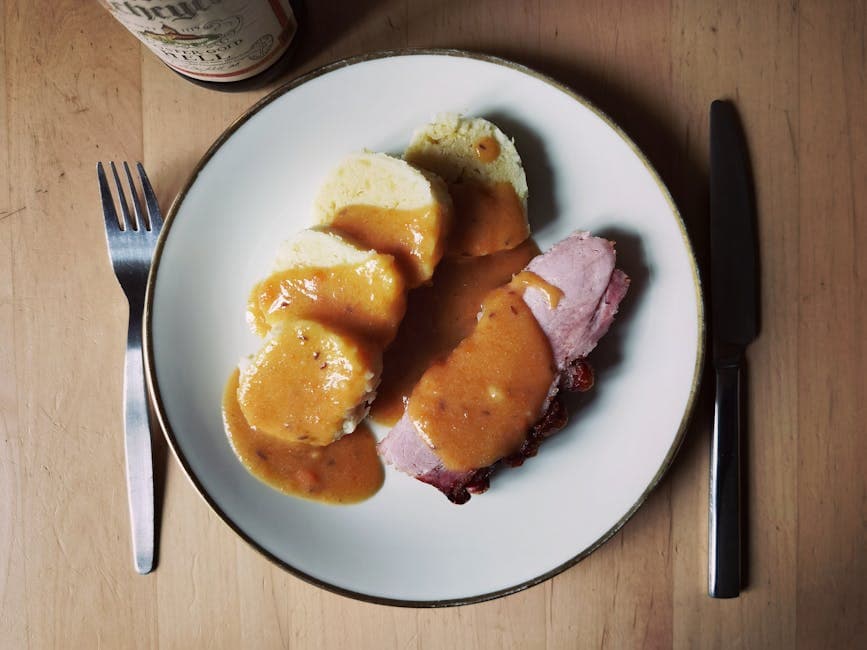
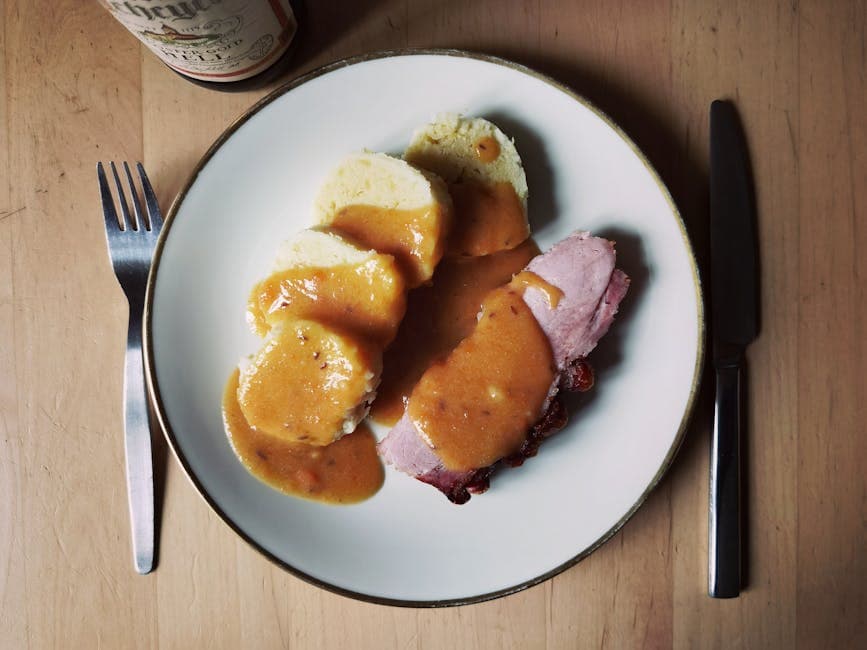
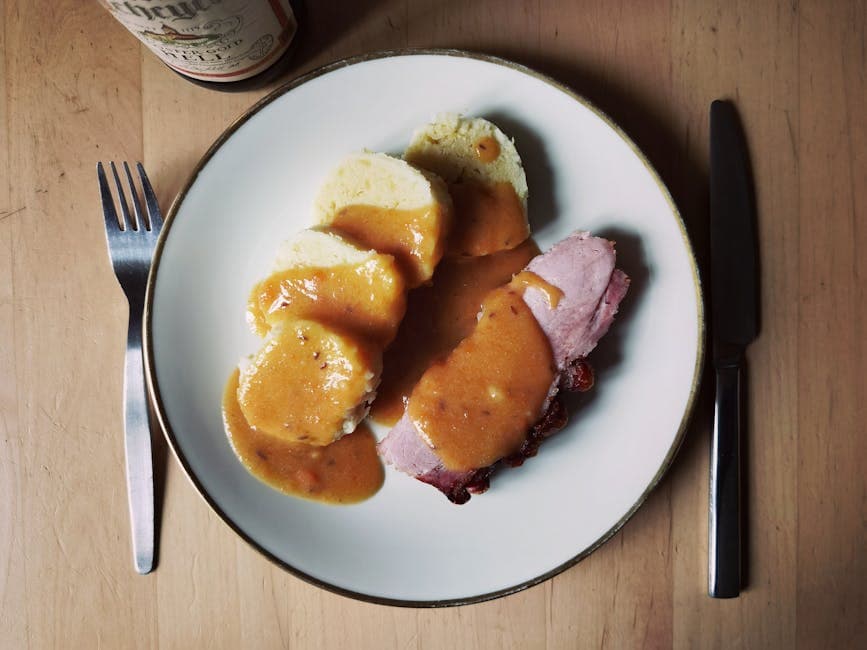
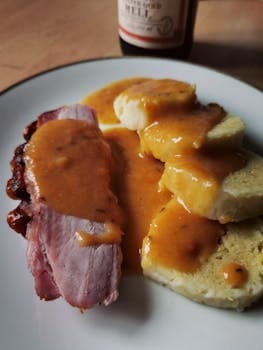
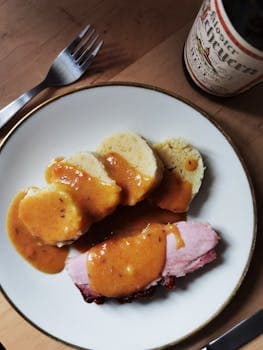
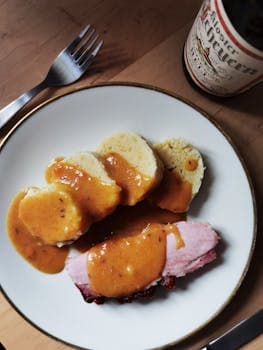
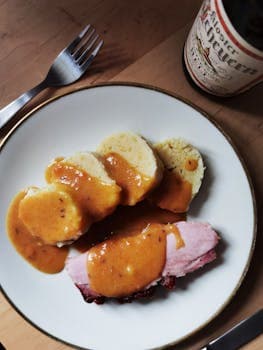
Czechia's most beloved Sunday dish — braised beef sirloin in a silky root vegetable cream sauce, served with bread dumplings, cranberries and whipped cream.
Svíčková, goulash, koláče: abundante cocina bohemia con albóndigas de pan y Pilsner.
La cocina checa es una cocina reconfortante centroeuropea moldeada por las cocinas austrohúngaras y la tradición rural bohemia, con el knedlík (pan hervido o bola de masa de papa, cortado en rodajas y servido para remojar en salsa) como su alimento básico definitorio. El plato nacional canónico es vepřo knedlo zelo: cerdo asado con albóndigas de pan y chucrut estofado, mientras que svíčková na smetaně (solomillo de ternera en una salsa cremosa de tubérculos con arándanos y una rodaja de limón) es el punto de referencia festivo por el que se juzga a los cocineros checos.
Las salsas y sopas son la base de la cocina: las comidas tradicionalmente se abren con polévka (sopa de ajo česnečka, sopa de papa bramboračka, sopa de callos dršťková), y los platos principales se preparan alrededor de omáčky espesado con harina y cocido a fuego lento: salsa de eneldo (koprovka), tomate y champiñones. Guláš, tomado de Hungría y hecho más espeso y suave, es tanto comida de pub como comida casera, siempre con albóndigas y cebolla cruda, idealmente junto con cerveza estilo Pilsner: los checos beben más cerveza per cápita que cualquier nación del mundo.
La repostería es la mitad más dulce de la identidad: kolache (koláče) cubierto con queso de granjero tvaroh, semillas de amapola o povidla de ciruela; ovocné knedlíky, bolas de masa rellenas de frutas aderezadas con mantequilla derretida, tvaroh y azúcar que sirven legítimamente como plato principal; y pan trenzado navideño vánočka. Los cocineros caseros mantienen la alcaravea, la mejorana y el ajo como el trío de condimentos principal, y el almuerzo del domingo (sopa, asado, albóndigas y cerveza) sigue siendo la comida principal de la semana.
Knedlíky (empanadillas)
Pan hervido o bolas de masa de patata, cortadas como una hogaza: el acompañamiento esencial para remojar en salsa y, en forma rellena de fruta, un plato principal dulce.
Omáčky (salsas)
Las salsas cremosas espesadas con harina (crema de tubérculos de svíčková, koprovka de eneldo y tomate) definen cómo se elaboran los platos principales checos.
Cerdo asado y chucrut
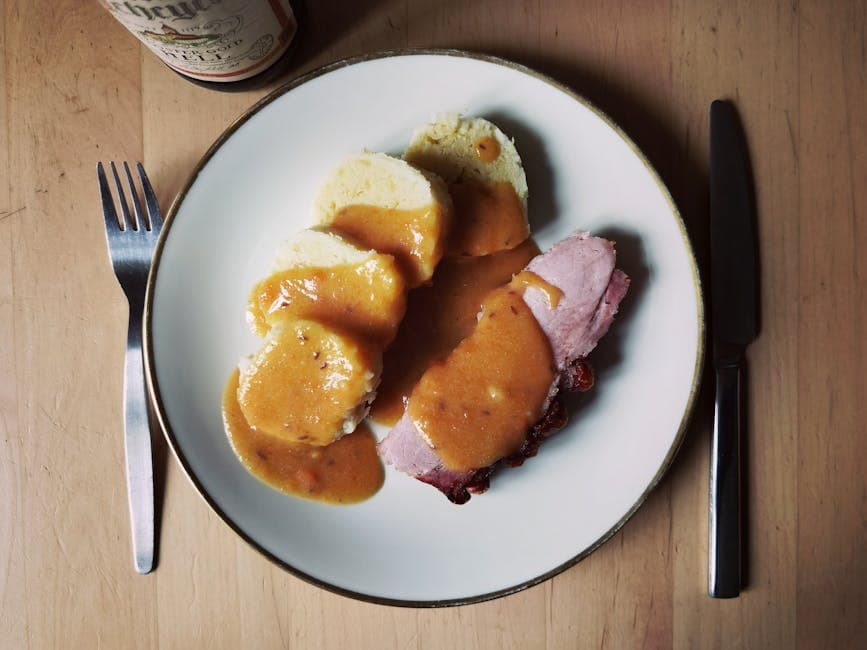
El Vepřo knedlo zelo, cerdo asado con albóndigas y zelí estofado, es el plato nacional consensuado de Bohemia.
Sopas (polévky)
La česnečka de ajo, la bramboračka de patata y el caldo de ternera con albóndigas de hígado son tradicionalmente los ingredientes principales de cualquier almuerzo checo.
Cultura cervecera
La cerveza Pilsner, inventada en Pilsen en 1842, se trata como parte de la comida; Los checos son líderes mundiales en consumo per cápita.
horneado dulce
El kolache de tvaroh y semillas de amapola, el buchty de mermelada de ciruela y la vánočka trenzada transmiten la tradición pastelera bohemia.
Cocina con las manos libres
Consigue planes de comida con IA, modo de cocina paso a paso y tus recetas guardadas en la app gratuita Bento.
Planifica tus comidas, controla tu ayuno y crea tu lista de compras — gratis
El panel de MyCookingCalendar funciona directamente en tu navegador, sin descargas.

Czechia's most beloved Sunday dish — braised beef sirloin in a silky root vegetable cream sauce, served with bread dumplings, cranberries and whipped cream.

The Czech interpretation of goulash — beef slow-braised with enormous quantities of onions and paprika into a thick, deeply savoury sauce. Served with bread dumplings and always with a dark beer.

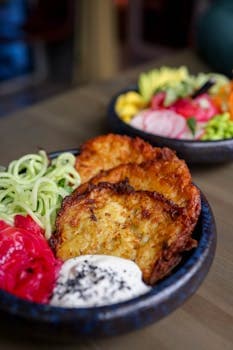
Czech potato pancakes — coarsely grated potato, egg, garlic and marjoram fried in lard until golden and crispy at the edges. Simple, addictive, and the street food of Czech markets.

Czech Republic's beloved hangover cure — a clear broth intensely flavoured with garlic, caraway and marjoram, poured over toasted bread and a poached or fried egg. Simple and restorative.

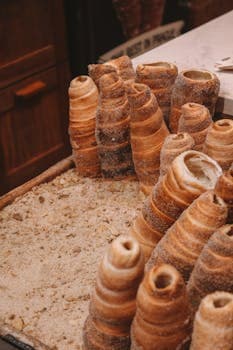
Czech spiral pastry wrapped around a rod and grilled over open flame, dusted with cinnamon sugar.

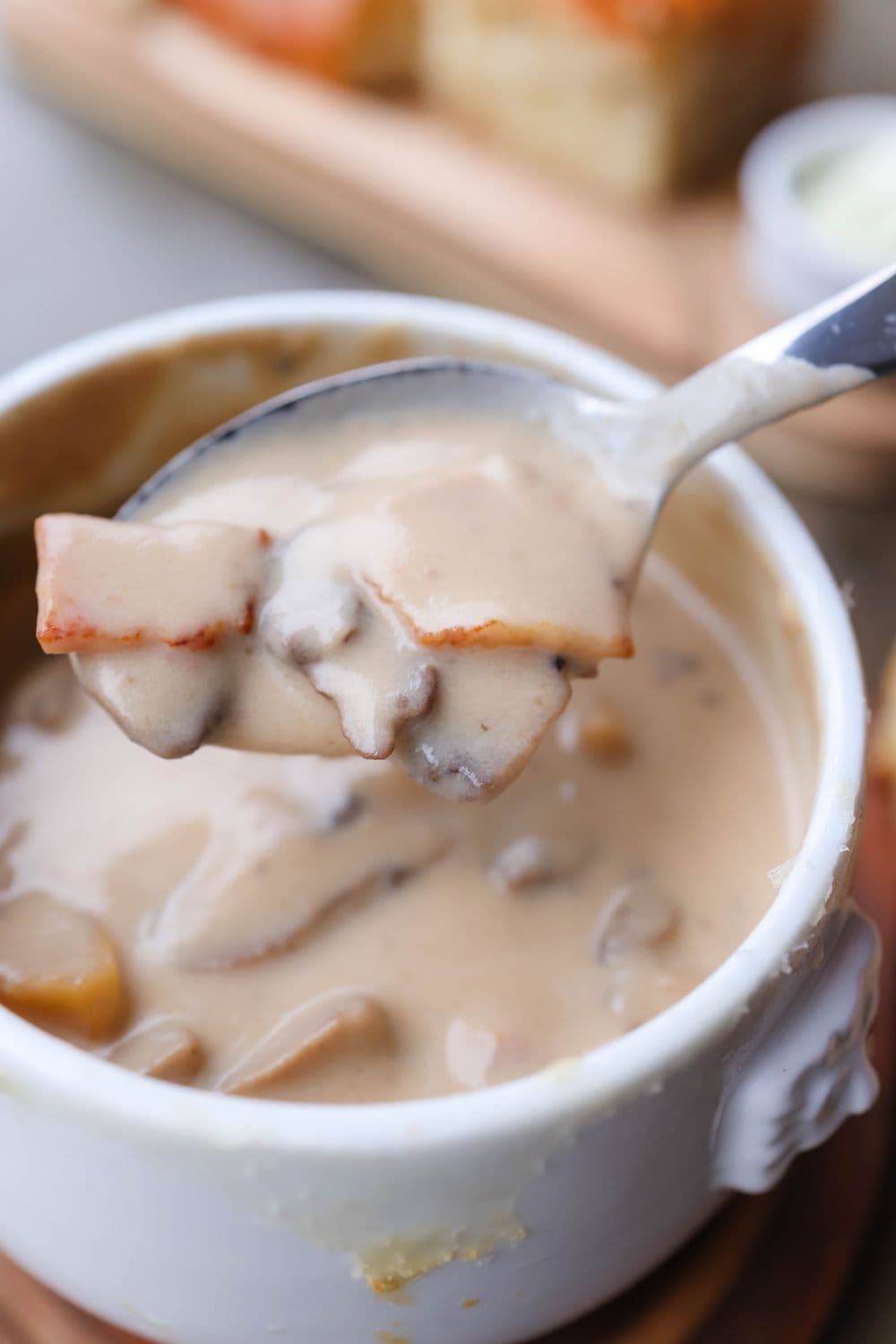
Creamy Czech soup with mushrooms, dill, potatoes and a poached egg — a Bohemian classic.

The Czech national dish — roast pork with bread dumplings and braised sauerkraut.

Czech sweet dumplings filled with plum jam, rolled in toasted breadcrumbs and butter — a traditional dessert.

Czech barley and mushroom bake — a humble, earthy Christmas Eve dish of Bohemian peasant tradition.

Marinated beef sirloin in a silky vegetable-cream sauce, served with bread dumplings, cranberries and whipped cream — Czechia's national dish.

Slow-cooked beef and onion stew with paprika, caraway and bread dumplings — Bohemia's hearty answer to Hungarian goulash.

Roast pork with bread dumplings and sweet-sour sauerkraut — the iconic Czech pub trio.

Soft, round Czech pastries with a sweet poppy seed, plum or curd cheese filling — Bohemia's most beloved sweet.

Creamy potato-mushroom soup with dill, vinegar and a poached egg — the comfort soup of Czech farmhouses.

Sweet-and-sour tomato sauce served over beef and bread dumplings — the comfort food of every Czech childhood.

Breaded fried Edam cheese — Czechia's favourite vegetarian fast food, served with tartar sauce and chips.

Soft potato-dough dumplings filled with whole plums, strawberries or apricots — Czech summer dessert at its best.

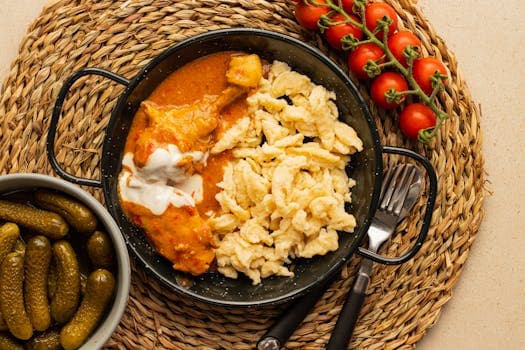
Tender chicken in a velvety sour cream-paprika sauce — Czechia's lighter cousin of the Hungarian classic, served with bread dumplings.

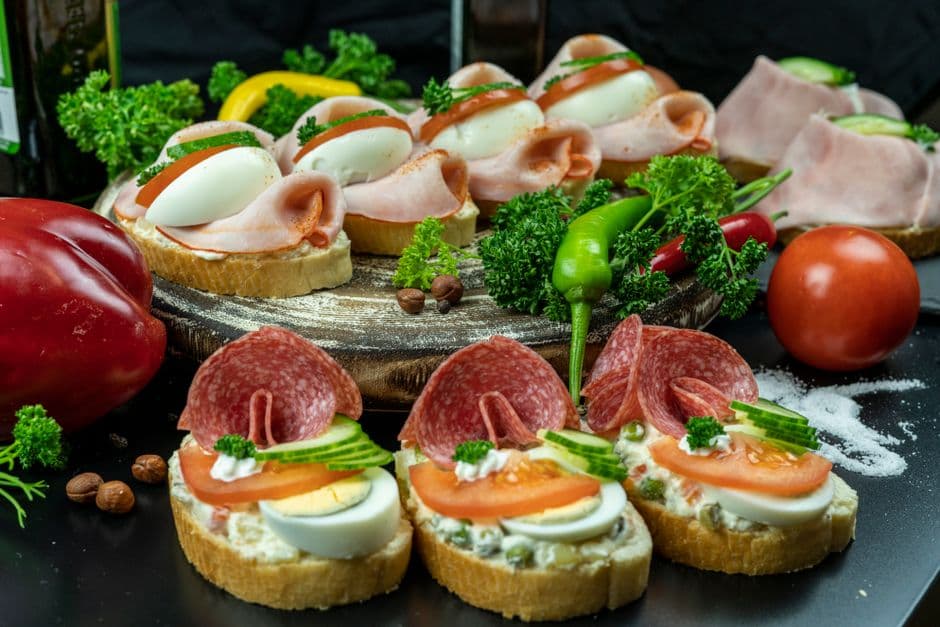
Open-face sandwiches on slices of veka bread topped with elaborate decorations — the iconic Czech party food.

Czech marinated beef in root-vegetable cream sauce, served with bread dumplings, cranberries, and lemon.

Czech Sunday-lunch icon — marinated beef in a silky root-vegetable cream sauce with bread dumplings, cranberry, and lemon.

Czech-Moravian national dish — beef sirloin slow-braised with root vegetables, blended into a velvety cream sauce, served with bread dumplings.

The Czech national dish — beef sirloin braised in a vegetable-cream sauce, sliced and served with bread dumplings, cranberry jam and whipped cream.
Czech Market Lemon Herb Rice Bowl brings czech flavor to a practical rice bowl built with chicken thighs, caraway, paprika, beer and sour cream, and a fresh parsley finish.
Czech Village Smoky Tomato Soup brings czech flavor to a practical soup built with mushrooms, caraway, paprika, beer and sour cream, and a fresh parsley finish.
Czech Garden Sesame Lime Skillet brings czech flavor to a practical skillet dinner built with cauliflower, caraway, paprika, beer and sour cream, and a fresh parsley finish.
Czech Harbor Charred Pepper Noodles brings czech flavor to a practical noodle dish built with rice noodles, caraway, paprika, beer and sour cream, and a fresh parsley finish.
Czech Mountain Green Herb Salad brings czech flavor to a practical salad built with grilled chicken, caraway, paprika, beer and sour cream, and a fresh parsley finish.
Czech Festival Lemon Herb Flatbread brings czech flavor to a practical flatbread built with flatbread dough, caraway, paprika, beer and sour cream, and a fresh parsley finish.
Czech Homestyle Smoky Tomato Traybake brings czech flavor to a practical traybake built with sweet potatoes, caraway, paprika, beer and sour cream, and a fresh parsley finish.
Czech Street Sesame Lime Fritters brings czech flavor to a practical fritters built with salted fish, caraway, paprika, beer and sour cream, and a fresh parsley finish.
Czech Golden Charred Pepper Breakfast Plate brings czech flavor to a practical breakfast plate built with beans, caraway, paprika, beer and sour cream, and a fresh parsley finish.
Czech Weeknight Green Herb Dessert brings czech flavor to a practical dessert built with coconut, caraway, paprika, beer and sour cream, and a fresh parsley finish.
Beef sirloin slow-braised with root vegetables until the sauce turns silky and slightly sweet, served with bread dumplings and cranberries.
Grated potato pancakes seasoned with garlic and marjoram, fried until deeply golden and crisp at the edges, a beloved Czech street food.
Slow-roasted pork shoulder served with soft bread dumplings and tangy braised sauerkraut, the quintessential Czech Sunday dinner.
A thick, dark beef stew flavored with paprika and caraway, distinctly less soupy than Hungarian gulyás, served with bread dumplings.
A yeasted dough wound around a wooden spit, roasted over open flame until golden, and rolled in cinnamon sugar and walnuts.
A thick slab of breaded, deep-fried cheese with a molten interior, served in a bun with tartar sauce, a beloved Czech fast-food staple.
A hearty, slightly tangy potato soup studded with mushrooms and marjoram, a beloved everyday Czech comfort food.
Soft potato or quark dough wrapped around whole plums or apricots, boiled, then rolled in buttery breadcrumbs and dusted with sugar.
Halved sausages pickled in a spiced vinegar brine with onions, a tangy, beer-friendly pub snack served cold.
A tangy, creamy potato and mushroom soup finished with fresh dill and a poached egg, a beloved South Bohemian specialty.
Tender beef simmered in a sweet-tangy tomato sauce, a nostalgic Czech comfort dish often served with bread dumplings or rice.
A yeasted bread dough studded with cubed bread, poached whole and sliced, the essential starchy side for nearly every Czech braise.
Pork simmered with sauerkraut in a paprika sauce finished with sour cream, a tangy, comforting Czech take on goulash.
Soft, pillowy yeasted buns with a hollowed center filled with fruit jam, poppy seed or farmer's cheese, and a crumbly streusel topping.
A rich, braided sweet bread studded with raisins and almonds, traditionally baked for Christmas morning breakfast across the Czech Republic.
A tangy, hearty soup of sauerkraut and smoked sausage simmered with potatoes, a warming Czech winter staple.
Small, elaborately topped open-faced sandwiches on white bread, arranged with ham, egg, cheese and vegetables, a beloved Czech party classic.
Tangy pickled sausages and onion piled on rye bread, a Czech pub classic known as utopenci, or 'drowned men,' served straight from the jar.
Crispy, garlicky grated potato pancakes fried until golden, finished with a pat of fresh herb butter, a beloved Czech street food and home dish.
A hearty baked Czech meatloaf with a whole hard-boiled egg hidden in the center, seasoned with marjoram and served sliced with potatoes.
A thick, hearty bean soup simmered with smoked pork and marjoram, a warming Czech classic served with dark bread.
A hearty pan omelet loaded with diced boiled potato, onion and fresh herbs, a simple Czech farmhouse breakfast that stretches eggs into a full meal.
Simple, nutty buckwheat groats simmered soft and finished with browned butter, a traditional Czech side dish and comfort food known as kaše.
Whole carp fillets baked with a garlic and marjoram herb butter, the fish dish central to a traditional Czech Christmas Eve dinner.
Soft potato dough wrapped around whole plums or apricots, boiled until tender and finished with melted butter and sweetened breadcrumbs.
Diced boiled potato tossed with pickles, carrot, egg and mayonnaise, the classic Czech potato salad served at Christmas alongside fried carp.
A whole chicken rubbed with marjoram, caraway and garlic, roasted until deeply golden, a Sunday classic across Czech households.
Shredded cabbage slow-braised with bacon, onion and caraway seed, then finished in the oven, a hearty Czech vegetable side turned into a bake.
Sweet yeasted dough wrapped around a rolling pin, grilled over coals and rolled in cinnamon sugar and walnuts, the popular Czech street pastry trdelník.
Crispy Czech potato pancakes flavored with garlic, marjoram and cumin, fried until golden at the edges.
A hearty Czech pearl barley and mushroom bowl seasoned with garlic and marjoram, finished with toasted sesame for crunch.
Pan-seared trout served over rice with a creamy Czech dill sauce (koprova omacka), a classic homestyle pairing.
A tangy, cumin-scented Czech lentil stew bowl finished with a splash of vinegar and served over bread or rice.
Classic Czech stuffed peppers filled with rice and beef in tomato sauce, finished with a scatter of toasted sesame.
A comforting Czech bread dumpling bake layered with smoked ham, egg custard and melted cheese.
A juicy Czech-style spiced beef patty seasoned with garlic, marjoram and cumin, served burger-style with tangy mustard.
A warm, creamy Czech semolina pudding sweetened with sugar and cinnamon, a classic homestyle dessert or breakfast.
A festive Czech roast duck plate with a browned butter pan gravy, served alongside bread dumplings and braised cabbage.
La cocina checa es conocida por sus abundantes platos de carne y albóndigas: cerdo asado con chucrut (vepřo knedlo zelo), ternera svíčková en salsa cremosa de verduras y gulash con albóndigas de pan. Sopas como platos abiertos de česnečka con ajo, pasteles kolache y albóndigas de frutas cubren el lado dulce, y la cerveza Pilsner, inventada en Pilsen, se considera una parte integral de la mesa.
Se superponen en la carne de cerdo, el repollo y la cerveza, pero la cocina checa se centra en las salsas, mientras que la comida alemana se inclina hacia los asados con guarniciones. El knedlík checo, una bola de masa hervida de pan rebanado, se diferencia del Klöße de patata alemán, y los omáčky cremosos como la salsa de tubérculos de svíčková no tienen una contraparte alemana directa. El gulash checo es más espeso que el húngaro y más suave, y las albóndigas dulces rellenas de frutas sirven como platos principales.
Svíčková na smetaně es un solomillo de ternera mechado y asado sobre una base de zanahorias, apio nabo, raíz de perejil y cebolla, que luego se hace puré con nata hasta obtener una salsa aterciopelada y ligeramente dulce. Se sirve con bolas de masa de pan, compota de arándanos, una rodaja de limón y crema batida. Es el estándar festivo de la cocina checa, el plato por el que se juzgan las recetas familiares y los restaurantes.
No, la comida checa se encuentra entre las más suaves de Europa. El condimento se basa en alcaravea, mejorana, ajo, pimentón dulce y laurel, y la riqueza se obtiene de la grasa de cerdo, la mantequilla y la crema en lugar de picante. Incluso el gulash, picante en su tierra natal húngara, se hace suave y espeso en la versión checa. El sabor picante proviene del chucrut, los pepinillos encurtidos, la mostaza y el rábano picante rallado, servidos con carne de res hervida.
El gulash checo es la entrada más indulgente: estofado de carne de res con muchas cebollas, pimentón dulce, alcaravea y mejorana hasta que espese, y sírvalo con albóndigas de pan caseras o compradas en la tienda. Bramboráky (panqueques de papa con ajo y mejorana) toma treinta minutos y solo necesita artículos de la despensa. Una vez que se sienta cómodo, pruebe el houskové knedlíky (albóndigas de pan), la habilidad que abre toda la cocina.