
Nuevostarter
Smørrebrød
El icónico sándwich abierto de pan de centeno de Dinamarca: denso rugbrød oscuro cubierto de arenque en escabeche, huevo y gamba en composiciones elegantes y artísticas.
20 min320 kcalFácil
★4.6(743)
Smørrebrød, æbleskiver, flæskesteg: cocina nórdica elegante y abundante.
Más recetas construidas alrededor de los mismos ingredientes principales.
Controla lo que comes
Fotografía tu comida para registrar calorías y macros, usa temporizadores de ayuno y controla tu agua en la app gratuita SnapCal.
Planifica tus comidas, controla tu ayuno y crea tu lista de compras — gratis
El panel de MyCookingCalendar funciona directamente en tu navegador, sin descargas.
El icónico sándwich abierto de pan de centeno de Dinamarca: denso rugbrød oscuro cubierto de arenque en escabeche, huevo y gamba en composiciones elegantes y artísticas.

Las queridas tortitas esféricas de Dinamarca: ligeras y esponjosas bolas de masa cocinadas en una sartén especial de hierro y servidas espolvoreadas con azúcar glas y mermelada de frambuesa.

Tiernas hamburguesitas de cerdo y ternera salteadas con cebolla, huevo y harina — el plato casero más querido de Dinamarca, servido con patatas y lombarda encurtida.
La forma de arte de Dinamarca hecha comestible: pan de centeno oscuro cubierto con arenque, salmón ahumado, rosbif o huevo, adornado con guarniciones tradicionales — la cultura escandinava del bocadillo abierto.

Un clásico de la Navidad danesa: lomo de cerdo asado lentamente con la corteza más crujiente imaginable, servido con col lombarda y patatas caramelizadas.

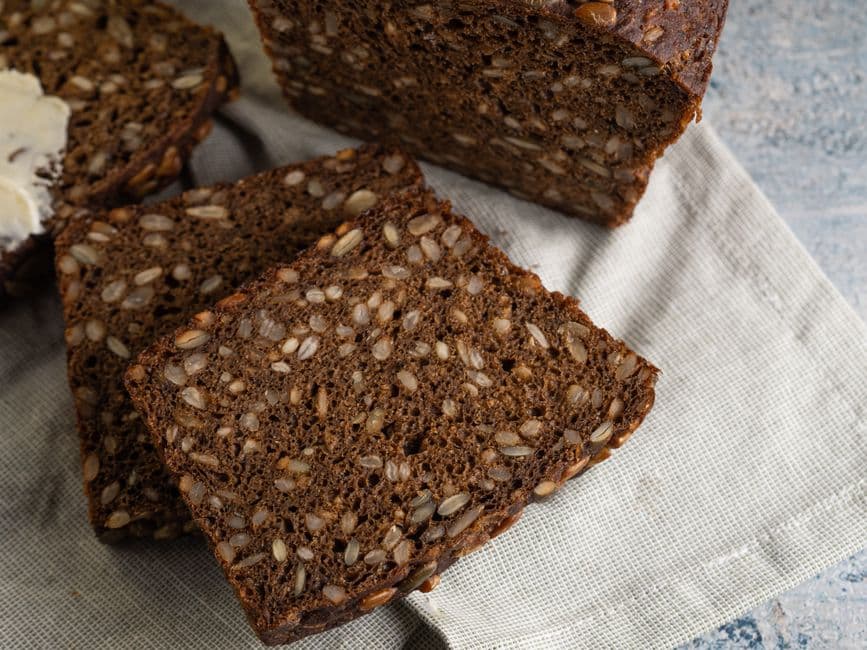
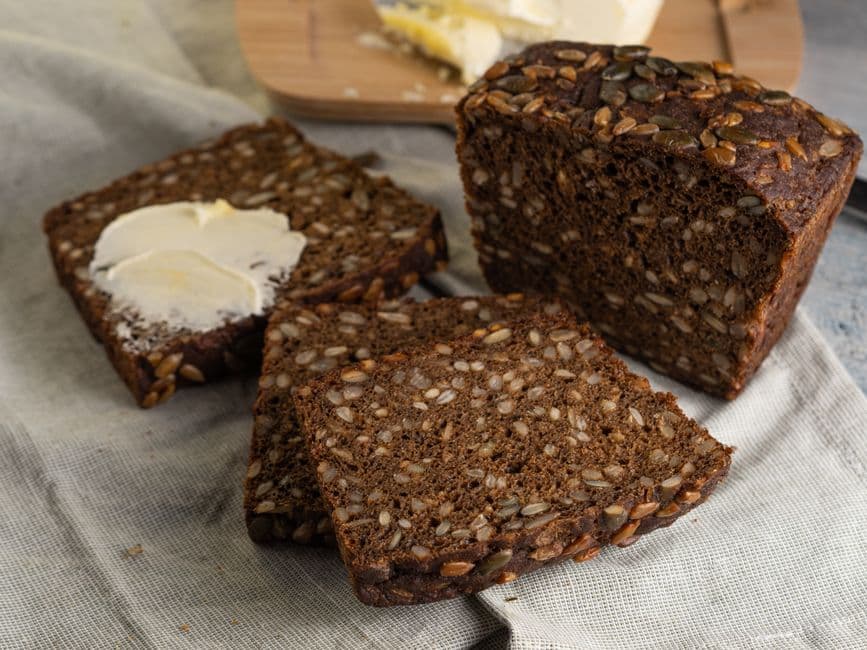
El pan de centeno con masa madre denso, ácido y lleno de semillas de Dinamarca: la base del smørrebrød y uno de los panes más nutritivos del mundo.

El bollo danés original: la masa hojaldrada con mantequilla creada por panaderos austriacos en Copenhague en la década de 1840 que dio al mundo el 'danish pastry', en muchas formas y rellenos.

Panqueques daneses esponjosos y esféricos cocinados en una sartén especial: una tradición navideña servidos con mermelada y azúcar en polvo.
Pan de centeno de masa madre danesa denso, oscuro y maltoso: la base de todos los sándwiches abiertos daneses.
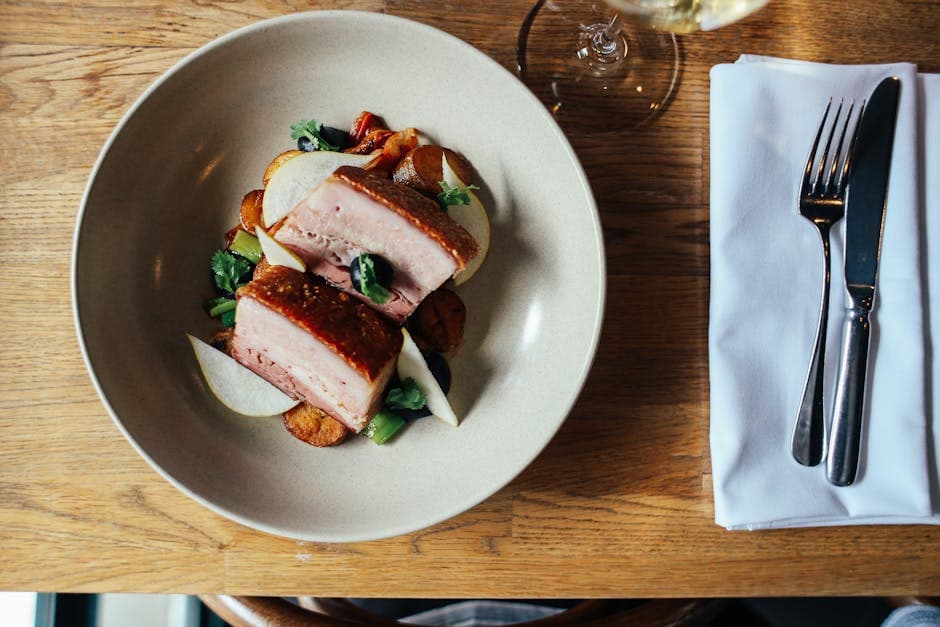
La pieza central navideña de Dinamarca: cerdo asado a fuego lento con un crujiente crujiente y ampollado legendario.
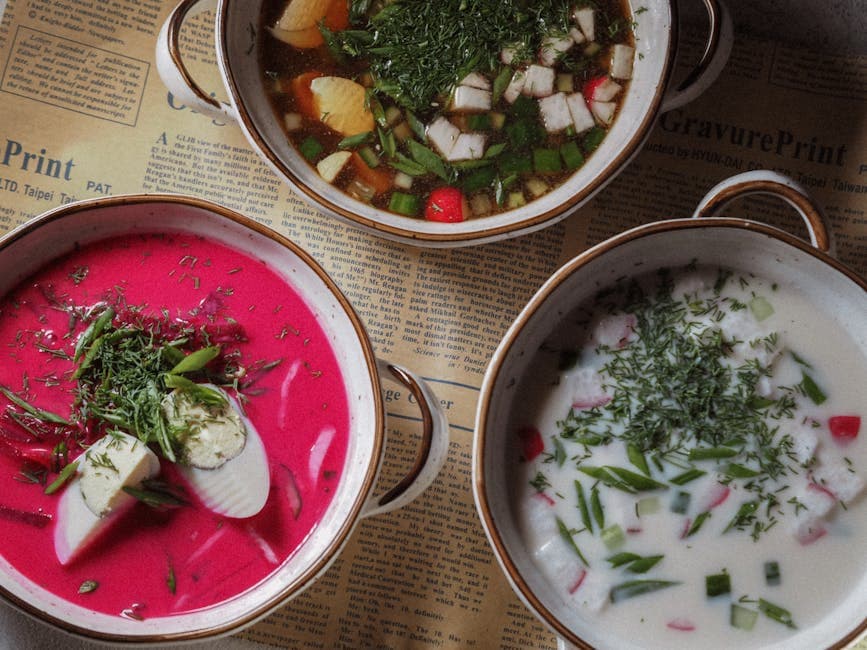
Refrescante sopa danesa de postre de verano con suero de leche frío, huevos y vainilla, servida con galletas kammerjunker.
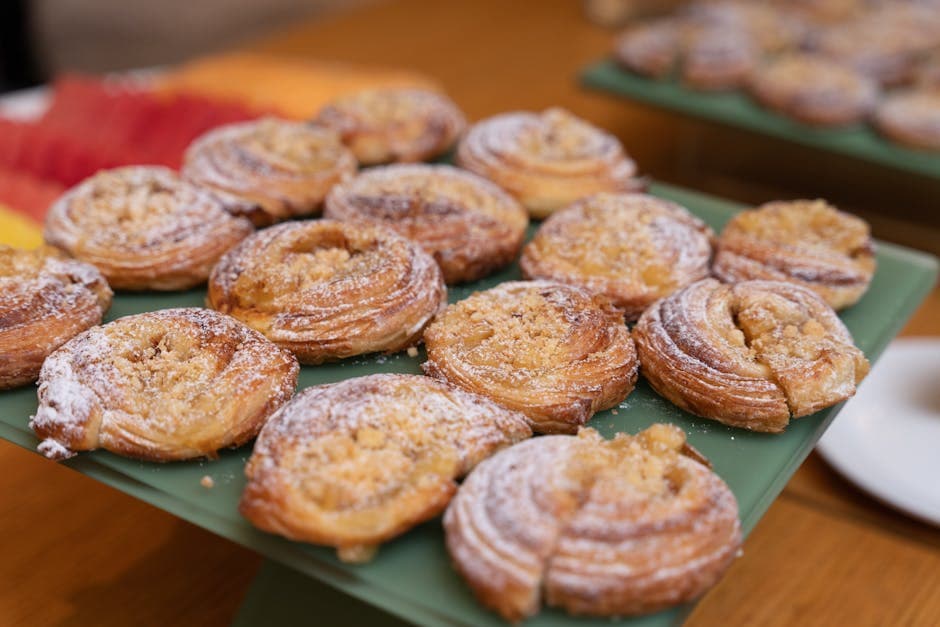
Rollitos de canela daneses acolchados con mantequilla, azúcar moreno y cardamomo en la masa, mejores que cualquier otro.
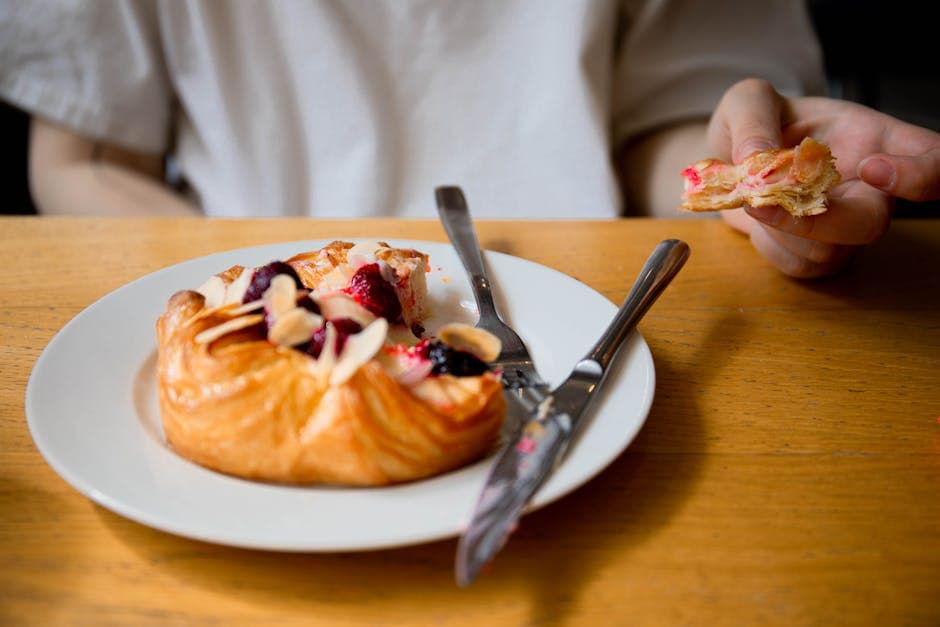
Arroz con leche navideño danés con almendras y salsa tibia de cerezas: cada mesa tiene una almendra entera y un premio escondido.

Patatas caramelizadas danesas, pequeñas patatas cerosas recubiertas de mantequilla y caramelo dorado, un acompañamiento navideño muy querido.
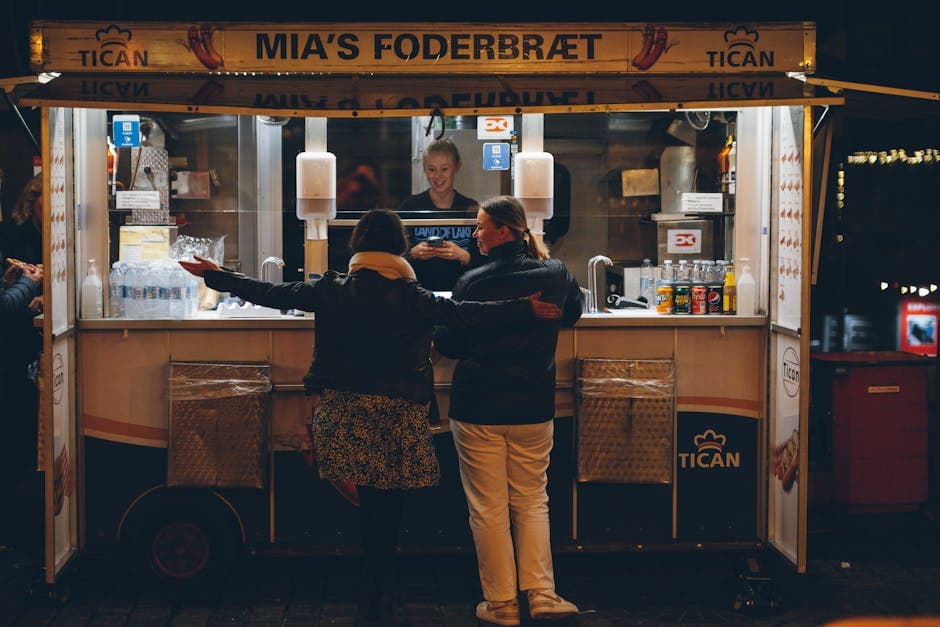
Albóndigas de cerdo danesas fritas: de forma plana, tiernas y jugosas, servidas con patatas y salsa marrón.

Carne de pescado atlántico curado de forma tradicional

Estofado de mariscos rico con pescado atlántico y patatas

Cordero cocido lentamente con verduras de raíz

Guiso tradicional con ave marina y verduras de raíz

Pan denso con cebada y granos integrales

Albóndigas danesas de cerdo y ternera fritas en sartén, servidas con col lombarda, salsa de perejil y patatas cocidas.

Centeno oscuro con mantequilla, cubierto con camarones rosados dulces atados con mayonesa de eneldo, una rodaja de limón, eneldo fresco y una sola gota de caviar negro: el más elegante de los sándwiches abiertos de Dinamarca.
El tazón de arroz con hierbas y limón de Danish Market aporta sabor danés a un práctico tazón de arroz elaborado con muslos de pollo, centeno, mantequilla, eneldo y vegetales encurtidos, y un acabado de eneldo fresco.
La sopa de tomate ahumado Danish Village aporta sabor danés a una sopa práctica preparada con champiñones, centeno, mantequilla, eneldo y verduras encurtidas, y un acabado de eneldo fresco.
La sartén Danish Garden Sesame Lime Skillet aporta sabor danés a una práctica cena en sartén preparada con coliflor, centeno, mantequilla, eneldo y verduras encurtidas, y un acabado de eneldo fresco.
Los fideos con pimiento carbonizado de Danish Harbor aportan sabor danés a un práctico plato de fideos elaborado con fideos de arroz, centeno, mantequilla, eneldo y verduras encurtidas, y un acabado de eneldo fresco.
La ensalada danesa de hierbas verdes de montaña aporta sabor danés a una ensalada práctica preparada con pollo asado, centeno, mantequilla, eneldo y verduras encurtidas, y un acabado de eneldo fresco.
El pan plano con hierbas y limón del festival danés aporta sabor danés a un práctico pan plano elaborado con masa de pan plano, centeno, mantequilla, eneldo y vegetales encurtidos, y un acabado de eneldo fresco.
El horneado en bandeja de tomate ahumado estilo casero danés aporta sabor danés a un práctico horneado en bandeja elaborado con batatas, centeno, mantequilla, eneldo y verduras encurtidas, y un acabado de eneldo fresco.
Los buñuelos de lima y sésamo de Danish Street aportan sabor danés a unos prácticos buñuelos elaborados con pescado salado, centeno, mantequilla, eneldo y verduras encurtidas, y un acabado de eneldo fresco.
El plato de desayuno danés con pimiento dorado carbonizado aporta sabor danés a un práctico plato de desayuno elaborado con frijoles, centeno, mantequilla, eneldo y verduras encurtidas, y un acabado de eneldo fresco.
El postre danés de hierbas verdes entre semana aporta sabor danés a un postre práctico elaborado con coco, centeno, mantequilla, eneldo y verduras encurtidas, y un acabado de eneldo fresco.
Una hamburguesa espesa de carne molida frita cubierta con cebollas suaves cocidas a fuego lento y una simple salsa.
Pan de centeno cubierto con finas rebanadas de cerdo o ternera enrollados con especias, un clásico sándwich danés abierto.
Panqueques redondos y esponjosos cocinados en una sartén especial con hoyuelos, espolvoreados con azúcar en polvo y servidos con mermelada.
Rebanadas gruesas de panceta de cerdo fritas hasta que estén bien crujientes, servidas con papas hervidas y una salsa cremosa de perejil blanco.
Arroz con leche frío doblado con crema batida y almendras picadas, servido con una salsa tibia de cerezas, un postre navideño muy querido.
Col rizada finamente picada cocida a fuego lento en una salsa cremosa parecida a la bechamel, una guarnición navideña tradicional danesa servida con cerdo o pato asado.
Un asado de cerdo con piel profundamente marcada, asado hasta que el chicharrón se hace añicos, la pieza central de la cena navideña danesa.
Una compota sedosa y ligeramente espesa de frutos rojos variados que se sirve fría con una generosa cantidad de crema fría.
Una ensalada cremosa de mayonesa condimentada con curry y salpicada de huevo picado, pepinillos y manzana, un aderezo popular de smørrebrød.
Pequeñas albóndigas de cerdo cocidas a fuego lento en una salsa de curry suave y cremosa con zanahorias y manzana, servidas sobre arroz.
Patatas pequeñas hervidas cubiertas con una capa de caramelo brillante y mantecoso, una guarnición navideña tradicional danesa.
Lácteos daneses cultivados, espesos y picantes, cubiertos con una cobertura dulce y crujiente de pan rallado de centeno tostado, un amado desayuno diario.
Hojaldre laminado mantecoso y hojaldrado en espiral alrededor de un relleno de remojo de almendras dulces, el origen de lo que el mundo llama "danés".
Un panqueque de huevo sartén, espeso y esponjoso, salpicado de cebollino, cubierto con tocino crujiente y servido con pan de centeno oscuro.
Una salchicha de cerdo fresca molida en trozos grandes, con aroma a pimienta de Jamaica, frita y servida con repollo estofado y patatas hervidas.
Un rico paté de hígado de cerdo al horno con tocino, un aderezo smørrebrød muy apreciado que se sirve caliente con champiñones fritos.
Centeno con mantequilla, cubierto con salmón ahumado, eneldo y una crema de rábano picante para untar: un clásico sándwich danés abierto, smørrebrød.
Patatas en capas horneadas en crema con semillas de alcaravea: una guarnición danesa sencilla y reconfortante elaborada con productos básicos clásicos de la despensa nórdica.
Tiernas albóndigas de cerdo y ternera fritas, ligeramente aplanadas y doradas: el querido frikadeller cotidiano de Dinamarca, servido con patatas y salsa.
Una sopa espesa y abundante de guisantes cocida a fuego lento con tocino y tubérculos: una sopa de invierno tradicional danesa, gule ærter.
Una tortilla suave con cebollino fresco, perejil y eneldo, terminada con un chorrito de lima: un desayuno danés ligero con hierbas.
Avena cremosa cocida a fuego lento en leche, terminada con un brillante chorrito de limón carbonizado y miel: un desayuno danés sencillo y reconfortante, havregrød.
Delicados filetes de solla horneados con tomate fresco y eneldo: una sencilla cena costera danesa de pescado elaborada con la pesca más común del Mar del Norte.
Masa de hojaldre laminada mantecosa, retorcida en rollos con forma de pretzel y recubierta con semillas de sésamo tostadas: una delicia de panadería danesa elaborada con masa laminada clásica.
Pepinos en rodajas finas marinados en un aderezo de vinagre agridulce con eneldo: una clásica ensalada danesa, agurkesalat.
Un pollo entero asado con gajos de manzana y tomillo fresco en la cavidad: una sencilla cena dominical danesa elaborada con las clásicas frutas y hierbas del huerto.
Coliflor y tomate asados al horno junto con hierbas frescas y una cobertura ligera de queso: una sencilla guarnición de verduras danesa.
æbleskiver tradicional danés, panqueques redondos y esponjosos cocinados en una sartén especial, servidos con una compota fresca de albahaca y bayas.
Un abundante cuenco de cereales elaborado con la despensa smørrebrød de Dinamarca: granos de centeno, arenque encurtido, huevo y eneldo fresco, aderezado con lima.
Un plato danés de arroz y camarones al estilo costero elaborado con mantequilla integral, eneldo y limón, los sabores de un clásico reje smørrebrød.
Gule ærter, la clásica sopa espesa danesa de guisantes amarillos con cerdo ahumado, servida como reconfortante plato dominical.
Pimientos rellenos con un sabroso relleno de cerdo y pan rallado de centeno, terminados con eneldo fresco y un chorrito de limón.
Una cazuela de patatas danesa cremosa con capas de curry suave en polvo, cebolla y queso, horneada hasta que esté dorada y burbujeante.
Una jugosa frikadelle de cerdo y ternera servida estilo hamburguesa sobre pan de centeno con una brillante mayonesa de albahaca.
Un cremoso arroz con leche navideño danés con crema batida y almendras, cubierto con un caramelo tibio condimentado con curry.
Un plato festivo danés de chicharrón asado y col lombarda agridulce, servido con una salsa fresca de yogur de menta.
La cocina danesa se basa en el pan de centeno, la carne de cerdo, los lácteos y el mar. Su emblema es el smørrebrød: masa madre densa de centeno (rugbrød) untada con mantequilla y formando sándwiches abiertos con aderezos codificados: arenque encurtido con cebolla y alcaparras, filete de pescado frito con remoulade, cerdo asado con col lombarda o el 'stjerneskud' con camarones. Los platos calientes clásicos siguen la misma lógica abundante: frikadeller (albóndigas de cerdo fritas), stegt flæsk med persillesovs (panceta de cerdo crujiente con salsa de perejil, el plato nacional oficial) y flæskesteg de cerdo asado con chicharrones.
Las tradiciones lácteas y panificadoras de Dinamarca son profundas. La mantequilla y la nata rematan salsas y pasteles por igual; El pastel "danés" se llama localmente wienerbrød (pan de Viena) porque los panaderos austriacos trajeron técnicas de laminación durante una huelga de panaderos en la década de 1850, después de lo cual los daneses las perfeccionaron con más mantequilla y relleno de remonce. La Navidad trae consigo el flæskesteg, pato con manzanas y ciruelas pasas, patatas caramelizadas y risalamande, el arroz con leche de almendras con salsa de cerezas y una caza de almendras enteras escondidas.
Desde principios de la década de 2000, Dinamarca también ha sido el motor de la nueva cocina nórdica. El manifiesto de 2004, del que fueron coautores Claus Meyer y René Redzepi de Noma, volvió a centrar la cocina en el terruño nórdico (espino amarillo, ramsons, hierbas de playa, fermentación y cereales tradicionales) y reformuló restaurantes en todo el mundo. En casa, el ritmo cotidiano sigue siendo humilde: almuerzos de pan de centeno preparados para la escuela y el trabajo, cenas comunitarias impulsadas por la higiene y una fuerte cultura del café y la repostería.
Smørrebrød
Pan de centeno con mantequilla y aderezos codificados (arenque, solla frita con remoulade, cerdo asado) que se come con cuchillo y tenedor, nunca con las manos.
Rugbrød (pan de centeno)
El centeno de masa madre denso y sin semillas es el alimento básico diario, envasado en loncheras en todo el país y la base estructural de smørrebrød.
Cerdo y Frikadeller
La herencia de la cría de cerdos de Dinamarca se muestra en las albóndigas frikadeller, el flæskesteg con chicharrón y el plato nacional, panceta de cerdo crujiente con salsa de perejil.
Arenque En Escabeche
El sild curado en vinagre, crema de curry o adobos de jerez abre todas las mesas de almuerzo danesas, especialmente en Navidad y Pascua.
Wienerbrød y horneado de mantequilla
Los pasteles "daneses" laminados con remonce, además del kanelsnegle y el pastel de ensueño (drømmekage), definen la legendaria cultura de la panadería.
Nuevo pensamiento nórdico
El manifiesto de la era Noma impulsó la búsqueda de comida, la fermentación y el terruño nórdico en la buena mesa mundial y de nuevo en los hábitos hogareños daneses.
Sándwiches de centeno abiertos Smørrebrød, pasteles daneses (wienerbrød), albóndigas frikadeller, cerdo asado crujiente con chicharrones, arenque en escabeche y perritos calientes de los carritos callejeros de pølsevogn. Dinamarca es también la cuna de la nueva cocina nórdica (el movimiento de búsqueda y fermentación lanzado en torno a Noma en Copenhague) y de la acogedora cultura gastronómica resumida en hygge.
Se superponen mucho (arenque, centeno, cerdo, bayas), pero Dinamarca hizo del sándwich abierto (smørrebrød) su pieza central, mientras que Suecia formalizó el buffet smörgåsbord y el plato de albóndigas y arándanos rojos. La comida danesa se basa más en mantequilla, chicharrones y pasteles laminados; Suecia con arándanos rojos, pescado curado con eneldo y sopa de guisantes de los jueves. El rugbrød danés es más oscuro y denso que la mayoría de los panes suecos.
En Dinamarca se llama wienerbrød ('pan de Viena') porque los panaderos austriacos introdujeron la masa de levadura laminada en Copenhague durante una huelga de panaderos daneses en la década de 1850. Luego, los panaderos daneses enriquecieron la técnica con más mantequilla y remonce (un relleno de crema de mantequilla y azúcar), creando spandauer, kanelsnegle y los pasteles que el resto del mundo ahora llama simplemente "daneses".
Frikadeller: mezcle carne de cerdo molida (o cerdo y ternera) con cebolla rallada, huevo, harina o avena y leche, luego fría a cucharadas en mantequilla hasta que se dore. Sirva con papas hervidas, salsa marrón o repollo blanco guisado y repollo rojo en escabeche. Smørrebrød es la otra entrada fácil: un buen pan de centeno, mantequilla y un cuidadoso montaje de la cobertura son todo el arte.
Pato asado con manzanas y ciruelas pasas y/o flæskesteg (cerdo asado con chicharrones), patatas hervidas más brunede kartofler (patatas caramelizadas en mantequilla y azúcar), col lombarda y salsa espesa de color marrón. El postre es risalamande (arroz con leche frío doblado con crema batida y almendras picadas, servido con salsa tibia de cerezas), donde al encontrar una sola almendra entera se gana un cerdo de mazapán.
Calculadoras y conversores que acompañan a esta página — sin registro.
Calculadora para escalar recetas
Reduce a la mitad o duplica cada cantidad de esta receta sin hacer cuentas mentales.
Conversor de medidas
Convierte tazas, gramos, onzas y mililitros en ambos sentidos.
Conversor para freidora de aire
Convierte el tiempo y la temperatura del horno a ajustes de freidora de aire.