
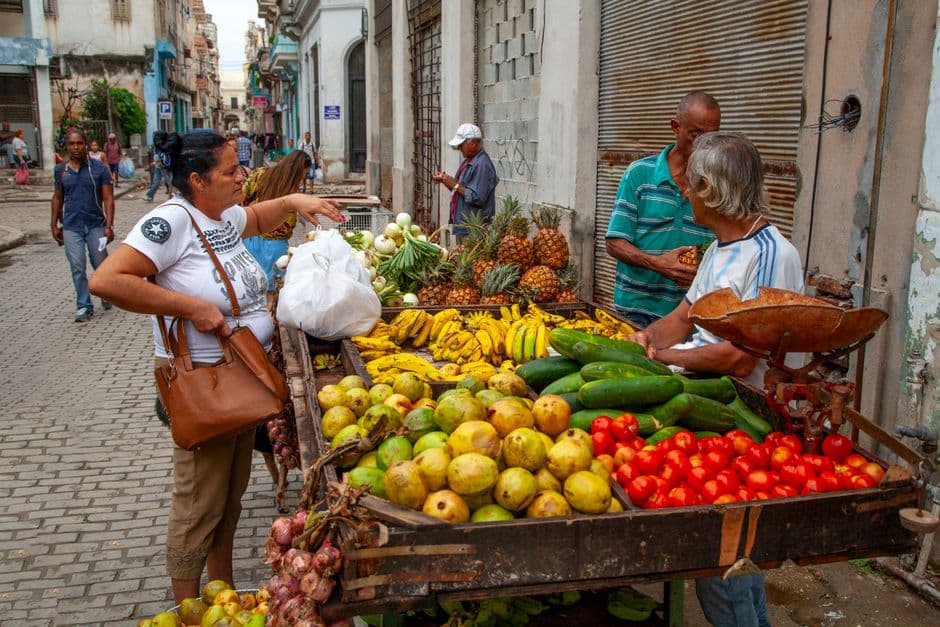
Ropa Vieja
Le plat national emblématique de Cuba — steak de flanc de boeuf longtemps braisé râpé en lanières tendres et mijoté dans une sauce de sofrito riche et richement assaisonnée et tomate.
À propos de cette recette
Ropa vieja, qui se traduit colourément par 'vieux vêtements', est l'un des plus anciens et des plats les plus aimés des Caraïbes espagnoles. Le nom se réfère à l'apparence long-braisée et en haillons du boeuf, qui s'éventail comme tissu usé. Le plat a ses racines dans les îles Canaries, apporté à Cuba par les colons espagnols, et au cours des siècles a absorbé les influences africaines et caribéennes autochtones. Aujourd'hui c'est le plat national officieux de Cuba, servi dans chaque maison et paladares à travers l'île. La clé de sa profondeur de saveur est le sofrito classique cubain — une base parfumée d'oignon, capsicum et ail cuisiné lentement dans l'huile d'olive avant que les tomates et le liquide de braisage ne soient ajoutés.
Ingrédients
Sert 6
- 1.2 kgsteak de flanc de boeuf(coupé en 3 gros morceaux)
- 1 grandeoignon blanc(coupé en deux)
- 1 têteail(coupé en deux horizontalement)
- 2feuilles de laurier
- 3 cuillères à soupehuile d'olive
- 1 grandeoignon(finement dés)
- 1 grandecapsicum vert (poivron)(finement dés)
- 1 grandecapsicum rouge (poivron)(finement dés)
- 5 goussesail(émincé)
- 400 gtomates écrasées en conserve
- 120 mlvin blanc sec
- 1 cuillère à cafécumin moulu
- 1 cuillère à cafépaprika fumé
- 1 cuillère à caféorigan séché
- 60 golives vertes farcies de pimiento(tranchées)
Étapes
- 1
Braisage du boeuf
Placer les morceaux de boeuf dans une grande casserole avec l'oignon coupé en deux, la tête d'ail coupée en deux, les feuilles de laurier et assez d'eau froide pour couvrir de 5 cm. Porter à ébullition, écumer la mousse, puis réduire le feu et mijoter 1,5–2 heures jusqu'à ce que le boeuf soit très tendre et se détache facilement. Retirer le boeuf et réserver 250 ml du bouillon de cuisson. Quand assez froid pour gérer, râper le boeuf avec deux fourchettes en lanières longues et minces.
Une cocotte-minute réduit cette étape à 40 minutes. L'utiliser si disponible.
- 2
Faire le sofrito
Faire chauffer l'huile d'olive dans une grande poêle lourde à feu moyen. Ajouter l'oignon dés et les deux capsicums et cuire 10–12 minutes jusqu'à très tendre et commençant à caraméliser aux bords. Ajouter l'ail émincé, cumin, paprika et origan et cuire 2 minutes supplémentaires jusqu'à parfumé.
- 3
Construire la sauce
Verser le vin blanc et cuire, en remuant, 2 minutes jusqu'à ce que presque entièrement évaporé. Ajouter les tomates écrasées et le bouillon de boeuf réservé. Remuer pour combiner et mijoter 10 minutes jusqu'à ce que la sauce ait légèrement épaissi.
- 4
Combiner et finir
Ajouter le boeuf râpé et les olives à la sauce. Remuer doucement pour enrober toutes les lanières de boeuf dans la sauce. Mijoter à feu doux 15–20 minutes supplémentaires, en remuant occasionnellement, jusqu'à ce que la sauce ait épaissi en une consistance riche et brillante qui enrobe le boeuf. Assaisonner généreusement avec du sel.
- 5
Servir
Servir sur riz blanc avec un côté de haricots noirs (moros y cristianos) et plantains frits sucrés (tostones). Garnir avec de la coriandre fraîche si désiré.
Vous l'avez cuisinée ?
Notez-la et aidez les autres à trouver les recettes qui fonctionnent vraiment.
Connectez-vous en un geste : nous enregistrons la note que vous venez de choisir.
Tout ce qu'il faut pour planifier votre semaine — gratuit
- Calendrier des repas
- Liste de courses
- Idées de recettes IA
Cuisinez les mains libres
Profitez de plans de repas IA, d'un mode cuisine pas à pas et de vos recettes enregistrées dans l'appli gratuite Bento.
Conseils de pro
- →
Ne pas hâter le sofrito — la cuisson lentement longue est ce qui crée sa saveur sucrée et profonde.
- →
Râper le boeuf tandis que chaud ; le boeuf froid se râpe avec plus de résistance.
- →
Ropa vieja s'améliore dramatiquement le jour suivant — le faire à l'avance.
- →
Goûter et ajuster le sel à la fin — les saveurs se concentrent avec la réduction des liquides, et une pincée finale de sel floconné aiguise tout le plat.
Variantes
- •
Certaines familles cubaines ajoutent une éclaboussure de xérès sec ou quelques câpres avec les olives.
- •
Une version canaire (l'origine du plat) utilise les pois chiches au lieu des haricots noirs cubains sur le côté.
- •
Végétarien : remplacer la protéine par des champignons roi oyster rôtis, du tofu fumé ou des pois chiches cuits — ajuster légèrement l'assaisonnement vers le haut pour compenser.
- •
Plus épicé : ajouter un piment frais finement haché ou une cuillerée à café de poivre d'Alep écrasé aux aromatesfor une chaleur chaleureuse et en couches au lieu d'un coup sec unique.
Stockage
Réfrigérer jusqu'à 4 jours. Se congèle très bien jusqu'à 3 mois. Réchauffer doucement avec une éclaboussure d'eau ou de bouillon.
Histoire et origine
Ropa vieja apparaît dans les livres de cuisine espagnols aussi loin que le 15ème siècle. Les îles Canaries ont apporté cela à Cuba et aux Caraïbes à l'époque coloniale, où il a absorbé les influences africaines — particulièrement la technique du sofrito. Une légende charmante prétend que le plat a été inventé par un pauvre qui a effiloché ses propres vêtements et prié dessus ; quand il est retourné, il a trouvé qu'il s'était miraculeusement transformé en une casserole de viande braisée parfumée.
Foire aux questions
Quel morceau de boeuf est le meilleur pour la ropa vieja?
Le steak de flanc est traditionnel pour ses longues fibres qui se râpent magnifiquement. Le steak de jupe et la poitrine fonctionnent aussi bien. Éviter le steak rond, qui devient sec.
Puis-je faire cela à l'avance?
Oui — la plupart des composants peuvent être préparés jusqu'à un jour à l'avance et réfrigérés séparément. Réchauffer doucement et assembler juste avant de servir pour que les textures restent distinctes.
Que puis-je substituer si je n'ai pas tous les ingrédients?
Rester proche du rôle de chaque ingrédient : échanger les aromatiques pour des similaires (échalote pour oignon, citron vert pour citron), et maintenir l'équilibre gras-acide-sel intact. Les mélanges d'épices peuvent généralement être approximés avec ce qui se trouve dans le placard.
Comment sais-je si c'est authentique?
L'authenticité se situe sur un spectre — ce qui importe davantage est d'honorer la technique et l'équilibre des saveurs. Si le plat a bon goût et respecte comment les cuisiniers de sa région d'origine le construiraient, vous êtes sur du solide.
Faits nutritionnels
Par portion (320g) · 6 portions totales
Résumé du temps
Vous avez des questions ?
Demandez quoi que ce soit à notre assistant culinaire IA sur cette recette : substitutions, techniques, mise à l'échelle.
Discutez avec AI Chef →Plus de recettes cubaines
Vous Aimerez Aussi
Des plats similaires venus d'autres cuisines du monde.
Parcourir par Ingrédient
D'autres recettes construites autour des mêmes ingrédients principaux.
Outils de Cuisine Gratuits
Calculateurs et convertisseurs qui accompagnent cette page — sans inscription.
Transformer en Plan
Programmez-le, faites les courses et suivez ce que vous avez déjà.
À Lire Ensuite
Des articles de fond sur les idées derrière ce plat.
Curry britannique : une histoire complète du poulet Tikka Masala et du plat national adopté par la Grande-Bretagne
13 min.
Quinoa vs riz : différences en matière de nutrition, de protéines et de cuisson
12 min.
Plan de repas cétogène de 7 jours : une recette complète à faible teneur en glucides avec moins de 20 g de glucides nets par jour
15 min.
Communauté
Rejoignez la conversation
Connectez-vous pour laisser un commentaire et enregistrer vos recettes préférées